

Nebraska City is one of the easiest small destinations in the state to underestimate. On a map it looks like a quick Missouri River stop, but the combination of Arbor Lodge, Arbor Day Farm, orchards, museums and seasonal festivals can comfortably fill a full day and, for travelers who like gardens or local history, a relaxed weekend. The smart approach is to decide before arrival whether your trip is built around trees and outdoor spaces, museums and history, or a festival weekend, because the town feels very different in each mode.
The city is especially useful on a route between Omaha, Lincoln and southeast Nebraska. It also works as a slower alternative to spending every night in a large city. The main planning trap is stacking too many small museums with Arbor Day Farm and then discovering that seasonal opening hours make the order impossible. Treat the farm and Arbor Lodge as the anchor, then layer the rest around them.
- Best for: one full day or two relaxed nights
- Anchor experiences: Arbor Lodge + Arbor Day Farm
- Best seasons: spring tree season and fall orchard season
- Main risk: festival crowds and seasonal museum hours
- Best pairing: Omaha or Lincoln on a southeast Nebraska loop
What makes this stop worth your time
Arbor Lodge is more than a mansion stop
Arbor Lodge State Historical Park is the former home of J. Sterling Morton, the founder of Arbor Day. The mansion and grounds make more sense when treated as a single experience rather than rushing through rooms and leaving. Walk the arboretum, gardens and nearby trails before or after the house so the story of tree planting and landscape design connects to the setting. The grounds are open year-round, while mansion access and programming vary by season, so check current hours before building the day around an interior visit.
Use Arbor Day Farm as the outdoor half of the trip
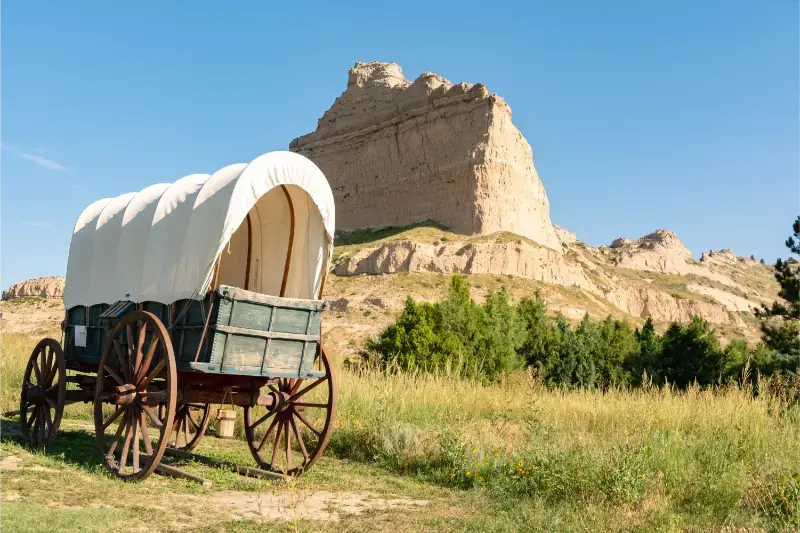
Arbor Day Farm spreads the experience beyond history into orchards, forest activities and family-friendly outdoor time. In autumn the farm can become the busiest part of town, particularly around AppleJack events, while spring has its own Arbor Day programming. If you are traveling with children, give the farm more time than a conventional museum. Couples and photographers may prefer early morning or late afternoon, when paths and orchard areas feel calmer and the light is softer.
Do not ignore the smaller museums if history is your priority
Nebraska City has a cluster of smaller historic attractions, including local history collections and the Missouri River Basin Lewis & Clark Interpretive Center. They are worthwhile when you have a specific interest, but they should not all be treated as mandatory. Pick one or two that match your trip theme, check opening days, and leave enough margin for an unplanned orchard stop or a longer walk. This produces a better day than collecting admissions simply because the sites are close together.
Festival weekends require a completely different plan
Arbor Day celebrations in spring and AppleJack in September can transform traffic, parking, lodging demand and opening hours. On those weekends, reserve lodging early and stop trying to micromanage every hour. Choose one major ticketed or timed activity, then use the rest of the day flexibly. If your goal is a quiet visit to Arbor Lodge and the orchards, a normal weekday outside festival periods is usually a better fit than the biggest event weekend.
Nebraska City works best as a deliberately slow stop
The appeal here is not a checklist of headline attractions. It is the combination of leafy grounds, a compact town, orchard food and a pace that contrasts with interstate travel. If you arrive expecting a major urban attraction district, the town can feel small. If you build the visit around a half-day anchor and leave room for walking, lunch and seasonal stops, it feels much more complete.
A realistic itinerary
For a one-day visit, start with Arbor Lodge and its grounds while energy and light are good. Continue into Arbor Day Farm for the Tree Adventure or orchard activities, then take a late lunch in town. Use the afternoon for one history-focused museum or the Lewis & Clark center, depending on opening hours. If you stay overnight, shift one of those museums to the next morning and add a relaxed walk or orchard stop instead of extending the first day into a rush.
If your schedule is tighter, remove the attraction with the most flexible value rather than shortening every stop. One complete museum, hike or landscape experience is usually more satisfying than three hurried visits. If you have extra time, use it for a meal, a second short trail or a local history stop instead of automatically adding another long drive.
Where to stay and how to choose the base
Compare available accommodation for your dates, budget and preferred location before you finalize your route.
Stay in Nebraska City when the goal is an unhurried orchard or Arbor Day weekend, especially if you want to be on site early. Stay in Omaha or Lincoln if Nebraska City is one day inside a larger city-based trip and you prefer more restaurant choices at night. During festival weekends, location matters more than saving a small amount on the room because traffic and parking can erase the difference.
For road trips, the best hotel is often the one that reduces the next morning’s drive. Check the map from the property to your first trailhead or visitor center, not just the distance to the town name. In rural Nebraska, ten or fifteen minutes saved at the beginning and end of the day can matter more than having a slightly larger selection of restaurants.
Season, weather and timing

Spring is strongest for Arbor Day themes and comfortable walking, while fall brings apples, orchard events and some of the most popular weekends of the year. Summer can be hot and humid, so outdoor activities are better early or later in the day. Winter is quieter and can work for the mansion and a low-key history trip, but seasonal attractions and smaller museums may operate reduced schedules.
Always check official alerts again within a day or two of departure. Great Plains weather can make an old trip report irrelevant, and seasonal operating hours often change before online maps catch up. Carry water in the vehicle, keep enough fuel for detours, and download essential directions before entering areas with weak cell coverage.
Is it worth the detour?
Nebraska City is worth a dedicated overnight for travelers who enjoy gardens, orchards, small museums or seasonal festivals. It is less compelling as a rushed detour for someone who wants one dramatic landmark. If you have only two hours, choose Arbor Lodge and the grounds rather than trying to sample several separate attractions.
How to avoid wasting driving time
Nebraska rewards route discipline because distances between useful stops can be larger than they appear on a state map. Before leaving for Nebraska City, identify the first activity with a fixed opening time, the last fuel stop you can count on, and the point where you will stop adding detours. A good rule is to protect one unhurried anchor experience and treat everything else as optional. This prevents a rural road trip from turning into a sequence of late arrivals and closed doors.
What to do when weather changes the plan
Wind, thunderstorms, heat, snow or muddy roads can change a Nebraska day quickly. For Nebraska City, keep one lower-risk alternative ready: an indoor museum, a shorter paved walk, a town meal or an early transfer to the next base. Do not let a prepaid room convince you to drive an unsafe road or continue an exposed hike. The best itineraries in the Great Plains are flexible enough to lose one outdoor activity without ruining the entire trip.
A realistic approach for families and mixed-ability groups
Plan around the least mobile or least heat-tolerant person in the group rather than the strongest hiker. At Nebraska City, combine one meaningful activity with breaks, shade and food instead of asking everyone to complete every available trail or exhibit. If children are interested, give them a specific task—spot wildlife, complete a Junior Ranger activity, photograph a geologic feature or choose the next overlook. That keeps the day purposeful without making it exhausting.
How much buffer time to leave
Leave at least 30 to 60 minutes of unscheduled time around the main Nebraska City experience. Rural roads, construction, wildlife, check-in procedures and seasonal crowds can all add small delays. The buffer also lets you stop at an unexpected viewpoint or spend longer with a ranger without immediately falling behind. On a multi-day Nebraska trip, those margins usually produce better memories than adding one more attraction to every afternoon.
Fuel, food and restroom strategy
Do not wait until the car is nearly empty or everyone is hungry before looking for services near Nebraska City. Fill the tank in the last full-service town, carry drinking water and keep a simple snack in the vehicle. Rural attractions often have excellent scenery but limited food, and seasonal concessions may close earlier than the attraction itself. Families should also identify reliable restrooms before starting a long trail or scenic road. These small preparations protect the best part of the day from being interrupted by an avoidable search for fuel or food.
Use the best hours of the day intentionally
Morning and late afternoon are usually the most valuable hours around Nebraska City: temperatures are more comfortable, wildlife can be more active and low-angle light gives landscapes more depth. Use the middle of a hot or windy day for museums, lunch, driving or visitor centers when possible. This is especially useful on a multi-stop Nebraska itinerary because it turns necessary transfer time into the least visually valuable part of the day instead of sacrificing the hours when trails, overlooks and outdoor sites are at their best.
Compare lodging close to the part of Nebraska you actually plan to use, then check rental-car terms before locking the route.
Check accommodation optionsCompare rental cars
Official information to check before you go
Use Nebraska City Tourism & Commerce for current hours, closures, permits, trail notices and seasonal changes. For rural attractions, official conditions should take priority over an old blog post or a navigation app that may not reflect road surfaces and temporary closures.
Continue planning Nebraska
Use the Nebraska travel guide to connect this stop with the rest of the state. Useful next reads: Omaha guide, Lincoln guide.