

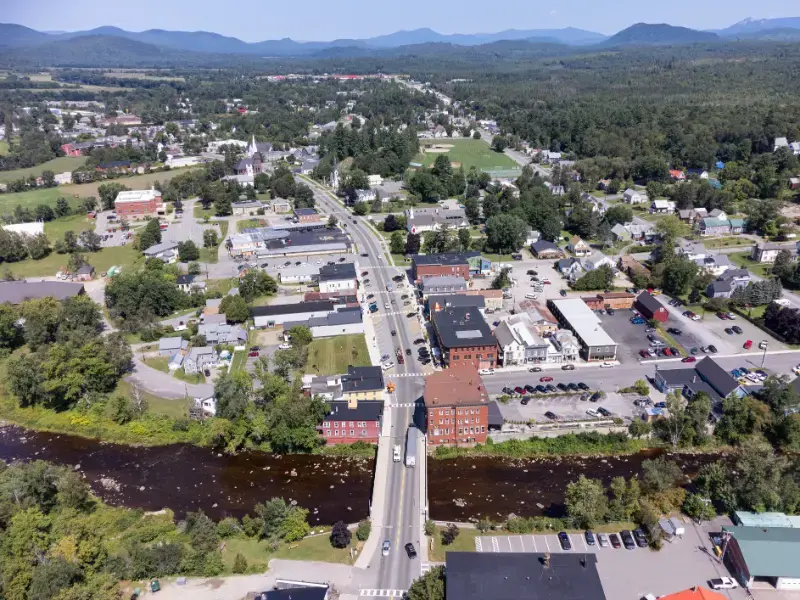
New Hampshire is small enough to cross by car in a day, but a worthwhile road trip should not aim to cover it as quickly as possible. The state contains several distinct travel regions: Portsmouth's historic harbor, the Atlantic beaches, the lakes around Winnipesaukee, steep White Mountains passes and towns such as Concord that reveal its civic and cultural life. A seven-day route can introduce those places without forcing a new hotel every evening, provided you prioritize a few experiences and accept that mountain weather may change the plan.
Visit snapshot
| Visit type | Seven-day itinerary |
|---|---|
| Time to allow | 7 days |
| Useful base | Portsmouth, Lakes Region, White Mountains |
| Critical planning note | Seasonal access, summit weather and foliage traffic require flexible days. |
This itinerary begins near Portsmouth and moves north through Concord and the Lakes Region before spending several days in the White Mountains. It is best suited to late spring through early fall, when scenic roads, visitor attractions and outdoor amenities generally offer the greatest flexibility. In winter, road conditions, shorter daylight hours and seasonal operations require a different schedule. Distances below are conceptual rather than guarantees of journey time: traffic, weather, parking and stops determine how each day unfolds.
The route at a glance
Spend nights one and two in the Seacoast area, night three in the Lakes Region and nights four through six in the White Mountains. This three-base approach reduces packing and allows you to choose mountain activities based on conditions. You can start the trip from Boston or another Northeast arrival point, but check the route from your specific airport or railway station rather than assuming every traveler enters through the same city. A rental car is the easiest way to link the state parks and scenic drives, although Portsmouth alone is walkable. Book accommodation with practical parking and reasonable cancellation terms, especially during autumn foliage season when rates can rise and flexibility becomes valuable.
Day 1: arrive in Portsmouth and explore downtown
Start with Market Square and the historic streets around it. Stroll toward Prescott Park, look across the Piscataqua River and spend the afternoon getting a feel for the harbor city. If time allows, visit Strawbery Banke Museum, but check the seasonal calendar before making it the centerpiece of a late arrival day. The museum interprets several centuries of neighborhood life rather than a single restored household and deserves more than a hurried thirty-minute visit. Have dinner downtown and enjoy the advantage of being able to walk back to your room. Resist driving straight to the mountains after a long journey: Portsmouth is worth an evening and provides a relaxed introduction to New Hampshire's history.
Day 2: Seacoast scenery or a deeper Portsmouth visit
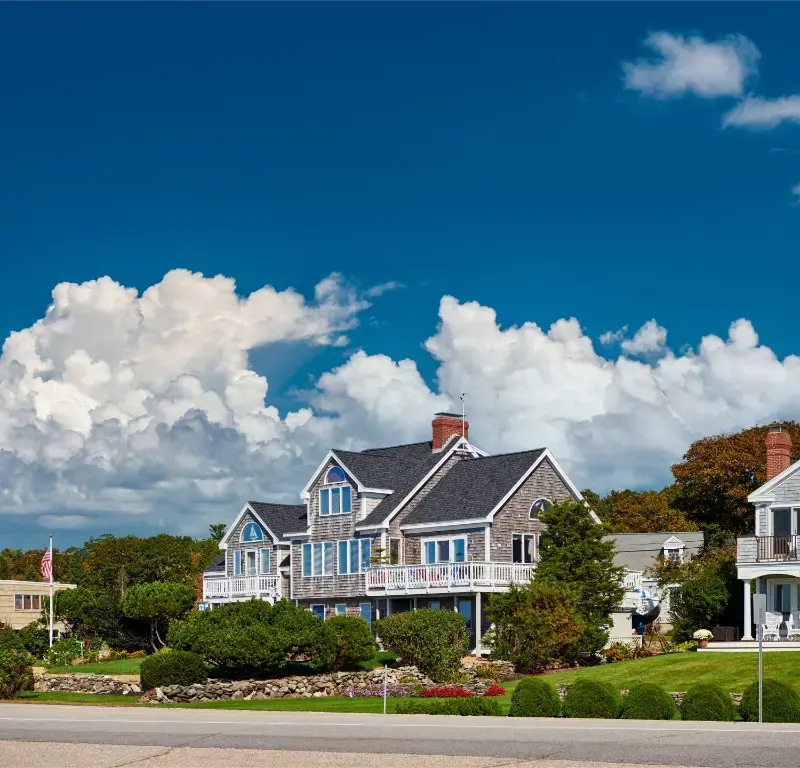
Choose one of two paths. If the weather is sunny, drive toward New Castle and Rye for rocky coastal views or continue to Hampton Beach for a traditional summer beach outing. Observe parking and pet rules for the specific beach or park. If rain makes the shoreline unattractive, remain in Portsmouth for a longer museum visit, historic-house tour or gallery exploration. A family might favor the Seacoast Science Center when operating, while history-minded visitors could choose a more focused neighborhood walk. Return to the same hotel for a second night. You do not need to see every mile of New Hampshire's coastline; a few well-chosen stops reveal the contrast between Portsmouth's working harbor and its open Atlantic shore.
Day 3: Concord and the Lakes Region
Leave Portsmouth for Concord, making a substantial midmorning stop in the state capital. Explore Main Street and the State House exterior, taking a tour if one has been arranged through the official visitor center. Have lunch downtown, then continue toward the Lakes Region and your chosen base near Meredith, Wolfeboro or Laconia. The afternoon should remain flexible; a simple lakeside stroll is often enough after driving. Do not schedule a long cruise that departs before you can reasonably arrive and check in. Overnight by Lake Winnipesaukee, where a waterfront dinner or quiet walk creates a distinct change from Portsmouth. This day combines civic history with a scenic transition rather than trying to treat Concord as a five-minute fuel stop.

Day 4: Lake Winnipesaukee at a slower pace
Spend the morning enjoying the lake. A sightseeing cruise can reveal coves, islands and shoreline communities from a different perspective, but verify the departure port, route and seasonal timetable when booking. If the weather is suitable, a developed public beach or a modest hike such as Mount Major may be an alternative, with proper attention to swimming and trail safety. Have lunch in Meredith or Wolfeboro rather than driving endlessly between both shores. In the afternoon, travel toward Lincoln or North Woodstock on the southern edge of the White Mountains, check into your next hotel and enjoy a quiet evening. Driving into the mountains after an already active lake day is easier when you avoid adding another major attraction after arrival.
Day 5: Franconia Notch State Park
Devote the morning to Franconia Notch, choosing between a reserved Flume Gorge walk and a gentler visit around Echo Lake and Profile Lake. Flume Gorge has a seasonal, ticketed, approximately two-mile one-way visitor route with uphill sections and steps; it is not an easy-access boardwalk for every traveler. In 2026 the Cannon Mountain Aerial Tramway was closed during a replacement project, so do not plan the day around an assumed summit lift. Enjoy the park's scale from appropriate viewpoints and follow designated parking rules. Experienced hikers may prefer a full hiking day, but the Franconia Ridge routes are challenging and should replace, rather than supplement, a long tourist itinerary. Return to the same accommodation in the Lincoln area.
Day 6: the Kancamagus Highway and North Conway
Use the Kancamagus Highway as a full scenic day rather than a quick transfer. The celebrated mountain section of Route 112 crosses roughly 34.5 miles between the Lincoln and Conway sides of the White Mountains, with stops such as Rocky Gorge, Sabbaday Falls and elevated overlooks. There are limited ordinary services in the central section, so start with fuel, water and food. Parking rules and recreation fees vary by site. Continue to North Conway for the railway station, village shops or a short local outing if time remains. You can overnight in North Conway, but retaining a Lincoln base is also reasonable if you prefer not to change hotels; just allow for the return drive. Avoid crossing dark mountain roads unnecessarily at the end of an exhausting day.
Day 7: Mount Washington or a gentler valley morning
Choose the final excursion according to weather and onward travel. A Mount Washington summit visit by Cog Railway or Auto Road deserves several hours and must be planned around the correct departure side of the mountain. The railway begins near Bretton Woods, whereas the Auto Road starts near Pinkham Notch; they are not adjacent entrances. Summit access is weather dependent, and winter services differ from summer summit trips. If you have a long flight or drive on day seven, choose a shorter North Conway outing instead. A calm breakfast, a riverside walk or a scenic overlook can finish the road trip better than risking a late arrival after a mountain closure. If the summit is the trip's primary goal, consider moving that visit to an earlier flexible day and using day seven as the backup.
Why three lodging bases work better than seven
A nightly hotel change creates lost time at check-in, repacking and parking, even when the map distances are short. Two nights near Portsmouth allow a genuine Seacoast experience, one lake-region night reveals a different environment, and three mountain nights provide flexibility for weather-sensitive activities. You could stay in Meredith instead of near Weirs Beach, or in North Conway instead of Lincoln, depending on which activities you prioritize. Compare the location of your most important departure point rather than choosing a property only for its scenic description. A less expensive room an hour from a reserved morning activity can become poor value once traffic and stress are considered. For families, accommodation with practical parking and space to dry wet clothing can matter more than elaborate on-site amenities.
Driving times and avoiding overambitious transfers
Mountain travel rarely follows the shortest straight line. Notches funnel roads through valleys, and slow traffic around scenic stops, fall foliage congestion or construction can change a day's pace. Plan generous time between a morning museum booking and an afternoon cruise, and never treat a long scenic route as if it were a nonstop interstate drive. During autumn weekends, trailheads and major overlooks may fill early. In winter, road conditions and closures can transform an otherwise simple loop. Download offline directions for remote parts of the White Mountains and keep the latest state road information available. Drivers should rotate when practical and avoid finishing a strenuous hike with a long unfamiliar night journey.
Alternative route for families with young children
Keep the Portsmouth and Lakes Region nights, but shorten difficult hiking plans. Choose Strawbery Banke and Prescott Park, a beach visit or science center, a lake cruise, Echo Lake and one or two short waterfall walks. On the Kancamagus, select a small number of stops with safe approaches rather than trying to reach every viewpoint. Consider a shorter Conway Scenic Railroad trip if the children enjoy trains; it can be a more memorable and manageable outing than a lengthy summit attempt in cold wind. Build daily playground and meal breaks into the schedule. The best family road trip has a flexible afternoon every day and does not require tired children to admire another overlook after sunset.
Alternative route for hikers and photographers
Choose fewer urban attractions and devote more time to trail conditions and light. A serious Franconia Ridge hike can occupy an entire day, and Mount Washington is an equally demanding hiking objective if approached on foot. A sunrise departure should be based on safe logistics and current forecasts, not simply on the desire to photograph a famous view. On the Kanc, allow time for river studies and a few designated viewpoints, especially in autumn. Photographers should respect private property and never stop on blind curves. If the high summits are covered by clouds, lower valleys and forests can still be beautiful. This route works best when lodging is close to trailheads and the traveler accepts that weather sometimes changes the desired subject.
The right season for this itinerary
Late spring to early autumn is the most flexible period for a mixed trip involving historic sites, lake services and mountain visitor attractions. Summer means longer daylight and busy beaches; early fall offers colorful mountain foliage, although timing varies each year. Check New Hampshire's current foliage reports rather than treating a calendar date as fixed. Spring can bring muddy trails, strong rivers and ice at elevation; fall nights may be cold despite pleasant days. Winter would call for a separate itinerary centered on open ski areas, winter-ready roads and indoor alternatives, not this same sequence with summer activities removed. Travelers with fixed dates should choose refundable reservations where sensible and identify a replacement outing for each weather-sensitive day.
Budgeting and reservations
Costs vary considerably: a downtown stroll and scenic roadside viewpoint may be inexpensive, whereas train tickets, the Auto Road, Flume Gorge, lake cruises and resort accommodation add to the budget. Decide which one or two paid experiences matter most rather than buying every ticket before seeing how the days fit together. Reservations are especially helpful for seasonal attractions with timed entry or limited capacity, but advance purchases should be balanced against weather risk and cancellation policies. Rental-car and parking charges may also differ by base. For food, picnic lunches on suitable park days and occasional restaurant meals can create a comfortable balance. Always use the official operator's current pages for rates; a quoted price in an old travel article is not a reliable budget.
Packing, safety and practical preparation
Pack layers suitable for ocean wind, lake breezes and high mountain weather in the same trip. Comfortable walking shoes are useful in towns, while rocky trails require more secure footwear. Bring water, sun protection, rain gear and a map available offline. For hiking days, add food, warm clothing, a headlamp and navigation appropriate to the route. Keep swimwear and towels separate from your mountain layers so quick stops are easy. Verify beach advisories before swimming, trail closures before hiking and operating status before a summit excursion. Do not count on reliable cell service in every remote valley. A little redundancy in equipment and travel time will improve the trip far more than one extra attraction squeezed into the schedule.
What to do if the weather disrupts the plan
The central strength of this route is flexibility. A rainy Portsmouth day can focus on museum interiors and shops; a stormy Lakes Region day may be better spent in a town than on a boat; a windy summit day should shift to lower-elevation activities. If Mount Washington access closes, do not automatically race across the range hoping the other operator is open. Check the actual conditions, ticket terms and travel time. Similarly, an afternoon thunderstorm in Franconia Notch is not a reason to continue onto exposed ridge trails. Keep one lower-risk option in each region and let the weather choose between alternatives. The reward is a trip that still feels complete when nature does not follow the itinerary.
Frequently asked questions
Can I see New Hampshire in seven days?
You can experience the Seacoast, Lakes Region and White Mountains, but you will not see every town or trail. This route favors a manageable sample.
Is a rental car necessary?
For the full route, a car is the most practical choice. Downtown Portsmouth alone can be enjoyed without one.
Can I reverse the route?
Yes. Starting in the mountains and finishing at Portsmouth can work well, depending on arrival and departure logistics.
Is this itinerary suitable in winter?
Not unchanged. Seasonal attractions and roads require a winter-specific plan.
Which activity should I book earliest?
Prioritize weather-sensitive, capacity-limited experiences you care about most, while checking cancellation rules and leaving flexibility.
Nearby trip ideas
Before starting in New Hampshire, explore Boston if your flight arrives there, or extend the vacation with a separate Massachusetts road trip rather than compressing both states into seven days.