

New Orleans is not a city that rewards a checklist approach. The strongest first trip combines a few famous sights with time to listen to live music, eat slowly, ride a streetcar and explore neighborhoods beyond Bourbon Street. The French Quarter is the obvious starting point, but the Garden District, Tremé, Marigny, Bywater, Mid-City and the Warehouse Arts District each add a different layer. Combine the classic experiences with time beyond the busiest blocks, allowing for heat, festival crowds, transport and the city’s unusual rhythm when choosing the order of each day’s stops.
Start with the French Quarter, but do not stop there
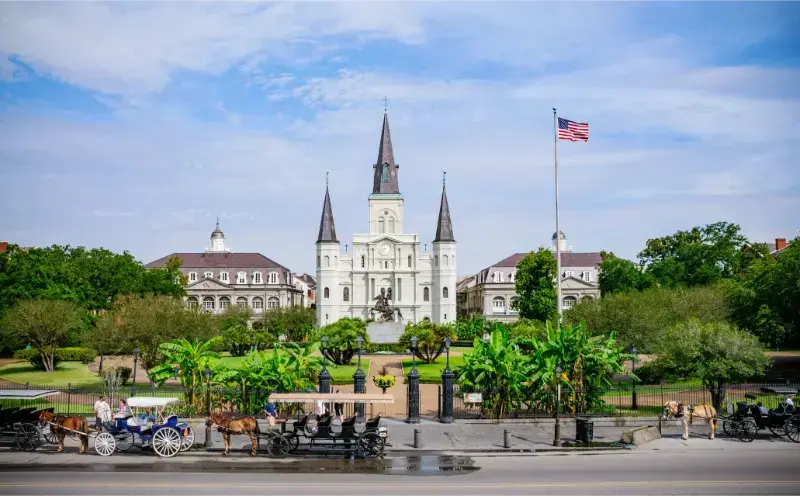
Jackson Square, St. Louis Cathedral, Royal Street and the riverfront form an efficient first orientation. The French Quarter is compact enough to explore on foot, and the walk from Jackson Square toward the French Market introduces historic architecture, courtyards, street performers and the Mississippi. Bourbon Street is one slice of the district rather than its definition. Royal Street is better for architecture, galleries and daytime wandering, while the lower Quarter near Esplanade makes an easy transition toward Marigny. Visit early once, return after dark for atmosphere, and use the rest of the trip to see how different New Orleans feels outside the Vieux Carré.
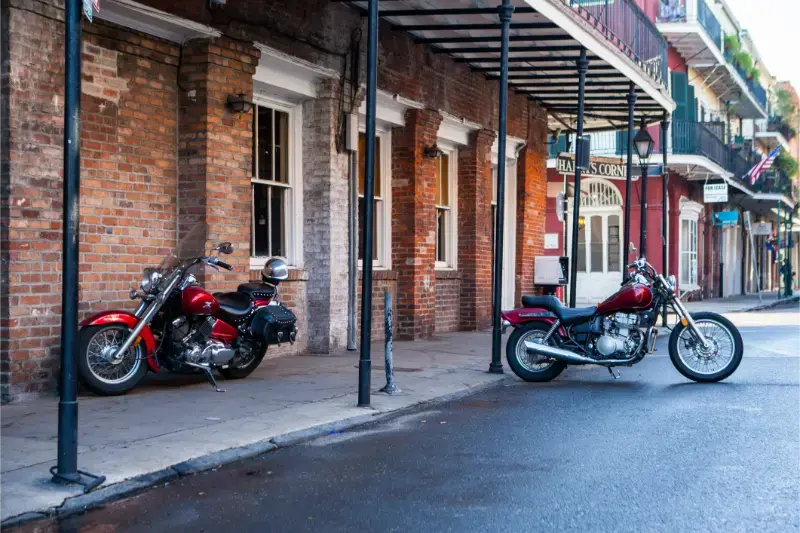
Build a neighborhood day around St. Charles Avenue
The St. Charles streetcar is more than transportation: it is one of the easiest ways to connect downtown with the Garden District and Uptown while seeing oak-lined avenues and historic homes. Get off near Washington Avenue for the Garden District, then walk toward Magazine Street for shops, cafés and lunch. Lafayette Cemetery No. 1 remains closed to the general public while repairs continue, so do not build a walking plan around entering it. The architecture can still be appreciated from public sidewalks, and there is enough in the district to fill several hours without treating private homes as attractions.
Make live music part of the itinerary, not an afterthought
New Orleans music works best when you leave room for it. Frenchmen Street in Marigny is an accessible choice for several venues within a short walk, while clubs and neighborhood bars elsewhere in the city can be more intimate. The New Orleans Jazz National Historical Park is a useful daytime introduction to the city’s musical history; its visitor center currently operates Tuesday through Saturday and closes on federal holidays and Mardi Gras. Check the park schedule and venue calendars shortly before the trip because performances change constantly. One planned show plus one spontaneous evening usually works better than trying to reserve every night.
Use museums to understand what the streets cannot explain
The city’s atmosphere is immediate, but its history is complex. The National WWII Museum is one of the major museums in the city and deserves several hours for travelers with an interest in twentieth-century history. For Louisiana and New Orleans context, combine smaller museums, historic houses and National Park Service interpretation rather than relying on one attraction. Tremé and Congo Square are especially important for understanding Black history and the roots of local music. A museum block in the warmest part of the afternoon also makes practical sense in summer, when long outdoor walks can become tiring.
Eat by dish and neighborhood rather than chasing one long list
A first visit should leave room for gumbo, a po-boy, beignets, red beans and rice, Gulf seafood and at least one more formal Creole meal if the budget allows. Crawfish is seasonal and is not equally good or available throughout the year. Instead of crossing the city repeatedly for one famous dish, group meals with the neighborhood you are already visiting: French Quarter and downtown one day, Garden District or Uptown another, then Tremé or Mid-City. Reservations matter most for celebrated dining rooms and major event weekends; casual po-boy shops and neighborhood cafés are usually better kept flexible.
Add the riverfront and one major green space
The Mississippi is central to the city’s geography even though visitors sometimes lose sight of it behind the French Quarter. Walk the riverfront near Jackson Square and consider the Algiers ferry for a simple change of perspective. City Park provides a completely different scale, with museums, gardens and broad outdoor areas away from the Quarter. Audubon Park is another good choice if your plans are already centered on Uptown. Choose one rather than trying to fit both into a short trip; New Orleans is more enjoyable when each day has breathing room.
Think carefully before booking a swamp excursion
Wetland landscapes are an important part of southern Louisiana, but access changes with storms, repairs and water conditions. Jean Lafitte National Historical Park’s Barataria Preserve has major construction closures in 2026: the visitor center and most trails are closed while Hurricane Ida repairs continue, with Twin Canals and the nearby Wetland Trace area providing limited alternatives. A commercial swamp tour can still be worthwhile, but compare departure locations, boat size and transfer time rather than choosing only on price. If wetlands are a major interest, the Atchafalaya Basin is better treated as its own Louisiana stop rather than squeezed into a rushed New Orleans day.
Stay where your evenings will actually happen
First-time visitors who expect to spend several nights in the French Quarter, CBD, Marigny and Warehouse District can usually manage without a car. The Garden District and Uptown work well for travelers who prefer quieter evenings and do not mind using streetcars or rideshares. Mid-City can be attractive for repeat visitors, especially around City Park. Hotel prices move sharply around Mardi Gras, Jazz Fest, conventions, football weekends and major festivals, so compare the event calendar before assuming that a random weekend will be inexpensive.
Give New Orleans at least three full days
Two nights can provide a taste, but three or four full days create a much better first visit. A balanced four-day plan is French Quarter and riverfront on day one; Garden District, Magazine Street and Uptown on day two; museums plus Tremé or Mid-City on day three; and a flexible fourth day for City Park, a food-focused route, music history or a regional excursion. This pacing avoids the common mistake of spending every daylight hour walking in the same crowded part of the Quarter.
Best time to visit
Late winter through spring offers major festivals and generally more comfortable walking weather, but this is also a high-demand period. Autumn can be excellent once the hottest weather eases, though Atlantic hurricane season officially runs from June 1 through November 30 and activity historically peaks around early September. Summer brings heat, humidity and afternoon storms; use early mornings, air-conditioned breaks and flexible plans. Always check a short-range forecast rather than assuming Louisiana weather from the calendar alone.
How long to stay
Plan three full days as a minimum for a first visit; four or five nights are better if food, museums and music are priorities. Add a separate day only if the excursion genuinely interests you. A swamp tour, plantation-history site or Baton Rouge day trip can consume much of a day once transfers are included.
Where to stay
Compare available accommodation for your dates, budget and preferred location before you finalize your route.
The French Quarter and Central Business District are easiest for first-time sightseeing; Marigny is convenient for music; the Garden District and Uptown are quieter and attractive for repeat visitors or families. Staying near the activities you want after dark reduces rides and makes the city easier to enjoy. Compare places to stay in New Orleans on Booking.com
Getting around and driving
A rental car is unnecessary for most city-only trips and can become a burden because parking is expensive and street rules can be confusing. Walk, use RTA streetcars and buses, and use rideshares selectively. If New Orleans is the first stop on a statewide road trip, consider collecting the rental car on the morning you leave the city rather than paying to park it for several days.
Food and local culture
New Orleans dining is part of the cultural experience. Learn the difference between Creole and Cajun traditions without treating either as a rigid label, and try dishes in more than one setting. A bowl of gumbo in Tremé, a po-boy in Mid-City or Uptown, beignets near the river and a formal Creole dinner can tell a broader story than ten meals in the same tourist corridor.
Traveling with children
Families can do very well in New Orleans by emphasizing daytime culture rather than nightlife. Streetcar rides, City Park, the aquarium, the zoo, riverfront walks and selected museums break up long walking days. In warm months, keep outdoor stretches short and schedule a pool or hotel rest in mid-afternoon. Bourbon Street after dark is not essential to understanding the city and can easily be skipped with children.
Safety and practical details
Use the same urban awareness you would use in any major visitor city: keep phones and bags secure in crowded areas, avoid poorly lit unfamiliar blocks late at night, and use a rideshare when the walking route feels uncertain. Weather is the other major planning issue. During hurricane season, follow the National Hurricane Center and local emergency information, and keep flexible reservations when a tropical system threatens the Gulf Coast.
A realistic itinerary
Day one: French Quarter, Jackson Square, Royal Street, French Market and riverfront, followed by live music. Day two: St. Charles streetcar, Garden District and Magazine Street, with dinner Uptown. Day three: a major museum, Tremé and an evening in Marigny. Day four: City Park or a carefully chosen wetlands excursion. This sequence limits backtracking and gives each neighborhood enough time to feel distinct.
Common planning mistakes
The most common errors are renting a car for a city-only stay, spending every meal and evening on Bourbon Street, underestimating summer heat, and booking major festival dates without checking hotel prices. Another mistake is treating local culture as a costume. New Orleans traditions are living practices tied to communities, history and religion; attend with curiosity and follow rules at cemeteries, second lines, churches and cultural events.
Official resources
- New Orleans & Company official visitor information
- New Orleans Jazz National Historical Park
- New Orleans Regional Transit Authority
- Jean Lafitte National Historical Park and Preserve
Related Louisiana guides
- French Quarter New Orleans guide
- Garden District New Orleans guide
- New Orleans food guide
- 7-day Louisiana road trip
- Best time to visit Louisiana
Frequently asked questions
Can you visit New Orleans without a car?
Yes. A first-time trip centered on the French Quarter, CBD, Garden District, Marigny and Uptown is usually easier without a car. Streetcars, buses, walking and occasional rideshares cover most visitor needs.
How many days are enough for New Orleans?
Three full days is a useful minimum. Four or five nights make it easier to add museums, music and neighborhoods without rushing.
Is Bourbon Street a must?
No. Walk it once if you are curious, but Royal Street, Frenchmen Street, Tremé, Magazine Street and the riverfront reveal very different sides of the city.
New Orleans becomes more rewarding when you plan less aggressively. Choose one anchor experience for each half-day, leave room for meals and music, and use the city’s neighborhoods to structure the trip. That approach produces a much richer visit than trying to collect every famous attraction in a single weekend.
Explore New Orleans beyond the essentials
- Marigny & Frenchmen Street New Orleans Guide: Live Music, Food, Architecture & Nightlife
- Tremé New Orleans Guide: Congo Square, Black History, Culture, Music & Walking Tips
- New Orleans City Park Guide: Sculpture Garden, Botanical Garden, NOMA, Kids & Free Things to Do
- New Orleans Mardi Gras Guide 2027: Dates, Parades, Where to Stay, Families & Practical Tips
- New Orleans Live Music & Jazz Guide: Best Areas, Venues, Etiquette & How to Plan a Night