

Rochester Minnesota Travel Guide: Downtown, Parks, Arts & Practical Planning. Rochester is best known internationally for Mayo Clinic, but a useful travel guide needs to look beyond medical travel. The city has a surprisingly walkable downtown, extensive trail connections, parks, arts venues and a practical indoor skyway-and-subway network that becomes especially valuable in winter or bad weather. It works as a purposeful overnight stop in southern Minnesota, a base for regional drives or a destination for travelers combining appointments with leisure time.
Why this destination belongs in a Minnesota trip
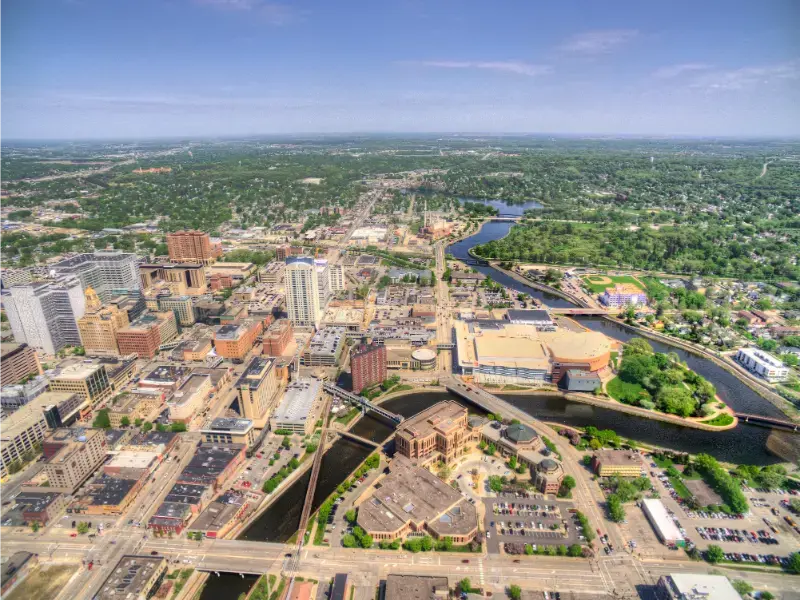
Downtown Rochester is organized around a pedestrian network that includes enclosed skyways and underground walkways. Experience Rochester notes that these connections link restaurants, shops and central buildings while helping visitors avoid weather extremes. Outside downtown, the city spreads quickly, so walking works best for the core while a car or local transport becomes more useful for parks and regional excursions.
Best things to do and how to plan them
Learn the downtown layout first
Rochester is much easier once you understand how street level, skyways and underground passages fit together. On the first walk, use a current map instead of assuming every corridor connects in the direction you expect. The network is useful, but private-building hours and event schedules can affect access. A short orientation walk on arrival saves time later and helps you identify restaurants, pharmacies, coffee shops and parking before you need them.
Rochester Art Center and riverfront
The Rochester Art Center gives the downtown a cultural stop that can fit into a half day without requiring a car. Pair it with a walk along the Zumbro River and nearby civic spaces rather than treating it as an isolated museum visit. Exhibition schedules change, so check what is on before going. The art center is especially useful when weather reduces the appeal of a long outdoor day.
Quarry Hill Nature Center
Quarry Hill Nature Center provides an easy way to add woods, trails and environmental education without leaving the city. It is a good choice for families, birders or anyone who needs a break from downtown. Trail surfaces and seasonal conditions vary, and winter can be a completely different experience from summer. Give yourself enough time to walk rather than arriving only for the indoor exhibits.
Silver Lake Park and connected trails
Silver Lake sits close to downtown and connects naturally with Rochester’s broader recreation network. The official tourism bureau highlights more than 100 parks and over 85 miles of trails across the city. That means you can use the lake as a starting point for walking or cycling rather than as a single stop. Summer rentals and services can be seasonal, so verify current availability before planning around a specific activity.
Plummer House and historic context
Plummer House and its grounds offer a quieter architectural and garden stop away from the downtown medical district. Access can vary around private events and seasonal maintenance, so check before making it the centerpiece of the day. It works best as part of a broader drive that includes a park, neighborhood or scenic route rather than as a stand-alone destination.
Food and downtown evenings
Rochester’s visitor mix supports a wider dining scene than many travelers expect from a city of its size. Downtown is convenient if you want to walk between dinner, a performance and your hotel, while other neighborhoods broaden the range. The city can be busy during conferences and major events, so restaurant reservations matter more than people sometimes assume.
Use the trail system strategically
The large trail network is useful for more than recreation. In good weather, walking and cycling can connect parks and neighborhoods while giving you a sense of the city beyond the downtown towers. Choose one coherent section instead of trying to cover mileage for its own sake. Summer heat, winter snow and spring flooding can all affect surfaces and river-adjacent segments.
Day trips in southeast Minnesota
Rochester can anchor a wider southeast Minnesota trip. River bluffs, small towns, state parks and the Driftless landscape become more accessible once you have a car. If your schedule includes a medical appointment or event, keep the day-trip portion flexible; traffic, appointment length or weather can make an ambitious regional loop unrealistic.
Where to stay
Compare available accommodation for your dates, budget and preferred location before you finalize your route.
The right base depends on what you want to do first in the morning and how much driving you are willing to accept after dinner. Compare the actual location of the property with your priority stops instead of choosing only by price or star rating.
- Downtown if appointments, dining and indoor pedestrian connections are priorities.
- Near major road corridors if Rochester is primarily a road-trip overnight.
- A quieter outer neighborhood if you prefer parking ease and plan to drive to parks or regional attractions.
Compare current accommodation options for Rochester Minnesota and choose a base that fits the actual shape of your itinerary.
Check hotels and staysGetting there and getting around
Rochester is unusually comfortable for downtown pedestrians, but that does not mean a car is unnecessary for every visit. Decide based on your schedule. If most of your time is central, avoid paying for a vehicle that sits in a garage. If you want Quarry Hill, regional drives or multiple outer-neighborhood stops, a car becomes more useful. Check current parking rules and transit information before arrival.
Best time to visit
| Season | What to expect |
|---|---|
| Spring | Variable temperatures and greening parks; rain can affect river trails. |
| Summer | The easiest season for trails, parks and outdoor events, with occasional heat and storms. |
| Fall | Comfortable walking weather and regional color, especially useful for southeast Minnesota drives. |
| Winter | Cold and snow make the skyway/subway network especially valuable. Build more indoor flexibility into the schedule. |
Seasonal conditions should change the itinerary, not just the clothing list. In Minnesota, water temperature, snow, insects, daylight and weekend demand can all alter what is realistic. Check official park, road and attraction information shortly before departure, especially when the trip depends on a trail, boat, ice access or scenic road.
How long to stay
One day
Learn the downtown pedestrian network, visit the Art Center, walk the riverfront and finish with dinner.
Two days
Add Quarry Hill, Silver Lake and a second cultural or neighborhood block.
Three days
Use Rochester as a base for a southeast Minnesota drive or a slower day focused on trails and parks.
Practical planning tips
- Build one weather-proof alternative into each day. A museum, town walk, cafe block or short trail can save the schedule when wind, storms or smoke change the outdoor plan.
- Download maps and reservation details before leaving strong mobile coverage. Northern and lake-country Minnesota still has areas where service is inconsistent.
- Keep drive days realistic. Scenic roads create natural delays because you will stop more often than a navigation app assumes.
- Reserve the scarce item first: a cabin, campground, boat, guided activity or peak-season restaurant. Leave flexible experiences unbooked so the day can adapt.
- Treat water seriously. Lake Superior and large inland lakes can be cold, windy and fast-changing even when the sky looks calm from shore.
Common mistakes to avoid
- Assuming Rochester has nothing to do outside the medical district.
- Ignoring the skyway/subway map until bad weather arrives.
- Renting a car automatically when a downtown-only trip may not need one.
- Planning trail time without checking seasonal conditions.
- Overloading a day that also contains appointments or conference commitments.
Frequently asked questions
Is Rochester Minnesota worth visiting for leisure?
Yes. Parks, trails, arts and a practical downtown make it a useful southern Minnesota stop, especially when combined with regional travel.
Can you visit Rochester without a car?
For a downtown-focused stay, often yes. A car becomes more valuable for outer parks and day trips.
How many days are enough?
One to two days cover the city’s main visitor experiences; add a third if you want a regional excursion.
Continue planning Minnesota
Official resources to check before your trip
A good Rochester Minnesota travel guide should leave room for conditions and for the places that turn out to deserve more time than expected. Use the schedule as a framework, keep one block uncommitted, and let weather, energy and local advice decide where that extra time goes.
How to make the trip feel less rushed
The most effective way to improve this itinerary is to separate travel time from experience time. Do not count a two-hour relocation as if it were part of a hiking, museum or lake block. Arrive, park, orient yourself and then start the activity. This small distinction prevents the common pattern of reaching the best stop late, hurrying through it and spending the evening catching up on a schedule that was too ambitious from the beginning.
Also look at the day in terms of energy rather than attractions. A steep trail, long paddle or cold-weather outing can use more energy than several hours in a city. Pair demanding activities with a simple meal and easy evening. On another day, combine shorter walks, local shops and a museum. Alternating intensity makes a multi-day Minnesota trip much more sustainable.
Finally, protect the first and last hour of daylight when scenery is one of the reasons you came. Sunrise and late afternoon often produce calmer roads, softer light and quieter viewpoints. You do not need to photograph everything; the goal is to give at least one part of the trip enough time to become memorable without immediately checking the next stop.