

Route 66 Illinois Road Trip: Chicago to the Mississippi with the Best Stops and Practical Tips. A practical Illinois Route 66 guide for travelers who want the Mother Road experience without turning every roadside marker into a mandatory stop.
Choose the length of stay, reserve the experiences that matter most, and group stops that fit naturally together. Compare driving with other transport options, and leave out distant attractions when reaching them would consume time you would rather spend at the main destinations. The goal is a trip that still works when traffic, weather, crowds or normal delays change the day.
- Distance: about 301 miles through Illinois
- Best trip length: 3–5 days depending on museum and photo-stop depth
- Strongest anchors: Chicago, Pontiac, Springfield and the southwest Illinois corridor
- Best strategy: choose a few major stops, then leave room for spontaneous roadside discoveries
- 2026 factor: Route 66 is celebrating its centennial, increasing events and interest along the corridor
Begin in Chicago with context, not just a sign photo
Route 66 begins its westbound story in Chicago, but the city deserves more than a starting-line photo. Spend at least one or two nights in Chicago before collecting the car so the road trip begins with architecture, food and lakefront context rather than airport traffic.
On departure day, pick up the car after the morning commute when possible. The first Route 66 miles pass through a dense urban environment where historic alignments and modern streets can be confusing, so use a reliable route guide rather than assuming GPS will follow the heritage road automatically.
Joliet: make the first stop meaningful
Joliet is close enough to Chicago that it should be treated as the first major orientation stop rather than an overnight by default. Choose a museum, historic downtown stop or Route 66 attraction and allow time to understand how the road leaves the metropolitan area.
The biggest first-day mistake is spending too long in Chicago, then trying to compensate by racing through every roadside stop to Pontiac. Set a hard departure time and keep the early list short.
Wilmington and the Gemini Giant corridor
Classic roadside icons are part of the fun, and the Wilmington area provides exactly the kind of visual Americana many travelers expect from Route 66. Stop, photograph, eat or browse when something genuinely interests you, but resist the urge to turn every fiberglass giant into a 30-minute event.
A good rule is to choose one quirky stop between larger towns. That keeps the drive playful without destroying the schedule.
Pontiac: one of the strongest Route 66 bases for a half-day
Pontiac stands out because museums, murals and a compact downtown provide historical depth. It is where the route starts to feel like more than a sequence of vintage signs. Plan two to four hours depending on museum interest.
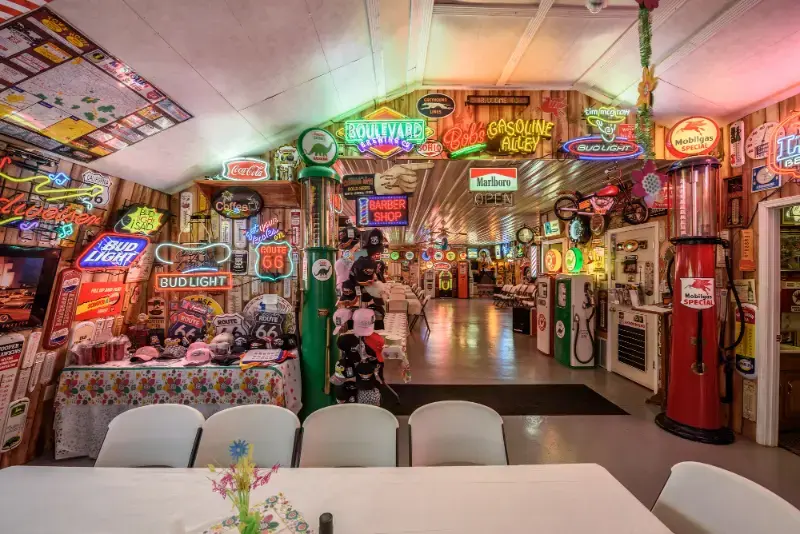
If you are traveling slowly, Pontiac can be an overnight. For most first-time itineraries, continue toward Bloomington-Normal or Springfield after a substantial visit.
Bloomington-Normal, Atlanta and Lincoln: choose rather than collect
This central Illinois section contains enough roadside history to fill an entire day, but you do not need to stop in every town. Bloomington-Normal is practical for services and larger attractions; Atlanta and Lincoln provide smaller-scale Route 66 character.
Choose one deeper stop and one short stop. Arriving in Springfield before dinner is usually more valuable than squeezing in three extra photos at dusk.
Springfield: the key two-theme overnight
Springfield is the strongest overnight on the Illinois Route 66 segment because it combines Mother Road culture with Abraham Lincoln history. Even travelers focused primarily on Route 66 should give the city at least one full day; two nights is the most comfortable arrangement.
The Illinois State Fairgrounds Route 66 Experience, classic diners, signs and roadside sites can be combined with the Lincoln Home, presidential museum or Old State Capitol. This mix is what prevents the road trip from becoming visually repetitive.
Litchfield and the approach to southwest Illinois
South of Springfield, Litchfield is a useful Route 66 stop for classic roadside atmosphere and services. Continue toward the metro-east corridor with a relaxed pace rather than trying to cross into Missouri late at night.
If you plan to visit Cahokia Mounds or the Mississippi riverfront area, sleep on the Illinois side and treat the next morning as the transition into St. Louis or the next state.
2026 Route 66 centennial: use events strategically
Illinois is marking the Route 66 centennial with events throughout 2026, including programs in Springfield and corridor communities. Special events can add unique value, but they can also increase hotel demand and road traffic.
If a centennial event is a priority, reserve that night first and build the road trip around it. If it is not a priority, check the calendar anyway so you are not surprised by sold-out rooms or road closures.
Historic alignment versus fastest route
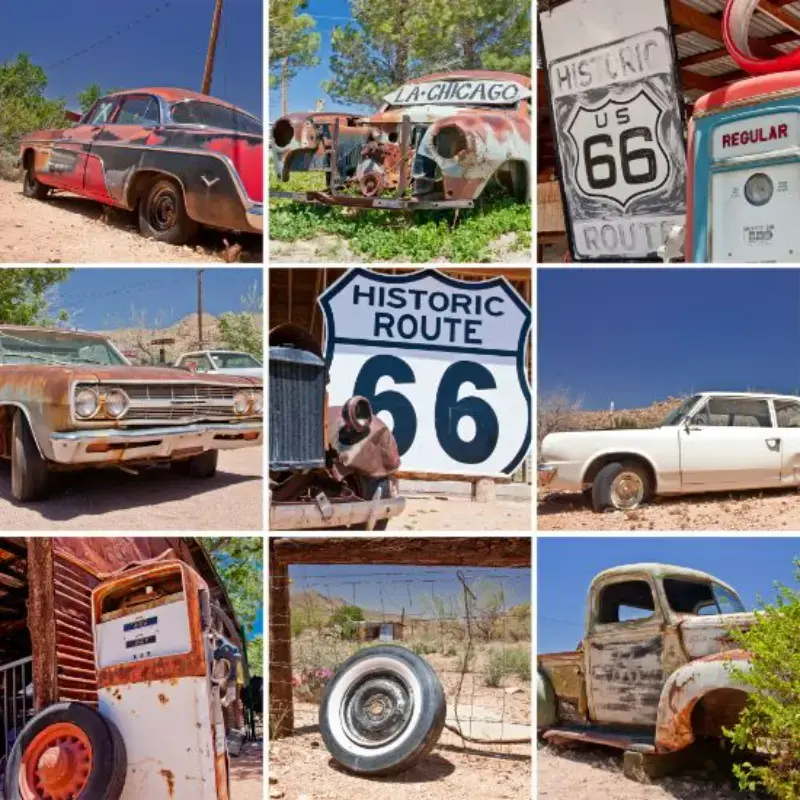
A Route 66 road trip is slower because the historic road is not a single modern highway. Alignments changed over time, towns have bypasses and GPS often tries to return you to the interstate. Download maps and know which heritage alignment you intend to follow.
Use the interstate selectively when the day falls behind. Purism is less important than arriving safely with enough daylight to enjoy the next town.
How many days? 3, 4 or 5
Three days works for Chicago departure, Pontiac, Springfield and a final southwest Illinois day. Four days is better because it gives Springfield proper time. Five days suits travelers who love roadside museums, diners and photography.
Do not count the full Chicago sightseeing stay inside those numbers. Route 66 begins in Chicago geographically, but a city visit and a heritage-road drive have different pacing needs.
Fuel, food and restroom planning
Illinois Route 66 passes through many communities, so this is not an isolated desert drive. Even so, small museums and independent businesses can have limited hours. Do not assume the exact diner or attraction you saved will be open when you arrive.
Fuel before the tank becomes low and use larger towns for predictable services. That gives you freedom to stop at smaller roadside places without making them responsible for every practical need.
Photography without blocking the trip
Classic Route 66 stops are made for photos, but roadside safety matters. Pull fully into designated parking, avoid stopping on shoulders where visibility is poor, and do not walk into active roads for a better angle.
Early and late light can be beautiful, but museums and shops may be closed. Balance photography timing with the opening hours of the places where you want historical context.
Compare the total accommodation cost first, then check rental-car prices if your Illinois itinerary extends beyond a single walkable city base.
- Springfield Illinois travel guide
- Illinois road trip
- Chicago travel guide
Frequently asked planning questions
How long is Route 66 in Illinois?
The official Illinois tourism route highlights about 301 miles through the state, from Chicago through central Illinois toward the Mississippi and the St. Louis area.
How many days do I need?
Three is the minimum for meaningful stops; four or five is better if you want museums, diners and historic-town time without rushing.
Can I drive it with a normal rental car?
Yes. A standard car is suitable for the paved Route 66 itinerary. Focus on insurance, fuel policy and one-way fees rather than vehicle size.
Should I follow Route 66 instead of the interstate all day?
Follow the historic route when it adds scenery and stops, but use faster roads selectively when weather, darkness or timing make them safer and more practical.
What is the best overnight?
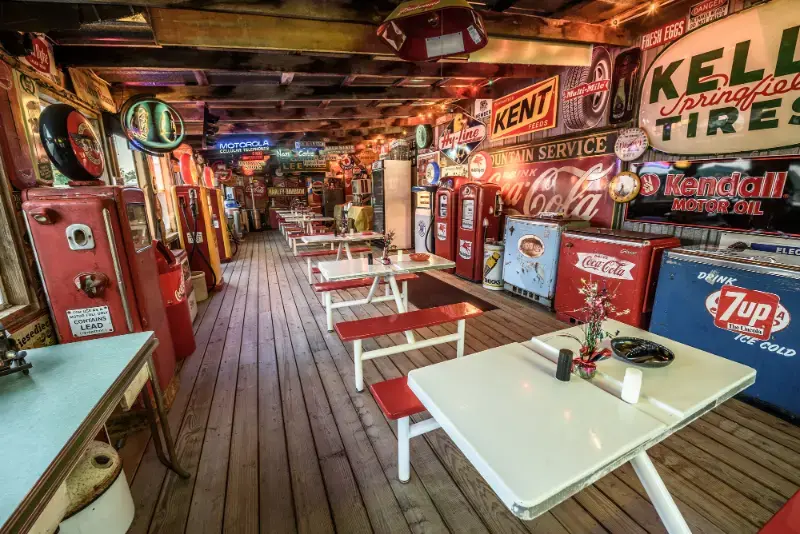
Springfield is the strongest overnight because it combines Route 66 culture with major Lincoln attractions and enough restaurants and hotels for a comfortable two-night base.
Practical decision guide
If your itinerary is already crowded, decide what Route 66 Illinois Road Trip is supposed to add to the trip. Route 66 is most enjoyable when the road remains the experience rather than a performance test. Choose a small number of places you care about, leave gaps for unexpected diners or murals, and use the interstate when necessary to protect the quality of the next major stop. Keep the stop when it creates a different experience, shortens a long driving day, or gives you access to something that cannot be replicated at the next destination. Cut it when it creates backtracking only to repeat the same type of museum, viewpoint, shopping district or roadside stop you already have elsewhere.
Build each day around one fixed priority and two flexible secondary stops. Reserve limited-capacity tours first, then place free or untimed attractions around them. For road-trip days, calculate from hotel door to hotel door rather than using only the headline drive time: parking, fuel, food, construction, restrooms and photo stops can easily add an hour or more.
Weather should usually change the order of the day rather than cancel the day. Put museums, visitor centers or long meals into the hottest, coldest or stormiest hours, and use the more comfortable part of the day for walking, overlooks and outdoor stops. This is especially useful in Illinois, where conditions can change quickly between the Lake Michigan shoreline, central prairie and southern hills.
Families and multigenerational groups generally have a better trip with fewer transitions. Two substantial experiences, a comfortable meal and one flexible outdoor stop often feel fuller than five rushed attractions. The same principle helps with accessibility: check parking-to-entrance distances, stairs, terrain and rest opportunities before committing to a tightly timed sequence.
Finally, protect the onward journey. Avoid using every remaining daylight hour if the next overnight requires an unfamiliar rural drive. Arriving with enough daylight to find parking, eat and settle in is part of efficient road-trip planning, not lost sightseeing time.
Final planning take
The strongest Illinois trips are selective. Reserve the experiences that truly depend on time slots, use geography to group the rest, and protect enough open time for weather, food and spontaneous stops. A trip with fewer hotel changes and better route logic usually delivers more of the state than an itinerary that tries to collect every famous name.