

San Francisco is one of the easiest major U.S. cities to explore without a car, but it still rewards careful planning. The city is compact on a map and much less compact on your legs: steep hills, microclimates and neighborhoods with very different personalities can turn a short distance into an entire afternoon.
This San Francisco travel guide focuses on what first-time visitors actually need to know—how many days to stay, where to base yourself, how to use Muni and BART, which iconic experiences are worth prioritizing, and how to move beyond Fisherman’s Wharf into the neighborhoods that make the city memorable.
In this guide
- At a glance
- Why SF is different
- How many days
- Where to stay
- Getting around
- Golden Gate
- Alcatraz
- Cable cars
- Chinatown/North Beach
- Mission/Castro
- Golden Gate Park
- Wharf
- Food
- With kids
- 3-day plan
- Day trips
- California road trip
San Francisco at a glance
| Question | Practical answer |
|---|---|
| How many days? | 3 days is a strong minimum; 4 days allows neighborhoods and a day trip |
| Do you need a car? | Usually no for the city; rent only when leaving for coast, wine country or Yosemite |
| Best first-time areas to stay | Union Square, Embarcadero, Nob Hill, Fisherman’s Wharf depending priorities |
| Best season | September–October often offers pleasant weather; layers are useful year-round |
| Must-book attraction | Alcatraz if it is important to you |
Why San Francisco is a different kind of California city
San Francisco rewards short distances and slow movement. You can cross from a Chinese-American neighborhood into North Beach, climb toward a viewpoint, ride a cable car and finish on the bay without ever feeling like you traveled through the same city. That density is the opposite of Los Angeles and makes a car more burden than benefit for most visitors.
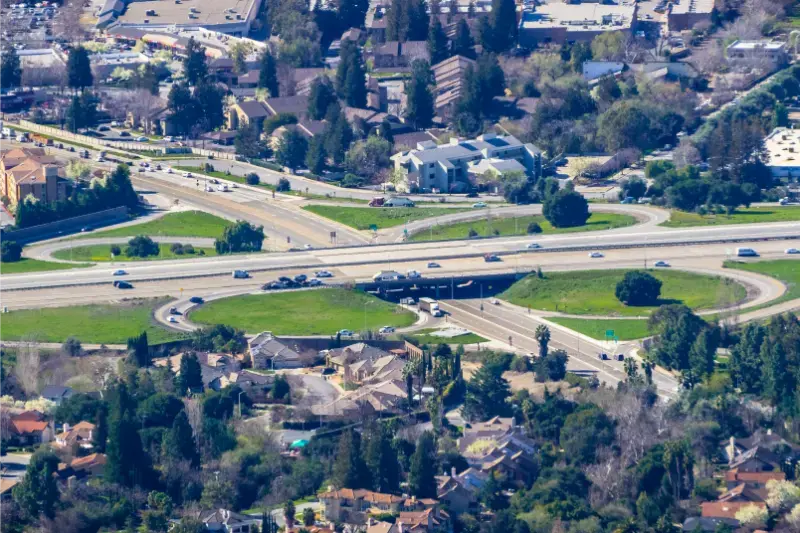
The city also has strong microclimates. A sunny afternoon in the Mission can coexist with cold wind and fog near the Golden Gate. Dress in layers even in summer and treat the weather as part of the city rather than a failure of the forecast.

How many days do you need?
Three days gives a first-time visitor enough time for the Golden Gate/Presidio, waterfront and Alcatraz, plus one neighborhood-focused day. Four days is better if you want museums, Golden Gate Park or a slower pace. A one-day stop from a California road trip can show you the icons but misses the texture that makes San Francisco special.
Where to stay in San Francisco
Compare available accommodation for your dates, budget and preferred location before you finalize your route.
Union Square
Union Square has the city’s largest concentration of hotels and strong public-transit access. It is convenient rather than romantic, and the quality of the surrounding street experience varies by direction. It is a practical first-time base when hotel choice and transit matter most.
Embarcadero / Financial District
The Embarcadero gives easy waterfront walks, ferry access and BART/Muni connections. It is especially good for travelers who want a clean logistical base and early access to the Ferry Building or bay excursions.
Nob Hill
Nob Hill provides classic San Francisco atmosphere, hills, cable-car access and proximity to Chinatown/Union Square. It suits travelers who value character and do not mind steep walking.
Fisherman’s Wharf
The Wharf is highly tourist-oriented, but it is convenient for families, Alcatraz ferries and waterfront attractions. Stay here if that convenience matters; do not assume you need to spend every evening in the same district.
Compare accommodation: compare hotels and other stays on Booking.com.
Getting around San Francisco in 2026
Muni buses, light rail, streetcars and cable cars cover the city, while BART is useful for airport connections and regional travel. Walking fills the gaps but hills are real; a route that looks short can involve a steep climb.
As of September 1, 2026, adult riders can use contactless bank cards on Muni readers for single rides, while visitor passes and cable-car products remain available through the established channels. Check SFMTA before travel because fare products and app rules can change.
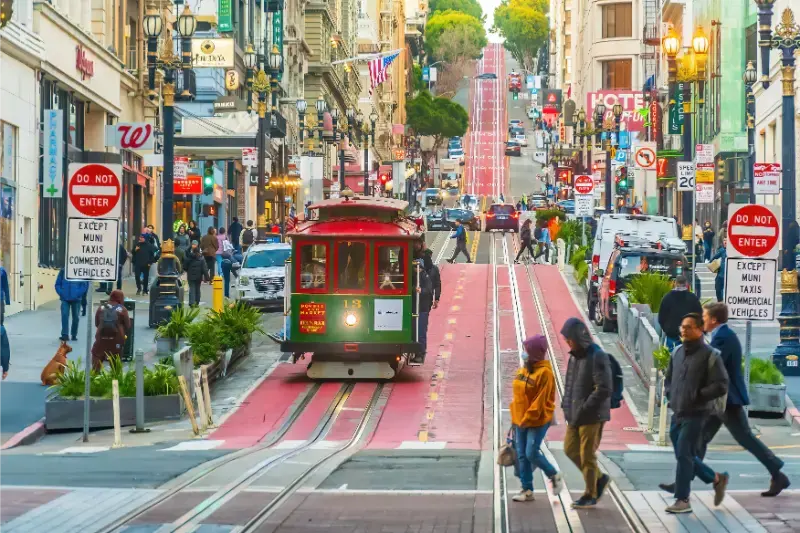
A rental car is rarely useful for a central city stay. Parking is expensive, break-ins are a concern and most major visitor areas have better alternatives. If San Francisco sits in the middle of a road trip, return the car when you arrive and collect another when you leave if the rental economics make sense.
The Golden Gate Bridge and Presidio
The Golden Gate Bridge deserves more than a drive-over photo. Walk part of the span if weather and mobility allow, explore Presidio viewpoints, and consider how the bridge connects to the Marin Headlands across the bay. Morning and late afternoon light can transform the views, but fog is part of the experience and can arrive quickly.
Presidio Tunnel Tops and surrounding open spaces make the area especially good for families and for travelers who want a scenic day without constant paid attractions.
Alcatraz: worth it, but plan ahead
Alcatraz is one of the city’s genuinely distinctive experiences because the boat ride, island setting and history work together. If it is a priority, book the official ferry in advance—especially for weekends and peak travel periods.
Allow enough time that the tour does not collide with another timed attraction. The bay crossing can also be cold and windy even when downtown is mild.
Cable cars: ride them as transportation and history
Cable cars are iconic because they are still functional transit, not merely a museum demonstration. Lines can be long at terminal points, so consider boarding at an intermediate stop or riding outside the busiest period. One ride is often enough to understand the experience; do not design the whole day around queueing for it.
Chinatown, North Beach and the northeast neighborhoods
Chinatown and North Beach combine naturally on foot. Start with markets, temples, bakeries and side streets in Chinatown, then move toward North Beach for cafés, Italian-American history and Beat-era landmarks. Continue toward Coit Tower or the waterfront if your legs are willing.
These neighborhoods are a good example of San Francisco at its best: dense, walkable and culturally layered. Give them time beyond the main commercial streets.
The Mission and Castro
The Mission offers murals, food, Dolores Park and a street life very different from the waterfront. The Castro adds LGBTQ+ history and another strong neighborhood identity. They pair well on a day focused on local culture rather than major monuments.
Come hungry. The Mission burrito is an iconic San Francisco food experience, but the neighborhood’s restaurant scene extends far beyond one dish.
Golden Gate Park, Richmond and Sunset
Golden Gate Park can fill a full day with museums, gardens, open space and family attractions. The Richmond and Sunset districts around it add restaurants and a more residential version of the city. Continue west to Ocean Beach if the weather is cooperative, but expect cooler, windier conditions than downtown.
Fisherman’s Wharf: how to enjoy it without getting stuck there
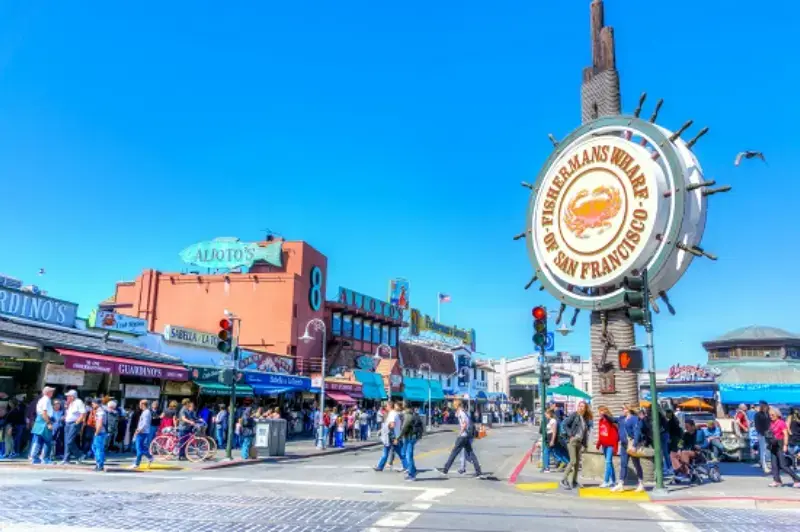
The Wharf is worth seeing for first-time visitors, especially with children or before an Alcatraz departure. Sea lions at Pier 39, maritime history and bay views are legitimate attractions. The mistake is spending all of your San Francisco time there. Use it as one chapter, then move into North Beach, the Presidio or other neighborhoods.
Food experiences worth building around
San Francisco’s food identity includes sourdough, seafood, Chinese-American history, Mission burritos, farmers markets and a deep modern restaurant culture. The Ferry Building is an easy introduction, but neighborhood dining often gives a stronger sense of place.
Do not cross the city for every famous restaurant. Choose food near the neighborhood you are already exploring and save one destination meal for something genuinely special.
San Francisco with kids
Families can combine the Exploratorium, California Academy of Sciences, cable cars, Presidio open spaces and waterfront experiences. The biggest practical issue is hills: a stroller route should be planned differently from an adult walking itinerary. Muni can save energy between neighborhoods.
A first-time 3-day itinerary
- Day 1: Golden Gate Bridge + Presidio + Marina/waterfront, with a cable-car or North Beach evening.
- Day 2: Alcatraz + Fisherman’s Wharf, then Chinatown and North Beach.
- Day 3: choose Golden Gate Park/Richmond/Sunset or Mission/Castro based on interests.
Best day trips from San Francisco
Muir Woods/Marin, Napa/Sonoma and the Monterey Peninsula are popular ideas, but they require very different logistics. Wine country is best when you plan transportation around tasting. Muir Woods can require reservations depending on parking/shuttle arrangements. Monterey is a long day and often better as an overnight on a California road trip.
Yosemite should not be treated as a casual day trip if you can avoid it. The distance, park traffic and scale of the landscape justify multiple nights.
How San Francisco fits into a California road trip
San Francisco is a natural northern anchor for the classic two-week California route. Arrive from Monterey/Carmel, spend three car-free nights, then continue to Yosemite or wine country. That sequencing minimizes parking costs and keeps the city portion distinct from the driving portion.
Common San Francisco mistakes
- Bringing a rental car into the city for several days without a clear need.
- Packing only summer clothing because the trip is in July or August.
- Spending most of the visit at Fisherman’s Wharf.
- Trying to walk every hill instead of using Muni strategically.
- Booking Alcatraz too late.
- Planning Yosemite as a rushed same-day excursion.
- Ignoring neighborhood dining in favor of only waterfront restaurants.
Official planning sources
- San Francisco Travel — official visitor information
- San Francisco Travel – Neighborhoods — neighborhood orientation
- SFMTA — current Muni fares, routes and visitor transport
- Alcatraz Cruises / City Experiences — official concessioner ferry information
Keep planning California
Use the California travel guide to connect San Francisco with Yosemite, the Central Coast and other California destinations. If you are building a first trip, compare this city with Los Angeles rather than assuming the two require the same transport strategy.
Explore San Francisco in depth
Use these focused guides to turn the city overview into a complete first-time plan: best things to do, best neighborhoods to stay and a realistic 3-day itinerary.
North of San Francisco, continue into wine country with our Napa Valley and Sonoma County guides.
Heading inland? Our San Francisco to Yosemite guide compares the main routes and realistic timing.