

Destinations › Southeast USA › Georgia travel guide › Savannah Travel Guide: Squares, History & How to Explore It Well
Savannah is easy to see badly because it looks easy to see. The Historic Landmark District is compact, photogenic and walkable, which encourages visitors to race through squares, River Street and a trolley route in a few hours. The better trip slows down, uses the squares as a street network, gives history more context and schedules outdoor walking around heat rather than forcing the city into an all-day midday march.
Two full days is the practical minimum for a first visit; three nights is better if you want a museum, Bonaventure Cemetery, a food-focused evening or an excursion to Tybee Island or Fort Pulaski. Savannah also combines naturally with the Georgia coast, making it a stronger base in a multi-stop itinerary than a single hurried overnight between Charleston and Florida.
Savannah at a glance
| Best for | Historic architecture, walkability, squares, food, museums and atmospheric evenings |
| Ideal stay | 2–3 full days |
| Best base | Historic District if this is your first visit |
| Car strategy | Park once; walk and use free downtown transit where practical |
| Summer challenge | Heat, humidity and thunderstorms |
| Natural next stop | Tybee Island, Golden Isles or Charleston |
Understand the squares before you start walking
Savannah’s famous squares are not individual attractions that must be checked off. They form part of the historic street plan and create a rhythm of shade, monuments, churches, homes and public space. Visit Savannah currently describes 23 park squares in the Historic Landmark District. The experience is strongest when you link several on foot and notice how the city changes between them instead of chasing a prewritten “best five” route.
Start early in warm weather. Morning gives softer light, fewer tour groups and cooler sidewalks. Midday can become museum, lunch or hotel-break time, then the city becomes comfortable again toward evening. This simple schedule is one of the biggest upgrades you can make to a summer Savannah trip.
Historic District: walk it in layers
The Historic District contains churches, museums, squares, residential streets, shops and the riverfront. Rather than zigzagging, divide it into north, central and south sections. River Street and City Market sit toward the northern end; Forsyth Park anchors the south. The blocks between them contain much of what makes Savannah special, so do not use a trolley only as a way to skip those streets.
A guided walking tour can be valuable on the first morning, especially if you want architectural or African American history. Choose a tour for expertise rather than a promise to cover everything. Savannah’s stories are complicated, including colonial development, slavery, war, Reconstruction, preservation and modern tourism. Good interpretation should add context, not reduce the city to ghost stories or movie locations.
River Street is part of Savannah, not the whole of Savannah
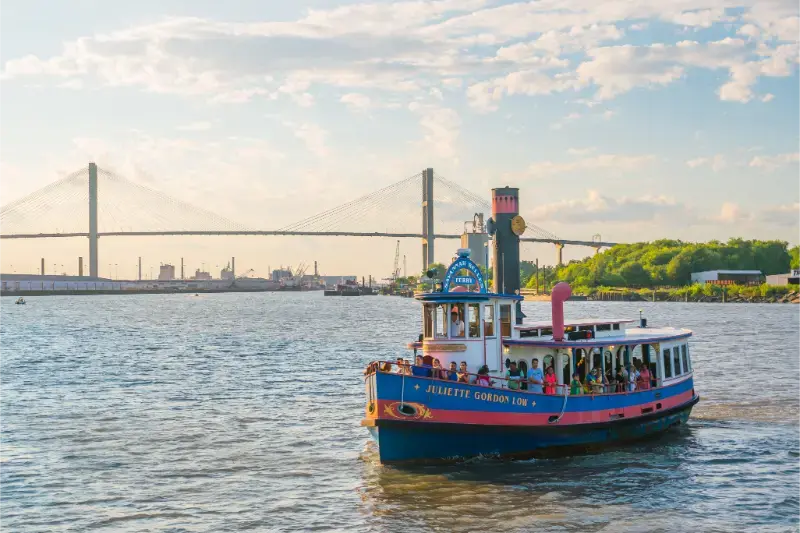
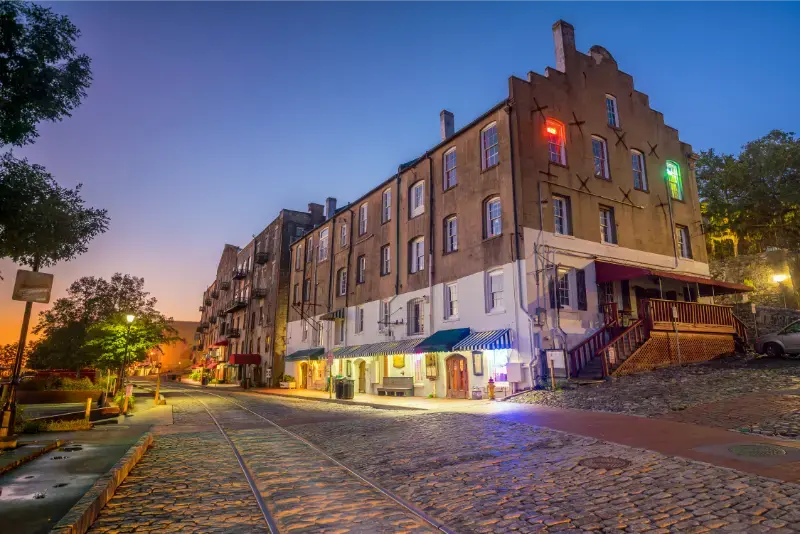
The waterfront is lively and historically important, but a trip built entirely around River Street misses the city’s strongest residential and civic spaces. Walk the riverfront once, especially near sunset or early evening, then return uphill for squares, museums and neighborhood streets. Cobblestones, ramps and level changes can be challenging for some visitors, so accessibility planning matters.

Use Savannah’s free DOT shuttle and parking intelligently
Savannah’s downtown DOT shuttle is free and can help when heat, mobility or fatigue makes another long walk unattractive. The city also operates garages, surface lots and metered parking. As of 2026, the city’s Visitor Day Pass is listed at $15 for 24 hours or $24 for 48 hours, with specific restrictions and purchase requirements. Rates, event rules and availability can change, so check the city’s current parking page before relying on a pass.
For most visitors staying in the Historic District, the ideal car day is boring: park once and leave it. Moving the car between squares wastes time and introduces one-way streets, meter rules and garage exits into a city that is best experienced on foot.
Do not skip the south end of the district
Forsyth Park is a natural destination, but the walk toward it is the real pleasure. Jones Street, residential blocks and smaller squares let you experience Savannah outside the busiest visitor corridors. If you have two days, make one morning about these quieter streets rather than saving them for a rushed final hour.
History deserves more than pretty facades
Savannah’s preserved architecture can make the city feel frozen in an attractive past, but the history behind that architecture includes enslavement, commerce, war and community change. Museums and house sites vary greatly in how they interpret that history. Read current descriptions, choose at least one site that addresses social history directly and avoid assuming that every historic house tells the same story.
Bonaventure Cemetery: worth the extra transfer
Bonaventure lies outside the main walking core and works best as a dedicated half-day element rather than a quick add-on. Its landscape, monuments and cultural history reward visitors who enjoy cemeteries, sculpture and local stories. Follow cemetery rules, avoid climbing on monuments and remember that it remains an active burial place.
Tybee Island: day trip or separate stay?
Tybee can add beach time to a Savannah trip, but it should not be treated as a guaranteed quick escape during peak traffic or event periods. If the beach is central to your vacation, sleep on Tybee for a night or two. If you mainly want Savannah, use Tybee as a weather-dependent excursion and keep your Historic District hotel.
A realistic two-day Savannah plan
Day 1: orientation, central squares and riverfront
Start with a history-focused walk through central squares, visit one meaningful museum or historic site, take a long lunch or hotel break during the hottest part of the day, then return for the northern district and riverfront in late afternoon. Dinner should be nearby; there is no need to drive across town.
Day 2: Forsyth, residential streets and one deeper experience
Walk south toward Forsyth Park early, explore quieter streets and choose one deeper experience: another museum, Bonaventure Cemetery, an architectural tour or a food-focused afternoon. If you have a third day, that is where Tybee Island or Fort Pulaski fits more comfortably.
Savannah mistakes that reduce the trip
- Visiting only River Street and City Market.
- Trying to move the car between every attraction.
- Doing the longest walking day at 1 p.m. in July or August.
- Booking a hotel outside the walkable core without calculating daily parking and rideshares.
- Choosing only entertainment-oriented tours and missing historical interpretation.
- Attempting Savannah, Tybee Island and the Golden Isles in one rushed day.
- Assuming every beautiful historic site is fully accessible; check individual properties in advance if mobility matters.
Continue planning Georgia
- Best Things to Do in Savannah
- Where to Stay in Savannah
- Georgia Coast & Golden Isles Guide
- Best Time to Visit Georgia
- Georgia Travel Guide
Where to stay and how to compare hotels
Compare available accommodation for your dates, budget and preferred location before you finalize your route.
Affiliate disclosure: we may earn a commission from qualifying bookings at no extra cost to you. Compare Savannah Historic District hotels, stays near Forsyth Park and Tybee Island hotels. Do not compare only the headline nightly rate: parking, resort or destination fees, breakfast, location, transit access and cancellation terms can change the real cost of a stay. In Georgia, the best-value hotel is often the one that removes a daily parking problem or an unnecessary cross-city drive.
Useful official resources
- Visit Savannah
- Visit Savannah getting around
- City of Savannah visitor parking passes
- Fort Pulaski National Monument
Food planning without spending the trip in reservation mode
Savannah has high-demand restaurants, especially on weekends, but every meal does not need to become an event. Reserve one or two dinners that matter, then leave lunches flexible around your walking route. This also protects the itinerary if a museum visit runs long or afternoon heat pushes you back to the hotel.
Accessibility and the historic fabric
Historic streets, stairs, uneven surfaces and old buildings can create access challenges. Visitors with mobility needs should confirm elevator access and entrances directly with individual museums and hotels. Savannah can still be an excellent accessible trip, but the most atmospheric route is not always the easiest route, particularly around River Street.
One more planning detail worth knowing
Savannah also rewards repetition. Walk the same square once in bright afternoon light and again after dinner and it feels different. That is why three nights often feels disproportionately better than one: the second morning is no longer orientation. You begin recognizing routes, choosing your own benches and restaurants, and using the city rather than consuming it as a sequence of landmarks.