

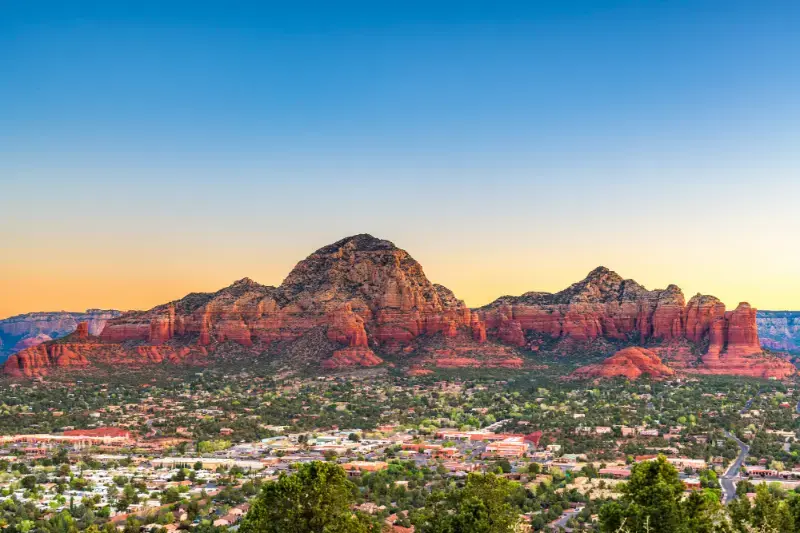
Sedona’s red rocks begin shaping the visit before you reach a trailhead. Driving north on Highway 179, you see formations rise beyond the road, with enough space between them to understand their size. Later, the same rocks become the backdrop to a café stop, a gallery courtyard, or the walk back to your room. The scenery is woven through the town rather than saved for one remote excursion.
A good first stay combines a few chosen outdoor experiences with time to enjoy that setting. You can scramble on a demanding trail, take a gentler walk beneath the formations, visit the chapel, or browse art without making every day physically ambitious. Two or three nights give those choices a more relaxed shape, especially when weather or trailhead access changes a plan.
Compare available accommodation for your dates, budget and preferred location before you finalize your route.
Understand the areas before choosing your base
Uptown sits around a busy visitor district with shops, restaurants, and tour departures. It suits travelers who want that activity close by and are happy with its traffic and visitor atmosphere. Check the actual hotel-to-restaurant walk, including crossings and slopes. A property described as near Uptown may still require a drive for the evenings you have in mind.
West Sedona spreads along a different section of State Route 89A, with everyday services and access to western trail areas. Accommodation here can be useful when your plans point in several directions. Compare the position of a property with the trailhead and meal locations you will use; being in West Sedona does not make every outing a short walk from the door.
The Village of Oak Creek lies farther south near the Highway 179 approach and the Bell Rock area. Oak Creek Canyon extends north toward Flagstaff and is a separate landscape and lodging choice. Similar names can cause expensive booking mistakes. Use the map and your actual driving sequence, then consult the Arizona lodging guide if you are weighing Sedona against another base.
Choose walks by terrain rather than by fame
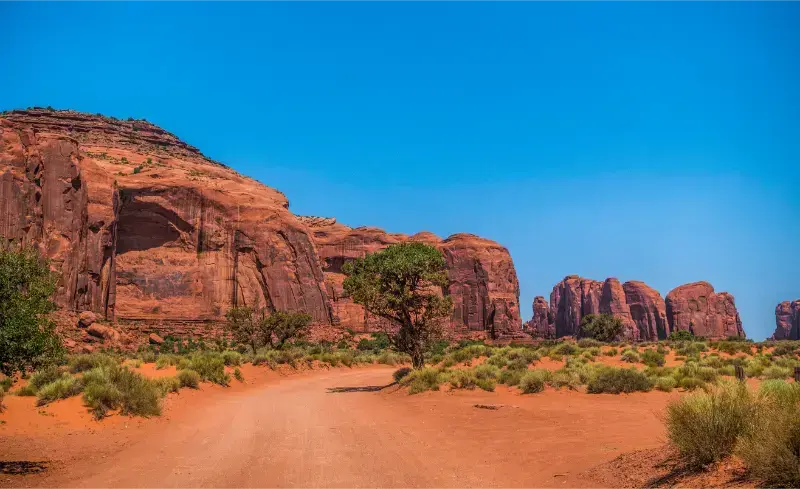
Bell Rock is a useful place to distinguish looking at a formation from climbing it. Lower paths let you experience the red-rock setting without making a summit-like scramble the point of the outing. Select a defined route and turnaround on the official trail map. Going farther up the rock can change the footing and exposure well beyond what a casual description of the area suggests.
Cathedral Rock involves steep rock and scrambling. It can be rewarding for suitably prepared visitors, but its short distance should not be translated into an easy family walk. Consider comfort with using hands, descending the same steep terrain, and managing heat or slippery rock. Choose an alternative if anyone in the party feels uncertain; a famous viewpoint does not need to be everyone’s objective.
For a longer outing, research a particular route in the Forest Service recreation guide, then confirm current closures and access. The map’s distances explain the network, but they do not guarantee present conditions. Avoid stitching together several popular trail names without calculating the complete walk, including the approach from the place where you can legally park or disembark.
Trailhead transport can determine the morning
Popular trailheads have limited parking, and some parking areas close to private vehicles when the trailhead shuttle operates. The Sedona Shuttle website identifies three park-and-ride locations and the routes they serve. Read the schedule for your day before driving straight to the trailhead. Choosing the right lot at the start can save an unnecessary second journey across town.
Separate the free trailhead routes from other local transport services. A free ride to a particular trailhead does not mean all hotel pickups, town connections, or excursions are included. Plan both directions, including the final suitable return. If you intend to finish at another trailhead, verify that the transport links your actual endpoints rather than assuming the system follows every hiking route.
Parking fees and passes also depend on the site. Read the Forest Service requirements for the place you will leave the car, including which passes are accepted. A shuttle, a hotel parking space, and an America the Beautiful pass solve different parts of the day. Keep the relevant pass accessible and follow posted instructions instead of relying on a general statement that all Sedona parking is covered.
Chapel of the Holy Cross: give it a quiet interval
The Chapel of the Holy Cross is compelling partly because of how its architecture meets the surrounding rock. The approach and the view are part of the experience, but this remains a place of worship. Visit with that purpose in mind, keep your voice considerate, and follow the current arrangements for services and public access.
Use the chapel's own visitor information before planning your arrival. Parking and the uphill approach deserve attention if someone has limited mobility. Ask about the specific access assistance you need rather than assuming the distance from a map describes the effort. Avoid placing this stop between two tight bookings; it is more enjoyable when you can pause without constantly looking at the time.
The chapel can pair naturally with a lighter day along the southern approach, perhaps after a suitable morning walk and before lunch. There is no need to add a difficult trail just because the formations are nearby. Sedona offers plenty of ways to spend time outdoors at different levels of effort, and a quieter interval can balance a more active stay.
Tlaquepaque and the pleasure of an unhurried afternoon
Tlaquepaque’s courtyards, galleries, and shops create a different kind of wandering from Uptown’s roadside activity. Browse according to your interests and leave room to sit down. Art, craft, and a meal can occupy a satisfying afternoon when the morning has already involved a hike. It is also a useful option when the group wants a break from constant outdoor exertion.
Check the village's current directory and events if a particular gallery, restaurant, or occasion is the reason for your visit. Individual businesses may keep different hours. Plan parking and crossings for the section you want, and take time to look at work that interests you rather than treating the whole place as a decorative backdrop for photographs.
You can give art more space elsewhere in Sedona too. A few galleries visited with curiosity may be more rewarding than rushing into every doorway. If you are considering a purchase, ask about the artist, materials, shipping, and the complete cost. A conversation about a piece can become a memorable part of the stay without requiring a large purchase.
Vortexes: approach the experience on your own terms
Sedona’s tourism culture includes places described as vortexes, associated by some visitors and practitioners with spiritual energy. You can be curious about that tradition without accepting promises of measurable effects. The red-rock landscapes can feel peaceful or moving for many reasons: light, quiet, personal expectation, or simply the time you have allowed yourself to stop.
If you book a spiritual or meditation experience, ask what the session actually involves, where it meets, how much walking is required, and what is included. Avoid treating medical or healing claims as established outcomes. The local visitor explanation describes the language used around vortex sites; your own visit can be as reflective, practical, or skeptical as feels comfortable.
Respect other visitors’ space. Someone sitting quietly beside a trail is not an invitation for a photograph or a reason to leave the designated route. Keep gatherings considerate and follow land-management rules. A short quiet pause at a suitable place can be meaningful without searching for a particular sensation or expecting the landscape to perform on demand.
Build two days around different experiences
For a first full day, choose one morning walk that genuinely suits the group. Organize trailhead transport, carry supplies, and leave the rest of the morning free of a hard deadline. Return for lunch and a break, then spend the afternoon with galleries or the courtyards at Tlaquepaque. Dinner near your lodging keeps the end of an active day simple.
On the second day, change the emphasis. You might visit the chapel, take a gentler scenic outing, or book a guided activity that adds something you would not do independently. Compare its route, vehicle, physical demands, and cancellation policy. An off-road tour and an ordinary sightseeing drive are different experiences; confirm suitability if anyone has back problems, limited mobility, or concerns about rough travel.
For a longer stay, add another trail morning or an outing into the Verde Valley. Jerome or a cultural site can provide variety, but count the whole excursion rather than just the outward drive. Do not fill every afternoon before you arrive. Sedona is particularly suited to noticing a formation from different angles and giving yourself time to return to a place you liked.
Oak Creek Canyon and the route toward Flagstaff
The canyon north of Sedona changes the scenery again, bringing a different road environment and a more enclosed landscape. Treat the drive as an outing or transfer with its own conditions. A map may show a simple line toward Flagstaff, but bends, traffic, weather, and your stops determine the real pace. In winter, check road conditions before committing to the route.
If water access is central to your plans, identify the exact managed recreation area and its current rules. A creek on the map is not an assurance of safe swimming, public parking, or unrestricted entry. Weather upstream can matter as well as conditions overhead. Keep an alternative for storms or closures rather than moving to an unverified informal access point.
A transfer day can include some scenery without becoming a marathon of stops. Choose the places you most want to see, leave time for the road, and arrive at the next base while you still have energy. If your onward destination is the Grand Canyon, consider whether a direct route better supports your available hours. The attractive road is useful only when the day’s commitments allow you to enjoy it.
Seasons, supplies, and a comfortable finish
Spring and fall attract visitors for good reasons, but weather and crowding vary. Summer trails can be hot and exposed, with thunderstorms affecting outdoor plans; winter can bring cold, wet rock, or ice. Check the local forecast and current Forest Service notices. Pack footwear and layers for the route you chose, and shorten the outing when the conditions require it.
For meals, choose a few priorities and leave space between them. Book a restaurant you particularly care about, then use simpler lunches and flexible dinners to keep the trip comfortable. Complete room quotes, parking, transport, and activity fees belong in the same budget. Sedona can be enjoyed with a modest list of paid experiences if your main interest is the setting.
The best ending to a Sedona day may be a very ordinary one: a place to sit, something good to eat, and the rocks still visible beyond town. Once you have chosen the right base and a few worthwhile outings, there is less need to keep adding. The scenery has enough presence to carry the quieter parts of the visit.
Compare the options
| Choice | What it offers | Planning detail |
|---|---|---|
| Uptown | Visitor district and nearby evenings | Check the actual walk from the hotel |
| West Sedona | Services and western trail access | Map the outings you will use |
| Village of Oak Creek | Southern approach and Bell Rock area | Distinct from Oak Creek Canyon |
| Two full days | One chosen walk, art and a lighter outing | Use transport and weather checks |
Find your bearings
Open the map in a new tab · Orientation map; use the official local map for trail access and closures.
Frequently asked questions
Is Cathedral Rock an easy short walk?
No. The route includes steep scrambling, with a demanding descent for some visitors.
Are Sedona trailhead shuttles a complete town transport system?
No. Selected free trailhead routes and other local services have different coverage and arrangements.
Are vortex effects scientifically established?
Claims of spiritual energy are beliefs and visitor traditions, not established medical or measurable outcomes.
Plan the next part of your trip
- Best Things to Do in Sedona: 20 Red-Rock Experiences Worth Your Time
- Where to Stay in Arizona: Best Bases for Every Type of Trip
- 7 Days in Arizona: The Best First-Time Itinerary
Arrange your stay and activities
Some booking links below are affiliate links. We may earn a commission if you book through them.
Compare stays: Sedona ArizonaBrowse tours and experiencesCompare rental cars
Match the location, meeting point and cancellation terms to your itinerary before booking.
Official sources and visitor information
- Coconino National Forest: Red Rock recreation guide and trail map
- City of Sedona: trailhead transit and current routes
- Chapel of the Holy Cross: visitor information
- Tlaquepaque: galleries, dining and events
- Visit Sedona: the local meaning of vortex sites
Last updated: October 18, 2026.