

Destinations › Pacific USA › Alaska travel guide › Seward Travel Guide: Kenai Fjords, Harbor, Hiking & Smarter Planning
Seward earns its place on a first Alaska trip because the journey and the destination reinforce each other. The Seward Highway and Coastal Classic train are scenic, the harbor launches marine trips into Kenai Fjords National Park, and the town gives you access to Exit Glacier without changing hotels again.
Two nights can work; three nights is much stronger if a boat tour is a priority because marine weather can affect comfort and schedules. Seward is not just a place to sleep before a cruise. It is the practical base that connects Alaska’s coastal mountains, glaciers and wildlife.
Seward at a glance
| Best for | Kenai Fjords cruises, Exit Glacier, marine wildlife and scenic rail/road access |
| Ideal first stay | 2–3 nights |
| From Anchorage | About 126 road miles; seasonal Coastal Classic rail service |
| Car necessary? | No for a rail-and-boat trip; useful for Exit Glacier and wider Kenai plans |
| Best planning rule | Keep the boat day separate from the arrival/departure day |
Choose rail or road for different reasons
The Alaska Railroad Coastal Classic runs daily in the core summer season and is widely used because the journey itself is scenic. Driving provides more freedom for Turnagain Arm, Girdwood, Portage and roadside stops, but the driver cannot spend the entire route looking out the window.
A strong itinerary can even mix modes: travel one direction by rail and arrange a rental or transfer for the other if budget and logistics work. Do not choose the train merely because it is “iconic” or the car merely because it seems efficient. Choose based on what the rest of the Kenai Peninsula itinerary requires.
Make the Kenai Fjords cruise the fixed anchor
For many visitors, the full-day or longer marine cruise is the reason to stay in Seward. Different routes vary in duration, glacier access, wildlife focus and sea exposure. Longer is not automatically better for everyone: travelers prone to motion sickness may prefer a shorter route, while serious wildlife or glacier enthusiasts may value the extended time.
Reserve the cruise first in peak season, then build flexible town and Exit Glacier time around it. Bring layers even on a warm morning; wind and spray can make open decks much colder than the harbor.
Visit Exit Glacier as a separate experience
Exit Glacier is the only part of Kenai Fjords National Park accessible by road. The area has short walks as well as the strenuous Harding Icefield Trail. In 2026, the Exit Glacier Nature Center operates seasonally and closes after September 11 until the following Memorial Day weekend. The access road can be inaccessible to cars for much of the snowy season.
Parking is most constrained around late morning and early afternoon, so early or later visits can be calmer. The park has no cellular service at Exit Glacier; download maps and check conditions before leaving Seward.
Do not underestimate the Harding Icefield Trail
The Harding Icefield Trail is one of Alaska’s great day hikes, but it is a serious outing with major elevation gain, variable weather and possible snow even in summer. It should not be added casually after a long boat tour or before a fixed evening train.
Start early, carry food, water and layers, know your turnaround time and follow current bear and trail guidance. A shorter Exit Glacier walk is the better choice for many visitors and still communicates how dramatically the landscape is changing.
Spend time in town and the harbor
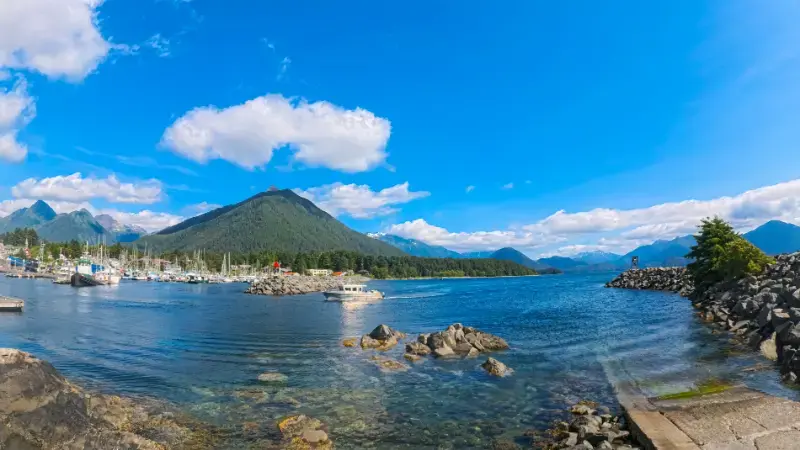
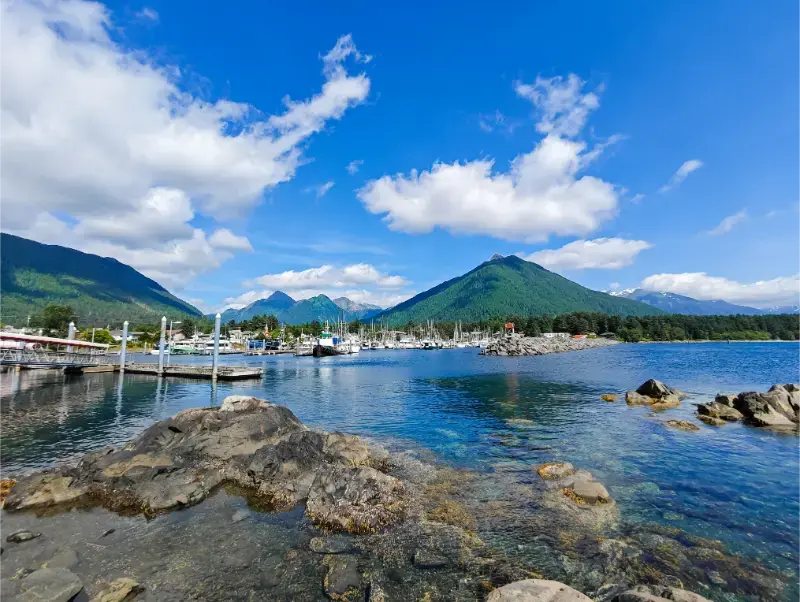
The harbor is more than a boarding area. Fishing boats, tour vessels and changing weather give Seward a working-waterfront feel that contrasts with resort-style destinations. Downtown, the Alaska SeaLife Center and local businesses provide strong rainy-day options.
A slow evening walk is especially useful after a long cruise. It gives the trip recovery time and makes Seward feel like a place rather than a transportation node.
Plan for motion sickness before boarding
Marine conditions vary by day and route. If you are susceptible to motion sickness, discuss medication with a medical professional before the trip rather than waiting until the boat is underway. Eat appropriately, hydrate and choose a vessel/route that matches your tolerance.
Do not let fear of rough water force you into a poor itinerary, but do not ignore it either. A shorter Resurrection Bay trip can still provide an excellent day when an all-day Gulf route is not suitable.
A realistic three-night Seward plan
Night one follows the scenic journey from Anchorage, leaving time for the harbor and dinner. Day two is the fixed Kenai Fjords cruise. Day three is Exit Glacier, the Alaska SeaLife Center, a local trail or a weather backup. Depart the next morning rather than stacking a full excursion and long transfer into one day.
If you have only two nights, keep the arrival simple and reserve the middle day for the cruise. Do not plan the final morning around a difficult hike when you have a fixed rail departure.
Where Seward fits in a larger Alaska route
Seward combines naturally with Anchorage and Denali on a first trip. It can also lead into Cooper Landing, Homer and the wider Kenai Peninsula, but each additional region adds driving and another hotel base. The strongest 10- to 14-day route usually chooses either a deeper Kenai Peninsula stage or Fairbanks, not every famous Alaska destination.
Southeast Alaska, including Juneau and Glacier Bay, is geographically separate and generally requires flying or marine transport. Treat it as another trip segment, not a short road detour.
Continue planning Alaska
- Kenai Fjords National Park Guide
- Anchorage Travel Guide
- Best Time to Visit Alaska
- Alaska Road Trip Itinerary
- Alaska Travel Guide
Where to stay and how to compare accommodation
Compare available accommodation for your dates, budget and preferred location before you finalize your route.
Affiliate disclosure: we may earn a commission from qualifying bookings at no extra cost to you. Compare Seward harbor hotels, Downtown Seward stays and lodging near the Exit Glacier road. In Alaska, the cheapest headline rate can be poor value if it adds long transfers, forces an extra rental-car day or makes an early boat or park departure stressful. Check cancellation terms, parking, breakfast, luggage policies and the exact location before booking.
Useful official resources
Departure-day strategy
Seward departures are smoother when the final morning stays light. Have breakfast, walk the harbor and leave the strenuous trail for a day without a fixed train, cruise or flight. The most common itinerary failure is combining a weather-sensitive outdoor activity with a non-negotiable transport departure.
Seward works best with two different kinds of day
A balanced Seward stay combines one marine day and one land day. Use the marine day for a Kenai Fjords boat trip or another water-based experience, then reserve the land day for Exit Glacier, hiking, the waterfront and town. Stacking both into a single day creates unnecessary pressure and makes weather disruptions harder to absorb. Two full days also let you choose the better forecast for the longer cruise. Travelers who arrive by evening train should avoid assuming they can immediately add a major activity; the journey itself is scenic and deserves to be treated as part of the trip.
Stay near the harbor or downtown for different reasons
Harbor-area lodging is practical for early boat departures and luggage handling, while downtown puts restaurants, the waterfront and local atmosphere closer on foot. Neither is universally better. If you have a car, parking terms matter; if you arrive by rail, check transfer options rather than assuming every property offers a shuttle. In peak summer, the most useful room may be the one that minimizes a 6 a.m. logistical problem, even if another hotel has a slightly lower nightly rate.
Use the highway as part of the experience
The Seward Highway between Anchorage and Seward is not merely a transfer. Turnagain Arm, mountain valleys and side stops can make the road day memorable, but only if you leave enough time and use designated pullouts. Do not stop on shoulders simply because the view is good. If you are driving back for a flight, build a substantial buffer for traffic, construction and weather. The scenery is best enjoyed when the schedule does not force risky decisions.
The Alaska SeaLife Center fits the town, not just bad weather
The Alaska SeaLife Center can add context to the wildlife seen on a Kenai Fjords cruise by focusing on marine research, rehabilitation and North Pacific ecosystems. It is especially useful for families or travelers whose boat trip was shortened by weather. Allow enough time to read the interpretation rather than treating it as a quick aquarium stop. Because it is close to downtown, it pairs naturally with a waterfront walk and dinner.
When to choose the train instead of driving
The train is strongest for travelers who want to make the Anchorage–Seward journey part of the experience and do not need a car for several Kenai Peninsula stops. Driving is better when you want Turnagain Arm pullouts, Portage-area side trips or onward travel to Homer. If you use rail, verify how you will reach Exit Glacier and any accommodation outside the compact harbor/downtown area before booking.