

Destinations › Pacific USA › Alaska travel guide › Talkeetna Travel Guide: Denali Flightseeing, Trails & Small-Town Alaska
Talkeetna is small enough to walk in minutes but important enough to reshape an Alaska itinerary. The community sits between Anchorage and Denali, has deep mountaineering connections, and is one of the main places for flightseeing toward the Alaska Range. Visitors who use it only as a lunch stop miss the early-morning calm, river landscapes and the practical advantage of having a weather buffer for aviation.
Two nights is the sweet spot for most first-time travelers. That gives one flexible flightseeing window without turning Talkeetna into a long stay. If weather cancels flights, the town still offers trails, local history, food and river-based activities, but the value of the stop depends on enjoying small-town pace rather than expecting a large attraction district.
Talkeetna Travel Guide at a glance
| Best for | Flightseeing, mountaineering history, river scenery and a relaxed stop between Anchorage and Denali |
| Ideal stay | 2 nights |
| Distance from Anchorage | About 115 road miles north |
| Rail access | Seasonal Denali Star plus Hurricane Turn services |
| Car useful? | Helpful but not essential for a compact town-center stay |
Understand what Talkeetna is—and is not
Talkeetna is a living community with historic buildings, aviation businesses and a tourism economy concentrated in a small center. It is not located at the entrance to Denali National Park, and staying here does not replace staying near the park if you have a bus excursion. The road distance to the Denali entrance is still substantial.
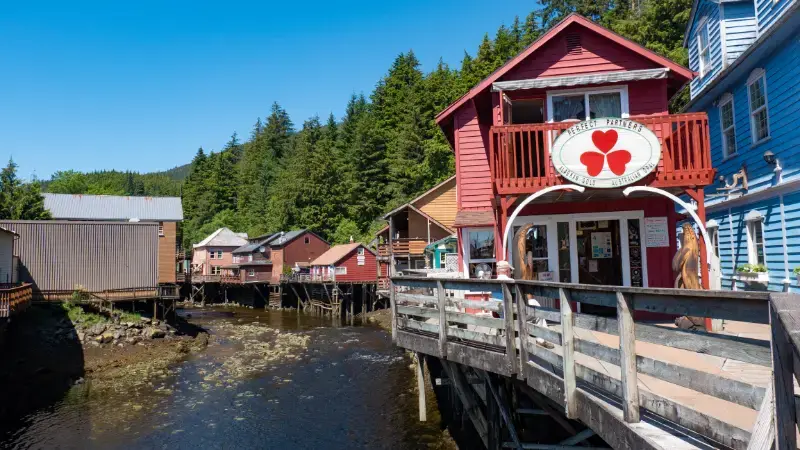
Use Talkeetna as a distinct stop: a place to look toward the Alaska Range, learn about climbing history and experience a smaller Southcentral town.
Treat flightseeing as weather-dependent
Flightseeing is the activity that drives many Talkeetna visits, but mountain weather can cancel or alter routes. Book it early in a two-night stay so there is a chance to move the trip later. Understand whether a glacier landing is included, how weight limits and check-in work, and what the operator does when conditions prevent the planned route.
A flight that follows a different route for safety is not a failure. Pilots make decisions based on rapidly changing mountain conditions, and expectations should remain flexible.
Walk the historic center slowly
Talkeetna’s center is compact, which makes it tempting to complete it in an hour. Slow down instead. Historic buildings, small museums, shops and local businesses make more sense when you are not using the town only as a restroom break on the Parks Highway. An evening after day visitors leave can feel very different from midday.
Because the center is walkable, choosing lodging nearby can let you park once and avoid short car trips.
Use the rivers and viewpoints
The Susitna, Chulitna and Talkeetna rivers define the local landscape. Riverfront areas provide broad views toward the Alaska Range when weather cooperates, and guided jet-boat or rafting trips can add a different perspective. Water is cold and currents are serious, so independent shoreline exploration should remain conservative.
Mountain visibility can change hour by hour. If Denali appears, enjoy the view immediately rather than assuming it will still be clear after lunch.
Consider the Alaska Railroad as part of the stop
In 2026 the Denali Star connects Anchorage, Talkeetna, Denali and Fairbanks during the summer season. Talkeetna is therefore one of the easiest small towns to integrate into a rail itinerary. The Hurricane Turn also operates as a distinctive flag-stop service on selected summer days, offering an experience focused on remote communities and access rather than conventional sightseeing.
Rail travelers should confirm luggage handling and hotel transfers. The station is not the same thing as having door-to-door transportation.
Eat and shop locally without turning the town into a theme park
Talkeetna has developed a strong visitor scene, but the best approach is to treat local businesses as part of a community rather than a checklist. Try a bakery, brewery or small restaurant, browse art and respect residential spaces. Peak summer can feel crowded despite the town’s size, so breakfast and evening are often more pleasant than midday.
If you are driving through with a large RV, use designated parking and avoid blocking narrow local streets.
Plan around Denali National Park correctly
Talkeetna and Denali National Park are connected in travelers’ minds because of the mountain, but they serve different purposes. Flightseeing from Talkeetna can reveal the high Alaska Range; the national park entrance provides tundra, wildlife habitat, trails and bus access. A strong itinerary uses both if time allows rather than substituting one for the other.
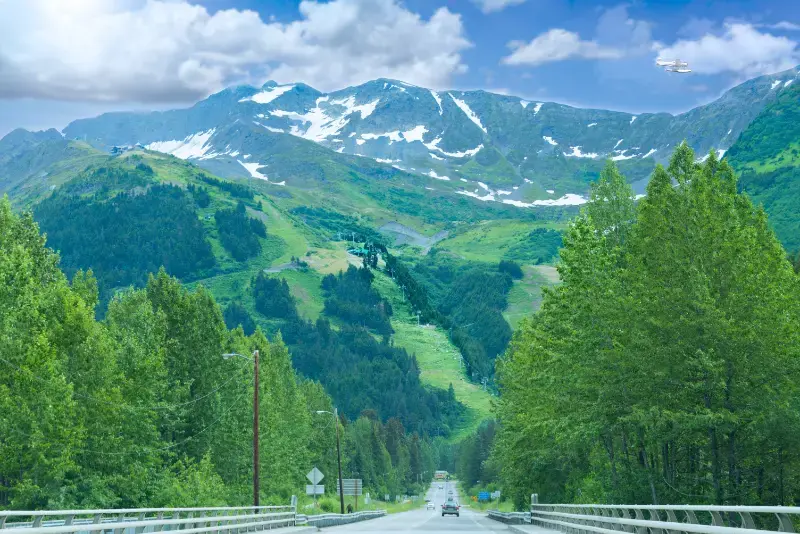
Do not schedule a Talkeetna flight and a Denali bus on the same day. The road or rail transfer between them needs its own realistic time.
Know when one night is enough
If you do not plan to fly, raft or take a rail excursion, one night may be sufficient. Arrive in the afternoon, explore the center, stay for the evening and continue north the next morning. Two nights become valuable when flightseeing is a priority because they create a second weather window.
Travelers with fewer than seven days in Alaska may gain more from additional time in Denali or Seward unless Talkeetna’s specific experiences are high priorities.
A practical itinerary
Day 1: arrive from Anchorage by road or rail, walk the historic center and riverfront, then keep the evening open for mountain views.
Day 2: schedule flightseeing in the morning if possible, with the afternoon available for a river trip, trail, museum or rebooking if weather changes.
Day 3: continue to Denali after breakfast rather than stacking a long transfer behind a late flight.
Continue planning Alaska
- Denali National Park Guide
- Alaska Railroad Guide
- Anchorage Travel Guide
- Alaska Travel Guide
Where to stay and how to book
Compare available accommodation for your dates, budget and preferred location before you finalize your route.
Affiliate disclosure: we may earn a commission from qualifying bookings at no extra cost to you. Compare Talkeetna hotels, Mat-Su Valley stays and Anchorage hotels. In Alaska, location and cancellation terms often matter more than a small difference in nightly rate. Check transport, parking, check-in times and the exact distance to your departure point before paying for a nonrefundable room.
Useful official resources
What to reserve first
Flightseeing is the scarce, weather-sensitive item, followed by peak-summer lodging and rail seats. Restaurants and town walks can remain flexible. This booking order protects the experience that is hardest to replace while keeping the rest of the stay adaptable.
Planning detail
Alaska rewards conservative scheduling. Confirm operating dates directly with the provider, keep important reservations in an offline folder, and avoid placing a weather-dependent activity immediately before a flight or ferry connection. Build the day around one major experience, then add smaller stops only if time and conditions cooperate. This approach reduces rushed driving, protects expensive bookings and gives you room to respond to the very conditions that make Alaska feel remote and memorable. In peak summer, reserve scarce transport and lodging before flexible meals or minor attractions; in shoulder season, verify that seasonal services are actually operating on your dates.
Planning detail 2
Alaska rewards conservative scheduling. Confirm operating dates directly with the provider, keep important reservations in an offline folder, and avoid placing a weather-dependent activity immediately before a flight or ferry connection. Build the day around one major experience, then add smaller stops only if time and conditions cooperate. This approach reduces rushed driving, protects expensive bookings and gives you room to respond to the very conditions that make Alaska feel remote and memorable. In peak summer, reserve scarce transport and lodging before flexible meals or minor attractions; in shoulder season, verify that seasonal services are actually operating on your dates.
Planning detail 3
Alaska rewards conservative scheduling. Confirm operating dates directly with the provider, keep important reservations in an offline folder, and avoid placing a weather-dependent activity immediately before a flight or ferry connection. Build the day around one major experience, then add smaller stops only if time and conditions cooperate. This approach reduces rushed driving, protects expensive bookings and gives you room to respond to the very conditions that make Alaska feel remote and memorable. In peak summer, reserve scarce transport and lodging before flexible meals or minor attractions; in shoulder season, verify that seasonal services are actually operating on your dates.
Planning detail 4
Alaska rewards conservative scheduling. Confirm operating dates directly with the provider, keep important reservations in an offline folder, and avoid placing a weather-dependent activity immediately before a flight or ferry connection. Build the day around one major experience, then add smaller stops only if time and conditions cooperate. This approach reduces rushed driving, protects expensive bookings and gives you room to respond to the very conditions that make Alaska feel remote and memorable. In peak summer, reserve scarce transport and lodging before flexible meals or minor attractions; in shoulder season, verify that seasonal services are actually operating on your dates.
Planning detail 5
Alaska rewards conservative scheduling. Confirm operating dates directly with the provider, keep important reservations in an offline folder, and avoid placing a weather-dependent activity immediately before a flight or ferry connection. Build the day around one major experience, then add smaller stops only if time and conditions cooperate. This approach reduces rushed driving, protects expensive bookings and gives you room to respond to the very conditions that make Alaska feel remote and memorable. In peak summer, reserve scarce transport and lodging before flexible meals or minor attractions; in shoulder season, verify that seasonal services are actually operating on your dates.