

Destinations › Northeast › New York › New York City › Unusual Things to Do in NYC
“Unusual New York” should mean experiences that reveal a different layer of the city, not trespassing into abandoned buildings or chasing fake secrets. The best offbeat choices are public, legal and interesting even after the novelty wears off: unusual infrastructure, small museums, overlooked parks, ferries, elevated spaces, old neighborhoods and cultural institutions outside the standard checklist.
Choose unusual experiences that fit where you already plan to be. Add Roosevelt Island to an Upper East Side/Midtown day, Green-Wood to Brooklyn, Wave Hill to the Bronx, Snug Harbor to Staten Island, and Museum of the Moving Image to Queens. The “secret” becomes useful when it deepens a borough day instead of creating a two-hour detour.
1. Ride the Roosevelt Island Tram and explore the island
The tram is unusual transportation with excellent East River views, but the island itself is the reason to stay. Walk toward Four Freedoms Park, the lighthouse or Cornell Tech depending on your time. This is especially effective around sunset. The tram can become crowded during commute and sightseeing peaks, so avoid treating it as a private aerial tour.
2. Walk through Green-Wood Cemetery
Green-Wood is a National Historic Landmark landscape with hills, sculpture, architecture, famous burials and unexpectedly broad city views. It is an active cemetery, so behavior matters. Use official maps and tours, keep voices low around services and remember that not every monument is a photo prop.
3. Visit The Met Cloisters
Medieval art inside a building assembled from architectural elements, surrounded by Fort Tryon Park and Hudson River views, feels far removed from Midtown. The Cloisters is not truly hidden, but many first-time visitors skip it because of the travel time. Pair it with the park and Upper Manhattan rather than rushing back after one gallery.
4. Explore Wave Hill
Wave Hill in the Bronx combines gardens, cultural programming and Hudson/Palisades views. It makes an excellent slow morning for visitors who have already seen Central Park. Seasonal garden interest changes, so check what is blooming and the current calendar.
5. Discover Snug Harbor on Staten Island
Snug Harbor Cultural Center & Botanical Garden occupies a former sailors’ retirement-home campus with gardens, historic architecture, museums and cultural programming. Combine it with the free Staten Island Ferry and perhaps another North Shore stop. It is a much more meaningful Staten Island day than immediately boarding the return ferry.
6. See the city from Pier 57
A nearly two-acre rooftop park above the Hudson provides a free elevated view and sits beside Market 57 and Little Island. Because it is open long hours and requires no timed ticket, it is one of the easiest unusual additions to a Chelsea/High Line day.
7. Visit Museum of the Moving Image
This Astoria museum covers film, television, video games and moving-image technology with interactive exhibits. It is more playful than many large Manhattan museums and pairs naturally with Queens food. For families or media fans, it can outperform another general art museum.
8. Walk the elevated High Bridge
High Bridge connects Manhattan and the Bronx over the Harlem River and is New York City’s oldest standing bridge. It offers a very different bridge walk from Brooklyn Bridge and works with Highbridge Park or Upper Manhattan. Check current access/park conditions before a long detour.
9. Find the Little Red Lighthouse
Beneath the George Washington Bridge sits the small Jeffrey’s Hook Lighthouse, a beloved landmark with a children’s-book connection. The setting creates a dramatic scale contrast between tiny lighthouse and enormous bridge. It works best as part of a Hudson River Greenway or Fort Washington Park walk.
10. Explore the City Hall subway station architecture—from a legal vantage
The original City Hall station is famous for its curved platform and tilework but is not a normal active station stop. Do not enter closed areas or try to bypass barriers. Special tours are occasionally offered through legitimate organizations, and riders can sometimes glimpse parts of the loop depending on service rules. Verify current official guidance; “secret station hacks” online are often outdated or irresponsible.
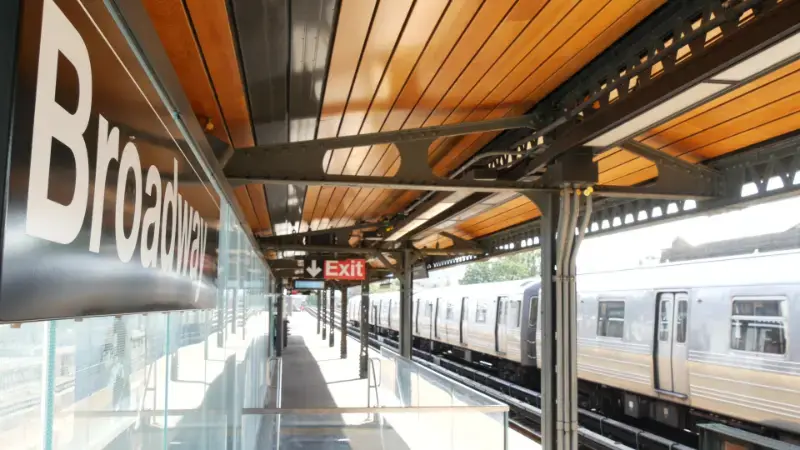
11. Visit an old-school transit or infrastructure museum
The New York Transit Museum in Downtown Brooklyn occupies a decommissioned subway station and is one of the most distinctive city-history museums. Historic subway cars make the evolution of transportation tangible. It is especially good for children, design fans and anyone who now appreciates the subway after using it for several days.
12. Walk Governors Island outside the usual summer stereotype
Governors Island combines former military architecture, lawns, art, hills and harbor views a short ferry ride from Lower Manhattan/Brooklyn. Year-round access has expanded compared with old guidebooks, though individual attractions and food vendors remain seasonal. Check ferry times carefully because missing one matters more than missing a subway.
13. See the elevated streets and tiny historic corners of Upper Manhattan
Sylvan Terrace, Jumel Mansion area and sections of Washington Heights preserve urban textures that surprise visitors who only know Midtown. Combine them with a neighborhood route rather than visiting for one photo. The deeper payoff is understanding how Manhattan’s topography and history change north of 125th Street.
14. Ride the Staten Island Ferry at blue hour
The ferry is famous but using it deliberately for changing harbor light feels different from a daytime transit ride. It is free and offers Statue of Liberty and Lower Manhattan views. Do not block commuter movement for photographs, and remember that it does not land on Liberty Island.
15. Explore industrial-era waterfront traces
Red Hook, parts of Sunset Park, DUMBO, Long Island City and the Brooklyn Navy Yard area reveal the city’s maritime and manufacturing history alongside redevelopment. These are not one “hidden gem” but a theme. Ferries, warehouses, piers and converted industrial buildings make a strong repeat-visitor route.
16. Spend an hour in a specialist library or cultural institution
New York contains public-facing research libraries, cultural centers and small museums dedicated to subjects ranging from illustration to Jewish history, Hispanic culture, design and photography. Temporary exhibitions can be excellent and often quieter than blockbuster museums. Check access rules because reading rooms and research areas may not be tourist spaces.
17. Look for neighborhood gardens rather than only big parks
Community gardens on the Lower East Side and in other neighborhoods reveal grassroots urban history, but they are community spaces with variable opening times. Enter only when open, follow posted rules and do not assume a garden is public because a gate looks inviting.
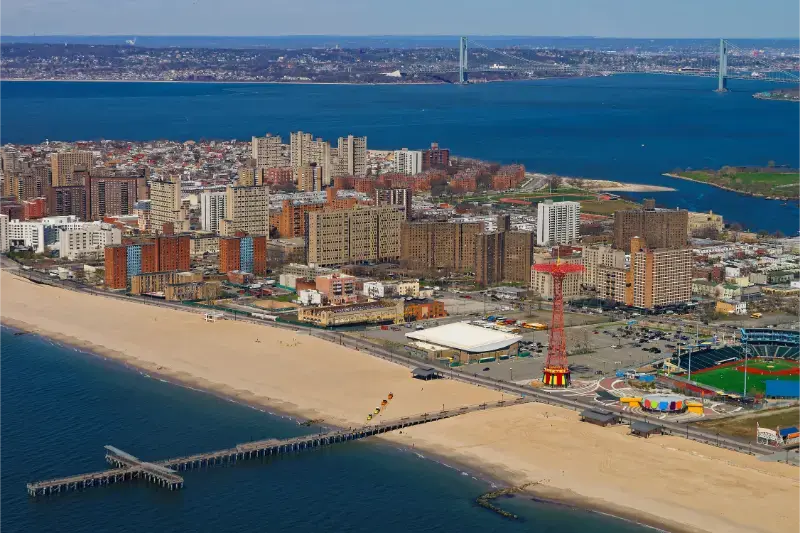
18. Take NYC Ferry as sightseeing transportation
NYC Ferry is not free, but routes along the East River and harbor can turn a transfer into a skyline experience. Use it when the route genuinely connects two planned neighborhoods. It is less useful if you add an hour simply because a guide calls it a “secret cruise.”
19. See Queens at night from Gantry Plaza
Gantry Plaza and Hunters Point South offer a full Midtown skyline with restored industrial gantries. Blue hour is excellent, and the 7 train makes the return straightforward. Pair the view with Long Island City or another Queens stop rather than commuting only for a photograph.
20. Visit Fort Tryon Park even if you skip the museum
Fort Tryon’s terraces, gardens and Hudson views feel unusually removed from dense Manhattan. It is especially rewarding during spring planting and fall color. The steep terrain is part of the experience; mobility-conscious visitors should plan entrances carefully.
21–25: five smaller ideas
- Explore the Elevated Acre in the Financial District during a Lower Manhattan walk.
- Visit the Hispanic Society Museum & Library / Audubon Terrace area when current galleries are open.
- Walk the shoreline paths of Randall’s Island for a non-touristy skyline angle.
- Browse historic markets and independent food halls when weather ruins an outdoor plan.
- Choose one borough-specific cultural event from an official calendar rather than adding another famous attraction.
How to choose unusual experiences
Use three filters: does the place genuinely interest you, does it fit your geography, and would it still be worthwhile if no one called it “hidden”? If the answer to the third question is no, skip it. New York contains too many meaningful places to waste half a day chasing novelty for novelty’s sake.
Safety and etiquette
- Never enter tunnels, rooftops, construction sites or abandoned buildings without explicit legal access.
- Respect cemetery, worship and residential spaces.
- Check park/attraction opening times before traveling far.
- Do not fly drones without understanding strict NYC rules and federal airspace restrictions.
- Avoid viral “secret door” claims that encourage trespass or interfere with workers.
Frequently asked questions
What unusual NYC experience is best for a first-time visitor?
Roosevelt Island Tram/island, Pier 57 rooftop, Governors Island or Transit Museum are easy additions because they are distinctive without requiring an extreme detour.
Are NYC hidden places really secret?
Usually not. The best “hidden gems” are simply places that receive fewer first-time tourists. Treat that as an invitation to explore responsibly, not as a claim that locals do not know they exist.
Official planning sources
Continue planning New York City
A useful way to think about Unusual Things to Do in NYC is to protect the part that made you choose it in the first place. New York rewards depth more than checklist speed. Leave enough time to notice the block, storefront, view, conversation, meal or performance that was not on your spreadsheet. The strongest itinerary has structure, but it also leaves room for the city to interrupt the plan.
Best unusual choices by borough
In Manhattan choose the Cloisters, Roosevelt Island connection, Little Red Lighthouse or an Upper Manhattan historic walk. In Brooklyn consider Green-Wood, Transit Museum or industrial waterfront. Queens offers Museum of the Moving Image and Gantry/Flushing combinations. The Bronx has Wave Hill and High Bridge. Staten Island has Snug Harbor. This makes an offbeat itinerary naturally citywide without forcing five boroughs into one day.
When “unusual” is not worth the detour
Skip a place when the travel time is longer than your interest. A tiny curiosity that requires two transfers and a 20-minute walk may be fun for a repeat visitor but a poor first-trip choice. Use unusual places to deepen neighborhoods you already want to see. The goal is not proving that your New York trip avoided famous attractions; it is seeing a richer version of the city.
Looking for the right place to stay? Compare hotels and accommodation on Booking.com.