

Vermont is most enjoyable when you give its different landscapes separate time. A Burlington evening can mean a walk beside Lake Champlain and dinner downtown; a Stowe morning might begin on a recreation path beneath the mountains. Farther south, Manchester offers a historic estate and village shopping, while Woodstock brings farm history and a conservation landscape close together. These places fit within one state, but they do not all belong in one busy weekend.
For a first visit, choose two regions for four or five nights, or three for a week. Build the trip around what you want to do once you stop driving: explore a museum, walk a manageable trail, spend time on the lake or settle into a village. This Vermont travel guide helps you match regions, seasons, transport and accommodation so that the route supports those experiences.
Compare available accommodation for your dates, budget and preferred location before you finalize your route.
Understand Vermont’s main visitor regions
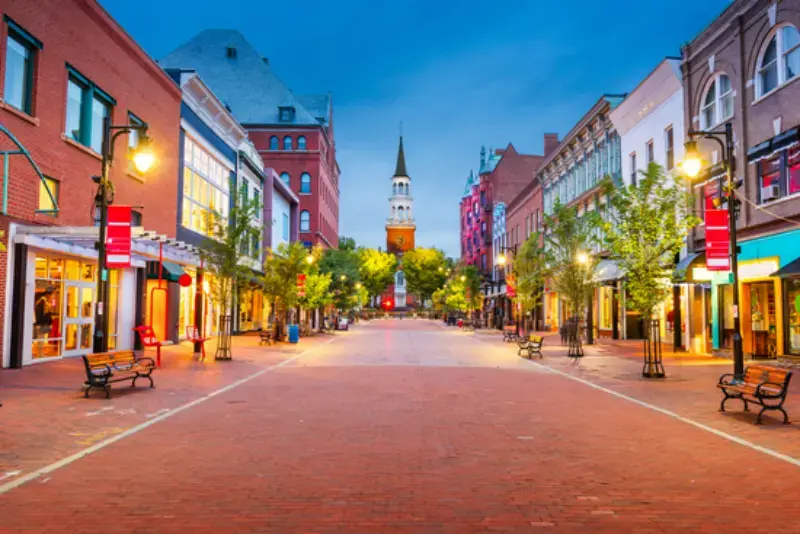
The western side of the state offers Lake Champlain, Burlington and the islands, with water views and a different rhythm from the mountain valleys. Burlington is a useful base for restaurants, the waterfront and nearby cultural outings. The islands suit a quieter lakeside stay, particularly when swimming, cycling or repeated time outdoors matters more than city dining. A room described as being near the lake may still require driving to the access you want.
Stowe and Waterbury are useful anchors for the northern mountain corridor. Stowe combines a village, recreation path and separate resort area, while Waterbury provides another dining and lodging base near the road connections. Montpelier gives a trip a small-capital focus, with the State House, Vermont History Museum and nearby walks. These places can be combined, but each deserves more than a passing photograph.
In southern Vermont, Manchester works well for Hildene and the surrounding mountain setting. Woodstock, farther east, offers a compact village alongside Billings Farm & Museum and Marsh-Billings-Rockefeller National Historical Park. Choose a southern or eastern base when those are your priorities rather than repeatedly returning to a hotel in Burlington. The Manchester guide and Woodstock guide explain the different visits in more detail.
Pick the season for the activities you want
Summer is the straightforward choice for a mixed lake-and-village trip. Longer daylight makes it easier to combine an outdoor morning with a museum or town afternoon. Beach facilities, boat trips and mountain sightseeing services still have individual calendars, so assign them to dates when they operate. A resort open for one activity does not guarantee that its lift, toll road and restaurants share the same schedule.
Autumn adds foliage and strong demand for popular places. Color changes with elevation, latitude and weather; there is no single statewide peak date that can be promised in advance. Use Vermont Tourism’s current foliage reports to guide a flexible outing. Book the overnight areas you want, then leave room to enjoy the conditions you find rather than spending the whole trip chasing a moving forecast.
Winter supports a different itinerary built around snow sports, village meals and shorter outdoor periods. A summer mountain drive may be closed, and a familiar walking path may be used for skiing or snowshoeing instead. Spring brings maple-season possibilities and quieter towns, but wet trails and seasonal reopening dates require attention. During mud season, follow land managers’ requests to avoid vulnerable trails and choose durable alternatives.
Give the trip enough nights
For two nights, choose one base. Burlington can support a city-and-waterfront weekend; Stowe suits a village and mountain break; Woodstock offers farm, history and walking choices; Manchester works for a southern stay. One nearby outing is plenty. A hotel move halfway through such a short trip often uses the hours that would have made the visit feel relaxed.
For four nights, pair Burlington with Stowe or Woodstock with Manchester, depending on your interests and arrival route. The northern pair balances the lake and mountains. The southern pair suits travelers drawn to estates, village centers and a drive through changing countryside. These are useful combinations, not a requirement to give both places identical time. Put the extra night where your strongest activity needs it.
With a week, a practical first plan is two nights in Burlington, two around Stowe and three in Woodstock or Manchester. Another version substitutes a quieter Lake Champlain stay for the city. Keep one flexible half-day rather than filling every transfer with an admission. The Vermont experiences guide can help choose a few meaningful priorities from the larger list.
Arrive by air, rail or road
Burlington’s airport is a convenient starting point for the northern part of the state. Compare the arrival time and final transfer with your first night before buying flights. A late landing and an unfamiliar rural drive are a different proposition from a daytime arrival near a city hotel. If hiring a car, confirm the pickup location, operating hours and conditions of the actual rental.
Rail can support a planned visit, but the station must match the itinerary. Amtrak’s Ethan Allen Express serves Burlington, while the Vermonter follows a different corridor. Consult the operator’s current route and timetable instead of assuming that a train labeled Vermont will bring you close to every mountain town. The final connection from the platform to a rural inn may be the decisive part of the journey.
A car is useful for a trip linking several villages, trailheads and regions. In Burlington itself, it may spend much of the stay parked while you explore downtown and the waterfront. Compare the total cost, including parking and any days of rental you do not need. A focused city break and a statewide road trip do not require the same transport plan.
Use scenic roads selectively
Route 100 is a rewarding backbone for a mountain-and-village journey, with useful sections around the Mad River Valley, Waterbury and Stowe. It is best enjoyed with stops and overnight time rather than as a road to complete as quickly as possible. The Route 100 itinerary develops a south-to-north journey and makes the optional detours explicit.
Mountain crossings and narrower roads need their own current information. Route 108 through Smugglers’ Notch is seasonal and subject to vehicle restrictions; do not treat it as a dependable winter shortcut. Check Vermont’s road information before following a navigation app onto a mountain route. The quickest suggested connection may not be suitable for the vehicle or the day’s conditions.
Allow extra time before a reserved tour, train or flight. Village traffic, roadworks, weather and a slower scenic section can all affect a transfer. Put flexible walks and meals around the bookings that matter most. If a drive takes longer than expected, remove a minor stop rather than arriving late for the experience that shaped the trip.
Choose lodging for the evening as well as the morning
A village-center inn is useful when you want to walk to dinner and explore before day visitors arrive. A resort property may offer facilities and proximity to a particular activity, but it can be separate from the town you pictured. A rural rental provides space and quiet, with a greater need to plan groceries, meals and driving. Compare these routines before comparing room photographs.
Read the exact address, parking arrangement, stairs, room configuration and check-in hours. Small inns can have different arrival procedures from larger hotels, and a late arrival may need advance coordination. Families should check bedding and breakfast timing; travelers with mobility needs should ask about the actual room and entrance. A general accessibility label does not answer every practical question.
For a longer trip, split nights when that reduces repeated journeys and gives each region usable evenings. Avoid choosing a geographical midpoint solely because it looks efficient on a state map. A hotel can be equally distant from two regions without being especially convenient for either. The Burlington and Stowe guides distinguish central stays from their wider visitor areas.
Budget for the actual trip
Start with complete room quotes, including taxes and mandatory fees, then add transport, meals and the experiences you have chosen. Paid museum visits, mountain sightseeing, boat outings and rentals can change the total considerably. Use the age categories and date-specific quotes for the people traveling. A free town walk and a booked gondola outing have very different budget implications.
The calculator below uses your own figures in dollars. The room amount is the total accommodation cost per night for the group; meals are entered per traveler per day. Add admissions, parking, rental costs and other transport once in the appropriate total. It is a way to compare plausible plans, not a live price search or a prediction of what every visitor spends.
Save money by choosing the paid experiences that matter, then giving free outdoor and village time a proper place. A waterfront walk, a selected recreation-path section or a town-center afternoon can be the main pleasure of a day. Spending less does not require filling the itinerary with long drives between free stops.
Plan a trip that works beyond foliage photographs
Vermont’s appeal includes working towns and landscapes as well as famous views. Buy lunch in the village you are exploring, allow time for a museum that interests you and use authorized parking at scenic stops. Farms, covered bridges and rural roads remain places where people live and work. A beautiful view does not create public access across a field or permission to block a driveway.
Before departure, confirm the few details that can change the whole day: seasonal operations, a timed booking, a road closure and the final connection to your accommodation. Leave smaller decisions open. A well-paced visit gives you time to notice the lake changing in the evening or enjoy another hour in a village. That is what turns a collection of Vermont destinations into a trip you can comfortably enjoy.
Compare the options
| Choice | Best use | Planning detail |
|---|---|---|
| Two nights | One regional focus | A nearby outing rather than another hotel |
| Four nights | Two complementary bases | Lake + mountains OR southern villages |
| One week | Two or three regions | Keep a flexible half-day |
| Season choice | Match the actual activities | Service calendars differ |
Find your bearings
Open the map in a new tab · Orientation map; use the official local map for trail access and closures.
Build your Vermont trip budget
Enter your own complete quotes in U.S. dollars. The room figure is for the whole group per night. Include taxes and mandatory fees, and count shared costs once.
Formula: (nights × group room cost) + (days × travelers × daily food) + total activities + total transport and other costs. This estimate uses only your entries.
Frequently asked questions
How long should a first Vermont visit be?
Four or five nights can support two regions. A weekend is better spent in one useful base, while a week allows a broader route.
Can I rely on a single peak foliage date?
No. Color varies with location, elevation and weather. Use current reports and keep some flexibility.
Do all Vermont trains serve Burlington?
No. Check the actual service and station. The Ethan Allen Express and Vermonter follow different routes.
Plan the next part of your trip
- Burlington Vermont Travel Guide: Waterfront, Church Street and Where to Stay
- Stowe Vermont Travel Guide: Village, Mount Mansfield and Four-Season Tips
- Vermont Route 100 Road Trip: Scenic Stops, Villages and Best Seasons
Arrange your stay and activities
Some booking links below are affiliate links. We may earn a commission if you book through them.
Compare stays: Vermont USABrowse tours and experiencesCompare rental cars
Match the location, meeting point and cancellation terms to your itinerary before booking.
Official sources and visitor information
- Official Vermont regions
- Vermont seasons and fall planning
- Vermont foresters’ current foliage reports
- Amtrak Ethan Allen Express
- Amtrak Vermonter
- Vermont scenic byways
- Vermont transportation: Route 108 restrictions
- Vermont State Parks hiking and trail conditions
Last updated: October 17, 2026.