

At a glance
| Practical detail | What to know |
|---|---|
| Duration | 7 days, active itinerary |
| Start | Alexandria / northern Virginia |
| Finish | Virginia Beach / Norfolk area |
| Overnights | Alexandria, valley, Charlottesville, Richmond, Williamsburg |
| Season | Spring or fall for history and driving |
Virginia is an unusually rewarding state for a weeklong drive because its major landscapes and historical places are linked by a logical eastward route. In seven days you can experience the Potomac waterfront, the Blue Ridge Mountains, historic Charlottesville, the James River in Richmond, the Colonial Triangle, and the Atlantic coast. You cannot explore all of these places thoroughly in one week, and trying to include every cavern, winery, Civil War site, and beach creates a stressful trip. This itinerary makes deliberate choices, with realistic overnight bases and room for meals, weather, and the simple pleasure of stopping when something catches your interest.
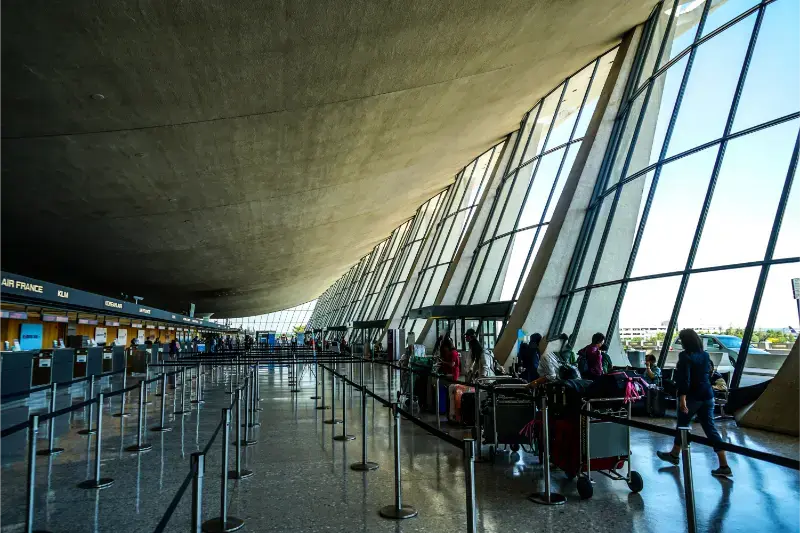
The route begins in northern Virginia, where access from Washington Dulles or Reagan National Airport may be convenient, and ends near Virginia Beach and Norfolk. It works in reverse as well, especially if your flight arrangements favor Norfolk International Airport. A one-way rental can save driving back across the state, but check drop-off charges before booking. Distances given in navigation apps may understate actual travel time through downtown traffic, Skyline Drive overlooks, or popular weekend highways. Think in terms of whole travel days rather than racing from one pin to the next.
Route overview and the best time to drive
Seven suggested overnight areas: Alexandria, Front Royal or Luray, Charlottesville, Richmond, Williamsburg for two nights, and Virginia Beach. The plan can be adjusted to spend an extra night in the mountains and less time on the coast. April through early June and September through October often provide comfortable sightseeing conditions, though temperatures vary greatly from beaches to ridge tops. Summer brings longer days but also humidity, thunderstorms, beach crowds, and traffic around major attractions. Fall color is never guaranteed on a specific date and can peak earlier at higher elevations than in the lowlands.
The state is large enough that the season affects the shape of your day. In winter, portions of Skyline Drive can close because of ice or weather, so an alternate valley route is essential. Summer travelers should do exposed hikes in the cooler morning hours and reserve indoor museums for thunderstorms. A traveler focused on swimming may prefer summer despite crowds; someone interested primarily in history and cities might have a more comfortable experience in spring or fall. Always plan around the activities you care about most rather than a single general ‘best month.’
Day 1: Old Town Alexandria and Mount Vernon
Begin with a walk through Old Town Alexandria. King Street provides a clear spine from the Metrorail area toward the Potomac, with shops, restaurants, and small historic landmarks along the way. Walk down rather than rush straight to the water. The side streets are part of the experience: they show how historic architecture fits into a living city rather than a preserved theme-park setting. A waterfront stop in the morning is especially pleasant before the area becomes busy, and a museum can be added if the weather turns wet.
Reserve the afternoon for George Washington’s Mount Vernon, south of Alexandria. It is not part of Old Town and deserves its own travel allowance. The estate offers more than the mansion: gardens, outbuildings, river views, exhibitions, and interpretation of slavery and the lives of people who sustained the plantation. Reserve a mansion time if your ticket requires one, then organize other parts of the grounds around it. Trying to see every exhibit in two rushed hours misses the site’s most significant historical context.
Sleep in Alexandria or another northern Virginia base, preferably somewhere that makes next morning’s drive straightforward. If you are collecting a rental car, consider doing so when you leave the Washington region rather than parking it unused through a largely walkable Old Town morning. Road congestion increases around commuter hours and can substantially change the apparent convenience of an accommodation near the highway.
Day 2: Enter Shenandoah National Park at Front Royal
Leave the Washington area early and head toward Front Royal, the northern entrance to Shenandoah National Park. Today’s purpose is not to drive every mile of Skyline Drive. Choose the northern portion and stop at several overlooks rather than trying to maximize the number of viewpoints photographed. The road follows the ridge, with frequent curves and speed restrictions. A short hike, a picnic, and three or four well-chosen viewpoints can fill a rewarding day even when the actual mileage is modest.
Visit a park visitor facility when available to ask about current trail conditions and weather. The Shenandoah Valley often looks different from one overlook to the next because of shifting light and haze. Some overlooks suit broad valley photography, while others reveal individual mountain ridges. If fog obscures the views, consider short woodland walks or drive to a lower elevation; do not assume waiting ten minutes will always clear the conditions.
A serious Old Rag Mountain hike is not a casual optional stop on this itinerary. It requires a demanding physical commitment and, during the regulated season, a separate day-use ticket as well as national-park admission. As of 2026, major improvements at the Old Rag main trailhead parking area also affect access. Build a dedicated day around Old Rag if it is your priority and remove other scheduled activities. This seven-day road trip instead favors a manageable ridge day and overnight stay in Front Royal or Luray.
Day 3: Luray Caverns, the Shenandoah Valley, and Charlottesville
Spend the morning in the Shenandoah Valley. Luray Caverns is a strong choice for travelers who want a change from mountain overlooks: its guided or managed underground route explores substantial chambers and mineral formations, independent of the outdoor weather. Check the current format and duration of admission, which may include other attractions on the property. Cave surfaces are delicate, and walking distances, steps, or accessibility conditions should be considered before purchasing admission for everyone in your group.
If caves are not your interest, use the morning for a slower drive through valley towns or another short hike near your overnight base. Then travel south toward Charlottesville. This is a transition day, so don’t fill the afternoon with several wineries and a long Monticello tour. Check into accommodation, visit the pedestrian Downtown Mall, and enjoy dinner without a strict itinerary. Charlottesville’s compact downtown offers a practical contrast to the expansive landscapes of Shenandoah.

Travelers who have an afternoon appointment at Monticello can switch the order, driving directly from Luray toward the estate. However, timed house tours need arrival allowances and the historic house is some distance from the downtown pedestrian district. Treat the day’s travel, parking, and orientation as activities that consume time. Staying overnight in Charlottesville removes the pressure to fit a mountain drive, a cavern, an estate tour, and a long transfer into a single daylight window.
Day 4: Monticello and a Richmond evening
Spend the morning at Monticello, Thomas Jefferson’s mountaintop estate outside Charlottesville. Give yourself enough time to experience both the architecture and the interpretation of enslaved families whose labor supported the property. A house tour is only one part of the visit; exhibitions, landscape interpretation, and the grounds add essential context. Select the ticket and timed experience carefully, since the estate offers different formats and special programs. The visitor center is separate from the mountaintop house, so arrive earlier than your reserved time.
In the early afternoon drive east toward Richmond. Rather than attempting every attraction in the Virginia capital, pick one: the Virginia Museum of Fine Arts for a substantial indoor visit, or a James River viewpoint and neighborhood walk if the weather is pleasant. Richmond’s history covers the Civil War, slavery and emancipation, commerce, contemporary arts, and urban river life. A balanced experience includes more than a quick visit to a single monument.
Sleep in Richmond. Choosing somewhere close to dinner options helps after a travel day; compare hotel parking policies with the convenience of walking to restaurants. If you’re more interested in Richmond than Jeffersonian history, skip Monticello and arrive earlier to visit both the museum and the riverfront. A useful road trip leaves space for different interests instead of requiring everyone to follow one rigid list.
Day 5: Richmond to Colonial Williamsburg
Enjoy an unhurried Richmond breakfast and then travel east to Williamsburg. Colonial Williamsburg’s historic streets create a large walkable 18th-century landscape, but the distinction between walking through public spaces and entering ticketed sites is important. Buying a ticket makes sense for visitors who want to enter selected buildings and participate in interpretive experiences. Without a ticket, a walk along Duke of Gloucester Street still offers a sense of the district, though the interior experiences that explain daily life and skilled trades will be more limited.
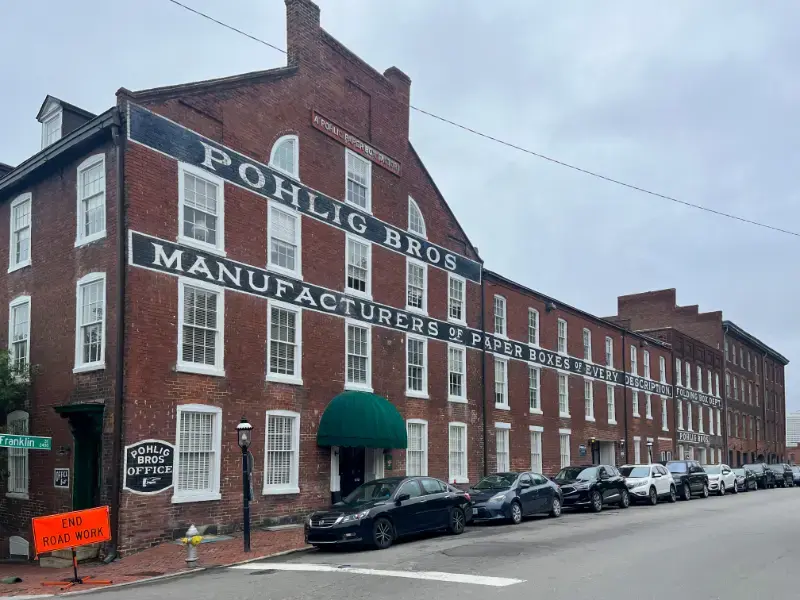
Do not over-schedule the first Williamsburg afternoon. Begin with orientation, select two or three experiences of interest, and leave time to enjoy craft demonstrations or interact with knowledgeable interpreters. Colonial history here includes the lives of enslaved people and free Black residents, Indigenous connections, trade, gender, and the politics of revolution. Choose programming that goes beyond a simple parade of prominent figures. Many activities vary by season and day, so a flexible schedule works better than a list copied from an outdated calendar.
Stay in Williamsburg for two nights. This is more efficient than changing hotels between Jamestown and Yorktown, and it makes tomorrow’s historic sites easier to combine. You may prefer an accommodation within walking distance of the Historic Area, but note that the district is extensive and some visitor parking is situated outside its central streets. Families who need evening downtime often benefit from a nearby hotel with easy access to food rather than the longest possible list of attractions.
Day 6: Historic Jamestowne and Yorktown Battlefield
Use day six for two closely related but different historical experiences. Historic Jamestowne is the actual early English settlement site on Jamestown Island and emphasizes archaeology, surviving landscape, and the complicated history of the colony. Jamestown Settlement is a separate living-history museum with its own tickets and exhibits, not another entrance to the same place. With limited time, choose the one aligned with your interests rather than assuming you can thoroughly visit both before lunch.
Move from Jamestown toward Yorktown later in the day. Yorktown Battlefield interprets the decisive 1781 campaign and the surrender of British forces to allied American and French armies. The National Park Service offers a visitor center and self-guided driving routes. Give the battlefield time beyond one monument or a photograph of the Victory Monument. If you prefer more interactive galleries than a car-based battlefield route, consider the American Revolution Museum at Yorktown, which is separately operated and ticketed.
Construction and routing changes can affect Colonial Parkway, the road connecting portions of the Historic Triangle. A navigation app may not accurately reflect every temporary work zone, so consult National Park Service updates and allow additional driving time. A ticket or pass valid for one managed historic site does not automatically grant admission to every neighboring museum. This is especially important at Jamestown, where fee arrangements involve both the National Park Service and Preservation Virginia.
Day 7: Virginia Beach and the Atlantic coast
Check out of Williamsburg and travel toward Virginia Beach. The resort Oceanfront is the simplest choice for a final-day walk, with its long boardwalk, hotels, restaurants, and designated cycle path. Swimming is most attractive in the warm season, but the beach can be pleasant for walks at other times. If you are arriving with only a few hours before an evening flight, focus on one part of the Oceanfront and a meal rather than driving to the more distant Sandbridge community.
Allow extra time for tunnel or bridge traffic if departing through Norfolk or continuing toward another region. A Norfolk departure can be practical but must be evaluated against the actual rental return point and flight schedule. If you have a late flight and the weather is poor, substitute an indoor stop such as a regional museum. The final day’s purpose is to enjoy the coast without jeopardizing transportation, not to squeeze an entire beach vacation into half a day.
Travelers who prefer wildlife to a resort beach can alter this route by planning extra time on the Eastern Shore for Chincoteague. It is not a minor detour from Virginia Beach: reaching the Eastern Shore involves the Chesapeake Bay Bridge-Tunnel and significant additional driving. Do not add Chincoteague as a casual lunch stop on day seven. To visit its refuge and beaches properly, remove another destination or extend the trip by one or two nights.
Where to sleep, driving costs, and booking choices
You will usually change accommodation on five of the six nights before the final coastal stop, although the two Williamsburg nights offer a welcome pause. This is an active trip with regular packing and checkouts. For couples or families who dislike frequent hotel changes, a more relaxed alternative is to split a week among three bases: northern Virginia, Charlottesville or Shenandoah, and Williamsburg or the coast. You would see fewer attractions but spend less time reorganizing luggage.
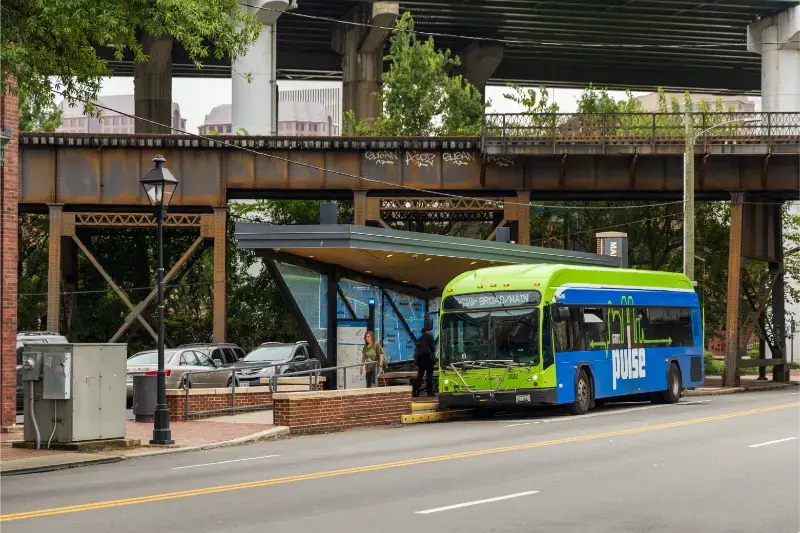
Costs vary by season and date, particularly around summer beach weekends, fall foliage, university events, and historic-area holidays. Consider parking charges in city hotels and possible one-way car rental fees when comparing offers. National park entrance fees, special Old Rag permits, estate tours, caverns, and Colonial Williamsburg admission are separate expenses. Restaurants and attractions also differ in cancellation terms. Keep a modest daily buffer for weather changes or unexpected ticket requirements rather than calculating a trip budget solely from the advertised hotel nightly rate.
Use official reservation pages for sites with timed admission. A low-cost hotel outside a city center may cost more overall if it requires long driving loops, paid parking, or rideshares every evening. For family trips, prioritize breakfast access, laundry, and a room layout that makes frequent travel manageable. In the mountains, mobile service may be inconsistent; download maps and keep a printed outline of hotel addresses and essential park information.
Practical driving and safety notes
The main interstate network supports this route, but mountain roads and scenic byways require slower driving. Skyline Drive is for views and wildlife observation, not saving travel time. Fog and ice can limit visibility at any time of year; check park alerts before heading uphill. In urban areas, do not leave luggage visible in a parked vehicle. Most large attractions have designated parking lots, but check whether the entrance used by navigation corresponds to the actual visitor facility.
Make a realistic plan for hydration and walking. Historic estates and outdoor districts require substantial time on foot, while caverns may have uneven or enclosed areas. A child who enjoys one museum may find a second long tour exhausting in the same day. Build meal breaks into the itinerary rather than treating them as interruptions. At the beach, heed lifeguard flags and current warnings even if swimming appears calm from shore.
Frequently asked questions
Is seven days enough to see Virginia?
Seven days can cover a selected northern Virginia–Blue Ridge–Richmond–Historic Triangle–coast route, but not every significant destination. Add days for hiking, Chincoteague, or a relaxed beach stay.
Can I make the trip without a rental car?
Only parts work well by rail, bus, or local transit. Alexandria and some Richmond sights are manageable without driving, but the park, caverns, estates, and mountain sections are far more convenient with a car.
Should I stay in Williamsburg or Yorktown?
Williamsburg makes a practical two-night base for the Historic Triangle, with a wider range of accommodation and dining. Yorktown may suit travelers who prioritize the waterfront and battlefield.
Is Skyline Drive always open?
No. Weather, ice, storms, and other conditions may close sections. Check official Shenandoah National Park alerts immediately before travel.
Can Chincoteague be added to Virginia Beach as a short detour?
Not comfortably. The journey around the Chesapeake Bay and onto the Eastern Shore needs significant extra time; an additional overnight is a better choice.
For more trip ideas, use our Virginia travel hub. Plan a longer capital-region visit with the Washington, DC guide.
Official trip-planning resources
Use the Shenandoah National Park alerts, Mount Vernon ticket information, Monticello visitor details, Colonial National Historical Park information, and the relevant Virginia state tourism resources before finalizing the itinerary. This route is a framework; current access and the interests of your travel group should determine the final stops.