

Choosing where to stay in California is really a routing decision. The state is too large for one “central” base, and the wrong hotel location can add hours of driving even when the nightly rate looks attractive. The best approach is to choose a small number of bases that match the experiences you actually want, then move only when the next destination is far enough away to justify it.
This guide focuses on the most useful bases for first-time trips and explains who each area suits, how long to stay and what tradeoffs to expect. It is not a hotel list; it is a strategy for deciding where accommodation should fit into a California itinerary.
Compare available accommodation for your dates, budget and preferred location before you finalize your route.
In this guide
- Best bases
- Los Angeles
- Santa Barbara
- Central Coast
- Monterey/Carmel
- San Francisco
- Yosemite
- San Diego
- Desert
- Wine country
- Lake Tahoe
- Hotel changes
- Trip types
- Booking strategy
The best California bases at a glance
| Base | Best for | Typical stay |
|---|---|---|
| Los Angeles | Entertainment, museums, neighborhoods, beaches, food | 3–5 nights |
| Santa Barbara | Elegant coast, relaxed stop, wine-country access | 1–2 nights |
| San Luis Obispo / Cambria | Central Coast, slower road-trip pacing | 1–2 nights |
| Monterey / Carmel | Big Sur access, aquarium, coastal scenery | 1–2 nights |
| San Francisco | Car-free city sightseeing, Bay Area | 3–4 nights |
| Yosemite / gateway towns | National park access | 2–4 nights |
| San Diego | Beaches, Balboa Park, family travel | 3–5 nights |
| Palm Springs / Joshua Tree towns | Desert, design, winter sun | 2–3 nights |
| Napa / Sonoma | Wine, food, slower countryside stay | 1–3 nights |
| Lake Tahoe | Mountain lake, skiing, hiking | 2–4 nights |
Los Angeles: choose the neighborhood before the hotel
Los Angeles is the place where a cheap hotel in the wrong location costs the most in time. Our detailed where to stay in Los Angeles guide compares neighborhoods, but the broad rule is simple: stay near the part of the city you plan to use most. Westside/coastal areas work for beaches; West Hollywood/Beverly Grove are central for nightlife, dining and museums; Hollywood suits first-time landmark access; Downtown can work for events, culture and transit-oriented plans.
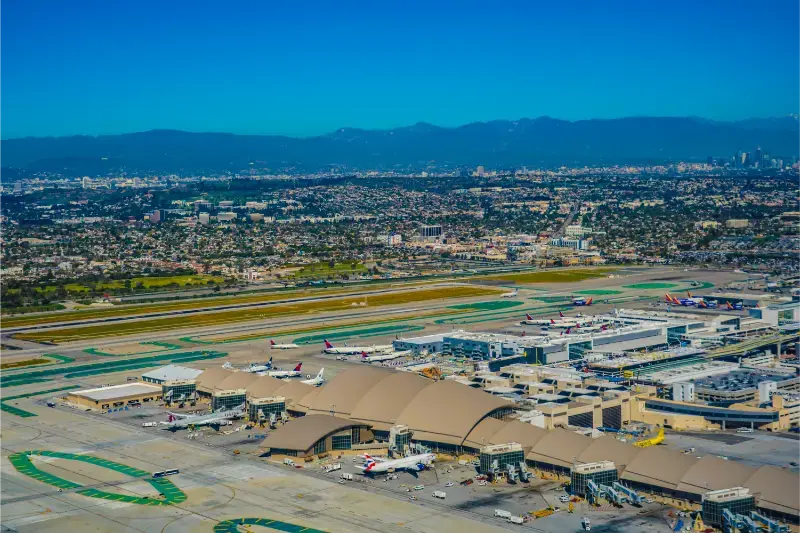
Do not choose a hotel at LAX for a multi-day sightseeing stay unless airport convenience is the main goal. Likewise, Anaheim is excellent for Disneyland but poor for daily LA sightseeing. Southern California is better when you treat Los Angeles, Orange County and San Diego as separate bases rather than commuting across them repeatedly.
Santa Barbara: one of the easiest road-trip overnights
Santa Barbara is ideal for travelers driving north from Los Angeles who want a first night that already feels like a destination. Staying close to downtown or the waterfront allows you to park once and walk to restaurants, shops and the beach.
Use Santa Barbara for one night on a fast route or two nights if you want the Santa Ynez Valley, wine tasting or a slower coastal day. It is usually better to sleep here than to push late into the Central Coast after a full Los Angeles morning.
San Luis Obispo, Pismo Beach or Cambria: choose by road-trip rhythm
These Central Coast bases solve different problems. San Luis Obispo offers the strongest town center and dining choice; Pismo Beach puts you directly on the coast; Cambria is farther north and positions you closer to Hearst Castle and the southern approach to Big Sur.
If your next day is a major Big Sur drive, Cambria reduces morning mileage. If you want wineries, restaurants and a lively town, San Luis Obispo is more versatile. This is a good example of choosing accommodation for the next day’s route, not just tonight’s view.
Monterey or Carmel: best bases for the north end of Big Sur
Monterey is practical for families, the aquarium, Cannery Row and a broad hotel range. Carmel is smaller, more romantic and visually charming, with easy access to the beach and restaurants. Both work for Big Sur, and the drive between them is short enough that you do not need to change hotels.
Stay one night on a faster LA–SF road trip, or two if you want the aquarium, 17-Mile Drive, Point Lobos and a proper Big Sur day. If Highway 1 conditions are uncertain, Monterey/Carmel is also a flexible base because you can explore accessible northern sections without committing to through travel.
San Francisco: central, transit-friendly and usually better without a car
San Francisco has many workable visitor neighborhoods. Union Square has the largest hotel concentration and transit convenience; Fisherman’s Wharf offers easy access to classic waterfront sights; Embarcadero is strong for bay views and transit; neighborhoods such as Nob Hill can provide atmosphere while keeping central access.
For most city-focused stays, a rental car is unnecessary and parking can be expensive. If you are arriving from a road trip, return the car on arrival. If Yosemite or wine country comes next, rent again when you leave. That simple decision can save money and remove daily parking stress.
Yosemite: inside the park vs gateway towns
The best Yosemite accommodation is the one that protects your park time. Staying inside the park minimizes driving and makes sunrise, evening and early trail starts easier, but rooms and campgrounds are limited. Gateway towns can offer more choice but add commute time.
Before booking a cheaper room far away, calculate the round-trip driving time for two or three park days. A one-hour commute each way effectively spends two hours of every day on access. If Yosemite is a priority, location is often worth paying for.
San Diego: pick coast, downtown or neighborhood life
Downtown and the waterfront suit first-time sightseeing, events and easy access to Balboa Park. La Jolla is excellent for coast and a more scenic resort-like stay. Pacific Beach and Mission Beach feel younger and more beach-oriented; Coronado is relaxed and picturesque but separated from many city attractions.
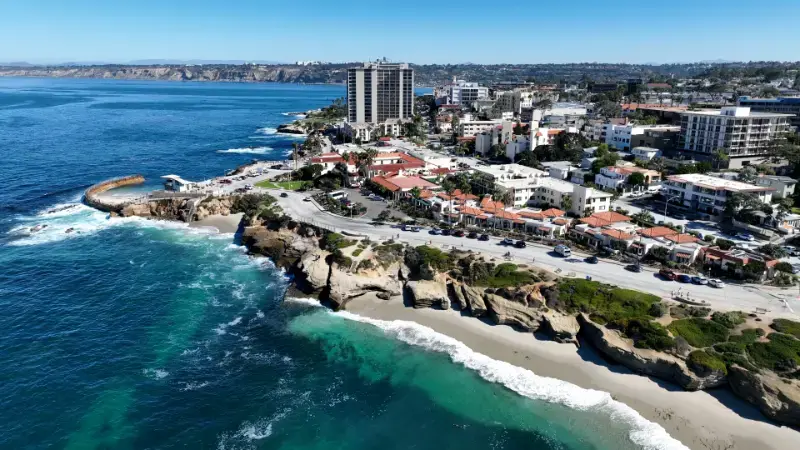
San Diego is spread out but less punishing than Los Angeles. Three or four nights in one base is usually better than changing neighborhoods.
Palm Springs or Joshua Tree area: resort convenience vs park proximity
Palm Springs has the widest choice of resorts, restaurants and design-oriented experiences, while towns near Joshua Tree National Park reduce the drive for sunrise, sunset or hiking. If your trip is primarily about the park, stay closer to an entrance. If you want pools, dining and architecture with one park day, Palm Springs is the stronger base.
In summer, hotel prices can be attractive because the heat is intense. Do not interpret a low rate as evidence that outdoor sightseeing will be comfortable.
Napa Valley or Sonoma: stay where you plan to taste
Wine-country accommodation is expensive, but staying locally solves the most important logistical issue: drinking and driving. Choose a town or area around the wineries and restaurants you intend to visit, then arrange a driver, tour or other transport if needed.
Napa is more concentrated around its famous valley; Sonoma County is broader and can require more driving. One night works as a taste, but two gives the region enough time to feel like more than a day trip.
Lake Tahoe: north shore, south shore or ski base?
South Lake Tahoe has the largest concentration of hotels, restaurants and entertainment. North Shore communities feel quieter and spread out. Ski trips should be planned around the specific mountain and winter road conditions rather than lake geography alone.
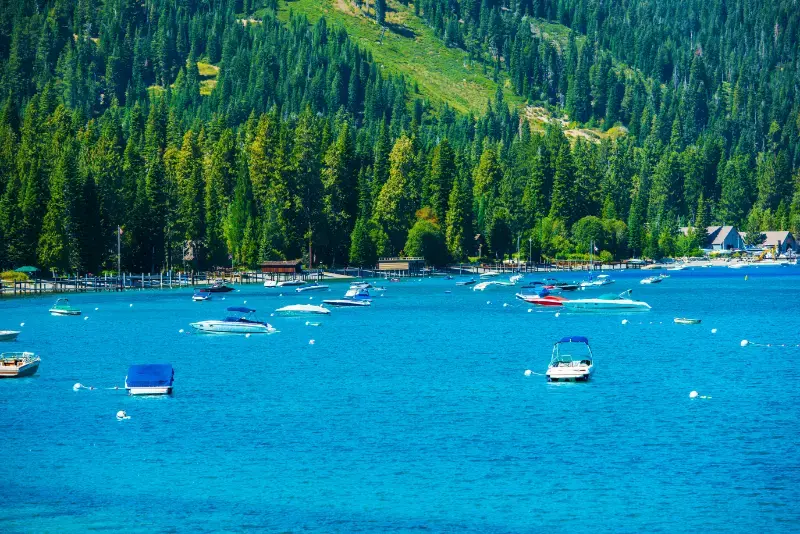
In summer, beach and trail access may matter more than nightlife. On holiday weekends, traffic around the lake can be heavy enough that staying near your priority activities makes a meaningful difference.
How many hotel changes are too many?
One-night stays are sometimes necessary on a road trip, but they create hidden costs: packing, parking, check-in timing, luggage security and a tendency to rush the afternoon. On a two-week first trip, four to six bases is usually more enjoyable than eight or nine.
A California itinerary improves dramatically when you stop asking “how many places can we sleep?” and start asking “which places deserve two full mornings?”
Best areas by trip type
| Trip type | Strong bases |
|---|---|
| First-time California | Los Angeles, Central Coast, San Francisco, Yosemite |
| Family trip | Anaheim/LA split if Disney matters, San Diego, Monterey, Yosemite |
| Romantic coast | Santa Barbara, Carmel, Big Sur area, Sonoma/Napa |
| National parks | Yosemite gateway/inside park, Sequoia area, desert park gateway |
| Car-free city trip | San Francisco; selected Los Angeles neighborhoods with transit/rideshare |
| Winter sun | Los Angeles, San Diego, Palm Springs, Joshua Tree area |
Booking strategy
- Book the hardest location first—usually Yosemite, Big Sur-area lodging, a special resort or a peak-event city stay.
- Then secure the first and last nights around flight times.
- Choose city neighborhoods based on your actual daily plan, not the cheapest map pin.
- Keep cancellation flexibility where road or wildfire conditions could affect the route.
- Review parking fees, resort fees and destination fees before comparing final prices.
- For one-night road-trip stops, prioritize easy access and safe luggage handling over luxury.
Common accommodation mistakes in California
- Staying at an airport hotel for several sightseeing days.
- Booking Anaheim and assuming it is a convenient Los Angeles base.
- Choosing a distant Yosemite gateway without calculating commute time.
- Keeping an expensive rental car parked in San Francisco for days.
- Changing hotels every night on the coast.
- Booking desert resorts in summer without understanding the heat.
- Ignoring parking and mandatory fees when comparing nightly rates.
Official planning sources
- Visit California – Places to Visit — official destination overview
- Yosemite National Park – Lodging — official in-park and nearby lodging planning
- San Francisco Travel – Neighborhoods — visitor neighborhood orientation
- Discover Los Angeles — official Los Angeles destination information
Keep planning California
Use the 2-week California road trip to see how these bases fit together, and consult Best Time to Visit California before locking in mountain or desert stays.