

Choosing where to stay in Miami changes the trip more than choosing between two similar hotels. South Beach, Brickell, Downtown, Mid Beach and Coconut Grove are not interchangeable: they determine whether your evenings are walkable, whether you pay for parking, how often you cross the causeways and whether the beach is outside the door or a separate excursion.
This guide compares the strongest areas for first-time visitors. For the full city strategy, read our Miami Travel Guide.
Compare available accommodation for your dates, budget and preferred location before you finalize your route.
Where to stay in Miami at a glance
| Area | Best for | Main trade-off |
|---|---|---|
| South Beach | First timers, beach, Art Deco, nightlife | Higher rates/parking, can be noisy. |
| South of Fifth | Couples, polished beach stay, quieter nights | Premium pricing. |
| Mid Beach | Resort feel, families, pool/beach time | Less walkable for major sightseeing. |
| North Beach | Quieter beach vacation, longer stays | Farther from South Beach nightlife. |
| Brickell | Restaurants, skyline, Metromover, urban stay | No beach outside the hotel. |
| Downtown | Events, museums, transit, short city stays | Less resort atmosphere. |
| Coconut Grove | Couples, greenery, local feel | Not central for daily South Beach plans. |
| Coral Gables | Architecture, dining, calm streets | More car/rideshare dependent for headline sights. |
Compare accommodation: compare hotels and other stays on Booking.com.
South Beach: best for the classic first trip
Stay here if you want the beach, Art Deco district, restaurants and nightlife to be walkable. It is especially strong for a two- or three-night first visit where the ocean matters as much as the city. The downside is that parking can be expensive and certain blocks are lively late into the night.
Check the exact street, not just the label “South Beach.” A hotel near South Pointe feels different from one near the busiest part of Ocean Drive. Read recent noise and room-condition reviews rather than judging only by star rating.

South of Fifth: best for a quieter upscale South Beach
The southern tip of Miami Beach combines access to South Pointe Park, beach paths and restaurants with a calmer residential atmosphere. It suits couples and travelers willing to pay more for location and reduced nightlife spillover.
Mid Beach: best for resort time
Mid Beach is attractive if your hotel pool, beach service and resort facilities are a meaningful part of the vacation. You can still reach South Beach, but the stay is less about stepping into the Art Deco core every evening. Families often appreciate the extra space and calmer feel.
North Beach: best for slower beach days
North Beach offers a more residential rhythm and can be a good fit for repeat visitors or families who prioritize sand over nightlife. Free Miami Beach trolley routes can help with movement along the island, but do not choose North Beach if every night’s plan is in South Beach.
Brickell: best for urban Miami and dining
Brickell works for travelers who like modern towers, restaurants and an evening city atmosphere. The free Metromover makes local movement easy, and you can reach other parts of the metro area by transit or rideshare. The obvious trade-off is that the famous ocean beach is not outside your hotel.
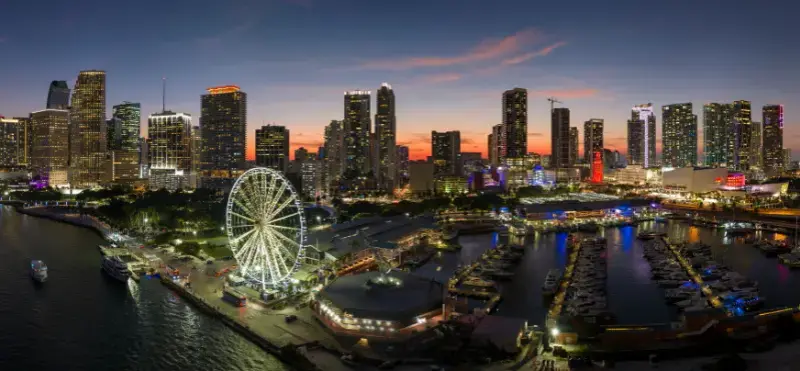
Downtown: best for events, museums and transport links
Downtown is practical for the arena, Bayfront, museums and transit connections. It can work especially well on a short business-plus-leisure stay or if you are arriving without a car. Compare the micro-location carefully because the pedestrian atmosphere varies block by block.
Coconut Grove: best for couples and repeat visitors
Coconut Grove feels lush, older and more neighborhood-oriented. Restaurants, waterfront parks and access to Vizcaya create a strong two- or three-day base for travelers who have already “done” South Beach or simply prefer quieter evenings.
Coral Gables: best for calm streets and architecture
Coral Gables is attractive for dining, historic architecture and a more polished residential environment. It is less convenient if your sightseeing list is dominated by Miami Beach and Wynwood, so it works better with a car or selective rideshare use.
Do you need a car at your Miami hotel?
If you stay in South Beach and plan a short city trip, a car can be more burden than benefit once parking is included. Brickell and Downtown also work well without one for part of the stay because of Metromover and Metrorail connections. Coconut Grove and Coral Gables can be manageable with rideshare, but a car becomes more useful for Everglades, Key Biscayne or a Florida road trip.

Parking can erase a cheap-room advantage
Always add nightly parking before comparing hotels. In dense areas, valet fees and resort charges can make a room that looked cheaper online more expensive than a better-located property. If you only need a car for the second half of the trip, consider renting it when you leave Miami rather than at the airport on arrival.
Resort fees and beach service
Some beachfront hotels charge destination or resort fees that may include chairs, towels, bikes or other amenities. Whether that is good value depends on whether you will use them. Compare total price and included benefits, not only the room rate.
Best area for families
Mid Beach and North Beach often suit families who want easier beach time and less nightlife. South of Fifth can also work beautifully if budget allows. Families prioritizing museums, urban attractions or an apartment-style stay may prefer Brickell.
Best area for nightlife
South Beach is the obvious choice for clubs and a visitor-heavy nightlife scene. Brickell offers bars and lounges in a more urban tower district, while Wynwood is better reached as an evening destination than chosen automatically as a hotel base for a first trip.
Best area for a romantic trip
South of Fifth, a high-quality Mid Beach resort and Coconut Grove are three very different romantic options: ocean glamour, resort relaxation or tropical neighborhood atmosphere. Choose the version of Miami you actually want rather than the most famous postal code.
Best area before a cruise
Downtown and Brickell are practical for PortMiami because you are close to the port and have dining/transit options. Build in a hotel night before the cruise rather than relying on a same-day flight connection, especially during seasons when weather can disrupt aviation.
How to choose between Miami Beach and mainland Miami
- Choose Miami Beach if waking up near the ocean is central to the trip.
- Choose Brickell/Downtown if restaurants, events, skyline and transit matter more than daily beach access.
- Choose Coconut Grove if you want a leafy neighborhood and slower evenings.
- Split the stay only if you have at least four or five nights; otherwise, changing hotels costs more time than it saves.
A simple first-timer decision
For a three-night first visit, stay in South Beach if the beach and Art Deco are top priorities; stay in Brickell if you prefer a modern city base and plan to rideshare to the beach; stay in Coconut Grove if you actively want the quieter, greener version of Miami. Once that decision is clear, hotel comparison becomes much easier.
Useful official resources
Should you split a Miami stay between beach and mainland?
Only if you have enough nights to benefit. With four or five nights, two nights in South Beach followed by two or three in Coconut Grove or Brickell can reveal two very different versions of the city. With only two or three nights, the packing and check-in time usually outweighs the transport saved.
What about airport hotels?
An airport hotel is practical for a late arrival, early departure or one-night connection before the Keys. It is not a good sightseeing base for a normal Miami vacation. Saving money on the room can disappear quickly in rideshare costs and lost evening walkability.

Accessibility questions to ask the hotel directly
- Is the accessible room type guaranteed, not only requested?
- Is the shower roll-in or tub-based?
- Is accessible parking included and close to the entrance?
- Does the pool have a lift if needed?
- If the property advertises beach access, is there an accessible route to the sand and are beach mobility devices available nearby?
Do not rely only on a generic accessibility icon on a booking platform. Miami hotels range from historic Art Deco buildings to new towers, so the details vary substantially.
The “one causeway too many” test
Before booking, map one typical day at the hour you expect to travel. If the hotel requires repeated causeway crossings for breakfast, sightseeing, beach time and dinner, choose a different base or group activities more intelligently. Miami traffic becomes far less frustrating when each day has a geographic theme.
Best Miami base if you do not want to drive
For a short car-free trip, South Beach and Brickell/Downtown are the easiest choices for different reasons. South Beach lets you walk to the ocean, Art Deco streets and many restaurants; Brickell/Downtown gives you free Metromover access and better rail connections. You will still use rideshare or buses for some cross-bay trips, but you avoid daily hotel parking and the stress of navigating unfamiliar streets.
Coconut Grove can also work without a car if the itinerary is intentionally local, but it is less efficient for repeated beach visits. The mistake is not “traveling without a car”; it is booking a car-free trip in a location that forces expensive long rides every day.
Best Miami base before driving to the Florida Keys
If you plan to pick up a rental car and drive south after Miami, Coconut Grove, Coral Gables or an airport-adjacent pickup can simplify the departure compared with collecting a car from a busy South Beach garage. You can spend the city portion without a vehicle, then start paying rental and parking costs only when the road trip begins.