

14-Day Wisconsin Road Trip: Milwaukee, Madison, Door County, Northwoods & Apostle Islands. Two weeks is enough time to see Wisconsin as a connected landscape rather than a string of unrelated stops. This loop starts with the urban energy of Milwaukee and Madison, moves through the rolling Driftless Area, reaches Lake Superior at Bayfield and the Apostle Islands, crosses the Northwoods, then returns south through Green Bay, Door County and Wisconsin Dells. The route is deliberately paced around two-night bases and outdoor flexibility instead of changing hotels every evening.
- 1Days 1–2: Milwaukee
- 2Days 3–4: Madison and the capital region
- 3Day 5: Driftless Area and La Crosse
- 4Day 6: Eau Claire
- 5Day 7: to nine; fatigue is a real planning variable on a trip with this many geographic changes
- 6Days 7–8: Bayfield and Apostle Islands
- 7Days 9–10: Northwoods
- 8Day 11: Green Bay
- 9Days 12–13: Door County
- 10Day 14: Wisconsin Dells, Devil’s Lake and return
Why this route works
Wisconsin’s strongest trip combines Great Lakes shoreline, smaller cities, food culture and outdoor regions. The route works because each transfer changes the landscape: Lake Michigan architecture gives way to Driftless bluffs, northern forest and Lake Superior, then to Door County’s villages and the sandstone country around Wisconsin Dells. It also creates natural backup options when weather disrupts a boat trip or beach day.
Compare current accommodation options and choose a base that fits the actual shape of your itinerary.
Check hotels and stays14-day Wisconsin itinerary
Days 1–2: Milwaukee
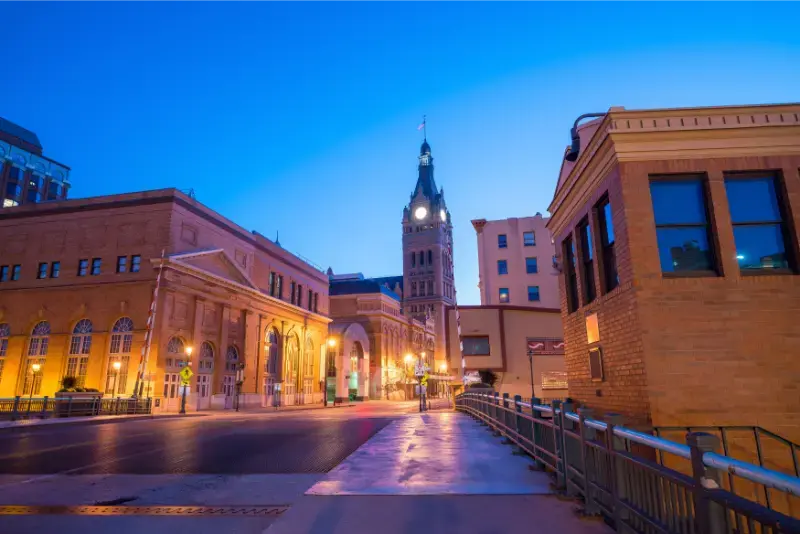
Use two days for the lakefront, Historic Third Ward, Public Market, museums and one neighborhood beyond downtown. Milwaukee is a comfortable opening because you can settle into the trip without immediately committing to a long drive. Keep one evening open for a brewery, fish fry or food tour, and avoid moving the car repeatedly once you have a central parking solution.
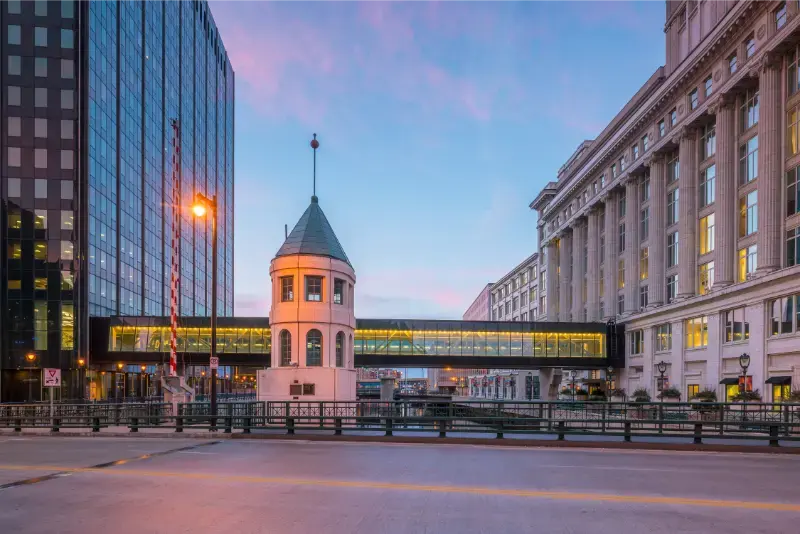
Days 3–4: Madison and the capital region
Drive west to Madison for the Capitol, lakes, university area, food scene and an easy outdoor break. A second day lets you add nearby parks or Cave of the Mounds without turning the city into a rushed overnight stop. If your visit overlaps a major university event, reserve accommodation early because rates can change dramatically.
Day 5: Driftless Area and La Crosse
Continue through southwestern Wisconsin’s ridges and river valleys. The Driftless Area feels unlike the glaciated landscapes that dominate much of the state, and La Crosse makes a practical riverfront base. Follow scenic roads rather than the fastest highway if daylight and weather are good; this is one of the stages where the drive is part of the experience.
Day 6: Eau Claire
Use Eau Claire as a bridge between the Mississippi side of the state and northern Wisconsin. Riverfront paths, music culture and a compact downtown make this an easy lower-intensity day. A lighter day here protects energy before the longer northern transfer to Lake Superior.
Days 7–8: Bayfield and Apostle Islands
Base in Bayfield for Lake Superior scenery, cruises, islands, orchards and shoreline walks. Weather determines whether a boat day is comfortable, so two nights are far more useful than a single fixed excursion. Cold water, wind and fog can affect plans even in summer. Check NPS conditions and tour operators shortly before departure.
Days 9–10: Northwoods
Head inland toward Minocqua and the lake country. The appeal here is not one must-see attraction but time on the water, forest roads, fishing, paddling and cabin culture. Choose one base and resist driving from lake to lake all day. The Northwoods works best when the itinerary slows down.
Day 11: Green Bay
Green Bay gives the route a cultural and urban reset. Lambeau Field, Titletown, museums and waterfront areas can fill a day without the logistics of a major metro. If you want a stadium tour, check the current operating calendar because event days can change access.
Days 12–13: Door County
Spend two nights among Door County’s villages, shoreline parks and lighthouses. One day can focus on the peninsula’s central villages, while the second is better for a state park, Washington Island or quieter northern stops. Door County is extremely popular on summer and fall weekends; accommodation and dinner reservations can matter more here than in many other Wisconsin regions.
Day 14: Wisconsin Dells, Devil’s Lake and return
Finish with either a family-focused Wisconsin Dells stop or a hiking morning around Devil’s Lake before returning toward Milwaukee. Do not attempt both at full scale if you have a fixed flight or long onward drive. Leave a large time buffer on the final day and treat the last attraction as optional rather than risking a missed departure.

How to plan the road trip
Best direction to drive
The loop can be driven clockwise or counterclockwise, but this sequence places the longest northern section after several moderate days and saves Door County for late in the trip. Reverse it when seasonal lodging prices or weather make the north more attractive earlier.
Best season
Late spring through early fall offers the broadest combination of open attractions and comfortable driving. Summer brings the most water-based options, while fall trades swimming for foliage and very high demand in Door County and northern forest regions.
How to pace the route
Wisconsin rewards slower regional clusters more than a checklist approach. Keep long transfers away from days that already contain a major hike, ferry or timed attraction. Two-night bases are especially valuable in Door County, Bayfield and the Northwoods because weather can reshuffle outdoor plans. A flexible final afternoon in each region is more useful than squeezing in one more distant stop.
Driving and parking
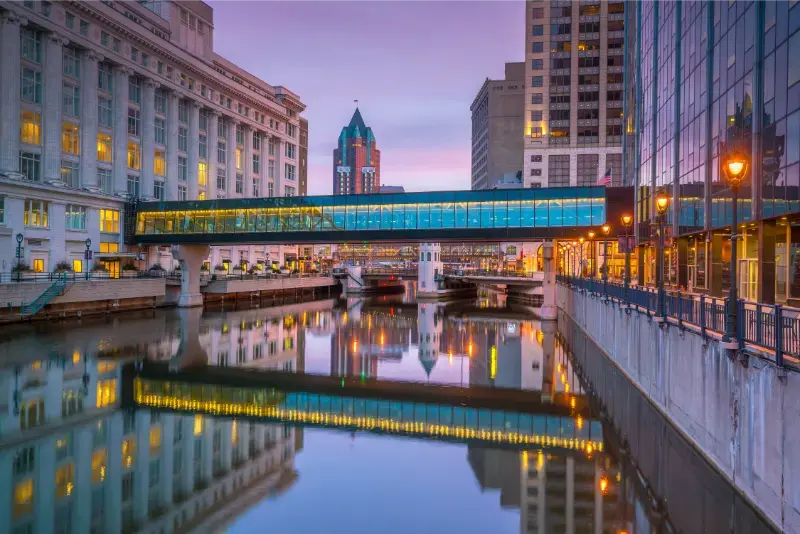
A car is the practical choice for this route. Downtown Milwaukee and Madison are walkable once parked, but Door County, the Northwoods and Lake Superior gateways require road travel. Fill the tank before remote stretches, download offline maps and avoid assuming rideshare coverage will be reliable outside larger cities. Parking rules vary widely between downtowns, trailheads and waterfront access points.
Reservations that matter
Book limited boat trips, summer weekends, fall-color stays and high-demand campgrounds first. Ordinary museum visits and casual meals usually allow more flexibility. When weather determines whether a cruise, paddle or hike is enjoyable, keep at least one movable day rather than prepaying every hour of the itinerary.
For a multi-stop Wisconsin trip, compare vehicle options, one-way fees and pickup locations before locking in the route.
Compare rental carsA practical first-time plan
For a first trip, protect Milwaukee, Madison, one Lake Superior base and Door County as the core. If two weeks feels too ambitious, remove either the Driftless/Eau Claire section or the Northwoods rather than compressing every region into one night. Travelers with more time can add Green Bay, New Glarus, Kohler or a longer Apostle Islands stay.
Food, local culture and responsible travel
Food is part of the route rather than a separate attraction: Milwaukee beer heritage and markets, Madison’s farm-to-table scene, Driftless producers, Northwoods supper clubs and Door County cherries all belong naturally in the geography of the trip. Respect small communities by parking legally, avoiding private shoreline access and treating working farms and residential roads as lived-in places rather than photo sets.
Common planning mistakes to avoid
- Changing hotels every night instead of using regional bases
- Assuming Great Lakes weather will match inland forecasts
- Booking every outdoor hour before seeing the weather
- Underestimating driving time between Bayfield, the Northwoods and Door County
- Leaving Door County lodging until the last minute in peak season
Route resilience and trip design
A two-week road trip benefits from thinking in regions rather than attractions. If weather cancels a Lake Superior cruise, move the Northwoods driving day forward and use the clear-weather window later. If Door County is sold out, Green Bay or Sturgeon Bay can become the practical base. Keep one laundry/rest block around days seven to nine; fatigue is a real planning variable on a trip with this many geographic changes. Travelers flying in and out of Milwaukee should also protect the final night within an easy drive of the airport rather than sleeping in Door County and gambling on traffic or weather the morning of departure.
Budgeting a two-week loop
A two-week Wisconsin route has three major cost drivers: lodging, vehicle use and high-demand experiences. Milwaukee and Door County can be expensive on event or summer weekends, while Northwoods cabins vary widely by lake and amenities. Compare full lodging costs rather than nightly rates alone, especially when parking or resort fees apply. Fuel costs are predictable compared with boat tours, ferry tickets and premium weekend stays. One useful approach is to choose two splurge stops—perhaps Door County and Bayfield—and keep city stays or inland nights more moderate.
What to cut if time disappears
If weather, fatigue or flight changes remove a day, do not shrink every stop. Cut one region cleanly. The easiest reductions are Eau Claire, Green Bay or a Northwoods night depending on your priorities. Keep the Lake Superior section intact if Apostle Islands is a major reason for the trip, and keep two nights in Door County if you have already booked a ferry or special dinner. Protecting the rhythm of the remaining route produces a better trip than turning every destination into a drive-through.
Road-trip food strategy
Plan food geographically as well. Milwaukee works for markets and brewery culture, Madison for restaurants and farmers-market energy, the Driftless region for farm-driven food, the Northwoods for supper-club culture and Door County for cherries and fish-boil traditions. Reserve only the meals that matter most. Keeping some lunches casual prevents the trip from becoming a series of fixed appointments and lets you adjust when scenic drives or weather take longer than expected.
Luggage, laundry and hotel changes
Frequent hotel changes create more friction than many road-trip planners expect. Pack in smaller bags or use packing cubes so you are not unpacking the entire car every night. Schedule laundry around the middle of the trip, ideally in Eau Claire, Bayfield or the Northwoods depending on your lodging. Never leave passports, electronics or medication visible in a parked car, especially when stopping at trailheads between hotels.
Who this route suits best
This itinerary suits travelers who enjoy variety more than a single resort stay. It is especially good for couples, families with older children and repeat Midwest visitors who are comfortable driving several hours on transfer days. Travelers who prefer nightlife every evening should spend more time in Milwaukee and Madison; hikers may want extra nights at Devil’s Lake or in the Northwoods; boat-focused travelers should add flexibility around Bayfield and Door County.
Frequently asked questions
Is 14 days enough for Wisconsin?
Yes, if you use regional bases and accept that the trip is a sampler rather than a complete tour of every corner of the state. Two weeks is enough for a strong mix of cities, shoreline, Northwoods and Door County.
Can I do this road trip without a car?
Not realistically in this form. Milwaukee and Madison work without a car, but the Lake Superior, Northwoods and Door County sections depend on road travel.
Should I include Apostle Islands and Door County on the same trip?
Yes, with enough time. They offer different Great Lakes experiences: Apostle Islands feels wilder and more weather-dependent, while Door County is easier for villages, parks and dining.
Compare current accommodation options and choose a base that fits the actual shape of your itinerary.
See current accommodation optionsContinue planning Wisconsin
- Milwaukee Wisconsin Travel Guide
- Madison Wisconsin Travel Guide
- Door County Wisconsin Travel Guide
- Apostle Islands National Lakeshore Guide
- Minocqua & Wisconsin Northwoods Travel Guide
- Best Scenic Drives in Wisconsin