

California’s coastline is too varied for one beach ranking to work. A family looking for broad sand and lifeguard infrastructure needs a different beach from a surfer, a photographer, a tide-pool enthusiast or a road-tripper who wants a dramatic cliffside stop. The best California beach is therefore the one that matches the coast you are already visiting and the experience you actually want.
This guide organizes the best beaches in California by region and travel style, from San Diego to the far north. It also explains the Pacific realities visitors sometimes underestimate: cold water, powerful surf, marine layer, tides, limited parking and the fact that a spectacular beach is not automatically a safe swimming beach.
Best California beaches at a glance
| Best for | Beach / area |
|---|---|
| Classic Southern California day | La Jolla Shores, San Diego |
| Surf culture | Huntington Beach |
| Scenery + town | Laguna Beach coves |
| Los Angeles icon | Santa Monica / Venice |
| Dramatic Central Coast | Pfeiffer Beach / Big Sur area |
| White sand + village | Carmel Beach |
| Wild Northern California | Trinidad / Redwood Coast beaches |
Before choosing a beach: understand the Pacific
California beaches are not Mediterranean beaches. Ocean temperatures are cool, currents can be strong and surf can become dangerous quickly. Northern and Central California beaches are often better for walking, photography and wildlife than swimming. Always follow lifeguard instructions and posted warnings.
On exposed northern beaches, sneaker waves can run much farther up the sand than expected. Never turn your back on the ocean near logs or steep shorelines. Tide tables matter for coves and tide pools; a route that is easy at low tide may disappear at high tide.
1. La Jolla Shores, San Diego
La Jolla Shores is one of the easiest all-round beach choices for first-time visitors because it combines a broad sandy beach with nearby restaurants, family appeal and access to kayaking or other water activities when conditions allow. The surrounding La Jolla area adds coves, sea-life viewing and coastal walks.
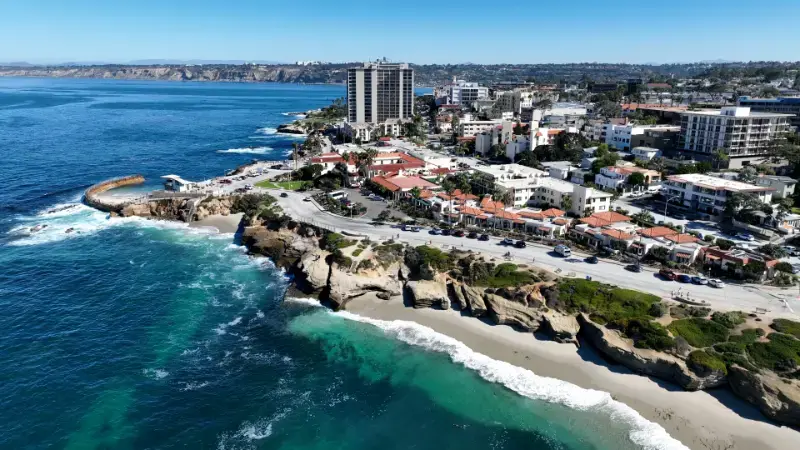
Parking can be difficult on warm weekends. Arrive early or treat the beach as part of a larger La Jolla day using our San Diego travel guide.
2. Coronado Central Beach
Across the bay from downtown San Diego, Coronado offers a wide, flat shoreline and an easy resort-town atmosphere. It is particularly good for families and long walks. The beach pairs naturally with cycling or an afternoon around Orange Avenue.
3. Torrey Pines State Beach
Torrey Pines combines sand with sandstone cliffs and hiking above the Pacific. It is better for travelers who want landscape and trails than a purely urban beach day. Cliff areas can be unstable, so respect all closure lines and avoid sitting directly below eroding bluffs.
4. Laguna Beach coves
Laguna Beach is not one single beach but a collection of coves and sandy stretches backed by one of Orange County’s most attractive towns. Main Beach is central and easy; smaller coves can feel more intimate but have limited parking and different surf/tide conditions.
5. Huntington Beach
Huntington Beach is the classic surf-culture choice: broad sand, a long pier, bike paths and an oceanfront city built around beach life. It suits travelers who want an energetic all-day beach environment rather than a hidden cove.
6. Crystal Cove State Park
Between Laguna Beach and Newport Beach, Crystal Cove protects a more natural stretch of Orange County coastline with trails, bluffs, tide pools and historic cottages. It is one of the best choices when you want nature without leaving the urban Southern California corridor.
7. Santa Monica State Beach
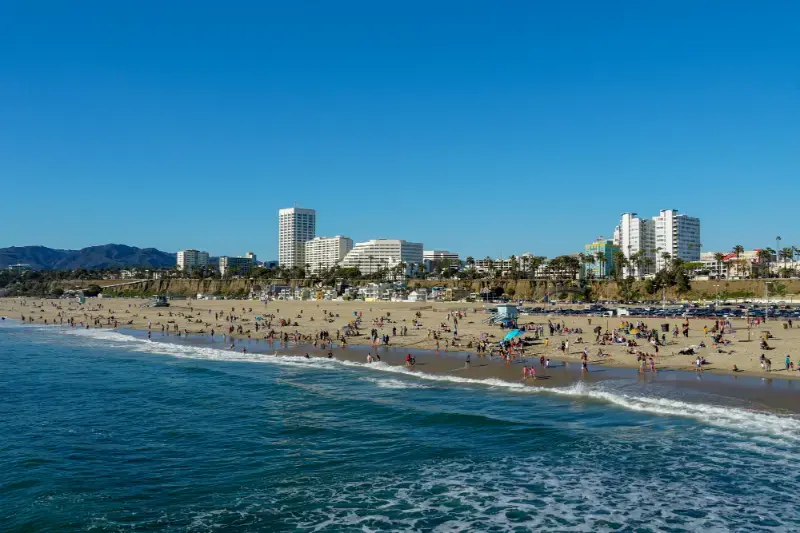
Santa Monica is an experience as much as a beach: pier, bike path, broad sand and immediate city services. It is rarely the quietest shoreline, but it works perfectly for travelers already exploring Los Angeles who want an easy Pacific sunset without a separate coastal road trip.
8. Venice Beach
Choose Venice for people-watching, boardwalk culture, skateboarding and the transition into quieter residential streets around the canals. The beach itself is broad, but the atmosphere is the reason to come. Pair it with Santa Monica by bike or on foot.
9. Malibu: Zuma Beach
Zuma is one of Malibu’s most practical large beaches, with more space than many smaller coves. It is a better choice for a classic beach day than stopping randomly along Pacific Coast Highway where parking and access can be confusing.
10. El Matador State Beach
El Matador is famous for sea stacks, caves and photography. Steep access stairs and limited parking make it less convenient for families carrying lots of gear. Tides matter, and the beach is best treated as a scenic stop rather than a guaranteed swim day.
11. East Beach, Santa Barbara
East Beach sits close to downtown Santa Barbara and offers an easy mix of sand, volleyball, waterfront paths and city access. It works well for travelers who want to park once and combine beach time with the harbor, Stearns Wharf and restaurants. See our Santa Barbara travel guide.
12. Arroyo Burro / Hendry’s Beach
A more local-feeling Santa Barbara option, Hendry’s combines sand with a relaxed atmosphere and nearby walking. Dogs are part of the scene in designated areas, so it is especially popular with pet owners.
13. Pismo State Beach
Pismo offers a classic Central Coast beach-town stop with broad sand and easy access from Highway 101. It fits well into road trips between Santa Barbara and San Luis Obispo, especially for families who need an uncomplicated overnight rather than another major attraction.
14. Moonstone Beach, Cambria
Moonstone Beach is better for walking than swimming, with boardwalks, driftwood, tide pools and a cooler Central Coast mood. It is an excellent sunset or morning stop before driving toward Big Sur.
15. Pfeiffer Beach, Big Sur
Pfeiffer Beach is known for dramatic rock formations and a wilder setting. Access is via a narrow road and parking is limited; conditions can be windy and surf can be powerful. It is not the place to improvise if Highway 1 or local access roads are affected by closures. See our Big Sur travel guide.
16. Carmel Beach
Carmel Beach combines pale sand, cypress trees and easy access from Carmel-by-the-Sea. The water is cold and conditions can be rough, but for walking and sunset it is one of California’s most beautiful town beaches. Pair it with our Monterey & Carmel guide.
17. Asilomar State Beach, Pacific Grove
Asilomar feels quieter and more rugged than nearby Carmel, with rocky shoreline, boardwalk-style paths and tide-pool interest. It is ideal for walkers and photographers who want to connect Pacific Grove with 17-Mile Drive or Monterey.
18. Natural Bridges State Beach, Santa Cruz
Natural Bridges is known for its offshore arch and seasonal monarch-butterfly habitat nearby. It is a strong stop for families and nature-focused travelers, but like many Central Coast beaches the water is cool and conditions should be respected.
19. Baker Beach, San Francisco
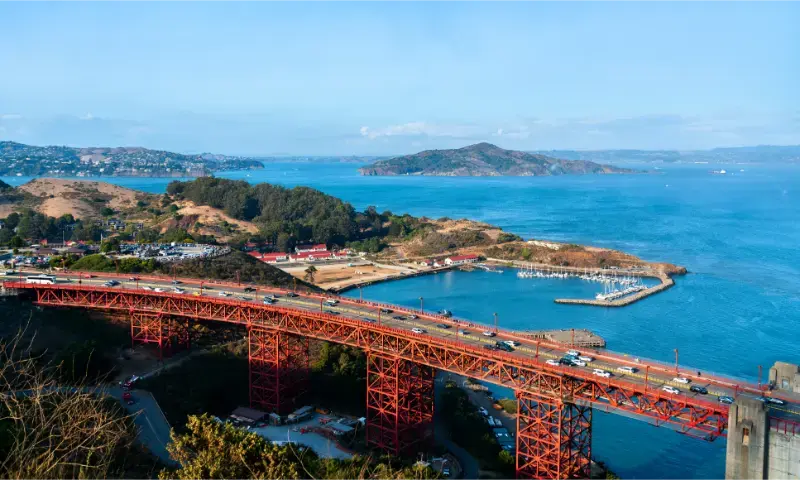
Baker Beach offers one of the classic Golden Gate Bridge perspectives. It is a scenic urban beach, not a warm swimming destination: water is cold, currents can be dangerous and fog/wind can arrive quickly. Use it as part of a Presidio day.
20. Ocean Beach, San Francisco
Ocean Beach is a huge exposed strand on the city’s western edge. It is excellent for long walks and dramatic weather but has powerful surf and dangerous currents. Swimming is not the reason to visit. Combine it with Golden Gate Park or the Sunset District.
21. Stinson Beach, Marin County
North of the Golden Gate, Stinson provides a classic beach-town escape with broad sand backed by Mount Tamalpais. Traffic and parking can be difficult on sunny weekends, so early arrival matters.
22. Point Reyes beaches
Point Reyes National Seashore protects wild beaches that feel far more remote than their distance from San Francisco suggests. These are primarily landscapes for hiking, wildlife and photography. Weather changes quickly and some beaches have strong surf or seasonal wildlife closures.
23. Bodega Bay and Sonoma Coast beaches
Sonoma’s coast is rugged, windy and visually powerful. Doran Beach is one of the more approachable family options, while headlands and smaller coves farther north emphasize scenery. Use our Sonoma County travel guide to combine the coast with redwoods and wine country.
24. Mendocino coast beaches
Around Mendocino and Fort Bragg, beaches sit beneath cliffs, near headlands and beside dramatic rock formations. Glass Beach is famous but heavily visited; the wider coast is more rewarding when you include state parks and headland walks rather than chasing one social-media stop.
25. Trinidad and the Redwood Coast
Far Northern California beaches around Trinidad and Redwood National and State Parks feel wild, forested and distinctly different from Southern California. Sea stacks, driftwood and fog create the appeal. Water is cold and sneaker-wave risk is serious, so walking and photography are the main activities.
Combine the coast with our Redwood National and State Parks travel guide.
Best beaches for families
- La Jolla Shores
- Coronado Central Beach
- Huntington Beach
- East Beach in Santa Barbara
- Carmel Beach for walking and sand play
- Doran Beach on the Sonoma Coast
Best beaches for scenery rather than swimming
- El Matador
- Pfeiffer Beach
- Baker Beach
- Point Reyes
- Mendocino coast
- Trinidad / Redwood Coast
When is beach weather best in California?
Southern California has the longest beach season, although ocean water remains cooler than many international visitors expect. Late spring can bring marine-layer mornings; summer and early fall generally provide the most reliable warmth. Central and Northern California beaches remain cool and variable even in summer, with fog and wind common.
For statewide seasonal planning, see our best time to visit California.
Beach parking and road-trip strategy
Arrive early at small coves and state beaches. Do not park illegally along Highway 1 or block residential access. On a road trip, choose one real beach stop per day rather than stopping at every turnout—changing, parking and walking down cliffs takes more time than the map suggests.
Official planning resources
- Visit California beaches — official statewide beach inspiration by region.
- California State Parks — current rules, parking, closures and beach park information.
Tides, tide pools and protected wildlife
Tide pools are living habitats, not playground decorations. Walk on bare rock rather than animals or algae when possible, never remove shells or marine life from protected areas, and check low-tide timing before driving to a specific cove. Some wildlife areas close seasonally to protect nesting birds or marine mammals.
Beach access can also change after storms, landslides or wildfire. California State Parks and local authorities should be checked close to travel, especially along Highway 1 and the far North Coast.
Common planning mistakes to avoid
The most common mistake is trying to combine too many distant California experiences because they appear on the same state map. Leave buffer time for traffic, weather, parking and spontaneous stops. Reserve only the activities that truly require a fixed time, then protect some unscheduled hours around them.
A second mistake is treating conditions as static. Coastal roads, mountain routes, wildfire restrictions, beach access and attraction operating hours can change. Recheck official sources shortly before travel and again on the morning of any weather-sensitive or road-dependent day.
Looking for the right place to stay? Compare hotels and accommodation on Booking.com.