

Yosemite and Sequoia National Parks are often paired in the same California itinerary, but they deliver very different trips. Yosemite is the more famous all-round landscape: sheer granite walls, waterfalls, famous viewpoints, large trail networks and one of the most recognizable valleys in the United States. Sequoia, usually visited together with Kings Canyon, is quieter and more forest-focused, with immense giant sequoias, mountain roads, high-country scenery and a slower rhythm.
The right choice depends less on which park is ‘better’ and more on what you want from the trip. If you have never visited either and can spare only one national park, Yosemite usually wins for visual variety. If giant trees, fewer iconic-photo crowds and a more relaxed road-trip atmosphere matter more, Sequoia & Kings Canyon may be the better fit. This comparison helps you decide—and explains when it makes sense to visit both.
Quick verdict: Yosemite or Sequoia?
| Choose… | If your priority is… |
|---|---|
| Yosemite | Granite cliffs, waterfalls, famous viewpoints, a broader range of hikes and a classic first California national-park experience. |
| Sequoia & Kings Canyon | Giant sequoias, forest walks, quieter roads, deep Sierra scenery and a less intensely scheduled visit. |
| Both | You have at least 4–5 nights for the Sierra and do not mind a substantial transfer between park areas. |
The biggest difference: landscape and sense of scale
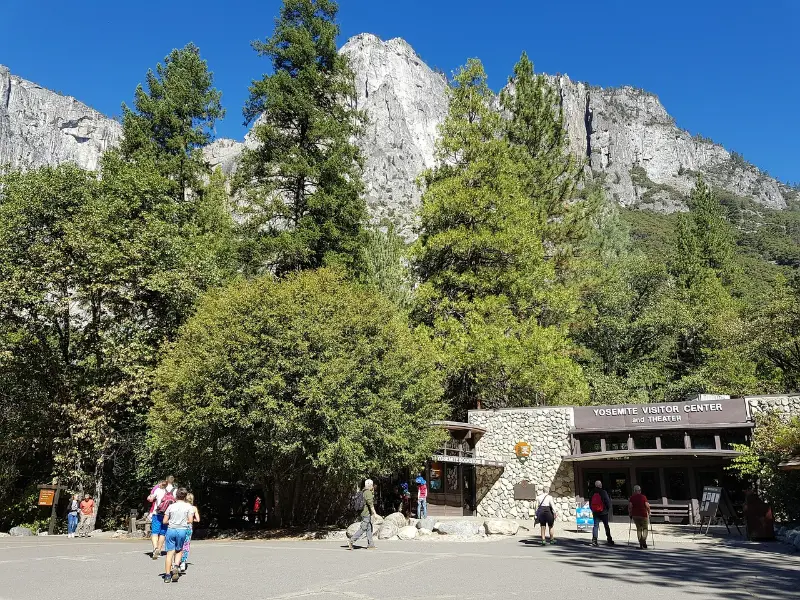
Yosemite’s drama is immediate. Yosemite Valley compresses waterfalls, cliffs, meadows and famous granite formations into a relatively small area. Tunnel View, Glacier Point, Yosemite Falls and the Merced River create a sequence of major sights even before you commit to a long hike. That makes Yosemite particularly rewarding for first-time visitors, photographers and travelers who want a high concentration of landmark scenery.
Sequoia & Kings Canyon is less concentrated. Giant Forest and Grant Grove contain the famous trees, while the Generals Highway, Moro Rock area and Kings Canyon Scenic Byway spread the experience across winding mountain roads. The parks feel more like a journey through changing elevation zones than a single monumental valley.
Which park is better for giant trees?
This category is not close: choose Sequoia & Kings Canyon. Giant Forest contains the General Sherman Tree and excellent walks such as Congress Trail, while Grant Grove adds the General Grant Tree and another accessible sequoia experience. The trees are not simply individual attractions; walking among them is the core reason to visit.
Yosemite has giant sequoias too, most notably at Mariposa Grove, but they are one component of a much broader park. If giant trees are the main goal, our Sequoia & Kings Canyon travel guide should be the starting point.
Which park is better for waterfalls?
Yosemite, especially in spring and early summer when snowmelt is strong. Yosemite Falls, Bridalveil Fall and Vernal/Nevada Falls are central to the park’s identity. Waterfall flow changes dramatically with season, so late summer and fall can look very different from May or June.
Sequoia and Kings Canyon have rivers, cascades and seasonal falls, but they are not the main visual headline. Their strongest water scenery is integrated into canyons and high-country landscapes rather than concentrated around a famous waterfall circuit.
Hiking: which is better?
Both are excellent, but Yosemite offers a broader menu for a first visit. Short walks, waterfall hikes, valley trails, Glacier Point-area routes and challenging climbs can all fit into the same trip. The downside is demand: parking, trailheads and popular routes can feel intense at peak times.
Sequoia & Kings Canyon hiking feels more dispersed. Easy sequoia loops are superb for casual visitors, while longer routes such as Tokopah Falls or backcountry hikes open a much wilder experience. For strong hikers seeking solitude, the broader Sequoia–Kings Canyon wilderness is extraordinary, but overnight wilderness trips require separate planning and permits.
Crowds and traffic
Yosemite is usually the harder park to navigate at peak periods. In 2026 the National Park Service is not requiring a vehicle reservation to enter Yosemite, but the absence of a timed-entry system does not eliminate congestion. Popular summer weekends can still bring full parking areas, traffic management and busy shuttle stops.
Sequoia & Kings Canyon also become busy around Giant Forest and General Sherman, but the visitor flow is more spread out. Mountain roads are slower, however, so a quieter atmosphere does not necessarily mean faster travel. Build realistic driving time into every day.
Driving and access: the hidden difference
Yosemite has several approach roads. From San Francisco, Highways 120 and 140 are the most common; Highway 41 is useful from Fresno and Southern California. In summer, Tioga Road can connect the park to the Eastern Sierra, but it is seasonal and must never be assumed open outside the snow-free period.
Sequoia’s southern approach from Three Rivers climbs steeply and includes tight curves. The Generals Highway links major park zones when conditions permit, while Highway 180 serves Grant Grove and Kings Canyon. Larger RVs and trailers need to review current vehicle advisories before choosing routes.
How much time do you need?
| Time available | Better plan |
|---|---|
| 1 day | Yosemite if this is your first California national park; Sequoia if giant trees are your specific priority. |
| 2 days | Either park works well; Yosemite Valley + Glacier Point/Mariposa Grove, or Giant Forest + Grant Grove/Kings Canyon. |
| 3 days | Yosemite gains more variety; Sequoia/Kings Canyon becomes wonderfully relaxed. |
| 4–5 nights | Visit both if you are comfortable with the transfer day. |
Which is better with children?
Both work well for families, but the experience is different. Yosemite gives children lots of visual variety without requiring long hikes: meadows, waterfalls, beaches along the Merced, viewpoints and shuttle rides. The challenge is crowd management and long days if adults try to see everything.
Sequoia is magical for children because the trees are instantly understandable in scale. Short forest loops and picnic stops can be enough for an excellent day. The trade-off is motion sickness and fatigue on winding roads. Families should resist the temptation to combine Giant Forest, Grant Grove and Kings Canyon in one rushed day.
Best season for each park
For Yosemite, spring is exceptional for waterfalls; summer gives the broadest high-country access; fall can be calmer with lower water flow; winter transforms Yosemite Valley but restricts many mountain roads. Sequoia is accessible year-round in some areas, but snow, chain controls and seasonal road closures change the character of winter visits. Kings Canyon’s deeper road access is strongly seasonal.
In 2026, both parks also require attention to wildfire, air quality and road conditions. Check official alerts immediately before departure rather than relying on an itinerary written months earlier.
Can you visit Yosemite and Sequoia on the same trip?
Yes, and the combination is excellent—but they are not adjacent in practical driving terms. The Sierra Nevada blocks a direct cross-mountain shortcut, so the transfer loops around the western foothills. Depending on your exact bases, stops and traffic, the move can take much of a day.
A sensible structure is two or three nights near Yosemite and two nights for Sequoia/Kings Canyon. If your California trip is already crowded with Los Angeles, San Francisco and the coast, choose one park instead of sacrificing several travel days just to collect both names.
Our recommendation by traveler type
- First USA national park trip: Yosemite.
- Giant-tree dream trip: Sequoia & Kings Canyon.
- Photographer seeking iconic landmarks: Yosemite.
- Road tripper who dislikes heavy crowds: Sequoia & Kings Canyon.
- Family with 2–3 flexible days: either; choose based on driving tolerance and interests.
- Hiker with a week in the Sierra: combine both and add longer trails rather than rushing viewpoints.
Official resources to check before you go
- Yosemite current conditions — roads, seasonal access and alerts.
- Sequoia & Kings Canyon current conditions — roads, closures, fire restrictions and facilities.
- Yosemite 2026 reservation update — official NPS announcement on vehicle entry.
For deeper planning, compare our full Yosemite National Park guide with the Sequoia & Kings Canyon guide. If you are building a longer itinerary, the two-week California road trip shows how the Sierra can fit into a statewide route.
Photography and sunrise/sunset strategy
Yosemite rewards classic viewpoint timing: Tunnel View, Valley View and Glacier Point can change dramatically with light and weather. Sequoia is less about one famous frame and more about scale inside the forest, where contrast between bright sky and dark trunks can be challenging. Early morning often gives softer light and quieter trails in both parks.
Wildfire smoke can alter visibility even when no fire is inside the park. Photographers should check air-quality and smoke forecasts rather than assuming a cloudless weather icon means clear mountain views.
A practical planning checklist
- Check official road, weather and operating conditions again 48–72 hours before travel.
- Keep at least one flexible block in the itinerary for traffic, weather or an attraction closure.
- Download offline maps and reservation confirmations before entering low-signal areas.
- Avoid stacking a long transfer, a timed attraction and a late hotel check-in on the same day.
- Recheck parking rules and opening hours on the morning of high-demand activities.
California trips work best when the itinerary distinguishes fixed reservations from flexible sightseeing. Reserve the experiences that truly need a time slot, then leave enough unscheduled space to adapt. That approach is especially valuable on coastal, mountain and desert routes where conditions can change faster than the travel plan.
Which park feels more relaxing?
Sequoia & Kings Canyon usually feels less compressed because the major experiences are spread across groves, viewpoints and long roads. That can be wonderfully relaxing if you accept slower travel. Yosemite, by contrast, has an extraordinary concentration of famous scenery in the Valley, which is efficient but also creates a stronger sense of shared space with other visitors.
Travelers who become stressed by parking, shuttle timing and crowded trailheads may prefer Sequoia. Travelers who value having many world-class sights close together may see Yosemite’s density as an advantage rather than a disadvantage.
Food, fuel and services
Yosemite Valley has a broader concentration of visitor services than the interior of Sequoia & Kings Canyon, but neither park should be approached like a city. Restaurant hours change seasonally, groceries are limited and busy periods can create queues. Carry water and food for the day even when you plan to buy meals in the park.
Sequoia & Kings Canyon has no gas stations inside the national parks, so fill the tank before climbing into the mountains. Yosemite also rewards arriving fueled because leaving the park simply for cheaper gas wastes valuable time.
If you are visiting from Los Angeles or San Francisco
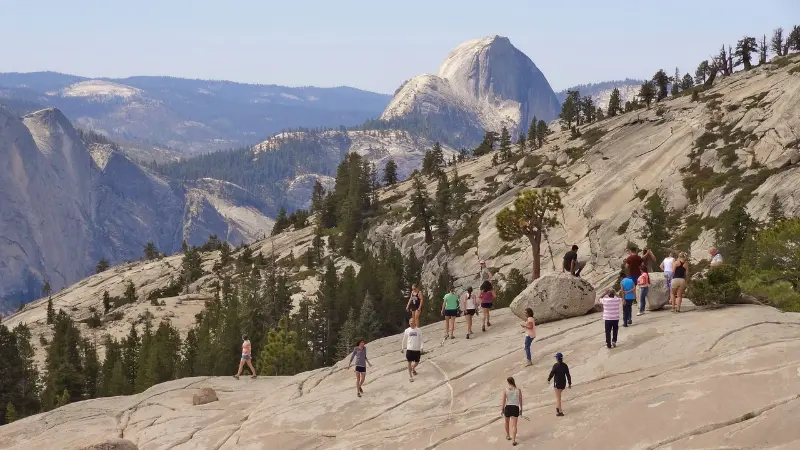
From San Francisco, Yosemite is the more natural park because the western approaches are straightforward and the park combines easily with a Bay Area itinerary. From Los Angeles, both require a substantial drive, but Sequoia can fit more naturally before continuing north toward Yosemite or the Central Coast.
If your route already includes San Francisco and Lake Tahoe, Yosemite usually integrates better. If the trip includes Los Angeles, Death Valley and the southern Sierra, Sequoia can reduce backtracking. The best park on paper is not always the best park for the route you are actually driving.
How to make this stop fit a larger California itinerary
The most successful California itineraries are built around geographic clusters rather than a list of famous names. Keep nearby experiences together, allow a realistic transfer day when moving between regions and avoid reserving every hour. A flexible afternoon can absorb traffic, weather, road closures or simply the desire to stay longer somewhere that exceeds expectations.
Before departure, review the California state hub and the linked regional guides to make sure the stop sits naturally between the destinations before and after it. If adding this article’s destination creates a long out-and-back detour, it may belong on a future trip rather than the current one.
Accessibility, mobility and low-hiking visits
Yosemite has an advantage for travelers who want major scenery with limited hiking. Many classic Valley views can be reached from roads, shuttle stops or relatively short paved walks, and accessible viewpoints are integrated into the most famous part of the park. The challenge is crowding: an accessible sight is not automatically an easy sight if parking is full at midday.
Sequoia also works well without strenuous hiking because the General Sherman area, Giant Forest, Grant Grove and roadside viewpoints deliver enormous impact. However, steep mountain roads and the spread between major areas can make the day more car-dependent. Travelers with mobility limitations should review current shuttle operations and accessibility notes before selecting lodging.
Which park gives you the stronger one-day experience?
For a single day, Yosemite normally provides the stronger first impression because Yosemite Valley concentrates so many signature views. You can see waterfalls, granite walls, meadows and the Merced River without spending most of the day in the car. Sequoia can also be excellent in one day if you focus tightly on Giant Forest and do not attempt to add every Kings Canyon viewpoint.
If your schedule gives you only one day because the wider California route is overloaded, that is also a sign to simplify the trip. Both parks improve dramatically with a second night nearby. The most memorable national-park days usually come from arriving early after sleeping close to the entrance, not from a dawn departure several hours away.
Looking for the right place to stay? Compare hotels and accommodation on Booking.com.