

Florida does not have one best month. Miami, Orlando, the Panhandle and the Everglades experience the same calendar very differently, and the trade-offs between weather, crowds, hotel prices and tropical-storm risk change by region. A winter week that feels perfect in Key West can be cool for a beach-focused Panhandle trip; an inexpensive September getaway can also require far more weather flexibility.
The right timing starts with the experience you want. Use this month-by-month guide together with our Florida Travel Guide and individual destination pages.
The short answer
| Goal | Strong window | Why |
|---|---|---|
| South Florida sightseeing | December–April | Lower humidity, popular dry-season conditions. |
| Everglades | December–April | Dry season is the most popular visiting period. |
| Orlando theme parks | Late Jan–Feb, parts of fall | Can offer milder weather; crowd calendars still vary. |
| Gulf Coast beach trip | Spring and late fall | Warmth with less intense midsummer humidity. |
| Florida Keys | Winter through spring | Popular for comfortable weather and water-focused travel. |
| Panhandle beaches | Late spring to early fall | Warmer beach weather than winter. |
| Lower prices | Parts of late summer/fall | Often better value, but tropical-weather risk is higher. |
Florida’s climate pattern in plain English
South Florida is subtropical to tropical in feel, with a warm, humid wet season and a drier, more comfortable winter. Central Florida shares the hot, stormy summer pattern but can have cooler winter mornings. North Florida and the Panhandle experience more pronounced seasonal temperature changes and can be genuinely cool in winter.
Summer rain often arrives as intense afternoon thunderstorms rather than a full week of continuous rain. That matters for theme-park planning: an early start, indoor break and flexible evening can work better than canceling an entire day because the forecast shows storms.
January
January is one of the strongest months for South Florida, Miami, the Keys and the Everglades. Humidity is lower, outdoor sightseeing is comfortable and the dry season supports easier wildlife viewing in the Everglades. The trade-off is demand: winter visitors push up prices in many coastal areas.
North Florida can be cool. Do not pack only beach clothes if St. Augustine, Jacksonville or the Panhandle are on the route.
February
February often combines excellent South Florida weather with heavy seasonal demand. It is a strong month for Miami neighborhoods, Gulf Coast walking, Everglades and Keys travel. Orlando can be pleasant for long park days, though school calendars, events and holiday weekends can still create crowd spikes.
March
March brings spring-break travel, warming beach conditions and high demand in many destinations. It can be a fantastic month if you reserve early and choose dates carefully. Families should check both U.S. school breaks and local event calendars rather than assuming “March” has one crowd level.
April
April is one of Florida’s best transition months. South Florida is warming, the Gulf is inviting, and the wettest summer pattern has not fully established itself. Everglades conditions begin moving toward the wet season, so insects and heat become more relevant as the month progresses.
May
May can offer good value before peak summer family travel. Heat and humidity rise quickly, and afternoon storms become more common. Beach-focused trips can work very well, but midday outdoor sightseeing feels much more demanding than in February.
June
June is hot, humid and storm-prone, but it is also a major family-travel month. The Atlantic hurricane season officially begins June 1. That fact should change how you book—flexible accommodation, travel insurance appropriate to your situation, and active weather monitoring—not automatically stop you from traveling.
July
July is classic Florida summer: strong sun, high humidity, warm water, frequent afternoon storms and heavy family demand around major attractions. Theme-park visitors should plan around heat as seriously as queues. Hydration, shaded breaks and a hotel that is easy to return to have real value.

August
August remains very hot and sits inside the period when Atlantic tropical activity begins to become more important. It can offer deals after some school calendars resume, but the weather requires flexibility. Outdoor plans are strongest early in the day.
September
September can be attractive for lower prices and lighter crowds in some destinations, yet it is also close to the climatological peak of Atlantic hurricane activity. NOAA notes the peak of the season occurs around September 10, with much activity historically concentrated from mid-August to mid-October. Book with the possibility of changes in mind.
October
October is a transition month. Humidity may begin easing later in the month, Orlando has major seasonal events, and beach weather can remain excellent. Tropical systems are still possible, so coastal travel still needs monitoring.
November
November can be excellent: drier conditions begin to return in South Florida, temperatures are generally more comfortable and the official Atlantic hurricane season ends November 30. Thanksgiving week is a major exception to any “low crowd” assumption.
December
December is a prime South Florida month and a high-demand holiday period. Early December can offer a sweet spot before Christmas travel intensifies. The Panhandle and north Florida are cooler, while Miami, Keys and Naples are popular winter escapes.
Hurricane season: what travelers should actually understand
The official Atlantic hurricane season runs June 1 to November 30, but a seasonal forecast does not tell you whether a specific city will be hit on your travel dates. The practical response is flexible booking, awareness of cancellation policies, and checking the National Hurricane Center and local authorities when a system forms.
If evacuation orders or emergency guidance affect your destination, change the trip. Vacation plans are never a reason to ignore local instructions, drive toward a storm or compete with residents for fuel and supplies.
Best time for the Everglades
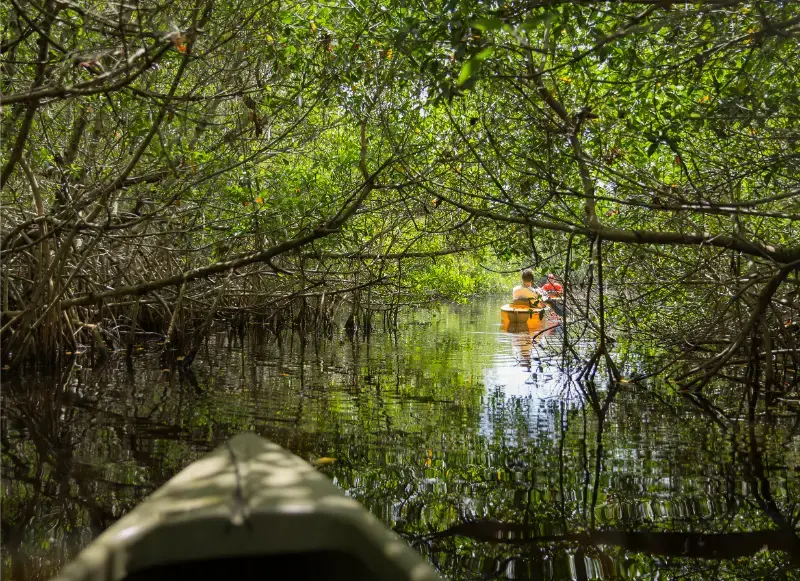
The National Park Service identifies December through April as the popular dry season and May through November as the wet season. Dry-season visits typically mean lower humidity, fewer mosquitoes and concentrated wildlife around remaining water. Wet-season visits bring lush landscapes, dramatic clouds and fewer visitors, but also more heat, insects and storms.
Best time for beaches
This depends on coast and latitude. South Florida beaches can be enjoyable in winter; the Panhandle is much more seasonal. Spring and late fall are broadly appealing because you can combine warm conditions with less punishing humidity than midsummer. Always check beach flags and local water conditions on the day you swim.
Best time for Orlando
There is no reliably empty season anymore. Crowd levels respond to school calendars, holidays, special events and new attractions. Weather-wise, cooler months reduce heat stress, while summer requires a strategy built around early starts and indoor breaks. The best “Orlando month” is the one where your crowd tolerance, budget and weather preferences align.
Best time for the Florida Keys
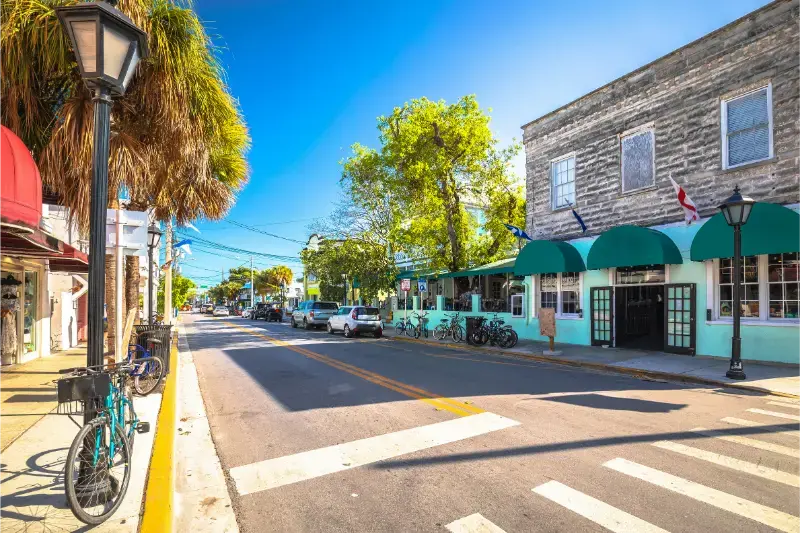
Winter and spring are popular because of comfortable weather and strong demand from cold-climate visitors. Summer is hotter and more humid but can work for water-focused travelers. Late summer and fall require the most tropical-weather flexibility. If diving or snorkeling is central, marine conditions on the specific day matter more than a generic monthly ranking.
When is Florida cheapest?
There is no statewide low season because Orlando, South Florida and Panhandle beach towns have different demand calendars. In general, the hottest and stormiest periods can bring lower accommodation prices in some coastal areas, while school holidays and winter snowbird demand raise rates elsewhere. Compare exact dates rather than relying on a “cheap month” list.
What should you book first?
- Flights if you are traveling over Christmas, spring break or major school holidays.
- Key West and highly specific beach lodging during winter.
- Theme-park tickets/reservations and special experiences according to current operator rules.
- Dry Tortugas transportation well ahead if it is a must-do.
- Flexible backup activities for summer afternoons.
The smartest month-by-month rule
Plan for the climate you are choosing, not the climate you wish Florida had. Winter travelers should bring layers for north and central Florida. Summer travelers should design around heat and thunderstorms. Fall travelers should protect flexibility. Once the itinerary respects the season, Florida becomes much easier to enjoy.
Useful official resources
- NOAA tropical cyclone climatology
- Everglades National Park — basic information
- VISIT FLORIDA official travel guides
- Visit Orlando trip planning
Once you choose your month, compare Florida destinations and the best bases for each trip style.
Crowds do not follow weather perfectly
A beautiful-weather week can still be a difficult-value week if it overlaps Christmas, Presidents’ Day, spring break, Easter, Thanksgiving or a major local event. Conversely, a hot month can feel comfortable if your itinerary is built around mornings, pools, museums and evening activities. Check school-holiday calendars and destination events alongside the forecast.
Wildlife seasons can matter more than air temperature
Nature-focused travelers should think about animal behavior as well as human comfort. Winter dry-season conditions change wildlife visibility in the Everglades, and cooler-season conditions can affect manatee concentrations around warm-water refuges and spring systems. Nesting birds and sea turtles also create seasonal protection rules in some coastal areas. Follow current park and wildlife guidance rather than approaching animals for a photograph.
Build a weather-proof day, not a weather-proof vacation
Florida forecasts often show rain icons during periods when much of the day is usable. Plan one or two indoor or covered alternatives in each region—museum, aquarium, long lunch, shopping district, spa, historic house—then swap the order when storms build. This approach is much more effective than trying to find a month with zero weather risk.
For beach and boating days, recheck local marine conditions the same morning. Wind and lightning can matter more than the monthly average temperature.
Looking for the right place to stay? Compare hotels and accommodation on Booking.com.