

Miami is not simply a beach city. It is a bilingual, Caribbean-facing metropolis spread across mainland neighborhoods, barrier islands, causeways and bays. First-time visitors who treat the entire destination as “South Beach” often leave having seen the postcard but not the city. The better plan combines one or two beach experiences with neighborhoods, food, architecture and waterfront life on the mainland.
This guide focuses on planning choices: where to stay, whether you need a car, how many days to allow and how to structure a first visit. For statewide context, use the Florida Travel Guide.
Miami vs Miami Beach: understand this first
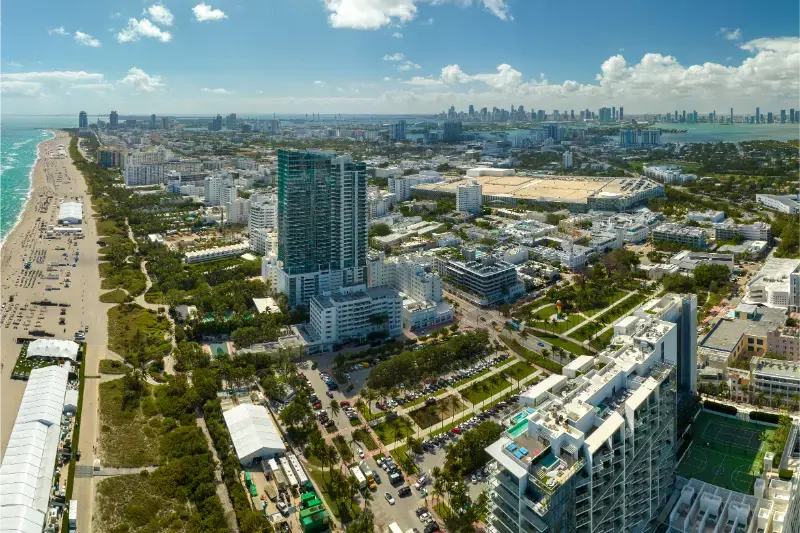
Miami Beach is a separate city on a barrier island east of mainland Miami. South Beach is the southern section of Miami Beach, roughly from South Pointe north to 23rd Street. Brickell, Downtown, Little Havana, Wynwood and Coconut Grove are on the mainland. This distinction explains many hotel and transport decisions.
How many days in Miami?
| Time | What you can do |
|---|---|
| 1 day | Choose either South Beach + Art Deco or a mainland neighborhood focus. |
| 2 days | One beach/architecture day + one mainland culture/food day. |
| 3 days | Best first-trip minimum: South Beach, Little Havana/Wynwood, Coconut Grove or Downtown. |
| 4–5 days | Add slower beach time, museums, Key Biscayne or an Everglades day. |
Where to stay on a first trip
Compare available accommodation for your dates, budget and preferred location before you finalize your route.
South Beach
Best for travelers who want to step outside into Art Deco streets, restaurants and the oceanfront path. It is the classic first-time base, but hotel parking can be expensive and nightlife noise varies block by block.
Brickell
Best for a modern urban stay with restaurants, skyline views and Metromover access. You are not on the beach, but you can explore Downtown and Brickell without driving and use rideshare or transit for other districts.
Coconut Grove
Best for couples, repeat visitors and travelers who prefer tropical greenery and a neighborhood atmosphere. Miami’s oldest neighborhood has waterfront parks, dining and easy access to Vizcaya, but it is less convenient if every day revolves around South Beach.
Read Where to Stay in Miami for a full neighborhood comparison.
Compare accommodation: compare hotels and other stays on Booking.com.
Do you need a car in Miami?
Not for every trip. A short stay split between South Beach, Downtown/Brickell and a few major neighborhoods can work with transit, trolley and rideshare. Miami-Dade’s Metromover is free and serves Downtown, Omni and Brickell. Metrorail connects Miami International Airport with the rail network, though weekend Orange Line service can involve a transfer at Earlington Heights.
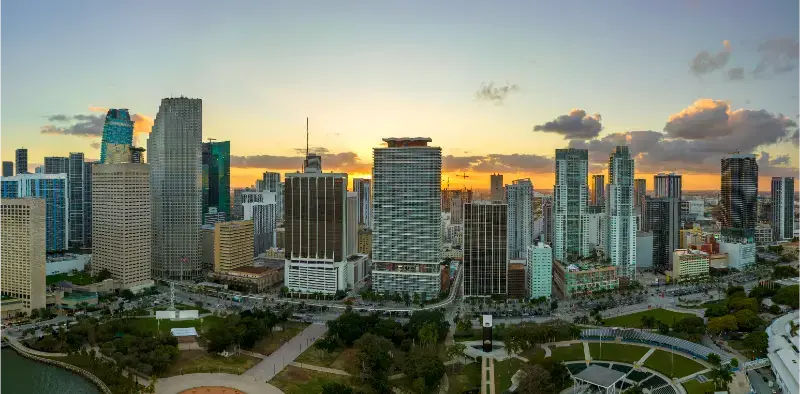
A car becomes more useful for the Everglades, Keys, Key Biscayne, suburban restaurants or a larger Florida road trip. If you rent one, price hotel parking before booking the room.
The best first-day plan: South Beach with context
Start around South Pointe Park and move north through the Art Deco district. Ocean Drive is visually iconic, but Collins Avenue and Washington Avenue add architecture and local life. Walk the beach path, step inside the Art Deco Welcome Center if you want more context, and use Lincoln Road as an easy inland finish.
The goal is not to spend the entire day photographing pastel facades. Make time for the actual beach and for a slow meal. Miami works best when the itinerary leaves room to watch the city rather than only collect sights.
Little Havana: go for culture, not a checklist
Calle Ocho is the obvious starting point, but the value is in observing how Cuban-American history and present-day life overlap through cafes, bakeries, music, domino culture and public art. Guided food or history walks can help first-time visitors understand what they are seeing, but you can also build a thoughtful visit independently.
Wynwood: street art is only the entry point
Wynwood’s murals made the neighborhood internationally famous. Today, galleries, restaurants, breweries and nightlife share the district with large-scale street art. Visit earlier in the day if you want easier photography and a calmer walk; evenings are better for dining and energy.
Coconut Grove and Vizcaya: the tropical counterpoint
Coconut Grove feels older, greener and softer-edged than Brickell. Pair it with Vizcaya Museum & Gardens for a day that combines architecture, bayfront scenery and shaded streets. The Grove is also a good reminder that Miami’s identity is not only neon, clubs and towers.
Downtown and Brickell: use the free Metromover
Metromover is both practical transportation and a useful orientation tool. It connects major Downtown and Brickell areas and is free. Because the system is undergoing upgrades, check current service notices rather than assuming every loop operates normally on your exact day.
Key Biscayne: when you need space
Key Biscayne can provide a quieter coastal break from dense Miami. Beaches, parkland and water views make it especially useful for families or repeat visitors. It is more convenient with a car or rideshare than with a packed urban transit itinerary.
What to eat in Miami
Build meals around the city’s cultural geography. Cuban coffee and pastries, Caribbean flavors, seafood, Latin American restaurants and modern fine dining all belong to the Miami experience. Instead of driving across the metro area for a famous address, eat well in the neighborhood you are already exploring.
Miami nightlife without ruining the next day
If nightlife matters, decide what kind: South Beach clubs, cocktail bars, live music, Wynwood energy or Brickell lounges. Staying near the style you prefer can save late-night transport. On a short trip, one planned late night is often smarter than sleeping through every morning.
Beaches: South Beach is not the only option
South Beach is convenient and iconic, but Mid Beach and North Beach offer different rhythms. Families may appreciate calmer areas and less nightlife. Beach conditions change with wind, currents and marine life, so check local flags and lifeguard guidance rather than judging safety by how calm the water looks.
Miami + Everglades: excellent combination, but plan the entrance
An Everglades day trip is one of the best ways to contrast urban Miami with South Florida’s ecology. Decide whether you want Shark Valley, the Homestead/Flamingo route or an activity outside the national park such as an airboat experience. The entrances are not interchangeable.
Miami + Florida Keys: do not reduce it to Key West in a day
Key Largo can work as a long day trip for specific water activities, but Key West deserves an overnight if possible. A Miami–Key West round trip in one day creates many hours in traffic and leaves little time for the islands themselves.
Three-day first-time itinerary
- Day 1: South Pointe → Art Deco district → beach → Lincoln Road.
- Day 2: Little Havana → Wynwood → Downtown/Brickell and Metromover after dark.
- Day 3: Coconut Grove + Vizcaya, or a full Everglades day if nature is a priority.
Mistakes first-time visitors make
- Booking a cheap hotel far from every planned neighborhood.
- Renting a car automatically, then paying high daily parking fees while barely using it.
- Spending every evening in South Beach and missing mainland Miami.
- Trying to combine Miami, Everglades and Key West in 48 hours.
- Planning outdoor days around midday in the hottest months without shade or breaks.
- Assuming every place labeled “Miami” is a short drive away.
Is Miami good for families?
Yes, especially if you base away from the loudest nightlife blocks. Beaches, parks, museums, boat trips and wildlife excursions can work very well with children. The main family challenge is transport: reduce daily cross-city movement and choose a hotel location that matches the activities you care about most.
Is Miami worth visiting if you do not like nightlife?
Absolutely. Architecture, Cuban-American culture, museums, gardens, beaches, food, design and nearby nature provide more than enough. Miami’s nightlife reputation is real, but it is only one layer of the destination.
Useful official resources
- Greater Miami neighborhoods
- Miami-Dade Metromover official information
- Miami-Dade Metrorail official information
- South Beach official destination guide
Dig deeper with 25 essential Miami experiences and our Miami neighborhood hotel guide.
Miami International or Fort Lauderdale airport?
Miami International Airport is closer to many central Miami neighborhoods and connects directly to Metrorail. Fort Lauderdale-Hollywood can still be a sensible choice when fares or schedules are much better, especially for travelers staying in northern Miami Beach or combining Fort Lauderdale. Compare the full ground transfer, not only the airfare.
If the trip continues to the Keys, Miami is generally the more natural gateway. If the trip continues north along the Atlantic coast, Fort Lauderdale can fit just as well depending on the first hotel.
Best time to visit Miami
Winter and early spring are popular for lower humidity and comfortable outdoor days. Summer is hotter, wetter and more humid, but it can work for travelers who plan beach time early and use midday for museums, meals or hotel breaks. The official Atlantic hurricane season runs June through November, so late-summer and fall trips should emphasize flexible bookings and weather monitoring.
Miami safety and practical awareness
Miami is a major city, so use normal urban awareness: keep valuables out of sight in parked cars, pay attention to late-night transport, and do not leave phones or bags unattended on the beach. Heat and sun can also be practical safety issues; dehydration can ruin a day before any urban concern does.
For swimming, lifeguard flags and current ocean conditions matter. A calm-looking Atlantic beach can still have currents. Follow posted guidance rather than assuming water safety from appearance.
Accessibility and pace
Many major attractions, transit systems and beachfront paths offer accessible facilities, but historic buildings and individual beach accesses vary. If mobility is a central planning need, verify the exact hotel entrance, shower setup, beach mat or wheelchair availability and transit elevator status before booking. A technically accessible attraction can still be exhausting if the itinerary requires long outdoor transfers in heat.
Go deeper: Miami itineraries and the Keys
Ready to turn the guide into a day-by-day plan? See our 3 days in Miami itinerary. Continuing south? Use the Miami to Key West road trip and Key West Travel Guide.