

Destinations › Northeast › New York › New York City › Best Museums in New York City
New York has enough museums to fill an entire vacation, which is exactly why choosing well matters. The Met, MoMA and the American Museum of Natural History are famous for good reason, but they answer completely different interests. Add the Whitney, Guggenheim, 9/11 Museum, Museum of the Moving Image, Brooklyn Museum and smaller specialist institutions, and the real question stops being “What is the best museum?” and becomes “Which museum is worth my limited New York time?”
For most first-time visitors, choose one major museum for every two or three sightseeing days. Pick The Met for breadth and world art, AMNH for science/dinosaurs/families, MoMA for modern art, Whitney for American art and terraces, 9/11 Museum for recent history, and Museum of the Moving Image for an interactive outer-borough choice.
The best NYC museums at a glance
| Museum | Best for | Allow | Where |
|---|---|---|---|
| The Metropolitan Museum of Art | The broadest art experience | 3–5 hours | Upper East Side |
| American Museum of Natural History | Dinosaurs, science, families | 3–5 hours | Upper West Side |
| MoMA | Modern and contemporary art | 2–3 hours | Midtown |
| Whitney Museum | American art + terraces | 2–3 hours | Meatpacking District |
| Guggenheim | Architecture + modern art | 1.5–2.5 hours | Upper East Side |
| 9/11 Memorial Museum | Recent history and remembrance | 1.5–3 hours | Lower Manhattan |
| Brooklyn Museum | Global art without Midtown crowds | 2–3 hours | Prospect Heights |
| Museum of the Moving Image | Film, TV, games, interactive exhibits | 2–3 hours | Astoria, Queens |
| The Met Cloisters | Medieval art + Hudson setting | 2–3 hours | Fort Tryon Park |
| Tenement Museum | Immigration/social history via guided visits | 1–2 hours | Lower East Side |
How to choose the right museum for your trip
Start with your strongest interest, not the museum’s fame. If you rarely enjoy painting galleries, spending four hours at The Met because it appears on every checklist is a poor use of a New York morning. If your child can talk about dinosaurs for hours, AMNH may become a trip highlight. If architecture matters as much as the collection, the Guggenheim building is part of the experience. If you want art plus a neighborhood walk, the Whitney pairs naturally with the High Line, Chelsea and the Hudson waterfront.
Also think geographically. The Met and Guggenheim sit on Museum Mile and work with Central Park’s east side. AMNH pairs with the Upper West Side and west side of Central Park. MoMA fits a Midtown day. The 9/11 Museum belongs with Lower Manhattan. Museum of the Moving Image can anchor an Astoria afternoon. This geographic approach saves more time than trying to chase every famous institution.
The Met: best for one enormous, world-spanning museum
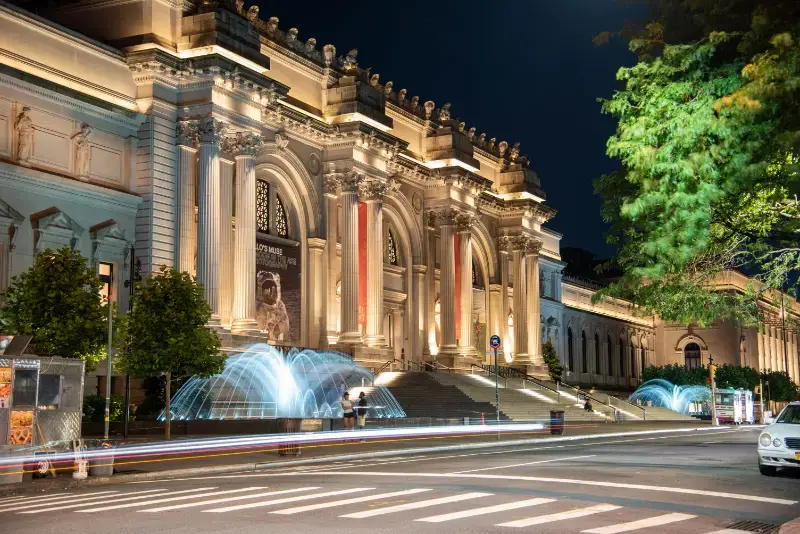
The Met is the closest NYC comes to a “museum of everything.” Egyptian art, Greek and Roman galleries, European paintings, arms and armor, American rooms, Islamic art, Asian art and decorative arts can all compete for your attention. General admission is currently $30 for most non-New York adult visitors; New York State residents and eligible regional students have pay-what-you-wish options. The Fifth Avenue museum is closed Wednesdays, and Friday/Saturday evening hours are longer than most days. Do not attempt every room. Pick three or four departments and connect them logically.
AMNH: best for science, dinosaurs and families
The American Museum of Natural History is much more than dinosaur skeletons. The blue whale, biodiversity halls, gems, human origins, space science, the Gilder Center and fossil floors make it one of the easiest museums to tailor to different ages. Standard adult general admission for visitors outside New York State is currently $37, while New York State residents can use pay-what-you-wish general admission. Ticketed experiences such as the planetarium or Butterfly Vivarium can be added separately. The museum is open daily 10 a.m.–5:30 p.m., but temporary hall closures do occur, so check the official site shortly before visiting.
MoMA: best for modern-art icons in a manageable footprint
MoMA is easier to fit into a Midtown itinerary than The Met. Adult admission is currently $30 and includes galleries and special exhibitions. It stays open later on Fridays, when New York State residents can reserve free UNIQLO Friday Night tickets. The collection runs from late-19th-century modernism through contemporary work, but famous pieces can rotate or go off view, so never build your entire visit around a single artwork without checking.
Whitney: best combination of art, architecture and city views
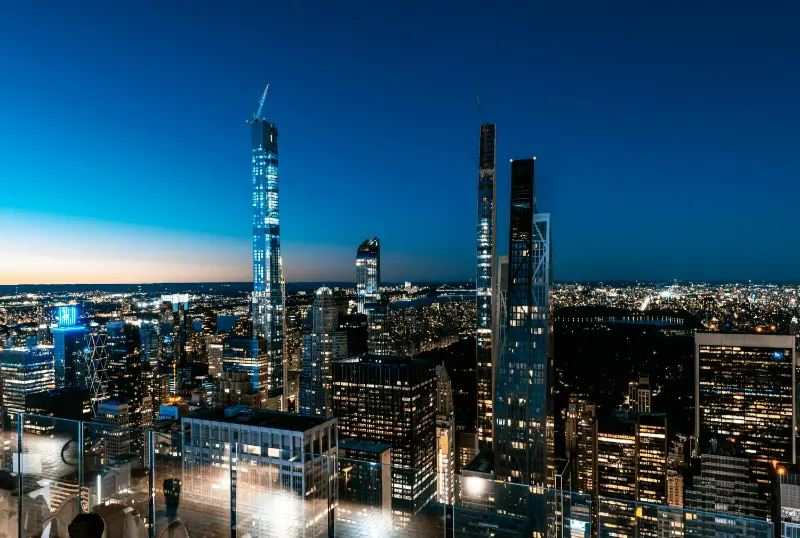
The Whitney focuses on art of the United States and is especially attractive when a major Biennial or special exhibition aligns with your interests. Its terraces also give the visit a strong sense of place beside the High Line and Hudson River. In 2026, admission is free to all visitors every Friday 5–10 p.m. and on the second Sunday of each month, but tickets are still required and capacity can fill. Visitors 25 and under are also currently free every day.
Guggenheim: when the building matters as much as the art
Frank Lloyd Wright’s spiral museum is one of New York’s defining pieces of architecture. The collection and exhibitions change, so it is worth checking what is on view rather than assuming a specific masterpiece will be there. Current general admission is $30, and regular public hours are generally 10:30 a.m.–5:30 p.m. The Guggenheim works well as a shorter museum visit paired with the east side of Central Park or another Museum Mile stop.
9/11 Museum: a different kind of visit
This is not a museum to squeeze between two fun attractions. It deals with the attacks, victims, rescue, recovery and continuing impact through artifacts, testimony and the World Trade Center site itself. The museum’s standard schedule is Wednesday–Monday 9 a.m.–7 p.m., with select Tuesday openings in 2026; timed tickets are required. The outdoor memorial is separate and free. Plan emotional space around the visit and avoid stacking another intense museum immediately afterward.
Excellent museums beyond the obvious three
- Brooklyn Museum: a major collection beside Prospect Park and Brooklyn Botanic Garden; ideal when your itinerary already includes central Brooklyn.
- Museum of the Moving Image: one of the best interactive choices in Queens, covering film, television, games, production and screen culture.
- The Met Cloisters: medieval art in a hilltop setting inside Fort Tryon Park; the same-day Met ticket can include both Met locations, though doing both well in one day is ambitious.
- Cooper Hewitt: design-focused museum in the Carnegie mansion on Museum Mile.
- Tenement Museum: guided experiences focused on immigration, housing, work and neighborhood history; reserve a specific tour rather than expecting a self-guided gallery museum.
- Museum of the City of New York: useful for understanding the city itself, especially if urban history matters to you.
How many museums should you plan?
For a five-day first trip, two major museums is usually enough. A museum-heavy traveler might enjoy four or five, but alternate large institutions with neighborhoods, parks and viewpoints. Museum fatigue is real: after several hours, you may be technically looking at important objects while remembering almost nothing. A shorter focused visit is often better than a full-day endurance test.
Money-saving museum strategies
- Check official free-evening or free-day programs; eligibility and reservation rules differ.
- Look carefully at age rules: several museums offer free admission for children or younger adults.
- Do not buy an attraction pass until you compare the museums you genuinely intend to visit with the pass list and reservation rules.
- Use late opening hours when they improve your itinerary, not just because they exist.
- Pair museums with nearby free experiences: The Met + Central Park, Whitney + High Line, Brooklyn Museum + Prospect Park, AMNH + Riverside/Upper West Side.
Museum mistakes that waste time
- Entering without a priority list and wandering until tired.
- Assuming “pay what you wish” applies to every visitor; several policies are residency-based.
- Booking a timed museum and another timed attraction too close together.
- Carrying luggage or oversized bags without checking rules.
- Planning the most famous galleries for the final 20 minutes.
- Ignoring temporary gallery closures or rotating collection displays.
- Eating an expensive rushed lunch inside simply because you did not plan the surrounding neighborhood.
Frequently asked questions
Which NYC museum is best for a first visit?
The Met is the broadest choice, AMNH is the most family-friendly science choice, and MoMA is the easiest major art museum to fit into a Midtown sightseeing day. Choose based on interest rather than prestige.
Can I visit The Met and AMNH in one day?
Yes technically, but most visitors will enjoy them more on different days. They sit on opposite sides of Central Park and each can absorb several hours. If you must combine them, choose one as the main museum and give the other a tightly focused 90–120 minute visit.
Are NYC museums free?
Some are free, some have residency-based pay-what-you-wish policies, and others offer specific free hours or age-based programs. Policies change, so use official museum sites rather than an old “free museums” list.
Official planning sources
- The Metropolitan Museum of Art
- American Museum of Natural History
- MoMA
- Whitney Museum
- 9/11 Memorial & Museum
Continue planning New York City
- The Met Guide
- AMNH Guide
- MoMA Guide
- Central Park Guide
- Best Things to Do in NYC
One final planning principle applies especially well to Best Museums in New York City: leave a little unused time. New York rewards curiosity, and the memorable part of a day is often the block you did not expect, the gallery you stayed in longer than planned, or the view that made you stop walking. A good plan protects those moments instead of eliminating them. Build around one or two anchors, understand the logistics, and keep enough flexibility to follow what interests you once you are there.
Looking for the right place to stay? Compare hotels and accommodation on Booking.com.