

Central Park can be a pond and a stone bridge glimpsed between skyscrapers, a long walk beside the Reservoir, or a surprisingly quiet woodland path. It is large enough for those experiences to feel quite different. Decide which one suits the day instead of assuming a single stroll will take you through everything you recognize from photographs.
For a first visit, the southern and central sections provide a rewarding introduction. With another morning, go north for formal gardens or woodland. Keep the weather, your next destination and everyone’s walking energy in mind. Leave some of the visit open for a bench, an appealing path or a place where you simply want to stay a little longer.
Choose an entrance that belongs to your route
Central Park stretches from 59th to 110th Street, between Fifth Avenue and Central Park West. Those boundaries are useful for understanding its scale, but they do not tell you which path to take once inside. A downtown-facing skyline walk, a museum connection and the Conservatory Garden involve different starting points.
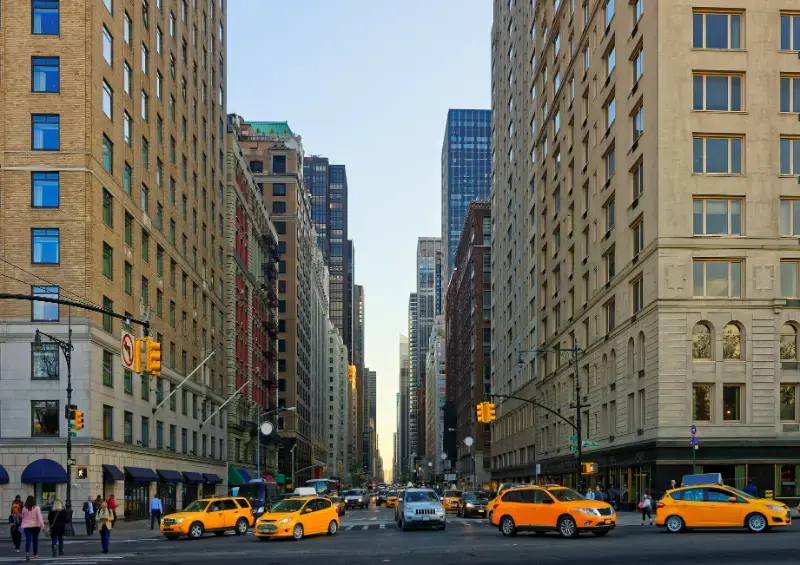
Choose the part you want to explore, then find a nearby entrance on the Conservancy's official map. Include the exit too. Finishing on the wrong side can add a substantial walk when you were expecting lunch or a subway connection. If someone needs step-free access, use the detailed accessibility information: an entrance beside an inviting photograph may still involve steps or a steep approach.
The Pond and Gapstow Bridge: a gentle first impression
The southeastern area around the Pond gives you a quick sense of how the park changes the city around it. Paths drop away from the street and views bring trees, water and nearby buildings into the same frame. Gapstow Bridge is a natural place to pause, but the paths around the water are also worth enjoying without constantly searching for the most familiar camera angle.
This section works for a short visit from Midtown or as the opening to a longer northbound walk. Leave space for people moving through the narrow viewing areas. With children, keep the shoreline and changing path levels in mind. In winter or after rain, surfaces can be slippery even when the surrounding avenues seem straightforward to walk.
The Mall and Bethesda Terrace
The Mall provides a broad, tree-lined approach toward Bethesda Terrace, making this one of the easiest areas to recognize on a first visit. The wider promenade, the change in level and the view toward the Lake give the approach much of its character.
At Bethesda Terrace, look at both the upper area and the arcade below if the route suits you. It is a busy gathering place, so allow some time to find a comfortable spot without blocking the stairs or other visitors. Musicians or performers may be present, but no particular performance is guaranteed. You can enjoy the architecture and water without having to buy an organized experience.
Bow Bridge and the Lake
Bow Bridge offers a different view of the Lake, with water and planting framing the curve of the crossing. The Conservancy's description and map help place it between Bethesda Terrace and the Ramble. It is a popular photography spot, not a place you should expect to have to yourself at the moment you arrive.
The bridge can be part of a pleasant central walk, but take time on the paths around it too. Reflections and changing light often provide more interesting views than standing in the middle of a crowd on the bridge itself. Rowboat rental, when operating, is a separate paid activity. Looking across the Lake from the shore does not require renting a boat.
Strawberry Fields and the western side
Strawberry Fields, near the west side around 72nd Street, is associated with John Lennon’s memory and the Imagine mosaic. It makes a natural stop on a route that exits toward the Upper West Side. Give others time and space around the mosaic; some may be visiting for a personal reason.
This area can pair with Bethesda Terrace and Bow Bridge for a focused visit that ends on the west side. It is less sensible to add it simply because it is famous if your route already finishes near Fifth Avenue with little time remaining. The most comfortable park walks make geographic sense, even when that means leaving a well-known place for another day.
The Ramble: follow a woodland path, with a map
The Ramble changes the scale of the experience. Winding paths and planting replace the broad views of the southern promenades. It suits a slower stretch of wandering, particularly if you enjoy observing birds and small details. Keep to designated paths and leave wildlife and planted areas undisturbed.
This is a designed landscape, but its turns can still make navigation confusing. Check the map before choosing an exit, especially if you have an appointment afterward. Uneven surfaces, steps and narrow paths mean it should not be treated as equivalent to every wider paved route. Consult the specific access information when choosing a route for someone who needs a smoother surface or gentler grade.
Belvedere Castle and the Great Lawn area
Belvedere Castle provides an elevated-looking landmark in the central park landscape, with surrounding views worth seeking even if you do not make an indoor visit. Visitor-center arrangements and access to particular levels should be checked separately. A photograph of the castle does not establish a step-free route to every viewpoint or guarantee that all interior spaces are open.
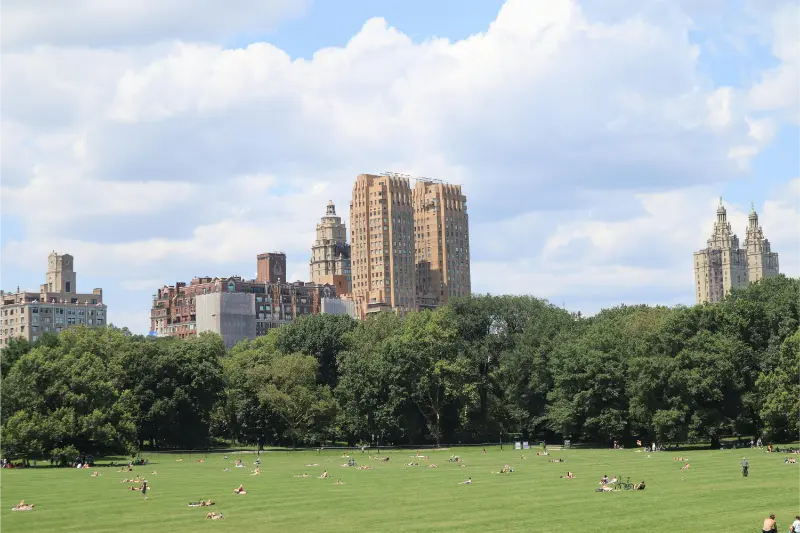
The Great Lawn area suits a different kind of stop: less a single monument than room to appreciate the park’s open space. Follow posted lawn access and closure notices, which protect the surface when conditions require it. A picnic is more enjoyable when you have chosen an open permitted space and bought food before reaching the point where everyone is hungry.
The Reservoir: choose it for walking, not a shortcut
The Reservoir offers a broad view of water and the surrounding skyline, with a track that attracts runners and walkers. It belongs to a more northerly outing than the Pond and Bethesda Terrace. If you want to follow the perimeter, make room for the loop in the schedule and allow time to reach your next destination.
Respect the posted direction and sharing rules on the track, and keep enough room for runners to pass. Bicycling is not an alternative way to use every pedestrian path. A reservoir walk can be the main reason for a quiet morning in the park, particularly when you prefer a consistent route over the many choices in the central woodland paths.
Conservatory Garden: a separate northern destination
The Conservatory Garden, reached from Fifth Avenue near 105th Street, is a formal garden with a different character from the Lake or Ramble. It is especially rewarding for someone interested in planting, composition and a quieter walk. Flowers and seasonal color depend on conditions; the garden rewards a visit even when a particular species has finished blooming.
Published garden hours are from 8 a.m. to dusk, distinct from the wider park’s general access. Check any temporary notices before making it the central purpose of your outing. Its northern location matters: it is not just around the corner from the southern entrance. Pair it with a northern park walk or an Upper East Side plan that leaves enough time for the connection.
North Woods and the park's history
The North Woods offers a more enclosed landscape of paths, rockwork, water and trees. The feeling of being far from Midtown is part of a carefully shaped landscape, with designed paths, water and planting. Use the map, stay on established paths and choose an outing length that leaves daylight and energy for returning to your exit.
The park’s creation also has a human history that is easy to miss in a scenic walk. The Conservancy’s Seneca Village interpretation explains the community displaced during the making of Central Park. Taking time for that context gives the landscape more depth. The park is both a beautiful public space and a place whose story involves decisions about land, homes and who belonged in the city.
Three practical walks, with room to stop
For a first introduction, enter near the southeast corner, enjoy the Pond, continue toward the Mall and Bethesda Terrace, then choose an east- or west-side exit. Allow roughly an hour and a half to two hours with unhurried stops, adjusting for your route and walking speed. You can shorten it at the Pond without feeling you have failed to see the park properly.
For a central walk, make Bethesda Terrace, Bow Bridge and Strawberry Fields the core, with a selected section of the Ramble only if everyone wants more. On a return visit, begin near the Conservatory Garden and discover one of the northern landscapes. These are suggested outings, not measured accessible routes or instructions to ignore a temporary closure.
Families, bicycles and what “free” includes
Central Park itself has no general admission charge. Playgrounds, walking routes and many views can provide a rewarding visit without paid activities. The zoo, certain events, boat rental and other bookable experiences are separate choices. With children, a playground and one nearby landmark may be a better plan than following an adult walking circuit from end to end.
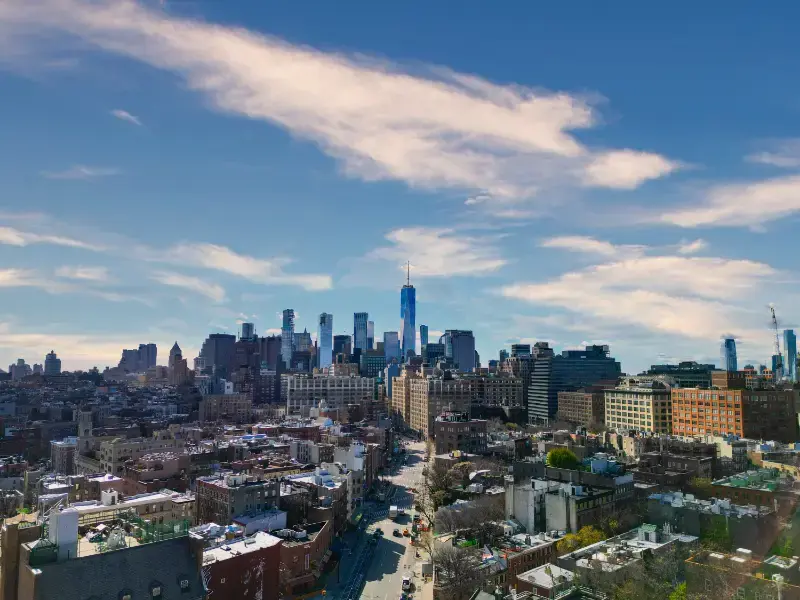
If you rent a bicycle, use the authorized drives and marked routes, follow the stated direction and give pedestrians priority. Cycling through woodland paths, across lawns or along a favorite pedestrian bridge is not a way to shorten the sightseeing route. Decide whether you want a cycling outing or a walk with frequent stops before paying for a rental that will spend much of the visit being pushed.
Weather, water and the rest of the day
Carry water, dress for the conditions and check restroom locations before heading into a quieter part of the park. Summer heat can make an exposed walk tiring; winter conditions can make steps and shaded paths slippery. A shorter route in comfortable conditions is more enjoyable than pressing through a full circuit because it looked good on a planning map.
If you are combining the park with the Museum of Natural History, choose a nearby west-side section afterward instead of promising another long cross-park expedition. For a broader city day, use our five-day New York itinerary to place the visit among other neighborhoods. Central Park is most useful when you have time to sit down and enjoy being there.
Compare the options
| Choice | What to expect | Planning detail |
|---|---|---|
| Southern introduction | Pond, Mall and Bethesda area | Choose the exit for the next journey |
| Central walk | Lake, Bow Bridge and west-side stops | Add the Ramble only if it suits the group |
| Northern outing | Conservatory Garden or North Woods | A separate route, not a tiny south-park detour |
| Cycling | Authorized drives and marked routes | Pedestrian paths are not general bike shortcuts |
Find your bearings
Open the map in a new tab · Orientation map only; use official maps and current notices for routes and entrances.
Frequently asked questions
Does Central Park charge admission?
There is no general park admission charge. The zoo, rentals, some events and other bookable activities are separate.
Can I cycle on any path?
No. Use authorized drives and marked routes; pedestrian woodland paths and lawns are not bike shortcuts.
Can I see the whole park in an hour?
An hour is better spent in a selected area. Southern landmarks and northern gardens are distinct outings.
Plan the next part of your trip
- American Museum of Natural History Guide: Dinosaurs, Tickets & Tips
- 5 Days in New York City: The Perfect First-Time Itinerary
- Best Free Things to Do in NYC: 25 Experiences Worth Your Time
Arrange your stay and activities
Some booking links below are affiliate links. We may earn a commission if you book through them.
Compare stays: Central Park New YorkBrowse New York tours and experiences
Match the location, meeting point and cancellation terms to your itinerary before booking.
Official sources and visitor information
- Central Park Conservancy — map and locations
- Central Park Conservancy — visit information
- Central Park Conservancy — Bethesda Terrace
- Central Park Conservancy — Bow Bridge
- Central Park Conservancy — Conservatory Garden
- Central Park Conservancy — North Woods
- Central Park Conservancy — Seneca Village
- Central Park Conservancy — cycling
Last updated: October 18, 2026.