

Five days in New York gives you enough time to begin recognizing the city, rather than only moving between reservations. You can see the Midtown skyline, spend a morning with art or dinosaurs, travel into the harbor and cross to Brooklyn. There should also be time for a meal that lasts longer than expected and a street you follow because it looks interesting.
This itinerary assumes five usable sightseeing days, with arrival and departure handled separately. If your first day begins after a long flight, reduce it to a neighborhood walk and dinner. The route groups places geographically and leaves choices within each day. It is a suggested rhythm, not a timed tour in which every stop must be completed.
Before day one: reserve the experiences that determine the route
Begin with accommodation and a few priorities. A hotel near a useful subway connection will influence the week more than a minor difference between two sightseeing passes. Compare the main areas for a New York stay, then reserve only the activities whose availability or conditions justify fixing them in advance.
The Statue of Liberty’s pedestal and crown require the correct limited reservation. A Broadway performance has a definite curtain time, and observation decks sell different dated products. Museums may have closing days or separate exhibition tickets. Put those commitments into the plan before deciding which day receives the longest neighborhood walk.
For the subway, use current MTA directions and the service notices for your dates. Weekend changes can alter a journey that appears direct on a standard map. Keep the hotel address and a return route available offline. One well-understood connection is more useful on the first morning than trying to master the entire system before leaving the lobby.
Day one: Grand Central, Bryant Park and Midtown
Begin at Grand Central Terminal, where the Main Concourse gives the city’s movement a memorable setting. Look up at the ceiling, then stand aside from the flow of passengers to take in the scale. This is a working terminal, so leave the busiest paths clear and distinguish public areas from entrances that need a ticket or a booking.
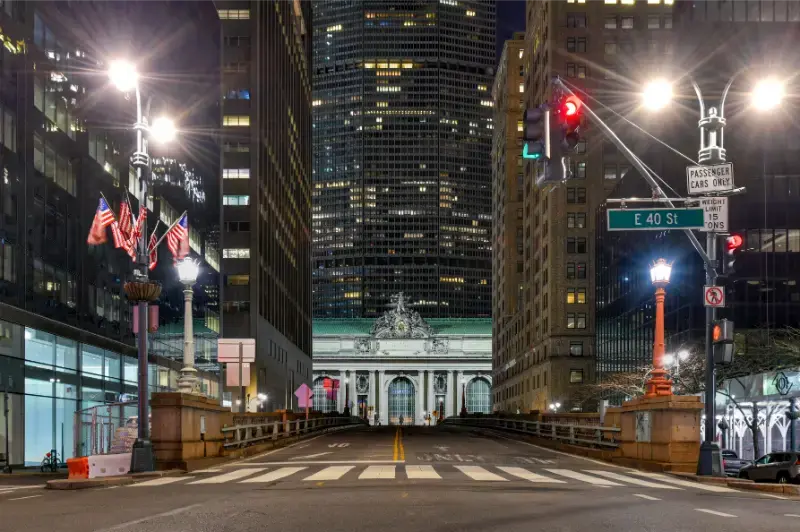
Walk west toward the New York Public Library’s Stephen A. Schwarzman Building and Bryant Park. Use the library’s current visitor guidance for public exhibitions or tours; reading rooms are working spaces with their own access rules. Bryant Park makes a useful first pause, with the towers close around it and somewhere to stop before the next stretch of walking.
Continue along Fifth Avenue toward Rockefeller Center if energy and weather suit. You do not need to enter every shop or turn each building into a long visit. This part of the day is about understanding Midtown’s streets and scale. A look into St. Patrick’s Cathedral may fit when public access permits, with services and other uses respected.
Choose either an observation-deck visit or a Broadway evening as the day’s main paid event. Both can fit for some travelers, but they remove much of the room for a relaxed meal. Top of the Rock works geographically with Rockefeller Center; another deck may belong better elsewhere in the week. Use our observation-deck comparison before paying for several similar skyline outings.
Day two: Central Park and one major museum
Give Central Park a proper section rather than attempting to cross its whole length. From the southern entrances, you can choose a route toward the Mall and Bethesda Terrace, then turn toward the side of the park that serves your museum. Use the Conservancy’s current map and alerts; restoration work, events or a closed path can change the most appealing route.
For an art-centered afternoon, the Metropolitan Museum of Art on Fifth Avenue is a substantial destination. Choose a few collection areas that interest you and leave time to sit. A first visit does not require seeing every famous object. Find a route through contrasting rooms so the museum becomes a sequence of discoveries rather than a race through labels.
For natural history, use the American Museum of Natural History on the west side instead. Dinosaurs, the ocean halls and the Gilder Center provide different starting points. Decide whether a separately timed exhibition or show belongs in the visit, then keep its slot manageable within the wider museum. General admission and every ticketed experience are not the same product.
You can reverse park and museum according to opening hours, weather and the group’s strongest interest. What matters is keeping one principal museum. Crossing the park to add the other after several hours indoors usually reduces the attention you can give both. Dinner on the same side of Manhattan makes a comfortable finish, especially if traveling with children.
Day three: the Statue of Liberty and Ellis Island
Start early at the departure point shown on your official ferry reservation. The Manhattan departure is from The Battery, while the New Jersey option is at Liberty State Park. Do not navigate simply to a generic Statue of Liberty pin. Statue City Cruises is the authorized ferry provider for landing on Liberty and Ellis Islands; a sightseeing cruise passing the statue is a different experience.
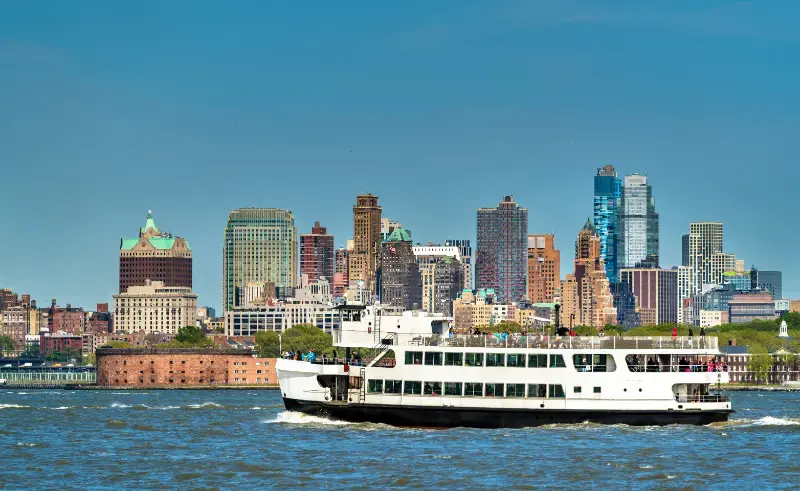
On Liberty Island, leave time for a walk around the statue and the Statue of Liberty Museum. Looking at the original torch and the story of the monument can add depth to the familiar outside view. If you booked pedestal or crown access, follow its check-in and security arrangements and give that portion enough space within the visit.
Continue to Ellis Island for the National Museum of Immigration if you want both islands. The Registry Room and individual migration stories deserve attention after the monument’s more immediate visual impact. A full two-island visit can occupy much of the day once queues and ferries are included, so avoid placing a distant timed admission directly afterward.
Keep the late afternoon in Lower Manhattan flexible. A short walk, an early meal or a quiet return to the room may be enough. The 9/11 Memorial requires a different emotional register from ordinary sightseeing, and the indoor museum is a separate, substantial visit. Do not add it only because it appears geographically close. Our islands guide explains access and realistic choices in more detail.
Day four: the Brooklyn Bridge, DUMBO and Brooklyn Heights
Travel to the end of the Brooklyn Bridge that best fits the day, then use the pedestrian route. Walking from Manhattan gives the approach into Brooklyn a useful shape for this plan. Stop for views without blocking the path, and allow the bridge itself to be part of the morning rather than only a means of reaching the photograph at the other end.
In DUMBO, former industrial buildings and the two bridges give the streets a different scale. The familiar Washington Street view can be busy; the waterfront offers more space to look and a wider sense of the neighborhood. Reach the shore by a suitable route rather than assuming every bridge exit deposits you beside the carousel.
Brooklyn Bridge Park can fill an enjoyable afternoon with waterfront walking, a meal and time on one or two piers. The park map helps locate toilets, playgrounds and the places you most want to see. Paid activities, carousel rides and seasonal programs have their own arrangements, even though general park access is free.
Add Brooklyn Heights and its Promenade if the group still wants a walk. The residential streets and elevated view provide a contrast to DUMBO’s busier corners. Finish with dinner nearby or a confirmed ferry or subway return. Williamsburg is another Brooklyn outing; add it only after assessing the transfer and the energy left for another neighborhood, rather than treating the borough as one compact center.

Day five: Chelsea and the Village, or a day in Queens
For a Manhattan finish, begin with a suitable stretch of the High Line and the Chelsea area. Check the actual entrance and elevator status if you need step-free access. The former elevated railway has a linear route and changing views, but it is not the best place to promise an uncrowded, fast walk at every hour.
Continue toward the West Village and Washington Square according to the distance you want to cover. Allow lunch to break the journey, using transport for a portion if needed. Smaller streets, independent shops and time in the square make a different final day from the first morning’s towers. Choose one or two places to explore closely instead of turning the route into a checklist of cafe names.
If the group would rather see another borough, replace this day with a focused Queens plan. Astoria can combine the Museum of the Moving Image on an operating day with a neighborhood meal. A Flushing Meadows visit can focus on the Queens Museum and park, with Flushing food as a separate addition. Those choices require different routes and should not be stacked automatically into one afternoon.
The Queens guide offers several possible clusters. Use your interests to choose one, rather than adding a borough merely to increase the count. This final day also provides a useful place for a weather-sensitive skyline reservation moved earlier in the week, provided the ticket’s change terms allow it. Keep the last evening close enough to pack without turning departure preparations into a midnight task.
Make the plan work in rain, heat or winter
Switch the museum day with a walking day when the calendar allows. Check the museum’s own opening information first: a building full of indoor activities is no help if it is closed on the proposed replacement day. A meal, a smaller exhibition or a theater performance can also provide an enjoyable indoor interval without filling the whole day.
In summer, use earlier starts for exposed walking and leave an indoor pause during the warmest part of the afternoon. In winter, shorten waterfront intervals and consider how the group will feel while waiting rather than only while moving. An indoor observation deck shelters you from the temperature, but clouds can still hide the view through its windows.
For families, choose a playground or an open period before everyone is already tired. The New York with kids guide includes ways to vary a museum-and-landmark week. A child may remember a carousel, a boat journey or deciding which street to follow as clearly as a major ticketed attraction. Those moments need time available around them.
Spend on the experiences you most want
Add the current prices of the admissions you intend to use before buying a pass. Check reservations, included ticket levels, age bands and any extra charges. A pass is valuable when it fits the trip; it can also tempt you to spend the week chasing entrances instead of enjoying the places you have entered.
Allow for meals, airport travel and occasional transport choices made for comfort. Walking is part of the pleasure, but it does not have to carry every journey. A subway ride between two areas can preserve the energy for the street you actually wanted to explore. Five days will leave things unseen. That is compatible with a good first visit, especially when you leave knowing where you would like to return.
Compare the options
| Choice | What it offers | Planning detail |
|---|---|---|
| Day 1 | Grand Central, Bryant Park and Midtown | Choose the main skyline or theater event |
| Day 2 | Central Park and one major museum | Match the route to the museum’s side |
| Day 3 | Liberty and Ellis Islands | Early start; keep later plans flexible |
| Day 4 | Brooklyn Bridge area, park and Heights | A whole Brooklyn day, not every district |
| Day 5 | Chelsea / Village or a Queens plan | Choose one route or a weather-sensitive replacement |
Find your bearings
Open the map in a new tab · General city context; use the current transit planner for each day’s connections and entrance locations.
Frequently asked questions
Does this include arrival and departure?
The plan assumes five usable sightseeing days. Shorten it when flights or a long transfer use part of a day.
Should I visit both major museums on day two?
Choose the Met or the American Museum of Natural History as the main visit. Each deserves substantial time and a suitable park interval.
Must I buy a sightseeing pass?
No. Add the current admissions you will actually use and compare inclusions, reservations and extras before deciding.
Plan the next part of your trip
- Where to Stay in New York City: Best Areas for Every Trip
- Getting Around New York City: Subway, OMNY, Ferries, Taxis & Airports
- Statue of Liberty & Ellis Island Guide: Tickets, Ferries & How to Visit
- Brooklyn Travel Guide: Best Neighborhoods, Things to Do & Tips
- Queens Travel Guide: Food, Neighborhoods, Things to Do & Tips
Arrange your stay and activities
Some booking links below are affiliate links. We may earn a commission if you book through them.
Compare stays: New York CityBrowse tours and experiencesCompare rental cars
Match the location, meeting point and cancellation terms to your itinerary before booking.
Official sources and visitor information
- New York Public Library: visitor center and public exhibits
- Central Park Conservancy: maps, seasonal information and access alerts
- The Metropolitan Museum of Art: visitor information
- American Museum of Natural History: current visit and ticket information
- National Park Service: visiting Ellis Island and both islands
- Brooklyn Bridge Park: map, access and activities
- Friends of the High Line: visitor and access information
Last updated: October 18, 2026.