

Destinations › Southwest › Arizona › Phoenix Travel Guide
Phoenix makes more sense when you think of it as a desert metropolis rather than a single downtown sightseeing district. The best experiences are spread between downtown arts and food, Papago Park, the Desert Botanical Garden, South Mountain and neighboring communities such as Scottsdale and Tempe. A car is useful, but good area planning keeps you from crossing the Valley of the Sun repeatedly in traffic.
Compare available accommodation for your dates, budget and preferred location before you finalize your route.
Phoenix is also the most practical gateway for many Arizona road trips. Two nights at the beginning or end can turn an airport stop into a real desert experience without stealing too much time from Sedona or Grand Canyon.
At a glance
| Question | Best answer |
| Ideal first stay | 2–3 nights |
| Best outdoor hours | Early morning and evening |
| Best urban/outdoor mix | Downtown + Papago/Desert Botanical Garden + South Mountain |
| Car needed? | Usually yes |
| Summer rule | Build the day around heat, not around a fixed sightseeing list |
What to do in Phoenix
Papago Park and Hole-in-the-Rock

Papago Park is one of the easiest introductions to Phoenix desert scenery, with red buttes, relatively gentle trails and Hole-in-the-Rock views close to the airport and downtown. The park also sits beside the Desert Botanical Garden and Phoenix Zoo, so one geographic area can fill most of a day without excessive driving.
Use the short hike for sunrise or late-day light rather than treating it as a midday summer activity.
Desert Botanical Garden
The Desert Botanical Garden is one of the best places to understand Sonoran Desert plants before hiking on your own. Its collections include tens of thousands of desert plants and thematic trails that explain how people, wildlife and plants survive in arid environments.
It works especially well for families, first-time desert visitors and hot days when you want a structured outdoor experience with facilities.
South Mountain Park and Preserve
At more than 16,000 acres, South Mountain Park and Preserve is enormous for a municipal park. Dobbins Lookout provides broad city views, while the trail network ranges from short walks to substantial hikes. On excessive-heat-warning days, Phoenix may close the preserve during the hottest hours, so check current status.
Silent Sunday restrictions also affect vehicle access on designated Sundays.
Roosevelt Row and central Phoenix
Roosevelt Row gives Phoenix an urban counterpoint to the desert: murals, galleries, bars, restaurants and events in a relatively walkable pocket. Combine it with nearby museums or a downtown meal rather than driving in only for one photo.
Evenings are often the best time to explore during warm months, when the street environment becomes more comfortable.
Heard Museum and Indigenous context
Arizona travel is richer when you understand the region’s Indigenous cultures rather than encountering Native lands only as scenery. The Heard Museum is a strong place to add art, history and contemporary voices to a Phoenix itinerary.

Allow enough time to read rather than treating it as a quick air-conditioned stop.
Musical Instrument Museum
The Musical Instrument Museum in north Phoenix is one of the city’s most distinctive indoor attractions and works well in summer or with multigenerational groups. Its global collections make it different from the geology and desert themes that dominate a wider Arizona road trip.
Because it is far from downtown, pair it with north Phoenix/Scottsdale plans rather than crossing the metro twice.
Use Phoenix as a food city, not only an airport city
Greater Phoenix has strong Mexican and Sonoran influences, modern Southwestern cooking and a growing restaurant scene across downtown, Arcadia, Uptown and neighboring cities. Build meals around where you already are rather than commuting for a viral restaurant.
In hot weather, a long lunch also functions as an intentional recovery period before evening outdoor time.
Add a half day in Scottsdale or Tempe selectively
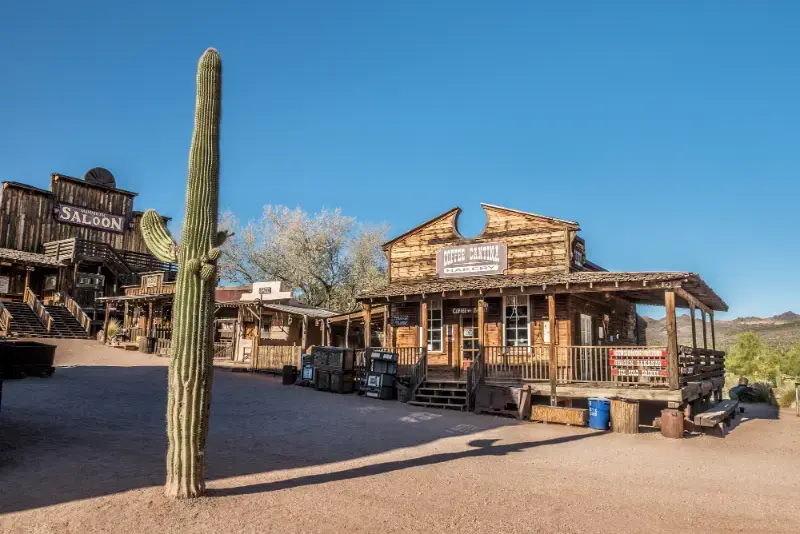
Phoenix, Scottsdale and Tempe blend into one metro area but feel different. Scottsdale emphasizes resorts, Old Town and desert recreation; Tempe adds a younger, university-centered energy. Choose one add-on based on your interests rather than trying to “cover” every city in one day.

How to plan the trip without overpacking the day
Group Phoenix by geography. Papago Park, Desert Botanical Garden and the zoo belong together. Downtown and Roosevelt Row belong together. South Mountain is its own block. North Phoenix attractions should not be paired with far-south activities unless you enjoy freeway time.
In warm months, use a three-part day: outdoor activity at dawn, indoor/pool/lunch block from late morning through afternoon, then sunset and dinner. This rhythm is safer and often more enjoyable than traditional 9-to-5 sightseeing.
Best time to go
November through March is the easiest season for desert hiking and outdoor dining. April and October can still be very pleasant, while late spring through early fall requires heat-aware planning. Summer hotel values can be attractive if the trip is built around pools, spas, indoor attractions and sunrise outings.
Monsoon storms can produce dust, lightning and flash flooding. Never enter washes during storms and do not treat a dramatic sky as an invitation to hike farther from shelter.
Getting there and getting around
Phoenix Sky Harbor is one of the state’s main gateways and sits close to downtown and Papago Park. For an Arizona road trip, pick up the car when you are ready to leave the walkable/ride-share portion of the city if parking costs are high.

The metro is large and public transit does not replace a car for most desert parks. Use rideshare strategically for nightlife or airport transfers, but plan a rental car for regional travel.
Where to stay and how many nights
Downtown works for arts, sports and urban energy. Biltmore/Arcadia balances restaurants with central access. Scottsdale is a separate but convenient resort-oriented base. North Phoenix/Desert Ridge can work for resorts and northbound departures.
Two nights is enough for a road-trip gateway stay; three nights lets you add Scottsdale or a major museum without compressing outdoor time.
Compare accommodation: compare hotels and other stays on Booking.com.
A simple first-time itinerary
- Day 1: Papago Park + Desert Botanical Garden + dinner in Arcadia/Scottsdale
- Day 2: early South Mountain + downtown/Heard Museum + Roosevelt Row evening
- Day 3 option: MIM, Scottsdale or pool/resort time before departure
In summer, invert the schedule around sunrise and sunset and keep the middle of the day deliberately light.
Common mistakes to avoid
- Hiking Camelback or South Mountain at midday in extreme heat
- Booking a hotel without checking metro driving patterns
- Treating Phoenix and Scottsdale as the same experience
- Spending only one airport night and assuming Phoenix has nothing to offer
- Crossing the metro repeatedly for restaurants
Phoenix rewards geographic discipline. Two well-designed areas in a day usually feel fuller than five rushed stops across the metro.
Build this into a wider Arizona trip
Phoenix is the natural start for the Arizona Road Trip. If you want a resort-and-Old-Town extension, continue with the Scottsdale Travel Guide.
Useful official resources
More Arizona planning
- Arizona Travel Guide
- Best Things to Do in Arizona
- Arizona Road Trip: 10–14 Days
- Best Time to Visit Arizona
- Scottsdale Travel Guide
- Saguaro National Park & Tucson Guide
Extra practical advice
One useful way to improve the itinerary is to protect the first hour of the day. In Arizona, the early window often has cooler temperatures, softer light, easier parking and more wildlife activity. Use that hour for the experience that would be hardest to repeat later, then let breakfast, shopping or a scenic drive absorb any delays. This simple habit also reduces the temptation to rush when a trail, tour or road takes longer than expected.
Build a backup that is genuinely different from the main plan. If the primary activity is an exposed hike, the backup should not be another exposed hike nearby. Choose an indoor museum, a shaded creek, a scenic drive, a pool block or a town experience. Arizona weather can vary sharply by elevation, and a good backup lets you respond to heat, storms or wind without feeling that the day has been lost.
For road trips, measure difficulty by the entire day rather than by drive time alone. A two-hour transfer after a sunrise hike, restaurant stop and sunset viewpoint can feel harder than a four-hour morning drive with no commitments. Keep arrival evenings light, avoid nonrefundable dinner reservations after long desert legs and refuel before remote highways. The best road-trip days end with enough energy to enjoy where you arrived.
Photography can quietly consume a trip if every overlook becomes a production. Pick one or two places where light matters, then allow the rest of the day to be experienced without chasing perfect conditions. This is particularly useful in the Southwest, where cloud cover, dust, monsoon storms and seasonal sun angles can make the landscape look completely different from reference photos. A flexible traveler usually comes home with better memories and often better images.
One useful way to improve the itinerary is to protect the first hour of the day. In Arizona, the early window often has cooler temperatures, softer light, easier parking and more wildlife activity. Use that hour for the experience that would be hardest to repeat later, then let breakfast, shopping or a scenic drive absorb any delays. This simple habit also reduces the temptation to rush when a trail, tour or road takes longer than expected.