

The best time to visit Arizona depends on which Arizona you have in mind. A sunny winter afternoon in Tucson and an icy morning on the Grand Canyon’s South Rim can belong to the same week. Sedona sits between those climates, while Flagstaff brings forest and high-country winters into a state often imagined as one enormous desert.
For a first trip combining Phoenix, Sedona, and the Grand Canyon, spring and fall usually offer the most useful compromise. That does not make every spring week mild or every autumn road dry. Choose a season around your main experiences, then check conditions in each place where you will sleep. This month-by-month guide helps you make that choice without relying on a single statewide temperature.
Begin with elevation, then look at the calendar
Phoenix and Tucson are low-desert cities where summer heat shapes the whole day. The South Rim and Flagstaff sit much higher and can experience snow and freezing conditions. A drive north can therefore require a different layer of clothing, a revised walking plan, and more attention to road conditions than the departure weather suggests.
Sedona’s red-rock setting makes a useful middle example. A comfortable afternoon can follow a chilly morning, and a sunny forecast still leaves exposed trails warm. Page and Monument Valley also need their own forecast: open terrain, wind, and the timing of outdoor visits affect comfort. Use the Grand Canyon weather and road page for the rim and local forecasts for the rest of the route, rather than extending Phoenix conditions across northern Arizona.
For climate comparisons, distinguish a typical month from the week you are actually booking. A monthly average cannot tell you whether a winter storm will cross your route or whether a heat warning will affect your hiking dates. It is most useful for selecting the kind of trip to plan. The forecast and current alerts then determine how to carry it out.
January: desert city days and a genuinely winter canyon
January can suit travelers who want Tucson, Phoenix, or Scottsdale as the center of the holiday. Plan desert garden visits, neighborhood meals, museums, and outdoor time during comfortable daylight hours. Pool use is a separate question: ask whether the pool is heated, what the property’s seasonal arrangements are, and whether the weather will suit the experience you imagine.

At the Grand Canyon, build in winter flexibility. The South Rim remains open year-round, but storms can interrupt roads and affect paths. A short paved walk on a clear day and an icy trail descent are very different undertakings. Book accommodation with sensible cancellation terms, carry suitable layers, and avoid scheduling an essential flight immediately after a weather-sensitive drive from the high country.
February: a strong desert option with busy pockets
February continues the appeal of a southern Arizona stay. Tucson can work particularly well when you combine early outdoor visits with food and cultural interests later in the day. Phoenix and Scottsdale offer their own version of that pattern. Look at the events calendar before booking; major sporting, exhibition, and holiday periods can change both room availability and the atmosphere of a district.
Northern additions still require winter planning. Sedona may offer lovely conditions, but a hike on wet rock or shaded ice should not be judged by the warmth beside your hotel. Keep a lower-commitment alternative available. If your main aim is a substantial Grand Canyon hiking trip, choose dates and equipment for the canyon’s conditions rather than assuming that February means an early desert spring everywhere.
March: appealing conditions, substantial demand
March is attractive for travelers wanting several Arizona experiences in one journey. Desert sightseeing often fits naturally into the day, and Sedona’s scenery makes a compelling contrast to the cities. It is also a period when spring breaks and events can place pressure on lodging and popular access points. Reserve the stays that define your route before filling every spare hour with activities.
For a week combining Phoenix and the north, allow a flexible transition. You may leave a warm city morning and reach a much colder rim. A storm need not invalidate the entire trip, but it can change the order of visits. Spend your planning effort on a workable hotel sequence and alternatives in each region. Avoid making three separate prepaid outdoor bookings depend on one perfect transfer day.
April: a useful first-trip compromise
April often works well for a northern Arizona introduction with a short Phoenix stay. You can give Sedona several mornings, spend a night or two near the South Rim, and consider Page without building the whole itinerary around midsummer heat. Bring layers and check the forecast at each overnight base. Spring weather at elevation can still include cold, wind, and occasional disruptive conditions.
Do not translate the calendar into access assumptions. The North Rim has a separate seasonal road and service pattern, and recovery conditions may limit what is available even in the warmer months. Antelope Canyon tours operate under their own rules and can be affected by weather. April’s advantage is the range of possibilities, provided you verify the particular experiences that matter to you.
May: shift more of the trip toward the north
By May, the distinction between desert sightseeing and higher-country travel becomes increasingly useful. In Phoenix or Tucson, put outdoor activity into a suitable cooler part of the day and recognize that some afternoons may be better spent indoors. If hiking drives the holiday, consider concentrating more nights in northern Arizona rather than simply repeating a winter desert schedule at a hotter time.
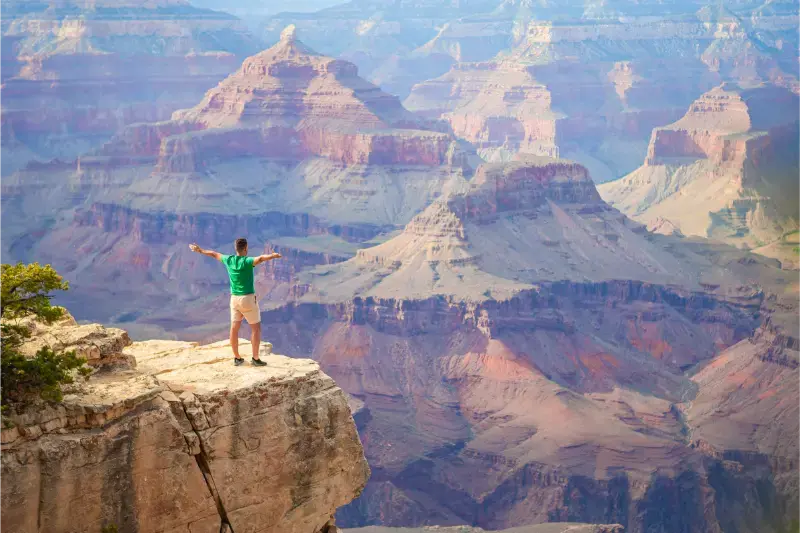
Sedona can still feel warm on exposed trails. An early departure helps with timing but does not remove the need for appropriate terrain, water, and an exit plan. At the Grand Canyon, the inner canyon is substantially hotter than the rim. A pleasant overlook temperature should never be used as the temperature estimate for a descent. Read the park's hiking guidance before choosing one.
June: long daylight does not mean unlimited hiking time
June’s daylight can look generous on an itinerary, but heat limits how travelers use it. A low hotel rate in the desert does not turn a strenuous midday hike into a sensible activity. For a summer resort stay, decide whether you would enjoy the property, indoor visits, and a different daily rhythm. That is a valid holiday when chosen with clear expectations.
Northern Arizona offers an alternative emphasis, though it is not uniformly cool. Rim walks, a forest base, and carefully selected morning activities can fit better than a road trip dominated by low-desert trails. The National Weather Service's northern Arizona monsoon information notes the typically hot, dry character of June before the summer moisture pattern becomes established. Observe fire restrictions and current closures as part of your route planning.
July: plan for heat and changing skies
July calls for a summer-specific itinerary. In the desert cities, include meaningful indoor time and avoid treating a short walk as automatically harmless in extreme heat. For a family trip, think about the youngest traveler’s entire day: transfers, waiting outside, the walk from parking, and time at an exposed overlook all add to the experience.
Monsoon weather can bring thunderstorms, lightning, dust, and flash flooding. The official season runs June 15 through September 30, but storms do not arrive on an identical daily timetable. A dry start is not proof that a slot canyon or exposed ridge will remain suitable. Follow forecasts, alerts, closures, and your guide’s decisions. Leave flooded roads alone; a navigation app cannot judge the water crossing for you.
August: choose a summer trip you actually want
August can work for travelers who understand its limits and are happy with a different pace. You might concentrate on higher-country stays, choose a comfortable base with indoor options, or arrange a short city break around food and museums. Avoid committing the whole holiday to strenuous outdoor activities that require conditions to remain unusually favorable.
For Page, a booked canyon tour needs a weather contingency rather than an immediate replacement in another slot canyon. Check the cancellation policy and how the operator communicates changes. Lake outings also depend on wind, storms, water access, and the actual service booked. A spare half-day is valuable here. It allows the trip to absorb a change without pushing every later reservation out of position.
September: a transition with regional differences
September can bring a gradual shift in northern Arizona, but the low desert may remain very hot. If your interests include the South Rim, Sedona, or Flagstaff, consider how the nights and mornings at your chosen elevations fit the activities. Do not call the whole month cool simply because summer vacations have ended.
Storm risk also continues during the official monsoon season. Keep checking current conditions, especially where flood damage or post-fire hazards can affect access long after the rain itself. If you are combining several parks, make each one an independent check. A road reopened in one region says little about a trail or scenic drive elsewhere. Flexibility remains useful even when the overall route looks seasonally promising.
October: one of the most adaptable choices
October is often a persuasive month for a mixed Arizona trip. Desert-city sightseeing becomes more appealing as conditions ease, while northern destinations can offer crisp mornings and comfortable daytime visits. You still need warm clothing for early light at the canyon and a forecast appropriate to the altitude. It is a good month to plan contrast into the journey rather than pack for one climate.
The North Rim’s calendar requires special care. On October 18, 2026, NPS lists seasonal and recovery limitations, including temporary closure of Cape Royal and Point Imperial roads through the start of November. Those details should not be generalized to later years. Consult the current North Rim status before booking around a particular viewpoint, campground, or service. The South Rim offers a different, broader year-round framework.
November: desert travel gains appeal as northern days shorten
November can suit an itinerary weighted toward Phoenix, Scottsdale, Tucson, and perhaps Bisbee. Give yourself proper daylight for the outdoor visits you care about, and keep evenings for meals or a comfortable return to the hotel. It is a particularly good time to compare a focused southern route with an ambitious statewide circuit; the shorter trip may deliver more of the experiences you want.
For a northern extension, allow for colder weather and shorter daylight. Roads and services on the North Rim have their own closing arrangements, and tribal parks may close for holidays. Ask about the exact dates of a tour rather than assuming an advertised experience runs every day. When booking a Thanksgiving trip, verify meals as well as attractions, particularly in smaller communities.
December: choose between desert comfort and a winter landscape
December offers two distinct ideas for Arizona. One is a desert-city holiday built around outdoor sightseeing when comfortable, cultural visits, and time to enjoy the place you are staying. The other includes the high country in winter, accepting weather uncertainty in exchange for a different view of familiar landscapes. Pick the version that suits your group rather than letting a cheap flight decide the entire route.
Holiday periods can be busy, and individual closures matter. Confirm tribal-park access, restaurant arrangements, and tour schedules for the actual day. If you add the South Rim, leave room to adjust travel around a storm. A late arrival followed by one tightly timed morning gives you much less choice than a stay with an extra night and a flexible departure.
Match the season to your main reason for traveling
For desert hiking and city exploration, begin by comparing the cooler months. For a first northern road trip, examine spring and fall dates while keeping high-country weather in view. Summer is best approached as its own plan, with activities and bases chosen around heat and storms. For the Grand Canyon, always distinguish rim conditions from the trail you intend to descend.
Once you have selected dates, check four things together: local forecasts, current access, daylight, and the operating calendar of your booked experiences. Then compare complete accommodation quotes rather than assuming one season is always cheaper. The Arizona lodging guide can help with bases; the right month becomes much more useful when the nights are in the right places.
Compare the options
| Choice | What it offers | Planning detail |
|---|---|---|
| Winter | Desert cities; high-country weather checks | South Rim can have snow and ice |
| Spring | A mixed regional trip | Demand, wind and cold spells still matter |
| Summer | Summer-specific activities and timing | Heat, storms and fire restrictions |
| Fall | A flexible first-trip option | Check northern service closing dates |
Find your bearings
Open the map in a new tab · Orientation map; use the official local map for trail access and closures.
Frequently asked questions
Is Arizona warm everywhere in winter?
No. Northern high-country destinations can have snow, ice and freezing temperatures while the desert cities are much milder.
When is the official monsoon season?
The National Weather Service uses June 15 through September 30. Actual storms vary by place and day.
Are October North Rim dates the same every year?
No. Seasonal weather, recovery work and service arrangements require a fresh check for each trip.
Plan the next part of your trip
- Best Places to Visit in Arizona: 15 Destinations Worth the Trip
- Where to Stay in Arizona: Best Bases for Every Type of Trip
- 7 Days in Arizona: The Best First-Time Itinerary
Arrange your stay and activities
Some booking links below are affiliate links. We may earn a commission if you book through them.
Compare stays: Arizona USABrowse tours and experiencesCompare rental cars
Match the location, meeting point and cancellation terms to your itinerary before booking.
Official sources and visitor information
- Grand Canyon: weather forecasts and road conditions
- Grand Canyon: day hiking and preparation
- National Weather Service: northern Arizona monsoon
- Grand Canyon: current North Rim recovery and seasonal access
Last updated: October 18, 2026.