

Destinations › West › Utah › Best Things to Do in Moab
Moab is not just a hotel base between Arches and Canyonlands. It is an outdoor destination with state parks, river trips, mountain biking, sandstone arches outside the national parks, scenic drives, petroglyph sites and some of the darkest accessible skies in the Southwest.
The best Moab itinerary combines one major national-park day with one experience that feels completely different. That is how you avoid turning three days into the same sequence of parking lots, red rock and trailheads.
At a glance
| Experience | Best for |
| Arches National Park | First-time visitors |
| Canyonlands Island in the Sky | Huge overlooks |
| Dead Horse Point | Sunset and easy viewpoints |
| Colorado River | Rafting and scenic floats |
| Sand Flats | Biking and 4WD |
| Corona Arch | Independent hiking outside NPS |
1. Explore Arches National Park
Arches remains the obvious first stop, with Delicate Arch, Windows, Balanced Rock and Devils Garden. In 2026, timed-entry reservations are not required, but parking congestion still matters. Arriving early or later in the day is more useful than assuming the absence of reservations means unlimited capacity.
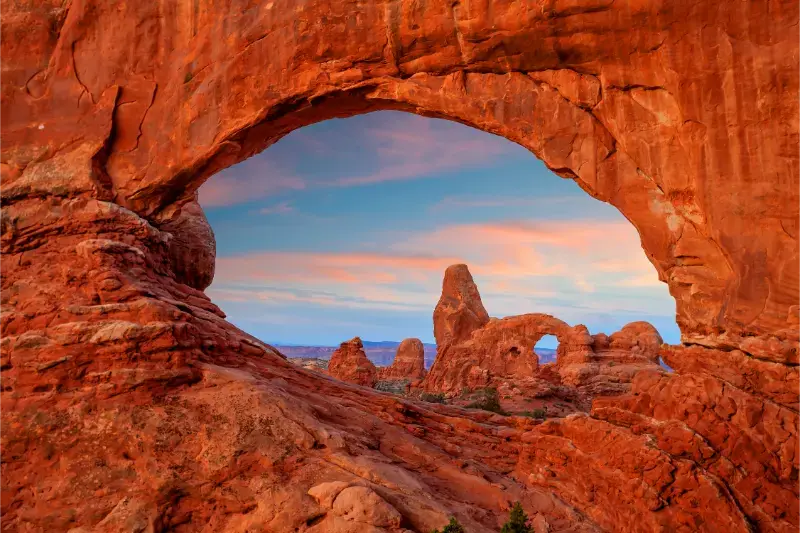
Use the dedicated Arches guide for trail choices and parking strategy rather than trying to combine every landmark into a half day.
2. Spend a day at Canyonlands
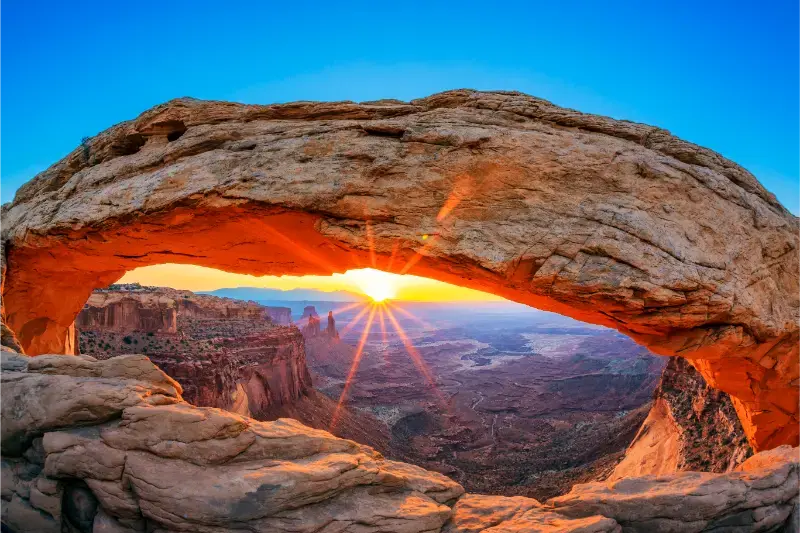
Island in the Sky is the easiest district from Moab and delivers Mesa Arch, Grand View Point and Green River Overlook. The Needles requires a much longer drive and should be planned as its own day.
Canyonlands rewards restraint. One district deeply experienced is better than driving between districts simply to collect both names.
3. Sunset at Dead Horse Point State Park
Dead Horse Point sits near the Canyonlands approach and creates one of the easiest high-impact additions to a Moab trip. The park is open year-round, and current 2026 information lists day-use hours from 6 a.m. to 10 p.m.
Pair it with Island in the Sky rather than Arches because the access roads share the same side of Moab. The overlook is dramatic without requiring a strenuous hike.
4. Hike to Corona Arch
Corona Arch lies outside Arches National Park and gives hikers a major sandstone arch without entering the national park. The trail crosses open slickrock and has short sections with cables or ladders, so heat and footwear matter.
Start early in warm weather and avoid treating “outside the national park” as “uncrowded at any hour.” It is a popular Moab hike.
5. Drive the Colorado River corridor
Utah 128 follows the Colorado River beneath towering canyon walls northeast of town. The drive works as a low-effort afternoon after a major hike and connects to trailheads, ranches and Castle Valley views.
Late-day light can be excellent, but watch for cyclists and avoid sudden stops on narrow shoulders.
6. Raft or float the Colorado River
Moab supports both calm-water scenic trips and more active whitewater experiences. A guided river day can be particularly valuable in summer because it creates a different rhythm from exposed desert hiking.
Choose the trip from season, water levels and group ability rather than from marketing terms such as “adventure.” Families and first-timers often prefer a shorter scenic float.
7. Mountain bike Sand Flats
Moab is one of the world’s best-known mountain-bike destinations. Slickrock and other trail systems are serious terrain, not casual paved cycling. Beginners should select routes designed for their skill level or use a guide.
Heat, mechanical problems and route-finding can turn a fun ride into an emergency quickly. Carry repair tools and more water than you would on a shaded forest ride.
8. See petroglyphs respectfully
The Moab area contains multiple Indigenous rock-art panels. View them as cultural sites rather than photo props: do not touch, trace, chalk or climb near panels.
Use established pullouts and paths. The value is in seeing how human history sits within the same landscape that now attracts recreation.
9. Stargaze
Moab’s public lands are excellent for dark-sky viewing. Choose a safe developed area, arrive before full darkness when possible and bring a red light.
Do not stop in traffic lanes or wander onto cryptobiotic soil simply to find a foreground. Night photography should follow the same resource-protection rules as daytime hiking.
10. Take a guided 4WD trip
Guided 4WD trips can open routes that rental-car travelers should not attempt alone. The best tours add geology, local knowledge and safe access rather than simply speed.
If you plan to self-drive, confirm both road conditions and the rental agreement. High clearance and true low-range 4WD are not the same as an all-wheel-drive crossover.
Official planning resources
How many days do you need in Moab?
Three nights is the practical minimum for a first visit because it allows one Arches day, one Canyonlands/Dead Horse Point day and one day for a non-national-park experience. Four or five nights are better for travelers who hike, bike, raft or want weather flexibility.
The mistake is not staying too long; it is planning each day as if Moab were a compact resort. Trailheads, park entrances and scenic roads spread in different directions, so grouping experiences geographically saves hours of driving.
Moab without extreme adventure
You do not need technical canyoneering or difficult 4WD trails to enjoy Moab. Scenic drives, short hikes, river floats, museums, petroglyph sites, sunrise overlooks and Dead Horse Point can fill several days. Guided activities are useful when they add access or expertise, not because every visitor needs an adrenaline package.
Travelers with limited mobility can still experience huge landscapes from developed viewpoints in Arches, Canyonlands and Dead Horse Point. Planning around sunrise, shade and short transfers matters more than collecting trail mileage.
How this guide connects with the rest of Utah
Utah trips work best as connected clusters rather than isolated attractions. Use the related guides below to compare bases, reduce backtracking and decide which experiences deserve their own day.
- Moab Travel Guide
- Arches National Park Guide
- Canyonlands Guide
- Monument Valley to Moab Road Trip
- Where to Stay in Utah
Practical planning strategy
Check the official land-management source again 24–48 hours before any weather-sensitive hike or unpaved-road day. Southern Utah can change quickly after storms, while northern mountain weather can alter roads and trail conditions at elevation. Download offline maps before leaving towns and never assume mobile coverage at a trailhead.
Build one priority activity per day and one backup. This simple rule prevents a permit, parking problem, heat wave or storm from ruining the entire schedule. It also gives you enough time to stop at viewpoints that were not visible when you planned the trip at home.
Frequently asked questions
How many days in Moab?
Three nights is a strong minimum; four or five are better if you want river, biking or longer hikes.
Can you visit Arches and Canyonlands in one day?
You can sample Arches and Island in the Sky, but each park deserves its own day for a better first trip.
Is Dead Horse Point worth it?
Yes, especially paired with Island in the Sky. It delivers a huge canyon view with little walking.
Do you need a 4WD vehicle in Moab?
Not for Arches, Island in the Sky or most first-time sightseeing. Many backcountry roads do require high-clearance 4WD.
Final planning checklist
- Verify current road, trail and weather conditions.
- Download offline maps and save reservation confirmations.
- Carry more water than the minimum you expect to drink.
- Plan fuel before long scenic or backcountry drives.
- Keep at least one daily activity flexible.
- Avoid scheduling a long night drive immediately after a strenuous hike.
A final note on pacing
The most memorable Utah trips are rarely the ones with the highest attraction count. Red-rock landscapes are large, weather-sensitive and physically demanding. Give major parks and road corridors enough time for early starts, unplanned overlooks and a real meal at the end of the day. When a route feels too full on paper, removing one stop usually improves every place that remains.
For a first trip, protect sleep and daylight. Start demanding hikes in the coolest safe window, drive scenic roads while you can actually see them and reach the next lodging base before exhaustion becomes part of the plan. That approach is safer, easier for families and more likely to produce a trip you would willingly repeat.
Extra trip-planning detail
A useful way to test the itinerary is to imagine the day with a two-hour delay. If a parking queue, thunderstorm or slow restaurant would make you miss the final shuttle, reach lodging after midnight or drive an unpaved road in darkness, the plan is too tight. Add margin before the trip rather than trying to recover it on the road.
Also separate drive time from travel time. Navigation apps measure movement, not viewpoints, fuel stops, construction, wildlife, trailhead parking or the simple need to stretch after several hours in the car. In Utah, a beautiful two-hour transfer often occupies half a day once you travel at a pace that lets you experience it.
Looking for the right place to stay? Compare hotels and accommodation on Booking.com.