

Destinations › West › Utah › Monument Valley to Moab Road Trip
The drive from Monument Valley to Moab can be a three-hour transfer or a three-day Southwest road trip. The direct route is simple, but the country between the two destinations contains Goosenecks, Valley of the Gods, Bears Ears-area landscapes, Natural Bridges and access toward the Needles district of Canyonlands.
The best version depends on your vehicle and time. Standard passenger cars can build an excellent paved-road itinerary, while high-clearance routes should be added only after checking current conditions and land-management guidance.
At a glance
| Plan | Recommended time |
| Direct transfer | Half day with minimal stops |
| Scenic first trip | 1 full day |
| Best road-trip version | 2–3 days |
| Best overnight options | Bluff, Blanding or Monticello |
| Final base | Moab |
The direct route
The simplest route heads north from Monument Valley through Mexican Hat and Bluff, then continues toward Blanding, Monticello and Moab. It is fully reasonable for a transfer day, but schedule daylight because the scenery is part of the experience.
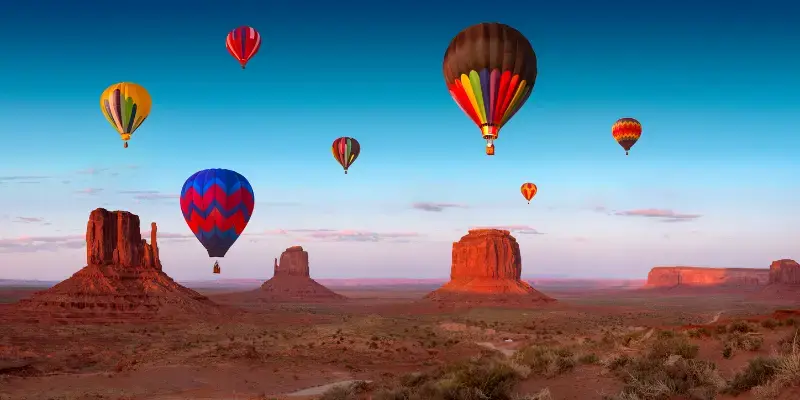
Fuel in the established towns rather than assuming every junction has services. Cell coverage is inconsistent on remote stretches.
Mexican Hat and Goosenecks
Mexican Hat is a tiny settlement and useful geographic marker. Nearby Goosenecks State Park overlooks entrenched bends of the San Juan River and can be visited with little walking.
This is one of the best low-effort stops for travelers who are already carrying hiking fatigue from Monument Valley or Page.
Valley of the Gods
Valley of the Gods is a beautiful unpaved loop through isolated sandstone formations, but conditions can change. Do not add it automatically to a rental-car route after rain.
When the road is appropriate for your vehicle, it creates a quieter counterpoint to Monument Valley. When it is not, skip it and continue on paved roads; the trip remains excellent.
Natural Bridges National Monument detour
Natural Bridges can justify a major detour for travelers with a full day or an overnight near Blanding. The park combines overlooks with trails descending toward natural bridges and has a very different feel from roadside Monument Valley.
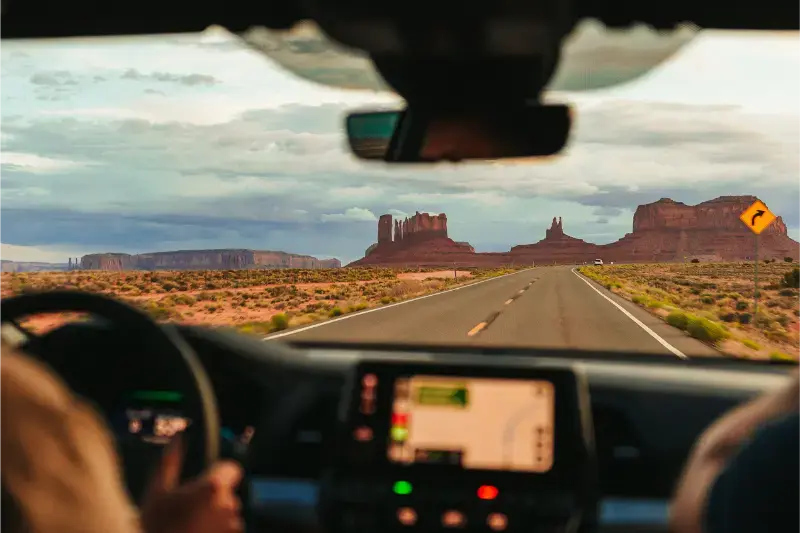
Check trail and road conditions, especially in hot weather. The detour is most worthwhile when you can spend several hours rather than racing around the loop.
Bluff and Blanding
Bluff works well for travelers interested in local history and a slower night along the San Juan corridor. Blanding has more practical services and positions you for Natural Bridges or Bears Ears-area drives.
Choose the overnight from the next morning’s goal. Sleeping in Moab every night may look convenient, but it can force unnecessary backtracking.
The Needles approach
If Canyonlands’ Needles district is a priority, the Monument Valley corridor is the logical side from which to approach it. The district sits well south of Moab, so visiting it on the transfer day can save a long out-and-back later.
However, a real Needles hiking day should not be squeezed after several hours of driving. Camp or stay nearby if you plan Chesler Park or another long route.
One-day itinerary
Leave Monument Valley early, stop at Goosenecks, choose either a brief Bluff stop or one additional scenic detour, then continue to Moab before dark. Skip long unpaved roads and major hikes.
This version is best for travelers with fixed Moab lodging and limited time. It is still much better than leaving Monument Valley at noon.
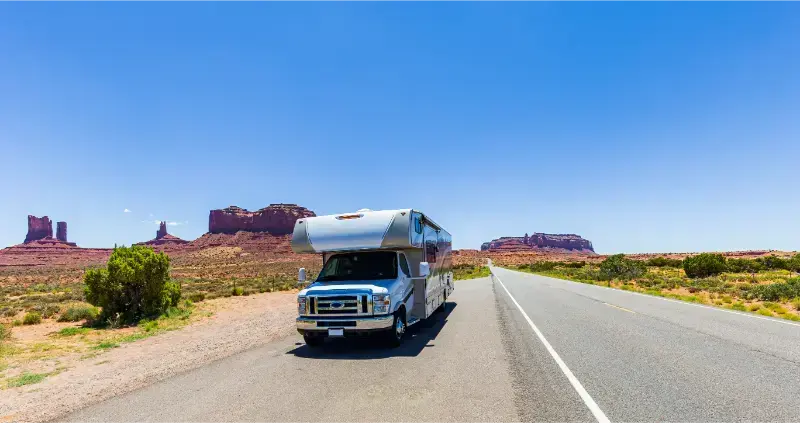
Two-day itinerary
Day one: Monument Valley, Mexican Hat, Goosenecks and Bluff/Blanding. Day two: Natural Bridges or the Needles approach, then arrive in Moab.
This is the sweet spot because it lets the corridor become part of the vacation rather than dead mileage.
Three-day itinerary
Use the third day for a deeper Bears Ears/Natural Bridges experience or a full Needles day before moving to Moab. The route becomes more outdoor-focused and requires more attention to water, fuel and road conditions.
Keep the plan flexible in monsoon season. A dirt-road detour should be the first thing removed when storms threaten.
Responsible travel
Much of this corridor includes culturally significant Indigenous landscapes. Stay on designated roads and trails, do not enter closed or ceremonial areas, and never remove artifacts.
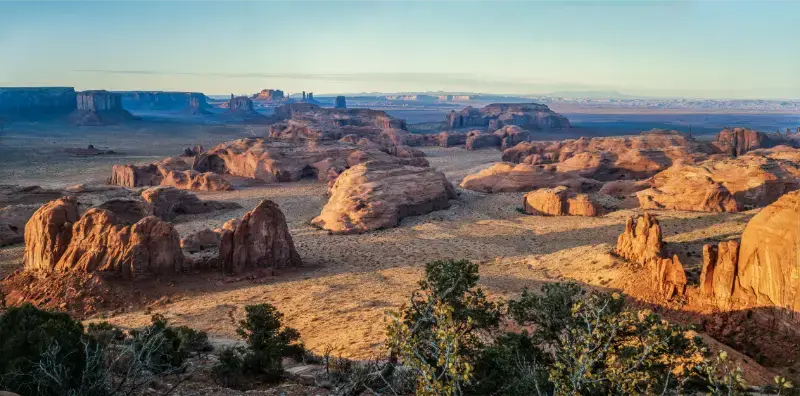
Monument Valley itself is Navajo Tribal Park land, not a federal national park. Follow Navajo Nation rules and operating hours rather than assuming National Park Service policies apply.
Why this transfer deserves more than a drive-through
The Monument Valley–Moab corridor crosses one of the richest concentrations of public lands and Indigenous cultural landscapes in the Southwest. Treating it as a same-day transfer is possible, but it means skipping places such as Goosenecks, Valley of the Gods, Natural Bridges and the Needles approach.
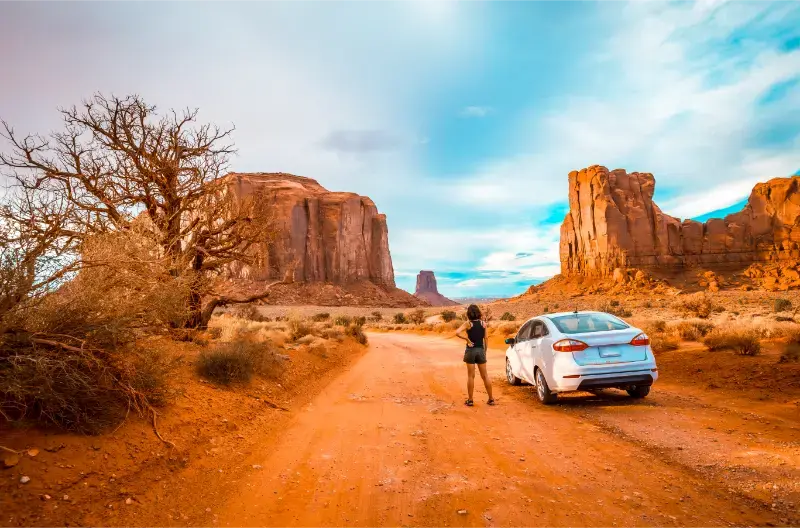
A two- or three-day version is much stronger. It also reduces the temptation to arrive in Moab after dark and begin an Arches day already exhausted.
Cross-state planning with Arizona
Monument Valley belongs to the Navajo Nation and straddles the Arizona–Utah border, so travelers should not think of the state line as the organizing feature. Build the route around Navajo park hours, daylight, road conditions and where you want to sleep.
If the trip begins in Page, Sedona or the Grand Canyon, keep a separate day for Monument Valley rather than squeezing the valley and Moab into the same afternoon. The landscape is most rewarding when you can stay through late light.
How this guide connects with the rest of Utah
Utah trips work best as connected clusters rather than isolated attractions. Use the related guides below to compare bases, reduce backtracking and decide which experiences deserve their own day.
Practical planning strategy
Check the official land-management source again 24–48 hours before any weather-sensitive hike or unpaved-road day. Southern Utah can change quickly after storms, while northern mountain weather can alter roads and trail conditions at elevation. Download offline maps before leaving towns and never assume mobile coverage at a trailhead.
Build one priority activity per day and one backup. This simple rule prevents a permit, parking problem, heat wave or storm from ruining the entire schedule. It also gives you enough time to stop at viewpoints that were not visible when you planned the trip at home.
Frequently asked questions
How long is the drive from Monument Valley to Moab?
A direct drive takes only a few hours, but a scenic first-time route deserves a full day.
Do you need 4WD?
No for the main paved route. Optional roads such as Valley of the Gods can require more caution depending on conditions.
Where should you stay between Monument Valley and Moab?
Bluff, Blanding and Monticello are the most useful intermediate bases.
Can you visit the Needles on the way?
Yes, but it is best with enough time for a real visit rather than a rushed late-afternoon detour.
Final planning checklist
- Verify current road, trail and weather conditions.
- Download offline maps and save reservation confirmations.
- Carry more water than the minimum you expect to drink.
- Plan fuel before long scenic or backcountry drives.
- Keep at least one daily activity flexible.
- Avoid scheduling a long night drive immediately after a strenuous hike.
A final note on pacing
The most memorable Utah trips are rarely the ones with the highest attraction count. Red-rock landscapes are large, weather-sensitive and physically demanding. Give major parks and road corridors enough time for early starts, unplanned overlooks and a real meal at the end of the day. When a route feels too full on paper, removing one stop usually improves every place that remains.
For a first trip, protect sleep and daylight. Start demanding hikes in the coolest safe window, drive scenic roads while you can actually see them and reach the next lodging base before exhaustion becomes part of the plan. That approach is safer, easier for families and more likely to produce a trip you would willingly repeat.
Extra trip-planning detail
A useful way to test the itinerary is to imagine the day with a two-hour delay. If a parking queue, thunderstorm or slow restaurant would make you miss the final shuttle, reach lodging after midnight or drive an unpaved road in darkness, the plan is too tight. Add margin before the trip rather than trying to recover it on the road.
Also separate drive time from travel time. Navigation apps measure movement, not viewpoints, fuel stops, construction, wildlife, trailhead parking or the simple need to stretch after several hours in the car. In Utah, a beautiful two-hour transfer often occupies half a day once you travel at a pace that lets you experience it.
Looking for the right place to stay? Compare hotels and accommodation on Booking.com.