

Destinations › Pacific USA › Hawaii travel guide › Best Things to Do in Oahu: 25 Essential Experiences
The best things to do on Oʻahu connect landscapes with the people and histories that give them meaning. A beach day, royal palace, memorial, food market and surf town should not be rushed into one “circle island” photo collection. The island is compact on a map but complex in traffic, access and ocean exposure.
Choose two anchors per day from the twenty-five experiences below. Use the Oʻahu travel guide for regional structure.
At a glance
| Top cultural priority | ʻIolani Palace or Bishop Museum |
| Top historic commitment | Pearl Harbor |
| Best urban beach base | Waikīkī |
| Best regional day | Windward or North Shore |
| Ideal stay | 6–8 days |
Twenty-five worthwhile Oʻahu experiences
Visit ʻIolani Palace
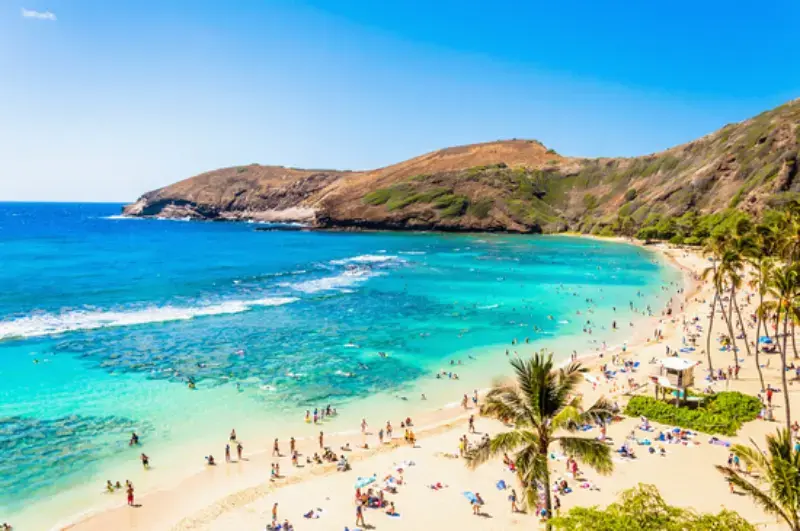
The royal residence is essential to understanding the Hawaiian Kingdom. Follow tour rules and give the history more than a quick exterior stop.
Explore Bishop Museum
Collections and interpretation address Hawaiian and Pacific history, science and culture. Allow several hours.
Walk historic Downtown Honolulu
Kawaiahaʻo Church, the Capitol district and other civic sites connect multiple layers of history. Respect active institutions.
Visit Pearl Harbor National Memorial
Use official sources for current reservations and security. The USS Arizona Memorial program is subject to operational conditions.
Understand the wider Pearl Harbor sites
Separate organizations manage different museums and vessels. Choose intentionally rather than assuming one ticket covers everything.
Walk Waikīkī Beach
Learn the area’s surf and Hawaiian history while sharing the waterfront responsibly.
Watch sunset without blocking access
Use public spaces, keep paths clear and avoid crowding wildlife resting on shore.
Hike Diamond Head when properly reserved
Nonresident access may require timed entry and parking. Heat and stairs reward an early, prepared visit.
Enjoy Kapiʻolani Park
The park provides space beside Waikīkī and works well with nearby cultural or family activities.
Visit the Honolulu Museum of Art
Art from Hawaiʻi, Asia, the Pacific and beyond adds an indoor cultural day.
Explore Chinatown respectfully
Markets, food and historic streets remain part of a working neighborhood. Choose current businesses and stay aware of block-level conditions.
Eat local food with context
Try plate lunch, poke, noodles, bakeries and contemporary Hawaiian cuisine without reducing traditions to a viral checklist.
Drive to the windward side
Use legal viewpoints and a focused destination instead of stopping abruptly along mountain roads.
Visit a windward beach safely
Conditions differ by beach and day. Follow lifeguards and protect gear from theft.
Learn at a botanical garden
Gardens can explain island ecology and introduced plants while offering a weather-flexible route.
Experience the North Shore
Choose surf viewing, food and one community stop based on season and traffic.
Watch large surf from distance
Winter waves are for experienced water users. Remain behind barriers and never turn your back on the ocean.
Visit Haleʻiwa carefully
Support local businesses, park legally and remember that the town serves residents as well as visitors.
Choose a reputable cultural experience
Evaluate Native Hawaiian leadership, educational depth, group size and community connection.
Snorkel only in suitable conditions
Use a lifeguarded or professionally guided site matched to ability; never touch reef or wildlife.
Take a responsible boat trip
Weather, marine life rules and operator quality matter more than a guaranteed-animal claim.
Explore an accessible scenic lookout
Established overlooks provide views without trespassing or eroding informal paths.
Attend live music or hula
Look for programs that credit performers and explain the cultural setting.
Spend a car-free day
Walking and transit in Honolulu can reduce parking cost and visitor traffic.
Leave time for an unexpected meal or museum
Oʻahu’s cultural density rewards flexibility more than another cross-island drive.
Practical planning advice
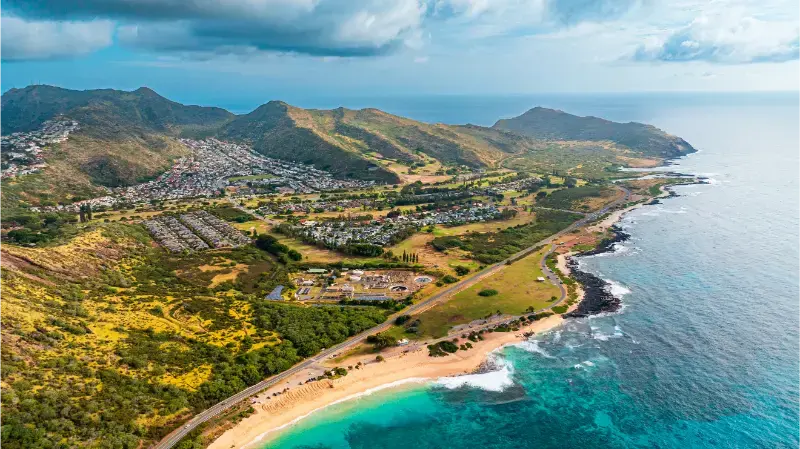
Group by region
Keep Honolulu, Pearl Harbor, Windward and North Shore plans on separate days.
Reserve the fixed experiences
Secure palace tours, memorial programs and state-monument entry before beaches.
Check ocean conditions
Use lifeguards and official warnings for the exact shore.
Protect belongings
Leave nothing visible in a rental car at beaches or trailheads.
Choose the right base
Read where to stay in Oʻahu before comparing hotel prices.
Frequently asked questions
What should I not miss?
Combine one major cultural institution, Pearl Harbor, a Honolulu day and one outer-island region.
What is free?
Many beaches, public parks and walking areas are free, while parking and reservations may not be.
Is the North Shore safe for swimming?
Conditions vary; winter surf can be extremely dangerous even near shore.
Can I visit Pearl Harbor and the North Shore together?
It is possible but often rushed and vulnerable to traffic.
How many activities fit in one day?
Two anchors plus a meal and flexible stop usually create a better day.
Turn priorities into a daily route
Choose Visit ʻIolani Palace and Explore Bishop Museum as the day’s anchors, then place meals, transport and flexible stops around them. Island geography rewards focus. This protects the main experience if traffic, surf, rain or a reservation change affects the schedule, and it prevents a short-looking map from becoming an exhausting series of detours.
Count the hidden transfer time
A flight, rental-car pickup or hotel change occupies more than its advertised duration. Include check-out, airport security, baggage, car return and the drive to the next base. An inter-island travel day should contain one flexible experience, not a full sightseeing list.
Check reservations in the right order
Secure limited park entry, high-demand cultural programs, scarce tours and the most important lodging first. Recheck arrival windows, parking rules and cancellation deadlines. General admission and access to a specific trail, memorial or timed program may be separate.
Use weather by coast and elevation
A single island can contain sunny leeward beaches, rainy windward valleys and cold mountain summits on the same day. Check conditions for the exact place and elevation, then carry layers and a nearby alternative rather than relying on one island-wide forecast.
Treat ocean safety as a daily decision
Wave height, currents, shore break, wind and visibility change by beach and season. Prefer lifeguarded water, read posted warnings and stay out when uncertain. A beach being popular or calm-looking does not make it safe for swimming or snorkeling.
Build the budget from the full trip
Add accommodation taxes, resort or destination charges, parking, rental-car costs, fuel, food and inter-island baggage. A cheaper room can cost more if it creates daily transport, while a kitchen may provide real value for families.
Plan for different mobility levels
Choose routes around the traveler least comfortable with heat, stairs, uneven lava, sand or boat motion. Confirm accessible parking, restrooms, seating and boarding directly. A viewpoint or cultural program can preserve the day when a trail does not suit everyone.
Travel with cultural respect
Learn place names, follow access rules and remember that beaches, valleys and historic sites are not scenery detached from community. Do not trespass, enter sacred areas casually or treat residents as part of a visitor performance. Support locally rooted businesses when practical.
Keep wildlife wild
Maintain required distance from marine and land animals, never feed them and do not block movement between ocean and shore. Follow staff or volunteer instructions. A close photograph is never worth stressing wildlife or receiving a citation.
Keep one appealing backup
Choose an alternative near the same base for the activity most exposed to surf, rain, wind, closure or sold-out parking. A museum, garden, food stop or protected walk should preserve the day without triggering another long drive.
Final check before departure
Forty-eight hours before a priority activity, verify the official alert, reservation, road status, beach warning and meeting point. Check again that morning. Screenshots and offline directions are useful where reception is weak or a phone overheats.
Use the rental car selectively
A car is valuable for many island days but can be expensive and inconvenient in Waikīkī. Compare hotel parking and rental days with transit, walking and short rides. Never leave valuables visible at beaches or trailheads.
Plan meals before the group is hungry
Popular places may sell out, close early or have long waits. Pick one priority meal and one nearby alternative. Carry water and simple food on remote drives rather than assuming the next community has late service.
Leave recovery time
Sun, salt water, jet lag, winding roads and early starts accumulate. A slower beach or neighborhood afternoon can improve the next major day more than another distant stop. Strong itineraries preserve energy across the entire vacation.
Continue planning your Hawaii trip
Use the Hawaii travel guide as the state hub, then compare the best things to do in Hawaii, the best Hawaiian islands, the best time to visit Hawaii and where to stay in Hawaii.
Continue planning Hawaii
Use the related Hawaii guides below to move from island selection to Oʻahu, Honolulu and Waikīkī without rebuilding the trip from zero.
- Best Things to Do in Hawaii: 30 Essential Experiences
- Hawaii Island-Hopping Itinerary: A Realistic 14-Day Plan
- Best Islands to Visit in Hawaii: Which One Is Right?
- Best Time to Visit Hawaii: Weather, Crowds & Seasons
- Where to Stay in Hawaii: Best Islands and Bases
- Oahu Travel Guide: How to Plan a First Visit
- Where to Stay in Oahu: Best Areas and Beaches
- Honolulu Travel Guide: History, Food & Planning
- Waikiki Travel Guide: Beach, Hotels & Local History
Compare accommodation for this itinerary
Compare available accommodation for your dates, budget and preferred location before you finalize your route.
Affiliate disclosure: we may earn a commission from qualifying bookings at no extra cost to you. Compare Waikiki hotels, Honolulu accommodation and North Shore stays. Review the total price, mandatory fees, parking, exact location and cancellation terms before booking.