

Destinations › Pacific USA › Hawaii travel guide › Best Things to Do in Hawaii: 30 Essential Experiences
The best things to do in Hawaii are not interchangeable tropical activities. Each island holds distinct volcanic landscapes, communities, histories and ocean conditions, and the strongest trip gives those differences time. Native Hawaiian culture is not an attraction layered onto the destination; it is central to understanding place.
These thirty experiences help establish priorities before choosing flights and hotels. Use the Hawaiian island comparison and island-hopping itinerary to turn the list into a realistic route.
At a glance
| Best first-time mix | Oʻahu |
| Best volcanic landscapes | Hawaiʻi Island |
| Best compact scenery | Kauaʻi |
| Best resort/nature balance | Maui |
| Ideal first trip | One island in 7–9 days |
Thirty experiences that reveal Hawaiʻi
Learn before choosing an island
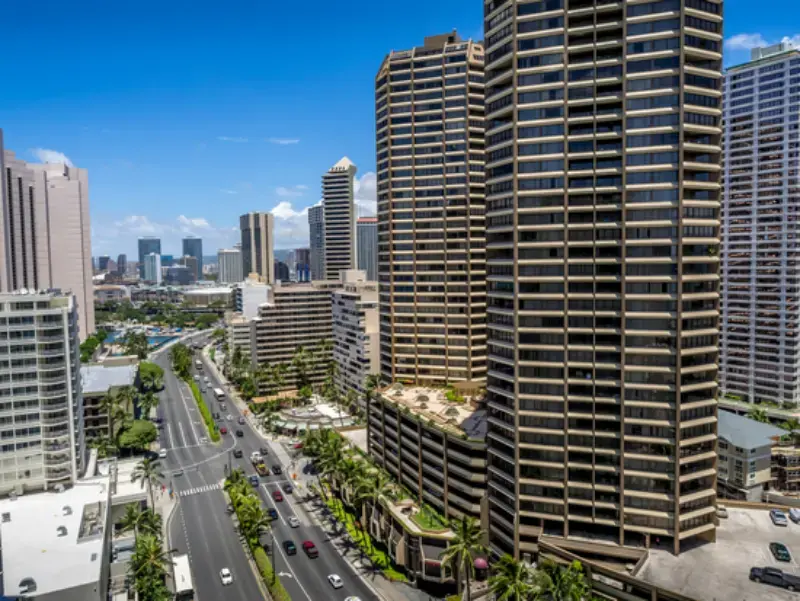
Read about Native Hawaiian history, language and stewardship so the trip begins with context rather than stereotypes.
Explore Honolulu beyond the resort zone
Museums, historic sites, food and neighborhoods make the capital more than an airport beside Waikīkī.
Visit Pearl Harbor thoughtfully
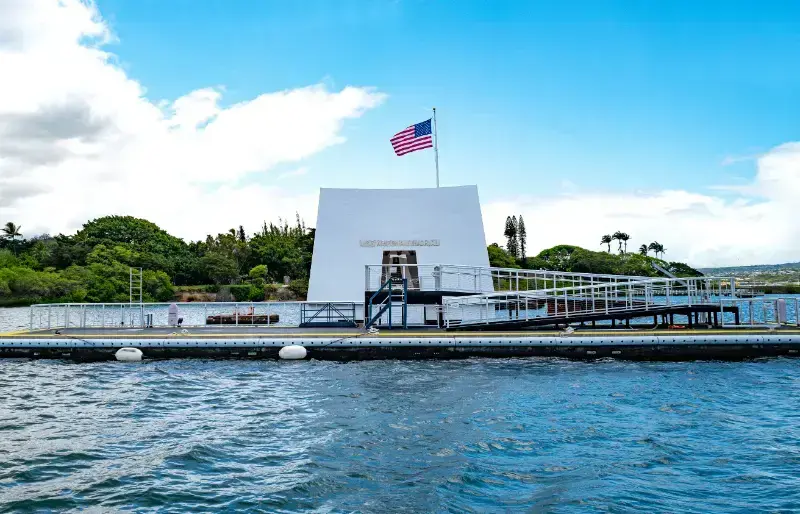
The memorial landscape requires historical attention and current reservation planning, not a rushed photo stop.
Walk Waikīkī with historical context
The beach and hotel district have deep Hawaiian history beneath the modern visitor infrastructure.
See Diamond Head from the right perspective
The volcanic landmark is visible across Honolulu; hiking access and parking may require advance reservations for nonresidents.
Experience Oʻahu’s windward side
Mountain scenery, beaches and communities reward a geographically focused day with legal parking and ocean checks.
Approach the North Shore by season
Winter surf and summer water can be dramatically different. Watching experts does not make conditions safe for visitors.
Visit a cultural institution
Bishop Museum, ʻIolani Palace and other sites provide essential perspectives that a scenic drive cannot.
See Haleakalā responsibly
Maui’s summit district involves elevation, cold and changing access procedures; sunrise is not the only meaningful time.
Drive the Road to Hāna with restraint
The road passes communities and narrow bridges. Fewer legal stops and an early plan are better than blocking access for every waterfall.
Learn from Maui communities
Check current local guidance, support open locally rooted businesses and avoid treating recovery or residential areas as spectacle.
Explore Hawaiʻi Volcanoes National Park
Eruptions are never guaranteed. Lava fields, rainforest, craters, cultural sites and changing geology justify a visit without visible lava.
Split Hawaiʻi Island bases
Kona/Kohala and Hilo/Volcano serve different landscapes; crossing the island repeatedly weakens a short itinerary.
Visit Puʻuhonua o Hōnaunau
This national historical park requires respectful interpretation of Hawaiian law, refuge and sacred landscape.
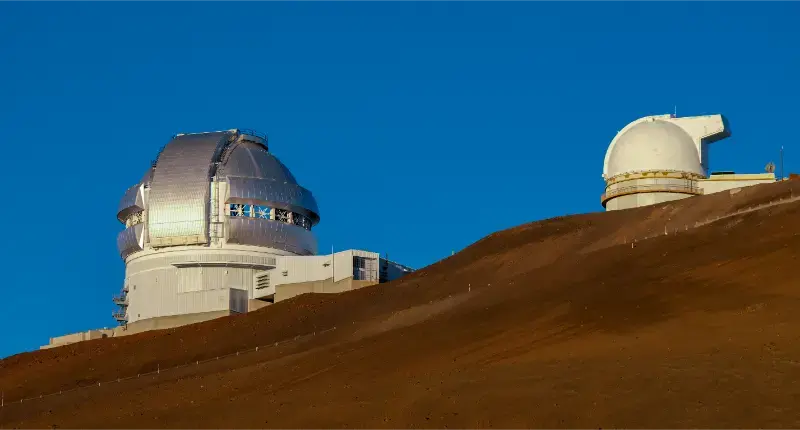
See the stars within the rules
High-elevation night plans require cold-weather preparation, safe driving and respect for observatory and cultural restrictions.
Explore Waimea Canyon
Kauaʻi’s canyon viewpoints and trails depend on cloud, rain and road conditions. Keep a coastal alternative.
Experience the Nāpali Coast appropriately
Boat, trail and air experiences have different weather, physical and environmental tradeoffs. Choose one method responsibly.
Respect Hāʻena access systems
Reservations and shuttles protect a high-demand landscape. Confirm current entry rather than arriving without permission.
Choose a lifeguarded beach
Match the beach to current conditions and ability, not to a photograph or island ranking.
Snorkel without touching
Maintain buoyancy, avoid standing on reef, keep distance from wildlife and leave when conditions exceed ability.
Watch whales in season responsibly
Use permitted operators and current wildlife guidance. Sightings remain natural and cannot be guaranteed.
Try locally rooted food
Plate lunches, poke, bakeries, farmers markets and contemporary kitchens reveal migration and island agriculture.
Attend hula with context
Seek programs that explain lineage, music and meaning rather than treating hula as generic dinner entertainment.
Learn a few Hawaiian words correctly
Pronunciation and place names show respect. Use ʻokina and kahakō where practical and listen to Native speakers.
Volunteer only through legitimate programs
A useful mālama activity should respond to community or conservation needs, not simply create a visitor photo opportunity.
Visit a botanical garden
Gardens can explain endemic, Polynesian-introduced and agricultural plants while providing a weather-flexible experience.
Hike for conditions, not status
Mud, heat, cliff exposure and flash floods change trail suitability. Turn around before risk becomes rescue.
Choose a lūʻau carefully
Compare cultural leadership, food, group size and transport rather than selecting only by fire performance or discount.
Leave one day unassigned
Weather and local discoveries often reveal the most sensible use of the final day.
Give back through ordinary choices
Use legal access, reduce waste, conserve water, respect housing pressure and spend with businesses connected to local communities.
Practical planning advice
Choose the island first
A strong first trip starts with island fit, then accommodation and activities—not the cheapest flight combination.
Limit inter-island transfers
For fewer than ten nights, one island often produces a better vacation than two compressed stays.
Reserve scarce access
Book park entry, popular cultural programs and hard-to-replace tours before flexible beach days.
Check official information
Start with GoHawaii and verify park or memorial details with the responsible agency.
Choose accommodation by daily geography
Compare available accommodation for your dates, budget and preferred location before you finalize your route.
Use where to stay in Hawaii before locking a route.
Frequently asked questions
What should first-time visitors prioritize?
Choose one island, one cultural institution, one major landscape and several slower local days.
How many days do I need?
Seven to nine days suit one island; ten to fourteen can support two.
Do I need a car?
Usually outside central Honolulu/Waikīkī; rent only for the days that require it.
Which island has the most variety?
Oʻahu combines urban culture, history, beaches and varied coasts in a compact trip.
Is Hawaii suitable for families?
Yes when ocean conditions, drives and activity ages guide the plan.
Turn priorities into a daily route
Choose Learn before choosing an island and Explore Honolulu beyond the resort zone as the day’s anchors, then place meals, transport and flexible stops around them. Island geography rewards focus. This protects the main experience if traffic, surf, rain or a reservation change affects the schedule, and it prevents a short-looking map from becoming an exhausting series of detours.
Count the hidden transfer time
A flight, rental-car pickup or hotel change occupies more than its advertised duration. Include check-out, airport security, baggage, car return and the drive to the next base. An inter-island travel day should contain one flexible experience, not a full sightseeing list.
Check reservations in the right order
Secure limited park entry, high-demand cultural programs, scarce tours and the most important lodging first. Recheck arrival windows, parking rules and cancellation deadlines. General admission and access to a specific trail, memorial or timed program may be separate.
Use weather by coast and elevation
A single island can contain sunny leeward beaches, rainy windward valleys and cold mountain summits on the same day. Check conditions for the exact place and elevation, then carry layers and a nearby alternative rather than relying on one island-wide forecast.
Treat ocean safety as a daily decision
Wave height, currents, shore break, wind and visibility change by beach and season. Prefer lifeguarded water, read posted warnings and stay out when uncertain. A beach being popular or calm-looking does not make it safe for swimming or snorkeling.
Build the budget from the full trip
Add accommodation taxes, resort or destination charges, parking, rental-car costs, fuel, food and inter-island baggage. A cheaper room can cost more if it creates daily transport, while a kitchen may provide real value for families.
Plan for different mobility levels
Choose routes around the traveler least comfortable with heat, stairs, uneven lava, sand or boat motion. Confirm accessible parking, restrooms, seating and boarding directly. A viewpoint or cultural program can preserve the day when a trail does not suit everyone.
Travel with cultural respect
Learn place names, follow access rules and remember that beaches, valleys and historic sites are not scenery detached from community. Do not trespass, enter sacred areas casually or treat residents as part of a visitor performance. Support locally rooted businesses when practical.
Keep wildlife wild
Maintain required distance from marine and land animals, never feed them and do not block movement between ocean and shore. Follow staff or volunteer instructions. A close photograph is never worth stressing wildlife or receiving a citation.
Keep one appealing backup
Choose an alternative near the same base for the activity most exposed to surf, rain, wind, closure or sold-out parking. A museum, garden, food stop or protected walk should preserve the day without triggering another long drive.
Continue planning your Hawaii trip
Use the Hawaii travel guide as the state hub, then compare the best things to do in Hawaii, the best Hawaiian islands, the best time to visit Hawaii and where to stay in Hawaii.
Continue planning Hawaii
Use the related Hawaii guides below to move from island selection to Oʻahu, Honolulu and Waikīkī without rebuilding the trip from zero.
- Hawaii Island-Hopping Itinerary: A Realistic 14-Day Plan
- Best Islands to Visit in Hawaii: Which One Is Right?
- Best Time to Visit Hawaii: Weather, Crowds & Seasons
- Where to Stay in Hawaii: Best Islands and Bases
- Oahu Travel Guide: How to Plan a First Visit
- Best Things to Do in Oahu: 25 Essential Experiences
- Where to Stay in Oahu: Best Areas and Beaches
- Honolulu Travel Guide: History, Food & Planning
- Waikiki Travel Guide: Beach, Hotels & Local History
Compare accommodation for this itinerary
Affiliate disclosure: we may earn a commission from qualifying bookings at no extra cost to you. Compare Hawaii accommodation, Honolulu hotels and Maui stays. Review the total price, mandatory fees, parking, exact location and cancellation terms before booking.
Continue with detailed island planning in the Maui travel guide, the best things to do in Maui and the best things to do on the Big Island.
Complete the experience planning with the best things to do in Kauai, the Hawaii family guide and the Hawaii snorkeling guide.