

Destinations › West USA › Colorado travel guide › Best Things to Do in Denver: 25 Experiences Beyond a Checklist
The best things to do in Denver are not a single list of 25 attractions to complete. They work in clusters: downtown architecture and history, Civic Center museums, RiNo art and food, park-and-museum combinations, and foothills experiences that deserve their own transport plan. The useful question is not “what is famous?” but “which experiences fit together without spending half the day crossing the metro area?”
This guide prioritizes experiences that reveal something different about Denver, then shows how to combine them. Hours, ticket rules and event access change, so use the official links before any date-sensitive visit.
25 Denver experiences worth your time
1. Start at Union Station
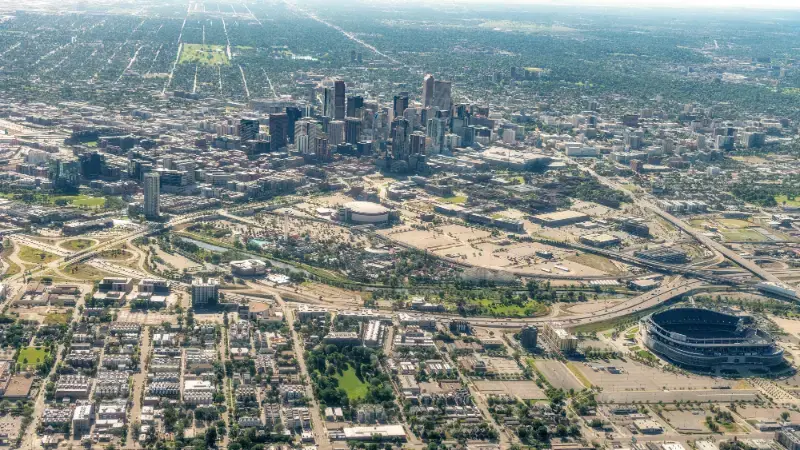
Use the station as a transit hub and orientation landmark. Its value is the way it connects the airport train, LoDo, the ballpark area and pedestrian routes toward the river rather than simply the building itself.
2. Walk LoDo with an eye for the street grid
Lower Downtown rewards a slower walk focused on restored brick buildings, alleys, old warehouse blocks and the contrast between historic fabric and modern entertainment.
3. Give the Denver Art Museum a real half day
The museum is large enough to anchor the morning. General admission and special exhibitions may operate differently, and 2026 includes scheduled free days, so check the calendar before buying.
4. Explore Civic Center instead of driving through it
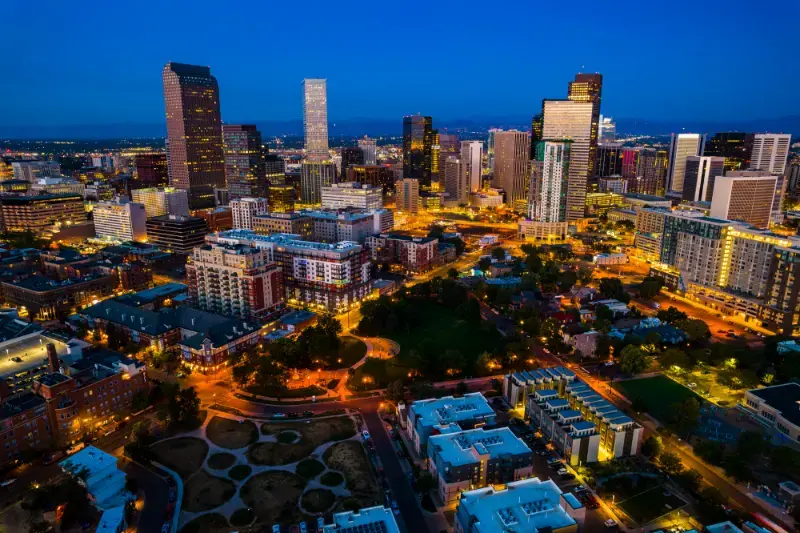
Combine the museum district, public buildings and nearby cultural institutions on foot. It is a better use of time than treating each as an isolated car stop.
5. See RiNo in daylight first
Murals are easier to appreciate and photograph before dinner crowds. Then stay for galleries, food or music if the evening program interests you.
6. Choose one excellent food corridor
Federal Boulevard, South Broadway, East Colfax, Highlands and other corridors show different sides of the city. Pick a cuisine and neighborhood rather than a generic “best restaurant” list.
7. Spend time in City Park
The park creates a low-pressure break between indoor attractions and gives you skyline/mountain context on clear days.
8. Pair the Museum of Nature & Science with the park
This is a logical family and bad-weather cluster because the museum sits beside City Park. Do not schedule another cross-town museum immediately afterward.
9. Visit Denver Botanic Gardens
Gardens offer a slower outdoor experience without committing to a mountain trail. Seasonal events can alter crowd levels and evening access.
10. Catch a game when the schedule fits
Baseball, basketball, hockey, football and soccer can become part of the travel experience, but event nights change parking, hotel prices and restaurant availability far outside the venue.
11. Tour or attend Red Rocks
A daytime park visit and a concert are different logistics problems. For a show, plan the return journey before arriving; rideshare demand and traffic after performances can be significant.
12. Spend a half day in Golden
Golden works as a foothills transition with a walkable center, trails and museums. It is especially useful before or after Red Rocks, but deserves more than a rushed lunch if included.
13. Cross the river into LoHi
Use pedestrian connections to see how the neighborhoods west of downtown relate to the center. LoHi is strongest as a meal-and-walk district rather than a checklist attraction.
14. Look for local history beyond the state capitol
Small museums, historic neighborhoods and architecture can add context to a city whose growth is often discussed only through recent development.
15. Use breweries selectively
Denver’s beer reputation can tempt visitors into a long list of stops. Choose one or two places with meaning to you and keep the rest of the day coherent.
16. Make coffee and breakfast part of a neighborhood morning
A slow start in RiNo, Capitol Hill, Baker or Highlands can reveal more local rhythm than another early rideshare to a famous attraction.
17. Walk part of the Cherry Creek or South Platte trail system
Urban trails help connect parks and neighborhoods and are a useful recovery activity after a mountain day.
18. See Meow Wolf if immersive art is genuinely your thing
Convergence Station is not a substitute for the city’s traditional museums; it is a different type of immersive experience. Reserve enough time and do not pair it with an overloaded museum schedule.
19. Browse an independent bookstore or market
Small retail stops make a neighborhood feel like a place rather than an attraction zone. Use them as flexible gaps between timed reservations.
20. Take architecture seriously
Denver mixes late-19th-century commercial blocks, civic monuments, modern cultural buildings and rapidly changing districts. A self-guided architecture walk can be more memorable than another ticketed attraction.
21. Use a clear day for mountain views
The Front Range is part of Denver’s visual identity, but visibility varies. Do not promise yourself a particular skyline photo on a fixed hour; use clear weather opportunistically.
22. Build one low-cost day
Parks, neighborhood walks, public art and architecture can fill much of a day without constant admissions. This also leaves budget for one premium experience that matters more.
23. Visit a farmers market or seasonal street event
When dates align, local markets and events can replace a generic shopping stop. Verify the 2026 schedule because these are seasonal and often weekly rather than daily.
24. Leave room for the foothills
Denver becomes more understandable when you see where the plains meet the mountains. Golden, Morrison and Red Rocks are easier additions than forcing a full national-park day.
25. End with a neighborhood dinner, not an airport-area compromise
On the final city night, stay close to your hotel and choose quality within the neighborhood. The saved transport time is usually more valuable than crossing town for one famous table.
How to turn the list into a 2-day plan
Day 1: Union Station, LoDo, a downtown lunch, Civic Center and the Denver Art Museum, then dinner in Capitol Hill or a nearby district. Day 2: RiNo in the morning, City Park or the Botanic Gardens in the afternoon, then Red Rocks only if you have deliberately reserved the evening for it. Families can substitute the Museum of Nature & Science for part of the second day.

Planning details experienced Colorado travelers notice
Altitude changes the first 24 hours
Colorado trips often move quickly from lower elevations to very high terrain. In Denver, resist the temptation to make arrival day the hardest day of the trip. Hydrate, eat normally, sleep well and keep the first strenuous activity optional. Headache, nausea, unusual fatigue or shortness of breath should not be treated as a challenge to “push through”; symptoms that worsen with elevation are a reason to descend and, when appropriate, seek medical advice.
Separate city days from mountain days
A common planning error is combining a full urban sightseeing day with a “quick” mountain excursion. Parking, altitude, trail time and traffic make that schedule brittle. Use one day for neighborhoods and museums and another for the foothills or mountains. The result is fewer transitions, less time in the car and more freedom to react to weather.
Protect the best morning of the trip
The first two hours after sunrise can be disproportionately valuable around Denver: cooler temperatures, easier parking, clearer mountain weather or simply quieter streets. Avoid wasting that window on luggage moves or a long breakfast queue. Prepare the night before, keep breakfast simple when necessary and place the day’s hardest-to-replace experience first.
One strong base often beats two mediocre ones
Colorado maps encourage over-planning because destinations appear close while roads climb passes, cross urban corridors or funnel through a small number of mountain routes. Two nights in one well-chosen base usually creates more usable sightseeing time than two one-night stops. Change hotels only when the new base materially shortens the next two days.
Continue planning Colorado
- Denver Travel Guide
- Where to Stay in Denver
- Rocky Mountain National Park Guide
- Colorado travel guide
Compare accommodation before you lock the route
Compare available accommodation for your dates, budget and preferred location before you finalize your route.
Affiliate disclosure: we may earn a commission from qualifying bookings at no extra cost to you. Compare Union Station-area hotels, RiNo hotels and Capitol Hill stays. Before booking, check the final total, parking charges, resort or destination fees, exact location, cancellation terms and whether the property works for the daily route you actually plan to drive.
Useful official resources
How to make this trip better than the standard itinerary
Decide what you are willing to miss
A demanding traveler gets more from Best Things to Do in Denver by making deliberate exclusions. Colorado rewards depth because altitude, parking, weather and mountain driving consume more time than a flat map suggests. Choose the two experiences you would regret missing, protect them with early starts or reservations, and let secondary stops move around them. This is more reliable than scheduling every hour and then spending the day recovering from the first delay.
Use location as a resource
Hotel location, trailhead location and the direction of the next day’s drive are part of the itinerary. Paying slightly more to sleep near the next morning’s priority can buy an hour of cooler weather, easier parking and less stress. Conversely, an expensive “famous” hotel is poor value if it sits on the wrong side of town for everything you plan to do.
Plan a low-energy alternative before you need it
Colorado weather can remove a summit, scenic road or exposed hike from the schedule with little notice. Pick a museum, historic district, visitor center, short forest walk or food-focused alternative in the same region. A backup that requires three hours of driving is not a backup. This one decision prevents a weather change from turning into a wasted day.
Treat transfer days as real travel days
Mountain transfers deserve daylight and margin. Scenic roads encourage stops, construction narrows choices and a short distance can include steep grades or slow traffic. Avoid placing a nonrefundable attraction at the far end of a long mountain drive. When the reservation truly matters, sleep closer the night before.
Verify the final mile
Before leaving the hotel, check the exact parking lot, shuttle stop, entrance gate and seasonal road used by your chosen activity. In Colorado, navigation apps can route you to the correct place in the wrong way for current conditions. Official park, city and transportation sources should win whenever their instructions conflict with an old blog post or social-media reel.