

Destinations › West USA › Colorado travel guide › Denver Travel Guide: Neighborhoods, Culture & Smarter First-Trip Planning
Denver works best when you stop treating it as a waiting room for the Rockies. The city is a practical air gateway, but it also has enough architecture, museums, food, sports, art districts and neighborhood life to justify two or three nights. The mistake is trying to “see Denver” from a hotel chosen only for freeway access while spending every day driving to a different mountain attraction.
For a first trip, think in layers: one compact downtown/Union Station day, one cultural or neighborhood day, and then a separate foothills or mountain excursion. Denver sits at roughly a mile above sea level, so this rhythm also gives travelers arriving from lower elevations a useful acclimatization buffer before sleeping or hiking much higher.
Denver at a glance
| Ideal first stay | 2–4 nights, depending on day trips |
| Best car-free base | Union Station / LoDo |
| Best for food and street-art atmosphere | RiNo and nearby Five Points |
| Airport strategy | RTD A Line links Denver International Airport and Union Station |
| Biggest planning mistake | Combining a full Denver day and a full mountain day into the same schedule |
Choose the right Denver base
Union Station and LoDo
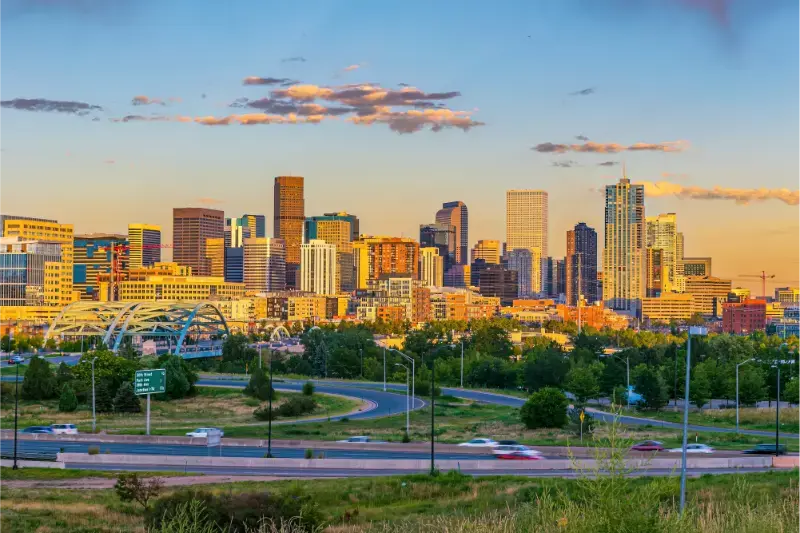
The strongest first-time base for travelers who value airport rail, walkability and easy access to downtown attractions. It is convenient rather than cheap, and event nights can raise rates sharply. Staying near Union Station also makes an arrival without a rental car unusually simple for a western U.S. city.
RiNo / Five Points
Choose this area for murals, breweries, restaurants, music and a more contemporary neighborhood feel. Blocks vary, so check the exact hotel location rather than booking by neighborhood name alone. It works particularly well for travelers who want evenings close to food and nightlife.
Capitol Hill / Golden Triangle
A useful cultural base near the State Capitol, Denver Art Museum and several institutions. It is less centered on the airport rail connection, but it can reduce transport time for museum-heavy itineraries and offers a more residential feel on many blocks.

Cherry Creek
A polished base for shopping, restaurants and a quieter hotel experience. It is not the best choice if your priority is walking from Union Station to central attractions, but it can work well for couples, business travelers and visitors using rideshare or a car.
Highlands / LoHi
A good compromise for restaurants, neighborhood walking and views toward downtown. It is close to the center without feeling exactly like the business core. Check whether your hotel is genuinely walkable to the places you plan to use at night.
What deserves real time in Denver
Union Station and the lower downtown street grid
Use Union Station as an orientation point, not just a transit stop. Walk toward Larimer Square, the ballpark edge of LoDo and the river connections to understand how central Denver fits together. This first walk makes later transit and rideshare choices easier.
Denver Art Museum and the Civic Center area
The Denver Art Museum is substantial enough to be a half-day anchor rather than a one-hour rain backup. Pair it with nearby cultural institutions, architecture and a slower lunch instead of crossing the city immediately afterward. Special exhibitions may require separate tickets.
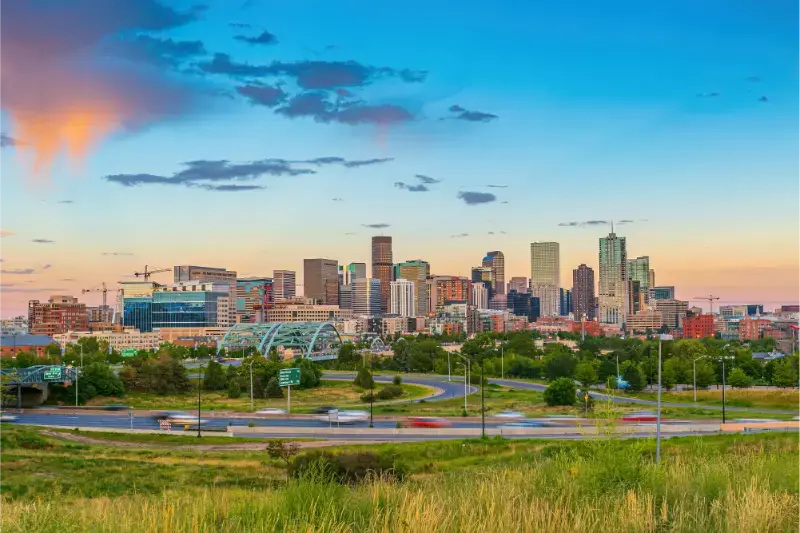
RiNo without reducing it to murals
Street art is the obvious visual hook, but the district is more useful when combined with galleries, food, music venues and the adaptive reuse of former industrial spaces. Visit during daylight for art, then stay into the evening only if the restaurants or events match your interests.
Red Rocks as a separate outing
Red Rocks Park and Amphitheatre is outside central Denver and works best as its own half-day or evening plan. A concert changes the logistics completely: transport, parking and return timing deserve more attention than the sightseeing stop itself.
One neighborhood meal that is not downtown
Denver’s food experience improves when you leave the convention-center orbit. South Broadway, Federal Boulevard, Highlands, East Colfax and other corridors offer very different dining landscapes. Choose by cuisine and route rather than chasing one viral restaurant across town.
A realistic 3-day Denver itinerary
Day 1: Arrival, Union Station and LoDo
Take the airport train or transfer to your hotel, keep the first afternoon light, and walk the central grid. Add one reservation-based dinner rather than three attractions. This is also your altitude-adjustment day, so a relaxed evening is productive planning rather than lost time.
Day 2: Museums, Civic Center and a neighborhood evening
Use the morning for the Denver Art Museum or another major museum, then spend the afternoon around Civic Center, Capitol Hill or a chosen neighborhood. Move to RiNo, Highlands or another dining district for the evening instead of returning repeatedly to the same downtown blocks.
Day 3: Foothills or city depth
Choose between a dedicated Red Rocks/Golden outing or a second city day built around gardens, museums, sports, architecture and food. Do not add Rocky Mountain National Park as a casual half-day: it deserves a separate plan, and in the 2026 reservation season timed entry applies during specified hours.
Airport, transit and car strategy
RTD’s A Line runs between Denver International Airport and Union Station, making a downtown arrival without a car straightforward. If the first two days are urban, consider delaying the rental car until the morning you leave for the mountains. That can eliminate hotel parking costs and the friction of storing a vehicle you barely use.
A car becomes far more useful for Red Rocks, Colorado Springs, Rocky Mountain National Park or a multi-day state road trip. Build your rental around those days, not automatically around the flight dates. In winter, vehicle specification matters: tire condition and traction compliance deserve the same attention as rental price.
Planning details experienced Colorado travelers notice
Altitude changes the first 24 hours
Colorado trips often move quickly from lower elevations to very high terrain. In Denver, resist the temptation to make arrival day the hardest day of the trip. Hydrate, eat normally, sleep well and keep the first strenuous activity optional. Headache, nausea, unusual fatigue or shortness of breath should not be treated as a challenge to “push through”; symptoms that worsen with elevation are a reason to descend and, when appropriate, seek medical advice.
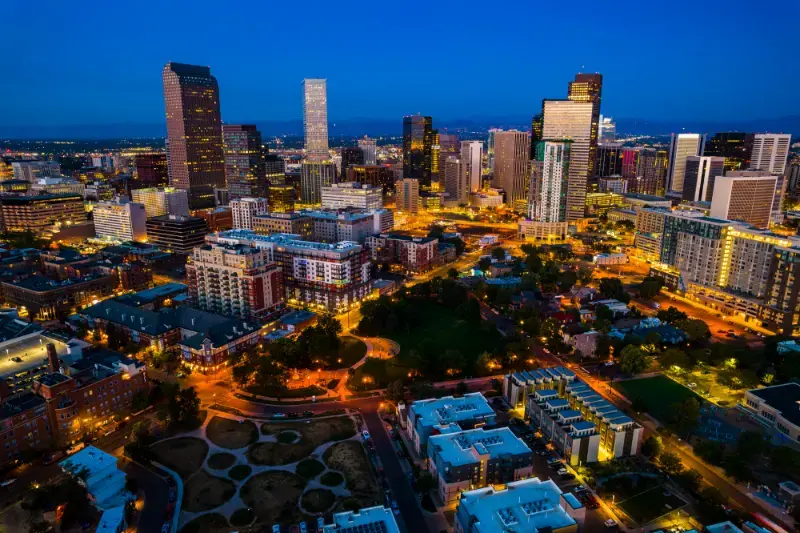
Separate city days from mountain days
A common planning error is combining a full urban sightseeing day with a “quick” mountain excursion. Parking, altitude, trail time and traffic make that schedule brittle. Use one day for neighborhoods and museums and another for the foothills or mountains. The result is fewer transitions, less time in the car and more freedom to react to weather.
Winter driving can become the most important reservation decision
From September through May, snow and traction requirements can affect the I-70 mountain corridor, and CDOT can activate traction or chain restrictions elsewhere when conditions require. Do not assume a rental car is winter-ready because it is an SUV. Check tire type and tread, current road conditions and your own winter-driving ability before committing to a mountain transfer.
Protect the best morning of the trip
The first two hours after sunrise can be disproportionately valuable around Denver: cooler temperatures, easier parking, clearer mountain weather or simply quieter streets. Avoid wasting that window on luggage moves or a long breakfast queue. Prepare the night before, keep breakfast simple when necessary and place the day’s hardest-to-replace experience first.
One strong base often beats two mediocre ones
Colorado maps encourage over-planning because destinations appear close while roads climb passes, cross urban corridors or funnel through a small number of mountain routes. Two nights in one well-chosen base usually creates more usable sightseeing time than two one-night stops. Change hotels only when the new base materially shortens the next two days.
Frequently asked questions
Is Denver worth visiting if the Rockies are the main goal?
Yes, especially as a two-night acclimatization and culture stop. The city is also useful before an early flight because it reduces the risk of driving down from the mountains during a storm or major I-70 delay on departure day.
Do you need a car in Denver?
Not for a central-city trip built around Union Station, museums and a few neighborhoods. For foothills and mountain excursions, a car or planned tour/transport becomes much more useful. Avoid paying for downtown parking simply because you may need a car later in the trip.
Continue planning Colorado
- Best Things to Do in Denver: 25 Experiences Beyond a Checklist
- Where to Stay in Denver: Best Neighborhoods, Tradeoffs & Hotel Strategy
- Rocky Mountain National Park Guide: 2026 Timed Entry, Routes & Better Days
- Colorado Road Trip: A Realistic 12-Day Denver-to-Four-Parks Route
- Colorado travel guide
Compare accommodation before you lock the route
Compare available accommodation for your dates, budget and preferred location before you finalize your route.
Affiliate disclosure: we may earn a commission from qualifying bookings at no extra cost to you. Compare Downtown Denver hotels, RiNo stays and Cherry Creek hotels. Before booking, check the final total, parking charges, resort or destination fees, exact location, cancellation terms and whether the property works for the daily route you actually plan to drive.