

Destinations › West USA › Colorado travel guide › Best Time to Visit Colorado: Snow, Wildflowers, Fall Color & Road Conditions
There is no single best month for Colorado because elevation creates several seasons at once. Denver can feel like spring while mountain trailheads remain snow-covered; a hot July afternoon at lower elevations can coincide with cold wind above treeline; September can deliver brilliant aspen color and an early snowstorm in the same week.
Choose dates by the experience you care about most: high-road access, hiking, skiing, wildflowers, fall color, national-park tours or lower prices. Then accept the tradeoff that comes with that season instead of trying to make Colorado behave like a year-round summer destination.
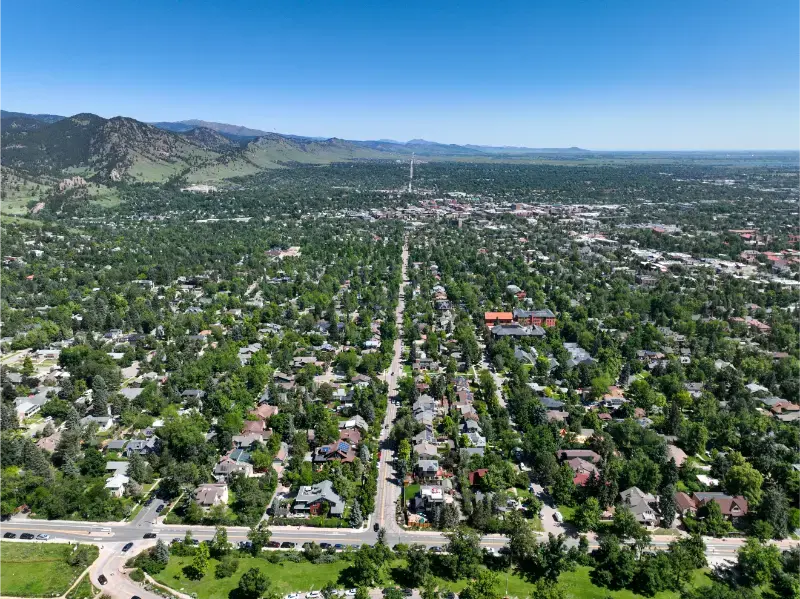
Colorado seasons at a glance
| March–May | Lower-elevation spring, mountain snow/mud season, variable high-road access |
| June | Long days, improving high-country access, early wildflowers, snow still possible high up |
| July–August | Broadest summer access, busiest hiking season, afternoon thunderstorms |
| September | Cooler air, aspen color, fewer family crowds after school returns, early snow possible |
| October–November | Shoulder season, high-road closures begin, quieter cities, changing mountain operations |
| December–February | Ski season, winter driving, short daylight, strong city/mountain contrast |
Summer: best for broad mountain access, not perfect weather
July and August are the easiest months for a classic first road trip because many high trails and roads are usually accessible, but they also bring crowds and a meaningful lightning risk in the mountains. Start exposed hikes early. At Rocky Mountain National Park, 2026 timed-entry requirements run from May 22 into October during specified hours, so “summer access” does not mean spontaneous access everywhere.
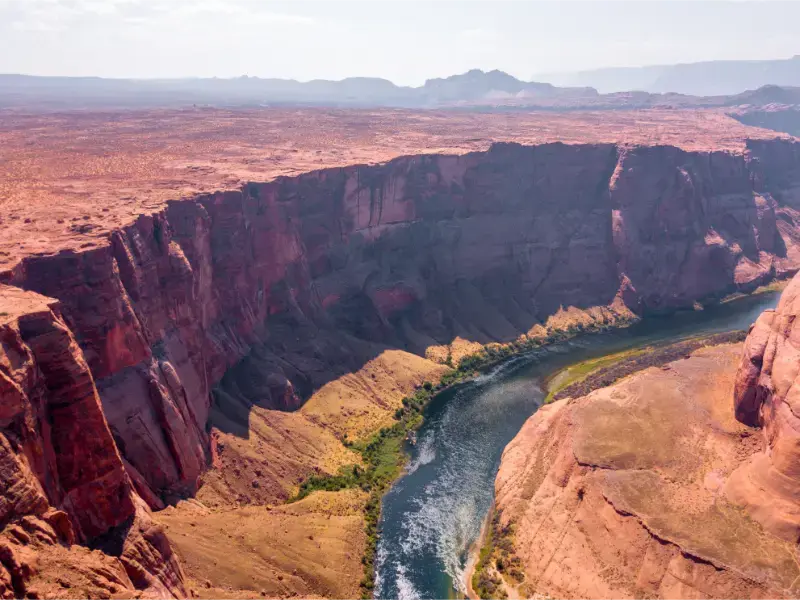
September: excellent, but foliage is not a reservation
September can be outstanding for cool hiking weather and golden aspens, yet peak color moves by elevation, latitude and annual conditions. Do not book a nonrefundable trip around one predicted “peak weekend.” Build a route with multiple elevations and enjoy the broader season. CDOT also warns that early mountain snow can arrive while travelers are still chasing fall color.
Winter: best for skiing, hardest for casual road trips
December through March is the obvious season for ski-focused travel, but a winter road trip requires serious attention to traction, weather and daylight. Colorado’s traction rules affect the I-70 mountain corridor from September through May and may be activated elsewhere when conditions require. Rental-car choice, tire condition and your own snow-driving experience matter more than shaving a small amount off the nightly hotel rate.
Spring: value and uncertainty arrive together
March through May can be excellent for city trips, lower-elevation trails and a quieter atmosphere, but many mountain towns pass through mud season and high roads remain closed. Mesa Verde’s 2026 cliff-dwelling tour season begins May 4, while Wetherill Mesa opens May 22, illustrating how cultural-site access can follow a different calendar from ski resorts or lower-elevation cities.
Great Sand Dunes has its own seasonal logic
Late May and early June are historically associated with Medano Creek flow, but the creek depends on snowpack. In 2026, very low snowpack meant the water did not reach the main parking area as expected. Summer afternoons can also push sand surfaces toward 150°F and bring thunderstorms. The right visit may be sunrise and sunset rather than the middle of the day.
Best month by travel style
First-time summer road trip
Late June through early September offers the broadest probability of open high-country routes, with the tradeoff of crowds and storms.
Hiking
July through September for many high trails, though exact snowmelt and lightning patterns matter. Shoulder-season lower-elevation hiking can be excellent.
Fall color
Mid-September into early October across different elevations, with no guaranteed peak date.
Skiing
Mid-winter for the most established snow season, but resort conditions vary and holiday periods are expensive.
City + foothills
Spring and fall can be especially comfortable, with less need to force high-alpine access.
Mesa Verde
Late spring through early fall aligns with the primary cliff-dwelling tour season; reserve tours when required.
Great Sand Dunes
Spring for potential creek conditions, summer/fall for broad access and night skies, winter for snow scenery—each with different safety considerations.
How weather should change your booking strategy
Reserve scarce items first—park permits, cliff-dwelling tours, high-demand mountain weekends and the lodging closest to a must-do experience—then keep ordinary hotel nights flexible where possible. If the trip depends on one weather-sensitive summit or scenic road, give it more than one possible day. Flexibility is not wasted time in Colorado; it is how you protect the reason you came.
Planning details experienced Colorado travelers notice
Altitude changes the first 24 hours
Colorado trips often move quickly from lower elevations to very high terrain. In Colorado, resist the temptation to make arrival day the hardest day of the trip. Hydrate, eat normally, sleep well and keep the first strenuous activity optional. Headache, nausea, unusual fatigue or shortness of breath should not be treated as a challenge to “push through”; symptoms that worsen with elevation are a reason to descend and, when appropriate, seek medical advice.
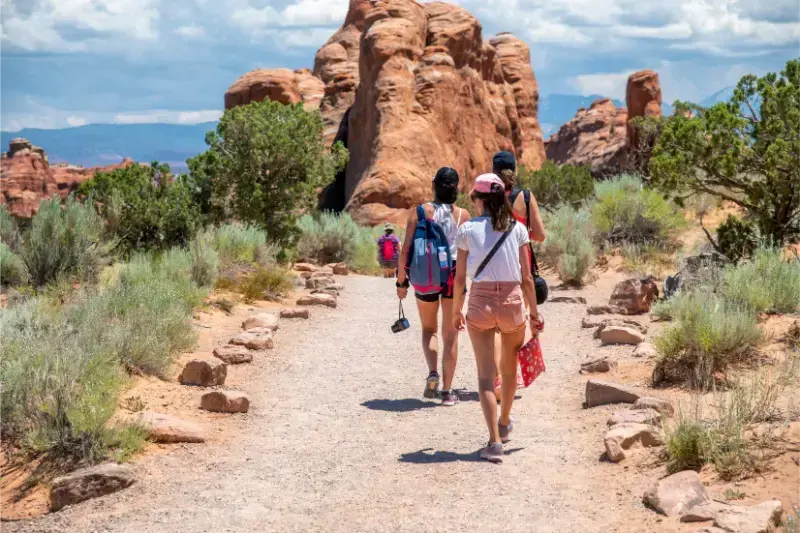
Mountain weather is a schedule constraint, not background information
Clear morning skies can become wind, hail or lightning by afternoon, especially in summer at high elevation. Put exposed hikes and high roads early, keep a lower-elevation backup, and turn around when conditions deteriorate. A good Colorado itinerary is designed to survive one cancelled hike without forcing unsafe decisions on the rest of the trip.
Winter driving can become the most important reservation decision
From September through May, snow and traction requirements can affect the I-70 mountain corridor, and CDOT can activate traction or chain restrictions elsewhere when conditions require. Do not assume a rental car is winter-ready because it is an SUV. Check tire type and tread, current road conditions and your own winter-driving ability before committing to a mountain transfer.
Protect the best morning of the trip
The first two hours after sunrise can be disproportionately valuable around Colorado: cooler temperatures, easier parking, clearer mountain weather or simply quieter streets. Avoid wasting that window on luggage moves or a long breakfast queue. Prepare the night before, keep breakfast simple when necessary and place the day’s hardest-to-replace experience first.
One strong base often beats two mediocre ones
Colorado maps encourage over-planning because destinations appear close while roads climb passes, cross urban corridors or funnel through a small number of mountain routes. Two nights in one well-chosen base usually creates more usable sightseeing time than two one-night stops. Change hotels only when the new base materially shortens the next two days.
Frequently asked questions
Is October too late?
Not for Denver, Colorado Springs or many lower-elevation experiences, but high-elevation roads and trails become increasingly weather-dependent and fall foliage may be past peak in many mountain areas. Build an October trip around flexibility rather than summer assumptions.
Is May a good month?
It can be excellent for cities, Mesa Verde season openings and lower elevations, but it is early for many alpine plans. Treat May as a spring trip with optional mountain bonuses rather than a guaranteed summer-style Rockies itinerary.
Continue planning Colorado
- Colorado Road Trip Itinerary
- Rocky Mountain National Park Guide
- Mesa Verde National Park Guide
- Great Sand Dunes National Park Guide
- Colorado travel guide
Compare accommodation before you lock the route
Compare available accommodation for your dates, budget and preferred location before you finalize your route.
Affiliate disclosure: we may earn a commission from qualifying bookings at no extra cost to you. Compare Denver hotels, Estes Park lodging and Colorado Springs hotels. Before booking, check the final total, parking charges, resort or destination fees, exact location, cancellation terms and whether the property works for the daily route you actually plan to drive.
Useful official resources
How to make this trip better than the standard itinerary
Decide what you are willing to miss
A demanding traveler gets more from Best Time to Visit Colorado by making deliberate exclusions. Colorado rewards depth because altitude, parking, weather and mountain driving consume more time than a flat map suggests. Choose the two experiences you would regret missing, protect them with early starts or reservations, and let secondary stops move around them. This is more reliable than scheduling every hour and then spending the day recovering from the first delay.
Use location as a resource
Hotel location, trailhead location and the direction of the next day’s drive are part of the itinerary. Paying slightly more to sleep near the next morning’s priority can buy an hour of cooler weather, easier parking and less stress. Conversely, an expensive “famous” hotel is poor value if it sits on the wrong side of town for everything you plan to do.
Plan a low-energy alternative before you need it
Colorado weather can remove a summit, scenic road or exposed hike from the schedule with little notice. Pick a museum, historic district, visitor center, short forest walk or food-focused alternative in the same region. A backup that requires three hours of driving is not a backup. This one decision prevents a weather change from turning into a wasted day.
Treat transfer days as real travel days
Mountain transfers deserve daylight and margin. Scenic roads encourage stops, construction narrows choices and a short distance can include steep grades or slow traffic. Avoid placing a nonrefundable attraction at the far end of a long mountain drive. When the reservation truly matters, sleep closer the night before.
Verify the final mile
Before leaving the hotel, check the exact parking lot, shuttle stop, entrance gate and seasonal road used by your chosen activity. In Colorado, navigation apps can route you to the correct place in the wrong way for current conditions. Official park, city and transportation sources should win whenever their instructions conflict with an old blog post or social-media reel.