

Destinations › West USA › Colorado travel guide › Colorado Road Trip: A Realistic 12-Day Denver-to-Four-Parks Route
A Colorado road trip becomes exhausting when the goal is to “see all four national parks” in one week. The parks sit in different corners of a large mountain state, and the drives between them cross high passes, canyons and weather systems that deserve time of their own. This 12-day route is fast enough to feel ambitious but slow enough to protect two-night bases where they matter.
The route works best from late spring through early fall when the highest roads are more likely to be open, but every date requires current condition checks. In winter and shoulder seasons, simplify the loop instead of assuming summer drive times.
- 1Denver
- 2Estes Park + Rocky Mountain National Park
- 3Western Colorado transfer / Black Canyon gateway
- 4Black Canyon of the Gunnison
- 5Durango / Mesa Verde
- 6Great Sand Dunes / San Luis Valley
- 7Colorado Springs
- 8Return to Denver / departure buffer
Route overview
| Days 1–2 | Denver |
| Days 3–4 | Estes Park + Rocky Mountain National Park |
| Day 5 | Western Colorado transfer / Black Canyon gateway |
| Day 6 | Black Canyon of the Gunnison |
| Days 7–8 | Durango / Mesa Verde |
| Days 9–10 | Great Sand Dunes / San Luis Valley |
| Day 11 | Colorado Springs |
| Day 12 | Return to Denver / departure buffer |
Day-by-day Colorado road trip
Day 1: Arrive in Denver

Use airport rail if staying central and postpone the rental car if possible. Walk Union Station/LoDo, eat well and keep the first day easy for altitude adjustment. Do not land after a long flight and immediately drive to a high mountain pass at night.

Day 2: Denver culture and neighborhoods
Choose one major museum, one neighborhood and one strong evening. This is intentionally not a mountain day. The slower start makes the next stage safer and more enjoyable.
Day 3: Denver to Estes Park
Collect the rental car if you delayed it, drive toward the foothills and reach Estes Park with time to settle in. Use the afternoon for town, an easy walk or visitor-center planning rather than squeezing in a major hike.
Day 4: Rocky Mountain National Park
Use the correct 2026 timed-entry reservation if traveling during controlled hours. Choose Bear Lake Road or Trail Ridge Road as the main theme of the day, not both plus a strenuous hike.
Day 5: Cross the mountains only if the route is open
When Trail Ridge Road is open, a westward crossing can be spectacular, but stops make it much slower than a navigation app suggests. If seasonal closure or weather blocks the road, the detour changes the itinerary substantially. The overnight target can be Grand Junction, Montrose or another western base depending on conditions.
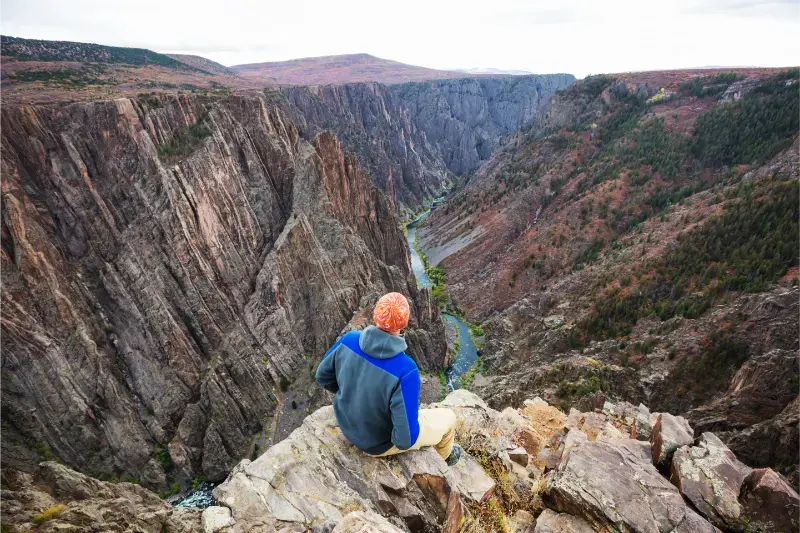
Day 6: Black Canyon of the Gunnison
Use a focused day for rim viewpoints and selected walks. The canyon is not a place to descend casually; inner-canyon routes are strenuous wilderness undertakings. Continue toward southwest Colorado only if daylight and energy make the drive reasonable.
Day 7: Mesa Verde orientation
Base in Cortez, Mancos or Durango. Enter Mesa Verde early, allow for long internal drives and use one reserved cliff-dwelling tour as the anchor. Add Mesa Top Loop rather than another distant attraction.
Day 8: Southwest Colorado depth
Use a second Mesa Verde/Wetherill Mesa day when open, or explore Durango and the surrounding San Juan landscape. This is a useful buffer day if the first tour was affected by weather or travel delays.
Day 9: Drive to the San Luis Valley
The route toward Great Sand Dunes crosses beautiful country but should not be treated as dead transfer time. Start early, stop selectively and arrive near the dunes before evening if sunset conditions are favorable.
Day 10: Great Sand Dunes
Use early morning for the dunefield, midday for lower-exposure activities and evening for a second sand session or stars. Check Medano Creek and weather conditions rather than planning around historical averages.
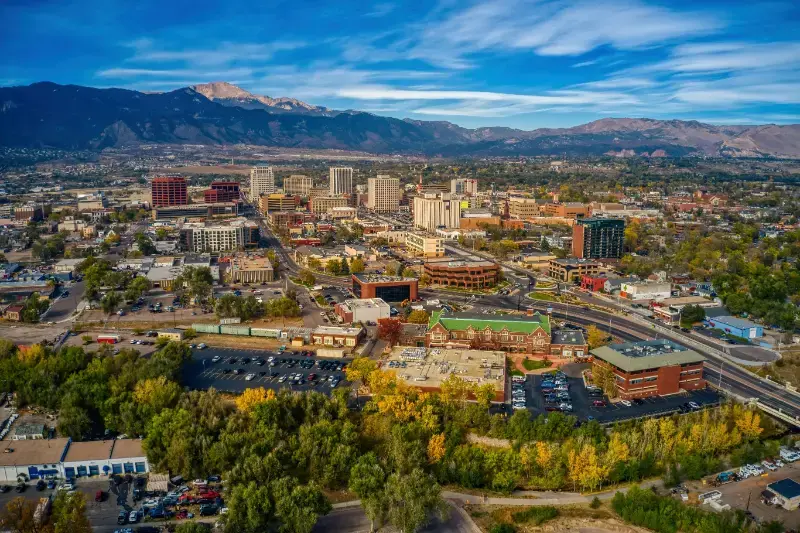
Day 11: Colorado Springs
Drive north and build the day around Garden of the Gods plus a city or Manitou Springs stop. If Pikes Peak is a priority, consider shifting it to a separate clear-weather morning rather than forcing summit time into the transfer.
Day 12: Denver buffer and departure
Return to Denver with generous time. If your flight is early the next morning, spending the final night near the city or airport removes a large weather and traffic risk from departure day.
Why 12 days is the minimum version I recommend
With fewer days, remove a region instead of shrinking every stay. A nine-day first trip is better as Denver + Rocky Mountain + Colorado Springs + Great Sand Dunes, or Denver + Rocky Mountain + western/southwestern Colorado. The four-park loop only becomes satisfying when at least a few destinations receive two nights.
Driving rules that protect the trip
- Download offline maps before remote mountain and national-park segments.
- Check COtrip and NPS road status every morning when weather is unstable.
- Do not leave luggage visible at trailheads or urban parking areas.
- Fuel before remote stretches; do not assume the next mountain town has the hours or services you expect.
- Keep 20–30 percent time buffer on high-pass and scenic-drive days.
- From September through May, understand Colorado traction requirements before driving the I-70 mountain corridor.
- Never let a hotel or tour reservation pressure you into crossing a pass in unsafe conditions.
Planning details experienced Colorado travelers notice
Altitude changes the first 24 hours
Colorado trips often move quickly from lower elevations to very high terrain. In a statewide Colorado road trip, resist the temptation to make arrival day the hardest day of the trip. Hydrate, eat normally, sleep well and keep the first strenuous activity optional. Headache, nausea, unusual fatigue or shortness of breath should not be treated as a challenge to “push through”; symptoms that worsen with elevation are a reason to descend and, when appropriate, seek medical advice.
Mountain weather is a schedule constraint, not background information
Clear morning skies can become wind, hail or lightning by afternoon, especially in summer at high elevation. Put exposed hikes and high roads early, keep a lower-elevation backup, and turn around when conditions deteriorate. A good Colorado itinerary is designed to survive one cancelled hike without forcing unsafe decisions on the rest of the trip.
Winter driving can become the most important reservation decision
From September through May, snow and traction requirements can affect the I-70 mountain corridor, and CDOT can activate traction or chain restrictions elsewhere when conditions require. Do not assume a rental car is winter-ready because it is an SUV. Check tire type and tread, current road conditions and your own winter-driving ability before committing to a mountain transfer.
Protect the best morning of the trip
The first two hours after sunrise can be disproportionately valuable around a statewide Colorado road trip: cooler temperatures, easier parking, clearer mountain weather or simply quieter streets. Avoid wasting that window on luggage moves or a long breakfast queue. Prepare the night before, keep breakfast simple when necessary and place the day’s hardest-to-replace experience first.
One strong base often beats two mediocre ones
Colorado maps encourage over-planning because destinations appear close while roads climb passes, cross urban corridors or funnel through a small number of mountain routes. Two nights in one well-chosen base usually creates more usable sightseeing time than two one-night stops. Change hotels only when the new base materially shortens the next two days.
Continue planning Colorado
- Denver Travel Guide
- Rocky Mountain National Park Guide
- Mesa Verde National Park Guide
- Great Sand Dunes National Park Guide
- Colorado Springs Travel Guide
- Colorado travel guide
Compare accommodation before you lock the route
Compare available accommodation for your dates, budget and preferred location before you finalize your route.
Affiliate disclosure: we may earn a commission from qualifying bookings at no extra cost to you. Compare Denver hotels, Estes Park lodging and Durango hotels. Before booking, check the final total, parking charges, resort or destination fees, exact location, cancellation terms and whether the property works for the daily route you actually plan to drive.
Useful official resources
How to make this trip better than the standard itinerary
Decide what you are willing to miss
A demanding traveler gets more from Colorado Road Trip by making deliberate exclusions. Colorado rewards depth because altitude, parking, weather and mountain driving consume more time than a flat map suggests. Choose the two experiences you would regret missing, protect them with early starts or reservations, and let secondary stops move around them. This is more reliable than scheduling every hour and then spending the day recovering from the first delay.
Use location as a resource
Hotel location, trailhead location and the direction of the next day’s drive are part of the itinerary. Paying slightly more to sleep near the next morning’s priority can buy an hour of cooler weather, easier parking and less stress. Conversely, an expensive “famous” hotel is poor value if it sits on the wrong side of town for everything you plan to do.
Plan a low-energy alternative before you need it
Colorado weather can remove a summit, scenic road or exposed hike from the schedule with little notice. Pick a museum, historic district, visitor center, short forest walk or food-focused alternative in the same region. A backup that requires three hours of driving is not a backup. This one decision prevents a weather change from turning into a wasted day.
Treat transfer days as real travel days
Mountain transfers deserve daylight and margin. Scenic roads encourage stops, construction narrows choices and a short distance can include steep grades or slow traffic. Avoid placing a nonrefundable attraction at the far end of a long mountain drive. When the reservation truly matters, sleep closer the night before.
Verify the final mile
Before leaving the hotel, check the exact parking lot, shuttle stop, entrance gate and seasonal road used by your chosen activity. In Colorado, navigation apps can route you to the correct place in the wrong way for current conditions. Official park, city and transportation sources should win whenever their instructions conflict with an old blog post or social-media reel.