

Destinations › Pacific USA › Oregon travel guide › 10-Day Oregon Road Trip: Portland, Coast, Bend & Crater Lake Itinerary
Ten days is enough to experience several of Oregon's defining landscapes, but only if the route accepts that you cannot see the whole state. A strong itinerary links Portland, the Gorge, a meaningful stretch of coast, Central Oregon and Crater Lake while protecting enough time to actually stop.
- 1Day 1: arrive in Portland
- 2Day 2: Columbia River Gorge → produces a better experience
- 3Day 3: Portland to Cannon Beach
- 4Day 4: north coast to Newport or Yachats
- 5Day 5: central coast and inland transition
- 6Day 6: Bend
- 7Day 7: Central Oregon landscapes
- 8Day 8: Bend to Crater Lake
- 9Day 9: Crater Lake and western Oregon
- 10Day 10: departure or flexible finish
Day 1: arrive in Portland

Keep the arrival day urban and forgiving.
Walk downtown or the Pearl, eat somewhere that does not require a long drive, and adjust to the time zone if you are coming from Europe or the East Coast. Do not schedule the Columbia Gorge immediately after a long flight; saving your first early start for day two produces a better experience.
Day 2: Columbia River Gorge
Leave early for the western Gorge.
If your visit falls within the 2026 summer permit period for the I-84 Multnomah Falls lot, arrange the timed-use permit in advance or use a suitable transit option. Combine the waterfall corridor with Hood River, then return to Portland or sleep east of the city if you want a slower evening.
Day 3: Portland to Cannon Beach
Use the morning for any Portland priority you missed, then drive to the north coast.
Arriving by midafternoon gives you time to walk Cannon Beach, check the tide around Haystack Rock and experience the town after day visitors begin to leave. One overnight is possible, but two gives the coast more breathing room.
Day 4: north coast to Newport or Yachats
Follow Highway 101 south with a limited number of headland and beach stops.
The mistake is stopping every ten minutes and reaching the hotel after dark without having truly explored anywhere. Choose one longer coastal walk and a few viewpoints, then settle around Newport or Yachats for the evening.
Day 5: central coast and inland transition
Spend the morning around the central coast, then begin crossing inland. Depending on pace, you can sleep in the Eugene area or continue farther toward Central Oregon.
This is intentionally a transition day. Trying to combine a full coastal itinerary with a late mountain crossing makes the schedule fragile.
Day 6: Bend
Use Bend as a reset after several driving days.
Walk the Deschutes, explore downtown or the Old Mill area and enjoy a relaxed restaurant or brewery evening. If energy is high, add a short local trail rather than immediately driving to another major attraction.
Day 7: Central Oregon landscapes
Choose one major outdoor focus: Smith Rock, the Cascade Lakes area when open, Newberry volcanic landscapes or a longer hike.
Keep weather and wildfire conditions in mind. Return to Bend for a second night so the day does not end with another hotel change.
Day 8: Bend to Crater Lake
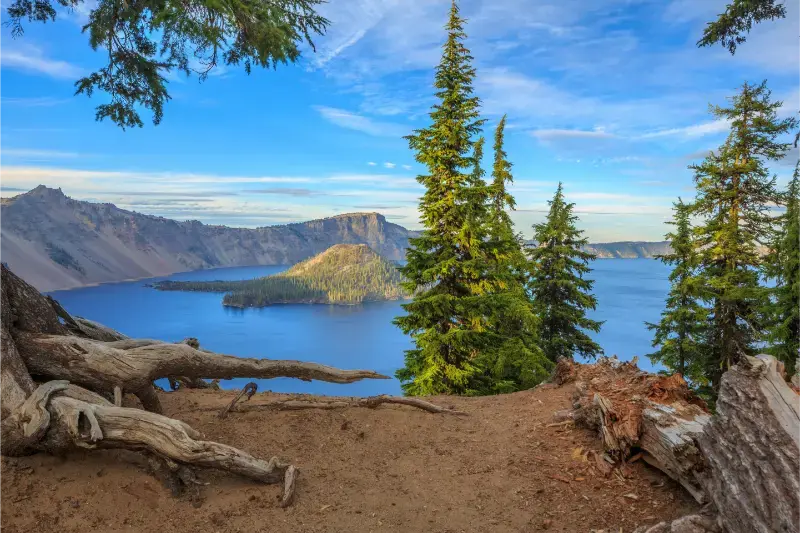
Drive south toward Crater Lake and check the National Park Service current conditions before departure.
In 2026, Cleetwood Cove is closed and East Rim Drive has construction-related restrictions, so ignore itineraries that promise a full classic rim loop. Focus on the accessible viewpoints and open trails, then stay in or near the park.
Day 9: Crater Lake and western Oregon
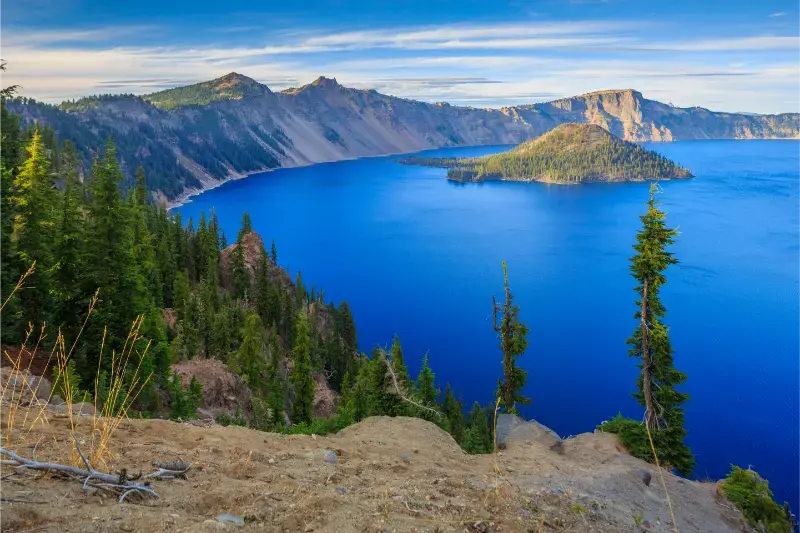
Use the morning for a second lake view or hike if conditions are good, then begin moving west toward Medford, Roseburg or another base that fits your departure airport.
This second Crater Lake window is valuable because cloud or smoke can obscure the view on day eight.
Day 10: departure or flexible finish
Use the final day as a buffer rather than another headline destination. If flying from Portland, allow substantial driving time and consider moving north on day nine.
If departing from a southern airport, use the morning locally. A road trip feels better when the last hours are not spent calculating whether a traffic delay will cause a missed flight.
Where to stay
Compare available accommodation for your dates, budget and preferred location before you finalize your route.
Choose accommodation around the part of the itinerary that matters most, rather than simply choosing the cheapest room on the map. Reducing backtracking improves early starts and makes evenings more relaxed.
Check accommodation options and current rates for Oregon.
Driving times are not sightseeing times
Road estimates around 10 day Oregon road trip are only the time the wheels are moving. Scenic pullouts, food stops, parking searches and short walks can double the useful time assigned to a segment. When Google Maps says a transfer takes three hours, avoid scheduling three more hours of fixed activities immediately afterward.
What to check the evening before
Review the next day's road and trail conditions, weather, wildfire and air-quality information, parking or permit rules, and the official page for the main destination. Download confirmations and offline maps while you still have reliable service. Oregon's remote stretches are exactly where assuming continuous mobile coverage causes avoidable problems.
Packing for Oregon rather than for one forecast
Use layers. A waterproof shell, warm mid-layer, sun protection and shoes that tolerate wet ground cover most itineraries better than highly specialized outfits. Coast, high desert and mountain weather can differ on the same day. Keep water and a few snacks in the car even when the next town appears close on the map.
Leave one part of the day unscheduled
The most rewarding part of 10 day Oregon road trip may be a stop you did not know to reserve: a viewpoint after cloud lifts, an uncrowded beach, a farm stand, a short forest trail or a meal recommended locally. Protecting an hour or two of unassigned time makes those discoveries possible and gives the itinerary room to absorb small delays.
Who this trip suits best
10-Day Oregon Road Trip works best for travelers who value scenery and local atmosphere as much as headline attractions. Families should shorten long transfer days, photographers should protect early and late light, and hikers should choose fewer trails with more margin. Travelers with limited mobility can still build a strong trip around viewpoints, towns and scenic drives, but should verify accessibility at individual sites.
Responsible travel matters here
Stay on durable surfaces and established trails, respect closures, never approach wildlife for a photograph, and follow local fire restrictions. On the coast, treat tide pools as habitat. In wine and brewery regions, plan a sober driver. Small choices protect places that receive heavy visitation and also reduce the chance that your own day ends with a preventable problem.
How to budget time, not just money
A useful budget for 10 day Oregon road trip includes time as a real cost. A cheaper hotel that adds an hour of driving each morning can be poor value, and squeezing two distant sights into one day often means paying for parking, fuel and meals while enjoying neither place. Prioritize location for the hardest-to-reach experience, then save money on nights when geography matters less.
Crowds are easier to manage with timing than with avoidance
Popular Oregon places rarely need to be skipped completely. For 10 day Oregon road trip, an early start, a weekday visit, a shoulder-season date or an overnight nearby can change the experience more than searching for a supposedly secret alternative. When a parking area is full, do not wait illegally on the road; move to the backup stop and return later if conditions improve.
Food, fuel and services can shape the route
Urban Oregon makes spontaneous meals easy, but the coast, mountain corridors and high desert can have long gaps between the specific services you want. Check restaurant opening days in small towns, refuel before entering remote stretches and carry enough water for an unplanned delay. Electric-vehicle travelers should plan charging around the route rather than assuming every scenic stop has reliable fast charging.
Photography and the best light
If photography matters, choose one location around 10 day Oregon road trip for early or late light instead of trying to photograph every stop at sunset. Morning often brings quieter parking and cleaner air, while evening can improve coastal and mountain atmosphere. Weather may erase the expected view, so build a second opportunity into multi-night stays rather than forcing a dangerous drive for one photograph.
Build a backup that is genuinely different
A useful backup for 10 day Oregon road trip should not depend on the same weather that ruined the first plan. If a mountain is hidden by cloud, move to a town, lower forest or food-focused stop rather than driving to another high viewpoint. If smoke affects inland Oregon, the coast may be better; if coastal wind is severe, a museum, market or inland route can preserve the day. This kind of flexibility is more valuable than a minute-by-minute itinerary.
A final planning principle
Do not judge a successful 10 day Oregon road trip trip by how many names you can cross off. Oregon is a state where the quality of an itinerary usually improves when one destination is removed. Use that extra time to walk farther, wait for better weather, eat without rushing and arrive at the next hotel before you are exhausted.
Continue planning Oregon
Use the following guides to connect this trip with another Oregon region without rebuilding the itinerary from scratch.
- Oregon Travel Guide: Coast, Portland, Crater Lake, Mountains & Road Trips
- Portland Oregon Travel Guide: Neighborhoods, Food, Parks & a 3-Day Plan
- Columbia River Gorge Oregon Guide: Multnomah Falls, Waterfalls, Hikes & Hood River
- Oregon Coast Road Trip: Highway 101, Beaches, Towns & a 7-Day Route
- Cannon Beach Oregon Travel Guide: Haystack Rock, Ecola State Park & Where to Stay