

Grand Teton National Park is compact enough to understand quickly and rich enough to justify several days. The Teton Range rises abruptly from Jackson Hole without a long foothill transition, so many of the park’s best views are accessible from roads, lakeshores and relatively short walks. That makes Grand Teton an excellent first national park for travelers who want major mountain scenery without needing a strenuous hike every day.
The park sits immediately south of Yellowstone, but it deserves its own time. Treating Grand Teton as a photo stop between Jackson and Yellowstone misses the quiet mornings, wildlife hours and changing light that make the valley special. Two full days is a sensible minimum; three gives you flexibility for weather and construction.
Understand the two-road layout first
Most first visits revolve around two north-south routes. Teton Park Road runs closer to the mountains and serves Jenny Lake, Signal Mountain and several trailheads. US 89/191 runs farther east through the valley and provides broad panoramic views, Mormon Row access and connections to Jackson, Moose and the northern park. Using one road northbound and the other southbound creates an easy scenic loop.
Distances are not enormous, but wildlife, construction and parking can slow the day. Sunrise and early morning are ideal for the eastern viewpoints, when the Tetons catch the first light. Afternoon thunderstorms or haze can change the mountain view quickly, so do not postpone every scenic stop until the return drive.
Jenny Lake: boat, shoreline or hike?
Jenny Lake is the park’s most popular lake area because it combines mountain views with access to Hidden Falls, Inspiration Point and longer canyon trails. The shuttle boat can save walking distance across the lake, but lines can form at busy times. Walking part or all of the shoreline creates a quieter experience and gives you more control over timing.
If your goal is Inspiration Point, start early and evaluate your fitness honestly. The trail is not an expedition, but elevation, sun and crowds can make it feel harder than the mileage suggests. Carry water and layers. If parking is full, do not invent a roadside space; move to a legal area and adjust the day.
Mormon Row and the classic Teton view
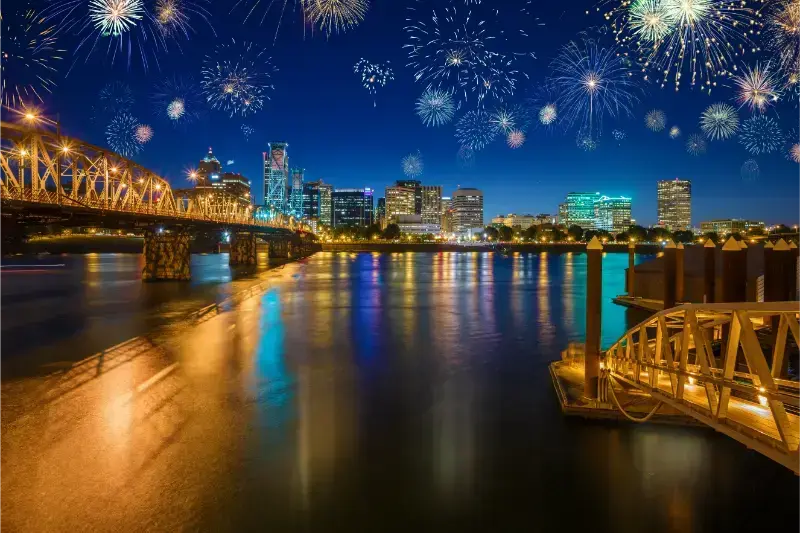
Mormon Row is one of the park’s most recognizable cultural landscapes, where historic homesteads stand against the Teton skyline. It works especially well around sunrise, but photography should not erase the history of the place. These buildings tell the story of settlement in a difficult environment, and the district deserves more than a quick barn photograph.
In 2026, construction affects parts of the Mormon Row Historic District, with some building access closed while the area itself remains open. Check the park’s current-conditions page before driving out specifically for an interior visit. Even during construction, the road and surrounding landscape can still be worthwhile.
Oxbow Bend, Snake River and wildlife
Oxbow Bend is a classic stop for reflections of Mount Moran and for wildlife watching. Moose, elk, waterfowl and other animals use the river corridor, but sightings vary with time and season. Early morning is generally more productive than midday, and binoculars make the stop far more rewarding.
Along every wildlife corridor, use established pullouts and keep the road clear. A bear or moose beside the highway can create sudden congestion. Rangers may temporarily manage traffic for safety. Grand Teton’s wildlife is one of its defining features, but the experience is better when visitors observe from a respectful distance rather than crowding the animal.
Signal Mountain and easy scenic stops
Signal Mountain Road, when open, offers an elevated perspective over Jackson Hole that differs from the dramatic close-up views along Teton Park Road. It can be a useful choice when you want scenery without a long hike. Lakeshore stops around Jackson Lake and viewpoints along the main roads also make it possible to build a strong day for travelers with limited mobility.
Do not underestimate weather at elevation. A warm afternoon in Jackson can follow a very cold dawn near the lakes. Keep a fleece or light insulated layer in the car, along with sun protection and water. Mountain weather changes faster than the town forecast suggests.
2026 construction: plan around it, not through it
Grand Teton is in a significant infrastructure-improvement period. The National Park Service announced multiple 2026 projects affecting roads, trails and visitor areas. As of September 2026, Death Canyon Road and Trailhead are closed, a section of Moose-Wilson Road is closed to all use, construction continues at Taggart Lake Trailhead, and delays are possible at the Moose entrance and on northern park roads.
Conditions have changed more than once during the season, so a printed itinerary can become obsolete. Use the official Grand Teton current conditions and road-status pages shortly before each major hike or transfer. Build at least one alternate trail or scenic area into each day.
Hiking choices for different energy levels
A good Grand Teton itinerary does not require the same hike every traveler recommends online. Easy lakeshore walks, Taggart Lake, Phelps Lake viewpoints, Jenny Lake routes and more ambitious canyon hikes all create different experiences. Choose by current trail access, weather, distance and elevation gain, not by social-media popularity.
Start longer hikes early. Afternoon storms, heat and parking are easier to manage when you are already on the trail before the busiest period. Carry bear spray in accessible form, make noise where visibility is poor and follow current park guidance for wildlife activity. Snow can linger on higher routes well into summer.
Where to stay for Grand Teton
Compare available accommodation for your dates, budget and preferred location before you finalize your route.
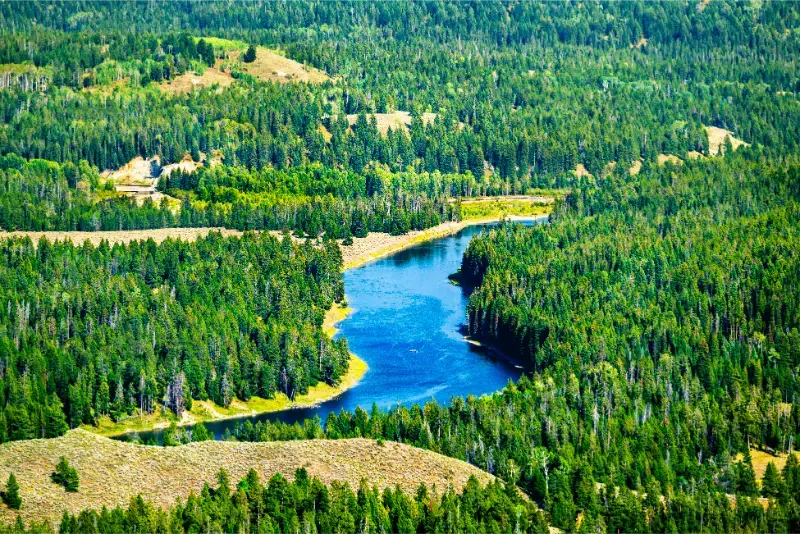
Inside or immediately adjacent to the park, lodging near Jenny Lake, Jackson Lake and Moran can reduce driving and improve sunrise access. Jackson offers the largest selection of hotels, restaurants and services but requires a commute to many park areas. Teton Village works well for travelers combining the park with resort activities or the southern side of the valley.
Affiliate disclosure: we may earn a commission from qualifying bookings at no extra cost to you. Compare Grand Teton and Jackson Hole stays on Booking.com, paying particular attention to location and cancellation terms when road or weather conditions may change.
Jackson versus a park lodge
Choose Jackson if restaurants, evening activity and hotel choice matter most. Choose a park-area lodge if your priority is sunrise, wildlife and minimizing repeated drives. Splitting a three- or four-night stay can work, but changing hotels every night usually creates more inconvenience than value.
If Yellowstone follows, move north only once. Spend the Grand Teton portion from a southern or central base, then transfer toward Yellowstone and stay there. The Wyoming road-trip itinerary uses this logic to keep the route efficient.
Best seasons for Grand Teton
Summer provides the broadest trail and road access, wildflowers and long daylight, but also the greatest parking pressure. September often brings crisp mornings and changing foliage with fewer families traveling after school resumes. Spring can be excellent for wildlife, yet snow and muddy trails reduce hiking options.
Winter transforms the park. Some roads are closed to vehicles and groomed for non-motorized recreation, while Jackson becomes a ski and winter-wildlife base. Check operating dates because visitor services are much more limited from November through April. The park itself remains open year-round.
A two-day first visit
On day one, start at an eastern sunrise viewpoint, explore Mormon Row, use Teton Park Road for Jenny Lake and lakeshore stops, then finish near Oxbow Bend or Jackson Lake. On day two, choose one substantial hike or lake experience in the morning, then use the afternoon for wildlife areas, Signal Mountain when open or additional viewpoints.
If weather hides the range, do not write off the day. Forest walks, historic districts, visitor centers and wildlife can still be rewarding. Keep the clearest forecast window for the viewpoints that depend most on mountain visibility.
Traveling with children or older relatives
Grand Teton works well for mixed-age groups because scenic roads and short walks deliver a high visual payoff. Jenny Lake boat rides, visitor centers and wildlife viewing can anchor the day without requiring everyone to hike the same route. Keep children close around water and wildlife and use the park’s bear-safety guidance consistently.
For older travelers, build in frequent stops and avoid turning every viewpoint into a race. The elevation may be noticeable to visitors arriving from sea level. A slower first afternoon in Jackson or Moose can make the following hiking day more comfortable.
Food, fuel and practical logistics
Services exist in several developed areas, but they are not available at every trailhead. Fill the tank before a long sightseeing loop and carry picnic food, especially during shoulder season. Mobile service can be unreliable, so download maps and reservation details before leaving Jackson.
Parking is the limiting factor at many popular stops, not the number of attractions. Early starts solve more problems than elaborate routing. When a lot is full, change sequence rather than creating congestion.
Continue planning Wyoming
Use the Jackson Hole guide for restaurants and town logistics, the Yellowstone guide for the next stage north, and the Wyoming hub for the wider state. Official updates are available from the National Park Service.