

The best time to visit Wyoming depends less on average temperature than on access. A July map of the state can show open national-park loops, high mountain passes and trailheads that are unreachable by ordinary vehicle in winter. Spring can mean green valleys and migrating wildlife while snow still blocks high routes. Autumn can deliver crisp air and quiet parks, then close a pass overnight after the first serious storm.
For a first road trip that includes Yellowstone, Grand Teton, Cody and Jackson, late June through September is the simplest window. Travelers who value fewer crowds can favor June or September, accepting cooler nights and a higher chance of seasonal limitations.
January and February: deep winter, not an off-season summer trip
Midwinter is ideal for skiing in Jackson Hole, snowmobiling and snowcoach experiences in Yellowstone, Nordic skiing and winter wildlife. It is not the time to drive the normal Yellowstone loop. Most park roads are closed to ordinary vehicles and access follows winter operating rules.
Highway closures are a real possibility during storms, particularly for wind-sensitive or high-profile vehicles. If flying in for a ski trip, leave schedule flexibility around arrival and departure. A winter trip should have winter goals rather than a list copied from July.
March: transition begins slowly
March can still feel fully wintery in mountain regions while lower-elevation towns begin to moderate. Ski seasons continue, but spring conditions become more variable. National-park roads remain largely in winter mode, and muddy or snowy trails limit hiking.
This month suits travelers interested in winter recreation without holiday crowds. It is not a reliable choice for a statewide road trip connecting every scenic highway.
April: wildlife and reopening season
April brings increasing wildlife activity and the first major Yellowstone road openings for regular vehicles. In 2026, several west-side Yellowstone roads were projected to open April 17, but the East and South entrances followed later. That staggered schedule shows why “Yellowstone is open” is not enough information for route planning.
Lower towns can be pleasant while the Tetons and Bighorns retain substantial snow. Pack for a wide temperature range and verify every high-elevation road that matters to your itinerary.
May: a rewarding but conditional month
May can be excellent for wildlife, waterfalls and quieter travel. Yellowstone’s East Entrance and South Entrance usually open during the month as weather permits, while Grand Teton services ramp up. Snow remains possible and some trails are wet or inaccessible.
Travelers who can adapt daily plans often love May. Travelers with a rigid list of high-country hikes and scenic passes should choose later. Book refundable lodging where possible because one closure can alter the route.
June: one of the strongest all-around choices
June combines long daylight, active wildlife and rapidly improving trail access. Early June may still bring snow at elevation, but by late June most classic road-trip routes are usually functioning. Wildflowers begin appearing and rivers run high.
At Devils Tower, June also has special cultural significance: the National Park Service asks climbers to observe the voluntary June climbing closure out of respect for affiliated Indigenous communities. That is an important seasonal planning detail, not an inconvenience to work around.
July: maximum access, maximum demand
July is the easiest month for a first statewide trip if your priority is open roads and full services. It is also the busiest period around Yellowstone, Grand Teton and Jackson. Lodging prices rise, parking fills earlier and famous boardwalks can feel crowded by midmorning.
Cheyenne Frontier Days typically makes late July a special event period in the capital, adding both cultural value and hotel pressure. Reserve well ahead if the rodeo is part of your trip. Afternoon thunderstorms and wildfire smoke are additional summer variables.
August: warm days and road-trip flexibility
August usually maintains broad high-country access and is excellent for hiking, camping and scenic drives. It can also be hot in lower basins and crowded in the parks. Start long hikes early and protect time for afternoon weather changes.
Wildfire smoke can affect views even when a fire is far away. Check air-quality and fire information rather than assuming a hazy forecast means ordinary clouds. Flexible cancellation is useful on photography-focused trips.
September: the best compromise for many adults
September is often the month I would choose for travelers who can avoid school schedules. Days remain suitable for hiking, nights cool sharply, crowds tend to ease and fall color begins in higher areas. Wildlife activity can be excellent, especially around the elk rut.
The tradeoff is shorter daylight and a rising chance of snow at elevation. Some seasonal businesses reduce hours after Labor Day. A mid-September road trip should carry warmer clothing than an August trip, even if daytime forecasts look similar.
October: beautiful, quiet and increasingly risky for a fixed route
October can deliver golden cottonwoods, crisp air and quiet towns, but winter can arrive early. Yellowstone roads begin closing seasonally, high passes may see snow and services taper. In 2026 many regular-vehicle Yellowstone roads were projected to close October 31, with some high routes closing earlier.
This is a good month for travelers who can change plans. It is a poor month for a tightly booked itinerary that depends on a particular mountain pass being open on a particular day.
November and December: winter takes over
By November, many summer attractions and roads have shifted to winter status. December brings ski-season energy to Jackson and authorized oversnow travel into parts of Yellowstone. Towns such as Cheyenne, Cody and Thermopolis remain accessible but road conditions can change rapidly.
Holiday periods can be busy in ski destinations even though the state as a whole feels quiet. Reserve Jackson-area lodging early for Christmas and New Year travel.
Best time for Yellowstone
For the broadest normal-vehicle access, late May through September is the core season, with July and August the most predictable. June and September balance access with somewhat lower crowd pressure. Spring and autumn require entrance-specific road checks.
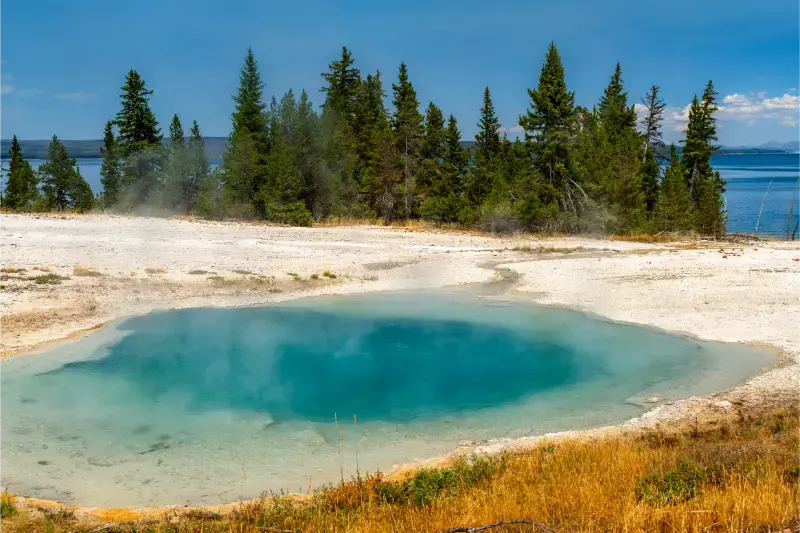
Winter is spectacular but specialized. Plan around snowcoach, snowmobile and the year-round northern road rather than expecting to drive from Old Faithful to Canyon in a rental car.
Best time for Grand Teton and Jackson Hole
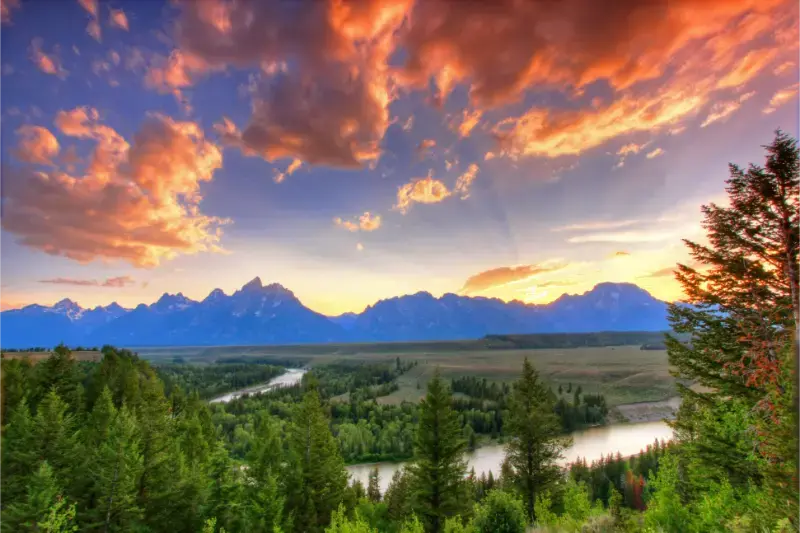
June through September is strongest for hiking and lake activities. July and August bring the warmest weather and heaviest visitation. September adds cooler air and changing foliage. Winter belongs to skiing, snowshoeing and wildlife with a different road network.
In 2026 Grand Teton has substantial construction, so even summer travelers should check current road and trail closures. Season alone does not guarantee access to every trailhead.
Best time for Cody, Sheridan and the Bighorns
Cody is most active in summer, when rodeo and Yellowstone access align. Sheridan and the Bighorns are also easiest in summer, when the scenic byways and high-country trails are broadly accessible. June and September can be excellent shoulder months.
US 14A and other high routes need more caution outside summer. Winter recreation exists, but your route should be designed for snow rather than depending on a cross-mountain drive.
Best time for Thermopolis and hot springs
Thermopolis works year-round and can be especially appealing in cooler weather, when soaking feels more dramatic. Summer pairs most easily with a national-park route, while winter gives the town a quieter pace.
Because the hot springs are not tied to a high mountain pass, Thermopolis is one of the better flexible additions to shoulder-season trips. Still check regional highways after winter storms.
Where to stay by season
Compare available accommodation for your dates, budget and preferred location before you finalize your route.
Summer requires the most advance booking around Yellowstone, Grand Teton and Jackson. Spring and fall often provide more flexibility in towns, but remote park lodging may operate on shorter calendars. Winter demand concentrates around ski areas and holiday dates.
Affiliate disclosure: we may earn a commission from qualifying bookings at no extra cost to you. Compare seasonal Wyoming stays on Booking.com, paying particular attention to location and cancellation terms when road or weather conditions may change.
Wildlife seasons
Spring brings newborn animals and active bears; autumn brings elk rutting activity and changing migration patterns. These can be exceptional wildlife periods, but they also require greater respect. Mothers with young and rutting animals can be especially defensive.
Use binoculars and telephoto lenses. Never approach animals to create a photograph. Seasonal wildlife behavior should influence how cautiously you travel, not how close you try to get.
Road conditions matter more than the calendar
Wyoming weather does not follow a tourism brochure. Snow can fall in the mountains during summer, wind can close roads to high-profile vehicles and construction can add long delays. WYDOT states that its 511 system is the authoritative source for current road conditions.
Before every long transfer, check Wyoming 511 and the relevant national-park road page. Download the information if cellular service will be weak.
My practical choice for a first trip
For a classic 10-day Wyoming road trip, late June, early July or September offers a strong balance. July gives the highest likelihood of broad road access; September often improves the crowd experience. There is no perfect period that guarantees clear skies, open trails, low prices and empty parks simultaneously.
Choose the compromise that matches your priorities. Families tied to school schedules should embrace early starts in summer. Photographers may value September light and autumn color. Skiers should ignore the summer advice entirely and design a winter-specific trip.
Continue planning Wyoming
Once you choose dates, use the Yellowstone guide, Grand Teton guide, Jackson Hole guide and Wyoming destination hub to build the route around the season rather than forcing a summer itinerary onto the wrong month.