

Hot Springs National Park Guide. Hot Springs National Park is different from the image many travelers have of a national park. Its historic core is part of downtown Hot Springs, and the central experience is the relationship between protected thermal water, Bathhouse Row, architecture and the surrounding forested mountains. You can walk from a museum-quality historic bathhouse to a restaurant, thermal fountain and trail without entering a remote wilderness. That urban character is not a compromise; it is the reason the park is distinctive.
Why this belongs in an Arkansas itinerary
The strongest visit combines history and landscape rather than spending the entire day on only one. Start at Fordyce, walk the row and promenade, then add a trail, viewpoint or booked bathing experience.
Best experiences and places to prioritize
Bathhouse Row
The row contains eight historic bathhouse buildings constructed between 1892 and 1923. NPS describes it as the largest remaining collection of early 20th-century bathhouses in the United States. Walk the full row before choosing individual interiors because the architecture and changing uses make more sense as a group.
Fordyce Bathhouse
Fordyce serves as the park visitor center and historic museum and is one of the best first stops for understanding how elaborate the bathing industry became. A self-guided visit adds context before you pay for any modern bathing service elsewhere on the row.
Buckstaff and Quapaw bathing
NPS currently identifies Buckstaff and Quapaw as facilities where visitors can fully immerse in thermal water. Each operator sets services, age policies, hours and reservation procedures. Check directly before visiting; do not assume a walk-in bath will be available simply because the park itself is open.
Grand Promenade
The brick promenade above Bathhouse Row gives a slightly elevated perspective and connects the historic district with trail access. It is an easy way to add a walk without committing to a long hike and works especially well in cooler morning or evening light.
Hot Springs Mountain trails and views
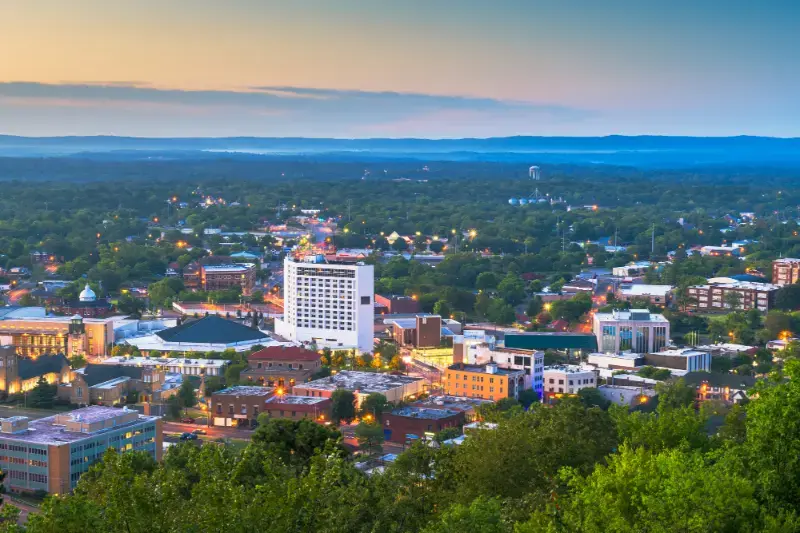
Trails climb directly from the urban core into wooded terrain. The Hot Springs Mountain area and tower can add a broader view, although the tower is concession-operated and hours change seasonally. Hikers can build a half-day that combines forest and architecture without moving the car.
Thermal fountains and water
Thermal water is central to the park’s history, but visitors should distinguish between display springs, drinking fountains and bathing facilities. Follow NPS guidance around hot water and never enter undeveloped thermal features. Bring a container only where collection is permitted.
Gulpha Gorge and the quieter side of the park
Gulpha Gorge provides camping and outdoor space away from the busiest downtown blocks. It can be useful for travelers who want more of a traditional park atmosphere after exploring Bathhouse Row, but campground and road details should be checked before arrival.
What is open in 2026
NPS information updated in May 2026 notes that individual Bathhouse Row businesses set their own hours, the Maurice Bathhouse is closed for renovations, and the Hot Springs Mountain Tower operates on seasonal concession hours. Those details can change, so verify the exact day you plan to visit.
How to plan a national park trip trip
The most successful national park trip trip in Arkansas is built around geography rather than a checklist. The Ozarks in the north, the Ouachitas in the west, central Arkansas around Little Rock and Hot Springs, and the Delta along the Mississippi River each have a different landscape and pace. Driving times that look short on a map can stretch once you leave interstates for mountain roads, trailheads or river access points. Choose one or two bases for a short trip and add another region only when it creates a logical route rather than backtracking.
The strongest visit combines history and landscape rather than spending the entire day on only one. Start at Fordyce, walk the row and promenade, then add a trail, viewpoint or booked bathing experience. A car is the practical default outside the centers of Little Rock, Hot Springs, Bentonville and Fayetteville. Download offline maps before mountain or forest sections, keep water in the vehicle, and avoid planning your longest drive after sunset. The historic district works year-round, but summer heat makes midday hiking less attractive. Spring and fall are generally easier for combining architecture with mountain trails. For parks, caves, rivers and trail systems, check the official operator on the morning of the visit because storms, high water, construction, wildfire precautions or seasonal staffing can change access quickly.
Where to stay
Compare available accommodation for your dates, budget and preferred location before you finalize your route.
Stay in central Hot Springs if walking access to Bathhouse Row matters, or choose lake/outer-area accommodation when the trip includes Lake Ouachita and longer drives. For a statewide trip, location is often more valuable than saving a few dollars on a room that adds an hour of driving each day. Compare cancellation terms as well as price, especially during autumn weekends, university events and holiday periods. You can compare accommodation on Booking.com.
How much time to allow
A long weekend works when you concentrate on a single region. Four to six days allows a city plus mountains or a river corridor. A week is enough for a classic Little Rock–Hot Springs–Ozarks loop, while nine or ten days makes room for the Delta or the Ouachitas without turning every afternoon into a transfer. Families and hikers should usually choose fewer bases and stay longer because outdoor days are harder to predict than museum days.
Common planning mistakes
- Treating Arkansas as flat or assuming mountain highways drive at interstate speed.
- Building a river or waterfall day around a fixed expectation without checking recent rainfall and water conditions.
- Arriving at a cave, popular lodge or peak-season cabin without checking reservations first.
- Scheduling every hour and leaving no margin for scenic pullouts, weather or a longer-than-expected hike.
- Relying on cell service for navigation in remote parts of the Ozarks and Ouachitas.
How to connect this with other Arkansas guides
- Little Rock travel guide
- Hot Springs travel guide
- Buffalo National River guide
- Ozark Mountains guide
- Petit Jean State Park guide
- best state parks in Arkansas
- best small towns in Arkansas
- 7-day Arkansas road trip
Official sources and current information
- Hot Springs National Park
- NPS Operating Hours and Seasons
- Bathhouse Row Today
- Experience the Thermal Water
Final planning note
Use this guide to shape the trip, then re-check official opening hours, reservations, trail conditions, water levels and seasonal services shortly before departure. Arkansas rewards flexibility: a cloudy morning can improve a waterfall hike, a cool afternoon can make a scenic drive more enjoyable, and an unplanned small-town stop can become one of the strongest memories of the route.
Deeper trip-planning perspective
Arkansas rewards travelers who think in regions and experiences rather than attraction counts. Mountain roads, river access, small-town operating hours and weather create natural limits on how much fits into one day. A stronger itinerary normally includes one primary objective before lunch, one secondary stop in the afternoon and enough uncommitted time for a scenic road, local meal or unexpected closure. This is particularly important when the trip includes children, older travelers, long hikes or activities that depend on water levels. Build the route so that skipping one stop does not make the entire day feel wasted.
For practical budgeting, separate fixed costs from flexible ones. Accommodation and rental cars usually deserve the earliest attention, while most scenic drives, viewpoints and many trail systems cost little or nothing beyond transport. State-park cabins, national-park services, guided cave tours and river outfitters can require earlier decisions. Keep confirmation emails available offline and save the phone numbers of accommodation and activity providers before entering low-signal areas. The result is a trip that remains organized without becoming rigid.