

Destinations › West USA › Colorado travel guide › Aspen Travel Guide: Maroon Bells, Independence Pass & Beyond Luxury
Aspen is expensive, but treating it only as an expensive ski town misses why it works so well in a Colorado road trip. The town gives you access to Maroon Bells, Independence Pass, high-alpine trails, a compact center, strong arts programming and one of the best public-transport networks among Colorado resort communities. The planning challenge is that its signature experiences do not all work on the same timetable.
Maroon Bells may require a shuttle or parking reservation, Independence Pass is seasonal, summer events can tighten lodging supply, and afternoon mountain weather can punish a plan that leaves the outdoors until late. A strong Aspen stay is usually two to three nights and separates the big landscape experiences instead of stacking them into one frantic day.
Aspen at a glance
| Ideal stay | 2–3 nights |
| Signature landscape | Maroon Bells |
| Best scenic arrival when open | Independence Pass via Highway 82 |
| Best car-light strategy | Stay near downtown and use RFTA/local buses |
| Biggest mistake | Booking lodging before checking the access plan for Maroon Bells and seasonal roads |
Maroon Bells: reservation strategy matters more than the photo
Maroon Bells is one of Colorado’s most recognizable mountain scenes, but access is managed because the valley cannot absorb unlimited private vehicles. Aspen Chamber guidance for 2026 states that reservations are required for the Maroon Bells Scenic Area, with visitors choosing between private-vehicle parking permits and RFTA shuttle reservations. Advance round-trip shuttle tickets were listed at $16 for adults and $10 for seniors over 65 and children under 12; vehicle reservations were listed at $10. Prices and rules can change, so verify the current season before booking the rest of the day.
The common planning error is to reserve the attraction but not the transportation chain. If you are using the shuttle, understand how you will reach Aspen Highlands, where your car will be, and how much margin you need before departure. In 2026, free RFTA connections and Brush Creek Park & Ride options helped reduce the need to drive directly to Aspen Highlands. The reservation is only one piece of the morning.
What to do once you arrive
Do not assume the best experience is automatically a long hike. Maroon Lake and the immediate valley offer powerful scenery with relatively little walking, which makes this a good choice for mixed-ability groups. Strong hikers can continue farther, but wilderness routes require a different level of preparation, and some overnight trips require permits. Build the day around your party, not around social-media expectations.
Independence Pass: one of Colorado’s best arrivals
Independence Pass crosses the Continental Divide at 12,095 feet and links the Leadville/Twin Lakes side with Aspen when Highway 82 is open. Aspen Chamber describes the route as roughly 32 miles over the pass corridor and notes that it typically closes for winter, commonly reopening in late May and closing again in autumn depending on snow. Colorado tourism guidance also notes that vehicles over 35 feet are prohibited on Independence Pass.
The road is not simply a transfer. Allow time for overlooks, the summit, short walks and the historic landscape near Independence. If you are uncomfortable with narrow mountain roads, arrive in daylight and avoid turning the drive into a race against a dinner reservation. When the pass is closed, the road route between the Front Range/Leadville side and Aspen changes dramatically, so check current road status before departure.
Downtown Aspen is more useful than it looks
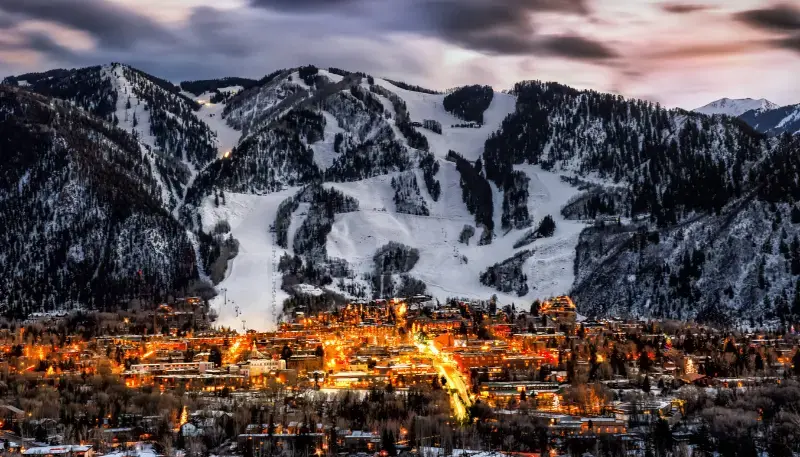
Aspen’s compact core means an expensive central hotel can sometimes reduce the need for a car, parking and repeated short drives. Walk the pedestrian areas, use local transit and let restaurants, galleries, parks and cultural venues fill the lower-energy parts of the day. In summer, the Aspen Music Festival and School and other major events can change the character of the town and hotel availability; in winter, ski operations dominate the rhythm.
A strong three-day Aspen plan
Day 1: town and acclimatization
Arrive, walk downtown, keep the activity moderate and resist the temptation to start with a hard high-altitude hike. If you drove over Independence Pass, you have already spent time above 12,000 feet. Use the evening to prepare for the next morning rather than adding another mountain objective.
Day 2: Maroon Bells
Use your reserved access method, start on time and decide in advance whether this is a scenic morning or a hiking day. Keep the afternoon flexible. The valley can be cool early, hot later and stormy by afternoon, and a reservation does not protect you from weather.
Day 3: Aspen Mountain, Independence Pass or a trail day
Choose one major experience based on season. The Silver Queen Gondola can provide a high-elevation view without a full hiking commitment when operating. Independence Pass is a road-and-overlook day when open. Strong hikers can choose a trail, but should still start early and respect altitude.
Aspen without overspending everywhere
- Use free or low-cost walking time in town rather than scheduling a paid activity in every block.
- Compare lodging total cost, not just nightly rate; parking and resort-style fees can change the math.
- Use public transit when it substitutes for a second car or trailhead parking.
- Book the experiences with limited capacity first, especially Maroon Bells access, then shape flexible sightseeing around them.
- Consider nearby Snowmass Village or Basalt when rates in Aspen itself are extreme, but price the time and transport tradeoff honestly.
When Aspen fits a Colorado trip—and when it does not
Aspen is excellent when you want scenery plus a polished town, or when Independence Pass creates a logical route between central Colorado and the Roaring Fork Valley. It is less efficient if your trip is focused only on Denver, Colorado Springs and Rocky Mountain National Park. Distances in Colorado are deceptive; add Aspen because you want Aspen and its surrounding landscape, not because the map makes it look like a small detour.
Continue planning Colorado
- Colorado Road Trip Itinerary
- Best Time to Visit Colorado
- Best Scenic Drives in Colorado
- Best Mountain Towns in Colorado
- Colorado travel guide
Where to stay and how to compare bases
Compare available accommodation for your dates, budget and preferred location before you finalize your route.
Affiliate disclosure: we may earn a commission from qualifying bookings at no extra cost to you. Compare Aspen hotels, Snowmass Village stays and Basalt accommodation. Look beyond the headline nightly rate: mountain-town parking, resort or destination fees, breakfast, shuttle access and cancellation flexibility can materially change the real cost of a stay.
Useful official resources
Maroon Bells and fall color require different expectations
September can be spectacular, but peak foliage is not a fixed annual date. Temperature, elevation and weather affect color timing, while popular weekends tighten reservations and lodging. Book the trip for the broader Aspen experience, not a guarantee that one grove will peak on a specific morning. If photography is the priority, build two possible sunrise or early-morning windows rather than one.
Winter Aspen is a different destination
In winter, lift access, ski-school logistics and snow conditions matter more than scenic-road loops. Independence Pass is closed and Maroon Creek Road access changes. Choose lodging by the ski area or transit connection your group will actually use. Non-skiers should verify which cultural venues, winter walks and gondola/sightseeing options are operating rather than assuming summer attractions translate directly.
Choosing where to stay around Aspen
Downtown Aspen is the simplest choice for travelers who want restaurants, transit and evening walks without using the car. Snowmass Village can work better for resort-focused families or travelers prioritizing its ski/summer mountain infrastructure. Basalt and the lower Roaring Fork Valley can reduce lodging costs, but every saved dollar should be compared against daily transport time. For Maroon Bells mornings or event-heavy weekends, the convenience of a closer base often has real value.
Compare accommodation: compare hotels and other stays on Booking.com.
Planning margin: the detail that makes this itinerary work
Keep at least two unscheduled hours in the day. Colorado travel is unusually sensitive to altitude, mountain weather, road incidents, trailhead parking and seasonal operations. The margin lets you wait out a shower, stop at an overlook, eat when you are actually hungry or shorten an activity without making the rest of the itinerary collapse. The goal is not to leave time empty; it is to avoid spending the most scenic part of the trip watching the clock.
Use the evening before each major mountain day to check road status, weather, reservation times and the first parking decision. Put clothes, water and simple breakfast items where you can reach them quickly. This small routine protects the morning, when Colorado often offers the coolest temperatures, clearest skies and easiest access. It also reduces the temptation to make unsafe choices later because an avoidable delay consumed the schedule.
A note on responsible mountain travel
Stay on durable surfaces and marked trails, respect seasonal wildlife closures, keep a safe distance from animals and pack out what you bring. Mountain communities and public lands receive intense seasonal pressure, and seemingly small choices—parking outside a legal space, stepping around mud, feeding wildlife, or creating a new viewpoint path—scale badly when thousands of visitors repeat them. Good travel planning protects both the experience and the place.
Parking is part of that responsibility. Use legal spaces even when a trailhead looks full and walking an extra few minutes feels inconvenient. Never block gates, emergency access, private driveways or narrow mountain roads. If the intended lot is full, use the designated overflow, shuttle or a different activity. The same principle applies to photography: a viewpoint is not worth trampling restoration areas or standing in traffic. Colorado offers more scenery than any single schedule can consume, so changing plans is usually cheaper than damaging a place or creating a safety problem.
Finally, treat mountain communities as lived-in places rather than theme parks. Keep noise reasonable in residential areas, follow local fire restrictions, support businesses without assuming every service stays open late, and understand that staffing and weather can change hours unexpectedly. A little flexibility makes the trip better for visitors and residents alike, especially during peak summer, fall-color and ski weekends when small towns are operating near capacity.