

Best Museums in Boston. Boston’s museum scene is strong enough that trying to visit everything can overwhelm a short trip. The better strategy is to choose one or two institutions that match your interests and build the surrounding day around their neighborhood.
Why this belongs in a Massachusetts itinerary
The strongest reason to include this museum-focused guide is not quantity but choice. Boston and Massachusetts have enough collections that selecting the right institution is more useful than trying to visit all of them.
Best experiences and places to prioritize
Museum of Fine Arts
The MFA is the broadest art museum choice, with collections spanning cultures and periods. Allow enough time to focus on selected galleries rather than attempting the entire building.
For most travelers, the best way to approach Museum of Fine Arts is to decide in advance whether it is a headline experience or a flexible stop. If it is central to your trip, check the official website shortly before arrival for current access, reservations, seasonal services and any event-day changes. If it is secondary, keep it optional so weather, traffic or a more interesting discovery nearby can change the day without creating stress.
Isabella Stewart Gardner Museum
The Gardner is as memorable for its Venetian-inspired courtyard and historic arrangement as for individual artworks. Timed admission can matter during busy periods.
For most travelers, the best way to approach Isabella Stewart Gardner Museum is to decide in advance whether it is a headline experience or a flexible stop. If it is central to your trip, check the official website shortly before arrival for current access, reservations, seasonal services and any event-day changes. If it is secondary, keep it optional so weather, traffic or a more interesting discovery nearby can change the day without creating stress.
Museum of Science
This is one of the strongest family and science options, especially when weather makes an indoor day appealing.
For most travelers, the best way to approach Museum of Science is to decide in advance whether it is a headline experience or a flexible stop. If it is central to your trip, check the official website shortly before arrival for current access, reservations, seasonal services and any event-day changes. If it is secondary, keep it optional so weather, traffic or a more interesting discovery nearby can change the day without creating stress.
Boston Tea Party Ships & Museum
The attraction uses recreated environments and interpretation to focus on a specific Revolutionary episode. It works best for visitors who enjoy immersive history rather than traditional display cases.
For most travelers, the best way to approach Boston Tea Party Ships & Museum is to decide in advance whether it is a headline experience or a flexible stop. If it is central to your trip, check the official website shortly before arrival for current access, reservations, seasonal services and any event-day changes. If it is secondary, keep it optional so weather, traffic or a more interesting discovery nearby can change the day without creating stress.
USS Constitution and Navy Yard
Historic ships and Navy Yard interpretation add maritime and military history to a Charlestown day. Access conditions on historic vessels can involve stairs, ladders and gangways.
For most travelers, the best way to approach USS Constitution and Navy Yard is to decide in advance whether it is a headline experience or a flexible stop. If it is central to your trip, check the official website shortly before arrival for current access, reservations, seasonal services and any event-day changes. If it is secondary, keep it optional so weather, traffic or a more interesting discovery nearby can change the day without creating stress.
Harvard and Cambridge museums
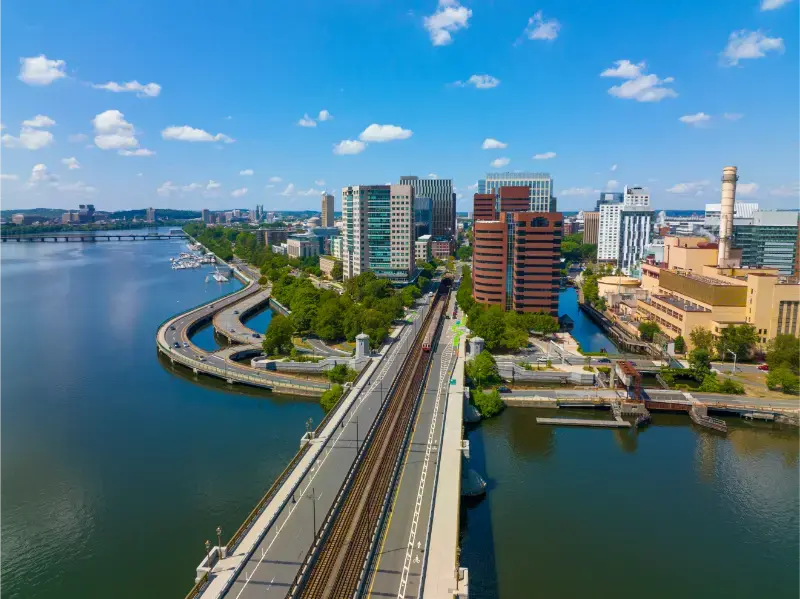
Crossing the river expands the museum menu with university collections in art, natural history, archaeology and science. Combine one museum with Harvard Square or the Charles River.
For most travelers, the best way to approach Harvard and Cambridge museums is to decide in advance whether it is a headline experience or a flexible stop. If it is central to your trip, check the official website shortly before arrival for current access, reservations, seasonal services and any event-day changes. If it is secondary, keep it optional so weather, traffic or a more interesting discovery nearby can change the day without creating stress.
How much time to allow
For Boston, the right amount of time depends on whether this is the main destination or one part of a larger Massachusetts route. A short visit should focus on one or two priorities and a coherent walking area. A full day allows time for a meal and a slower neighborhood, waterfront or outdoor component. If the destination is one of the main reasons for the trip, adding an overnight usually improves the experience because you gain both an evening and an early morning when day-trip traffic is lower.
Avoid creating a schedule that looks efficient only on a map. Parking, ticket lines, ferry schedules, meal breaks and simple fatigue can turn a nominally short transfer into an hour or more. If two major attractions both require fixed entry times, leave a substantial buffer rather than treating travel time as exact.
Where to stay
Compare available accommodation for your dates, budget and preferred location before you finalize your route.
Back Bay is particularly convenient for the MFA and Gardner, while Downtown and the North End work well for history museums and Charlestown access. Cambridge is best for university museums.
When comparing accommodation, look at the full trip cost rather than the room rate alone. Parking charges, resort or destination fees, breakfast, transit and the value of being able to walk to dinner can change which property is genuinely better value. For peak summer coast, foliage weekends and major Boston events, flexible cancellation can be worth paying a little more for.
Getting there and getting around
Use the MBTA and walk within museum clusters. Driving between central museums is usually slower and more expensive than transit.
For a statewide trip, the most efficient strategy is often mixed transport: explore central Boston without a car, then collect a rental vehicle only when you leave for Cape Cod, the Berkshires or smaller towns. This reduces parking costs and avoids paying for a vehicle while it sits unused. Coastal and island trips require more attention to ferry, bridge and seasonal traffic patterns.
Best time to visit
Museums are year-round anchors and particularly valuable in winter, rain or summer heat. Check current timed-entry systems and closed days directly with each institution.
Treat seasonal guidance as a planning framework rather than a promise about exact weather. Massachusetts can change quickly from coast to inland hills, and major events can matter as much as climate. Check the local forecast and operational information again shortly before travel, especially for ferries, beaches, mountain roads, outdoor tours and seasonal visitor centers.
Planning details that make the trip better
Museum fatigue is real. Choose the collections you care about most, take a break before attention collapses, and resist the urge to justify admission by seeing every gallery.
Timed tickets can be useful, but avoid booking museums back-to-back across the city. A museum should anchor a neighborhood day rather than force the rest of the itinerary into a race.
Check bag policies, photography rules and late-opening days shortly before the visit because these operational details change more often than the permanent collections.
Common mistakes to avoid
- Trying to fit too many regions into the same day. Massachusetts is compact, but Boston traffic, Cape bridges, parking and ferries create real friction.
- Assuming every attraction, beach or historic property keeps the same schedule year-round. Seasonal hours are common.
- Booking every hour. One flexible period each day gives you room for weather, a longer meal or an unexpected stop.
- Choosing accommodation only by nightly rate without considering transport, parking and the time lost commuting.
- Following an online “must-see” list without checking whether those places match your own interests, mobility and travel pace.
How to combine this with the rest of Massachusetts
For a broader route, use the Massachusetts travel hub to choose the next region, and keep the number of hotel changes proportional to the length of the trip. Boston, the North Shore, Cape Cod and Western Massachusetts each work best as distinct bases rather than as repeated long day trips from one hotel.
Official sources and current information
Use these official sources for information that can change after publication, including opening hours, reservations, road access, parking systems, ferry schedules, beach rules and seasonal services.
Frequently asked questions
Is Boston worth adding to a first Massachusetts trip?
Yes when it matches the theme of your itinerary and does not require an inefficient detour. The strongest first trips usually combine Boston with one or two contrasting regions rather than trying to cover the entire state. Boston should earn its place by adding history, coast, culture, food or outdoor time that you would otherwise miss.
Do I need to book in advance?
Book the items that are hard to replace: limited-capacity tours, popular summer accommodation, island transport when required, major event weekends and timed attractions that are central to the day. Keep ordinary meals and lower-priority stops flexible unless demand is unusually high.
Do I need a car?
That depends on the region. Boston and several rail-connected destinations can work without one, while Cape Cod, Western Massachusetts, state parks and multi-town coastal routes are substantially easier by car. Avoid keeping a rental vehicle in central Boston simply because you will need one later in the trip.
Related Massachusetts travel guides
-
Salem Massachusetts Travel Guide: Witch Trials History, Maritime Heritage & October Tips
Plan a Salem Massachusetts trip with Witch Trials history, Peabody Essex Museum, maritime sites, waterfront walks and practical advice for October crowds.
-
10-Day Massachusetts Road Trip: Boston, Salem, Berkshires, Plymouth & Cape Cod
Follow a 10-day Massachusetts road trip through Boston, Salem, the Berkshires, Plymouth and Cape Cod, with realistic driving, bases and optional island ideas.
-
Cambridge Massachusetts Travel Guide: Harvard, MIT, Neighborhoods & the Charles River
Explore Cambridge Massachusetts with Harvard, MIT, museums, neighborhood squares, the Charles River, restaurants and practical Boston-area travel advice.
-
Boston Massachusetts Travel Guide: Freedom Trail, Neighborhoods, Museums & Harbor
Plan a Boston trip with the Freedom Trail, Beacon Hill, North End, museums, waterfront, Fenway and practical advice on neighborhoods, transit and timing.
-
Best Small Towns in Massachusetts: Coastal Villages, Berkshires & Historic New England
Explore the best small towns in Massachusetts, from Rockport and Chatham to Stockbridge, Lenox and historic inland villages, with road-trip planning tips.
-
Where to Stay in Boston: Best Neighborhoods for First-Time Visitors, Families & Couples
Compare the best areas to stay in Boston, including Back Bay, Downtown, Beacon Hill, North End, Seaport and Cambridge, with practical hotel-location advice.