

Where to Stay in Boston. Choosing where to stay in Boston is mostly a question of trade-offs: historic atmosphere versus modern hotels, nightlife versus quiet streets, and a central address versus easier parking or lower rates.
Why this belongs in a Massachusetts itinerary
Accommodation is an itinerary decision. The neighborhood you choose affects walking time, transit, restaurant options and how tired the trip feels at the end of each day.
Compare available accommodation for your dates, budget and preferred location before you finalize your route.
Best experiences and places to prioritize
Back Bay for an easy first visit
Back Bay combines major transit, shopping, restaurants and walkable access to the Public Garden, Copley Square and the Charles River. It is one of the safest all-round choices for visitors who want convenience.
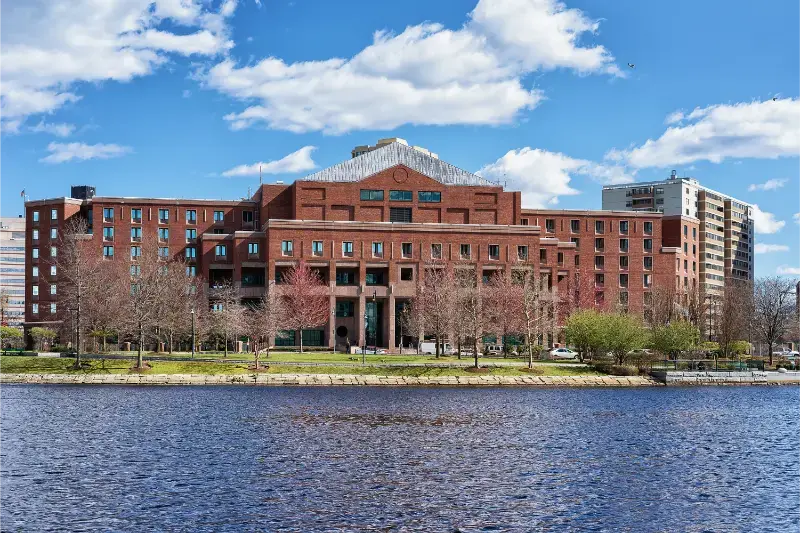
For most travelers, the best way to approach Back Bay for an easy first visit is to decide in advance whether it is a headline experience or a flexible stop. If it is central to your trip, check the official website shortly before arrival for current access, reservations, seasonal services and any event-day changes. If it is secondary, keep it optional so weather, traffic or a more interesting discovery nearby can change the day without creating stress.
Downtown for history and transport
Downtown puts the Freedom Trail, Faneuil Hall, waterfront and multiple subway lines close together. The area can feel more business-oriented outside the main tourist corridors, but its location is hard to beat.
For most travelers, the best way to approach Downtown for history and transport is to decide in advance whether it is a headline experience or a flexible stop. If it is central to your trip, check the official website shortly before arrival for current access, reservations, seasonal services and any event-day changes. If it is secondary, keep it optional so weather, traffic or a more interesting discovery nearby can change the day without creating stress.
Beacon Hill for atmosphere
Beacon Hill is ideal if brick streets and residential character matter more than large hotel choice. Rates can be high and room inventory is limited, so book early for popular periods.
For most travelers, the best way to approach Beacon Hill for atmosphere is to decide in advance whether it is a headline experience or a flexible stop. If it is central to your trip, check the official website shortly before arrival for current access, reservations, seasonal services and any event-day changes. If it is secondary, keep it optional so weather, traffic or a more interesting discovery nearby can change the day without creating stress.
North End for food and old Boston
The North End is compact, lively and filled with restaurants, with easy access to the waterfront and Freedom Trail. It suits travelers who prioritize evenings on foot and do not need a large resort-style hotel.
For most travelers, the best way to approach North End for food and old Boston is to decide in advance whether it is a headline experience or a flexible stop. If it is central to your trip, check the official website shortly before arrival for current access, reservations, seasonal services and any event-day changes. If it is secondary, keep it optional so weather, traffic or a more interesting discovery nearby can change the day without creating stress.
Seaport for newer hotels and harbor views
The Seaport has modern hotels, restaurants and waterfront space. It can be convenient for the convention center and airport access, though it feels less historic than Beacon Hill or the North End.
For most travelers, the best way to approach Seaport for newer hotels and harbor views is to decide in advance whether it is a headline experience or a flexible stop. If it is central to your trip, check the official website shortly before arrival for current access, reservations, seasonal services and any event-day changes. If it is secondary, keep it optional so weather, traffic or a more interesting discovery nearby can change the day without creating stress.
Cambridge for universities and a different rhythm
Cambridge is a strong alternative when Harvard, MIT, Kendall Square or the Charles River are central to the trip. Choose a hotel close to a subway stop so downtown Boston remains easy to reach.
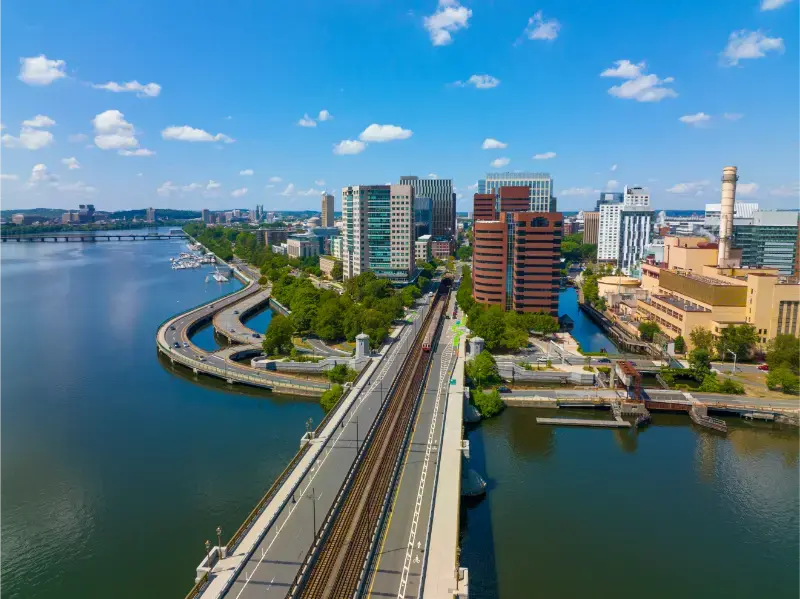
For most travelers, the best way to approach Cambridge for universities and a different rhythm is to decide in advance whether it is a headline experience or a flexible stop. If it is central to your trip, check the official website shortly before arrival for current access, reservations, seasonal services and any event-day changes. If it is secondary, keep it optional so weather, traffic or a more interesting discovery nearby can change the day without creating stress.
How much time to allow
For Boston, the right amount of time depends on whether this is the main destination or one part of a larger Massachusetts route. A short visit should focus on one or two priorities and a coherent walking area. A full day allows time for a meal and a slower neighborhood, waterfront or outdoor component. If the destination is one of the main reasons for the trip, adding an overnight usually improves the experience because you gain both an evening and an early morning when day-trip traffic is lower.
Avoid creating a schedule that looks efficient only on a map. Parking, ticket lines, ferry schedules, meal breaks and simple fatigue can turn a nominally short transfer into an hour or more. If two major attractions both require fixed entry times, leave a substantial buffer rather than treating travel time as exact.
Where to stay
For most first-time visitors, Back Bay or Downtown is the simplest choice. Families may value larger rooms and transit access over nightlife; couples may prefer Beacon Hill, North End or selected Back Bay streets.
When comparing accommodation, look at the full trip cost rather than the room rate alone. Parking charges, resort or destination fees, breakfast, transit and the value of being able to walk to dinner can change which property is genuinely better value. For peak summer coast, foliage weekends and major Boston events, flexible cancellation can be worth paying a little more for.
Getting there and getting around
A hotel near an MBTA station can be more useful than one that is marginally closer to a single attraction. Parking costs can erase the savings of a cheaper hotel if you bring a car.
For a statewide trip, the most efficient strategy is often mixed transport: explore central Boston without a car, then collect a rental vehicle only when you leave for Cape Cod, the Berkshires or smaller towns. This reduces parking costs and avoids paying for a vehicle while it sits unused. Coastal and island trips require more attention to ferry, bridge and seasonal traffic patterns.
Best time to visit
Hotel rates rise around major events, graduation periods, fall weekends and summer demand. Compare the total stay price, cancellation terms and parking before booking.
Treat seasonal guidance as a planning framework rather than a promise about exact weather. Massachusetts can change quickly from coast to inland hills, and major events can matter as much as climate. Check the local forecast and operational information again shortly before travel, especially for ferries, beaches, mountain roads, outdoor tours and seasonal visitor centers.
Planning details that make the trip better
The cheapest room is not always the cheapest stay. Add parking, transit fares, breakfast, resort or destination fees and the time cost of long daily commutes before comparing neighborhoods.
For stays of three nights or more, evening convenience matters. Being able to walk to dinner or return easily after a long sightseeing day often has more value than being directly beside one daytime attraction.
Read the most recent property reviews for noise, room size, elevator access and parking arrangements rather than relying only on star category or neighborhood reputation.
Common mistakes to avoid
- Trying to fit too many regions into the same day. Massachusetts is compact, but Boston traffic, Cape bridges, parking and ferries create real friction.
- Assuming every attraction, beach or historic property keeps the same schedule year-round. Seasonal hours are common.
- Booking every hour. One flexible period each day gives you room for weather, a longer meal or an unexpected stop.
- Choosing accommodation only by nightly rate without considering transport, parking and the time lost commuting.
- Following an online “must-see” list without checking whether those places match your own interests, mobility and travel pace.
How to combine this with the rest of Massachusetts
For a broader route, use the Massachusetts travel hub to choose the next region, and keep the number of hotel changes proportional to the length of the trip. Boston, the North Shore, Cape Cod and Western Massachusetts each work best as distinct bases rather than as repeated long day trips from one hotel.
Official sources and current information
Use these official sources for information that can change after publication, including opening hours, reservations, road access, parking systems, ferry schedules, beach rules and seasonal services.
Frequently asked questions
Is Boston worth adding to a first Massachusetts trip?
Yes when it matches the theme of your itinerary and does not require an inefficient detour. The strongest first trips usually combine Boston with one or two contrasting regions rather than trying to cover the entire state. Boston should earn its place by adding history, coast, culture, food or outdoor time that you would otherwise miss.
Do I need to book in advance?
Book the items that are hard to replace: limited-capacity tours, popular summer accommodation, island transport when required, major event weekends and timed attractions that are central to the day. Keep ordinary meals and lower-priority stops flexible unless demand is unusually high.
Do I need a car?
That depends on the region. Boston and several rail-connected destinations can work without one, while Cape Cod, Western Massachusetts, state parks and multi-town coastal routes are substantially easier by car. Avoid keeping a rental vehicle in central Boston simply because you will need one later in the trip.
Related Massachusetts travel guides
-
Salem Massachusetts Travel Guide: Witch Trials History, Maritime Heritage & October Tips
Plan a Salem Massachusetts trip with Witch Trials history, Peabody Essex Museum, maritime sites, waterfront walks and practical advice for October crowds.
-
10-Day Massachusetts Road Trip: Boston, Salem, Berkshires, Plymouth & Cape Cod
Follow a 10-day Massachusetts road trip through Boston, Salem, the Berkshires, Plymouth and Cape Cod, with realistic driving, bases and optional island ideas.
-
Cambridge Massachusetts Travel Guide: Harvard, MIT, Neighborhoods & the Charles River
Explore Cambridge Massachusetts with Harvard, MIT, museums, neighborhood squares, the Charles River, restaurants and practical Boston-area travel advice.
-
Boston Massachusetts Travel Guide: Freedom Trail, Neighborhoods, Museums & Harbor
Plan a Boston trip with the Freedom Trail, Beacon Hill, North End, museums, waterfront, Fenway and practical advice on neighborhoods, transit and timing.
-
Best Small Towns in Massachusetts: Coastal Villages, Berkshires & Historic New England
Explore the best small towns in Massachusetts, from Rockport and Chatham to Stockbridge, Lenox and historic inland villages, with road-trip planning tips.
-
Best Time to Visit Massachusetts: Weather, Cape Cod, Foliage, Boston & Crowds
Choose the best time to visit Massachusetts for Boston, Cape Cod, islands, fall foliage and the Berkshires, with seasonal weather and crowd trade-offs.