

Destinations › Pacific USA › Hawaii travel guide › Best Things to Do in Maui: 25 Meaningful Experiences
The best things to do in Maui make sense only when they are matched to region, weather and community capacity. A summit morning, reef afternoon and East Maui drive are three different kinds of day; combining them for efficiency usually removes the qualities that make each memorable.
These experiences are arranged as building blocks. Choose a few priorities, then use the Maui travel guide to place them into a realistic week.
At a glance
| Best major landscape | Haleakalā |
| Best scenic route | Road to Hāna |
| Best cultural foundation | Locally led interpretation |
| Best trip length | 7–9 nights |
| Essential habit | Check conditions each morning |
Twenty-five experiences worth planning well
See Haleakalā beyond sunrise
Daylight reveals crater colors, native ecosystems and trails without a pre-dawn drive. Sunrise is special but requires separate reservations.
Watch a summit sunset safely
Carry true cold-weather layers, remain alert for altitude symptoms and descend patiently on an unlit mountain road.
Hike part of the summit landscape
Choose distance for elevation and fitness; descending first means the return is uphill.
Explore Kīpahulu
Visit the coastal district as part of East Maui, checking weather, road and trail status before the long approach.
Drive the Road to Hāna with fewer stops
Select a short list of legal, meaningful places and let full parking be a reason to continue.
Stay overnight near Hāna
A night in East Maui reduces the race to turn around and creates time to experience the region at community pace.
Visit Waiʻānapanapa responsibly
Advance reservations may be required for nonresidents; arrive in the reserved window and stay within legal access.
Learn at ʻĪao Valley
Use current state-park reservation guidance and give the landscape historical and cultural context.
Spend time Upcountry
Makawao and Kula can connect farms, food and the mountain’s human geography without trespassing on working land.
Walk a coastal path
Kapalua and Wailea-area routes offer accessible scenery, but posted property boundaries and wildlife space still matter.
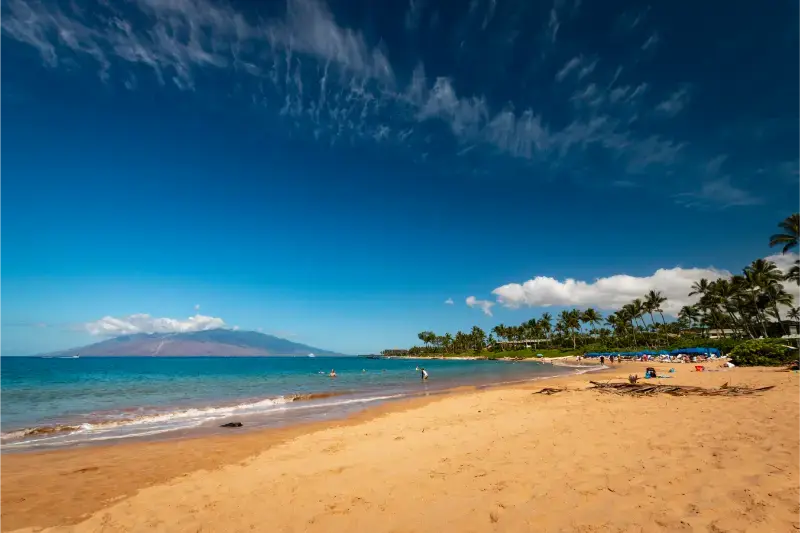
Choose a beach by conditions
Kamaʻole, Kāʻanapali, Wailea and other beaches differ by season, swell and exact section. Ask lifeguards.
Snorkel within ability
Use a reputable operator or protected, lifeguarded setting; never stand on coral or chase turtles.
Watch humpback whales in season
Choose an operator that follows federal approach rules and treats sightings as wildlife, not a guaranteed performance.
Attend a culturally grounded program
Evaluate who leads the interpretation, whose history is centered and whether the experience benefits local practitioners.
Taste Maui agriculture
Coffee, cacao, fruit and farm dining can add context when access is invited and the itinerary does not disrupt operations.
Explore Wailuku
Historic streets, local food and community institutions make Central Maui more than an airport corridor.
Visit a museum or cultural center
A weather-flexible indoor stop can deepen understanding of migration, plantation history and Native Hawaiian continuity.
Listen to Hawaiian music
Seek credited performers and venues where music is presented as a living art rather than background decoration.
Plan a responsible boat day
Compare safety, group size, reef practices, weather policy and departure harbor—not only the advertised destination.
See Honolua Bay without entitlement
Access, ocean conditions and parking require care. Do not block roads or assume calm water.
Enjoy a slow resort day
Rest is a legitimate use of expensive accommodation and prevents early drives from accumulating into fatigue.
Volunteer through a credible program
Choose work requested by a community or conservation group, with transparent purpose and appropriate training.
Shop from local makers
Ask about materials and origins rather than assuming every souvenir sold on Maui was made there.
Leave one day flexible
Move a boat, summit or hiking plan when conditions change instead of forcing a prepaid expectation.
Practice mālama in ordinary choices
Legal parking, water conservation, wildlife distance and respectful spending matter more than a symbolic gesture.
Practical planning advice
Choose five anchors
One mountain, one East Maui day, one cultural experience and two ocean or food priorities are enough for a strong week.
Group by geography
Pair South Maui experiences together and keep West, Central, Upcountry and East Maui on distinct days.
Check public agencies
Confirm state-park, national-park, road and ocean information on the morning of the activity.
Avoid promise-based tours
Nature does not guarantee whales, clear summits, waterfalls or calm reefs.
Make a weather matrix
Give each weather-sensitive plan a nearby indoor, food or cultural alternative.
Frequently asked questions
What is the number one thing to do?
Haleakalā or East Maui can anchor a trip, but the best choice depends on driving comfort and interests.
Is the Road to Hana worth it?
Yes for travelers who enjoy slow scenic travel and can follow community access rules.
What can families do?
Choose lifeguarded beaches, short nature walks, cultural programs and farms with suitable age rules.
What should I reserve?
Haleakalā sunrise, Waiʻānapanapa when required, ʻĪao access when required and high-priority tours.
Can I see Maui without tours?
Yes, but tours can add cultural expertise and reduce driving on demanding routes.
Turn priorities into a daily route
Choose See Haleakalā beyond sunrise and Watch a summit sunset safely as the day’s anchors, then place meals, transport and flexible stops around them. Island geography rewards focus. This protects the main experience if traffic, surf, rain or a reservation change affects the schedule, and it prevents a short-looking map from becoming an exhausting series of detours.
Count the hidden transfer time
A flight, rental-car pickup or hotel change occupies more than its advertised duration. Include check-out, airport security, baggage, car return and the drive to the next base. An inter-island travel day should contain one flexible experience, not a full sightseeing list.
Check reservations in the right order
Secure limited park entry, high-demand cultural programs, scarce tours and the most important lodging first. Recheck arrival windows, parking rules and cancellation deadlines. General admission and access to a specific trail, memorial or timed program may be separate.
Use weather by coast and elevation
A single island can contain sunny leeward beaches, rainy windward valleys and cold mountain summits on the same day. Check conditions for the exact place and elevation, then carry layers and a nearby alternative rather than relying on one island-wide forecast.
Treat ocean safety as a daily decision
Wave height, currents, shore break, wind and visibility change by beach and season. Prefer lifeguarded water, read posted warnings and stay out when uncertain. A beach being popular or calm-looking does not make it safe for swimming or snorkeling.
Build the budget from the full trip
Add accommodation taxes, resort or destination charges, parking, rental-car costs, fuel, food and inter-island baggage. A cheaper room can cost more if it creates daily transport, while a kitchen may provide real value for families.
Plan for different mobility levels
Choose routes around the traveler least comfortable with heat, stairs, uneven lava, sand or boat motion. Confirm accessible parking, restrooms, seating and boarding directly. A viewpoint or cultural program can preserve the day when a trail does not suit everyone.
Travel with cultural respect
Learn place names, follow access rules and remember that beaches, valleys and historic sites are not scenery detached from community. Do not trespass, enter sacred areas casually or treat residents as part of a visitor performance. Support locally rooted businesses when practical.
Keep wildlife wild
Maintain required distance from marine and land animals, never feed them and do not block movement between ocean and shore. Follow staff or volunteer instructions. A close photograph is never worth stressing wildlife or receiving a citation.
Keep one appealing backup
Choose an alternative near the same base for the activity most exposed to surf, rain, wind, closure or sold-out parking. A museum, garden, food stop or protected walk should preserve the day without triggering another long drive.
Final check before departure
Forty-eight hours before a priority activity, verify the official alert, reservation, road status, beach warning and meeting point. Check again that morning. Screenshots and offline directions are useful where reception is weak or a phone overheats.
Use the rental car selectively
A car is valuable for many island days but can be expensive and inconvenient in Waikīkī. Compare hotel parking and rental days with transit, walking and short rides. Never leave valuables visible at beaches or trailheads.
Plan meals before the group is hungry
Popular places may sell out, close early or have long waits. Pick one priority meal and one nearby alternative. Carry water and simple food on remote drives rather than assuming the next community has late service.
Continue planning your Hawaii trip
Use the Hawaii travel guide as the state hub, then compare the best things to do in Hawaii, the Hawaiian island guide, the best time to visit Hawaii and where to stay in Hawaii.
More Maui and Big Island guides
Use the related Hawaii guides below to move between destination choice, accommodation, day planning and road-trip logistics.
- Maui Travel Guide: How to Plan a Thoughtful First Trip
- Where to Stay in Maui: Best Areas for Every Trip
- Road to Hana Guide: Stops, Safety & a Better Plan
- Haleakala National Park Guide: Summit & Kipahulu
- Hawaii Big Island Travel Guide: Plan by Region
- Best Things to Do on the Big Island: 25 Picks
- Where to Stay on the Big Island: Best Bases
- Hawaii Volcanoes National Park: Complete Guide
- Big Island Road Trip: A Realistic 10-Day Itinerary
Compare accommodation for this itinerary
Compare available accommodation for your dates, budget and preferred location before you finalize your route.
Affiliate disclosure: we may earn a commission from qualifying bookings at no extra cost to you. Compare Maui accommodation, Kihei stays and Kaanapali resorts. Review the total price, mandatory fees, parking, exact location and cancellation terms before booking.