

Destinations › West USA › Montana › Best Time to Visit Montana: Weather, Roads, Parks & Seasonal Trip Planning
The best time to visit Montana depends less on a single “perfect” month than on which version of the state you want. A Glacier hiking trip needs different conditions from a Yellowstone wildlife trip, a ski holiday or a road journey across eastern Montana. For most first-time summer travelers, July through early September provides the broadest access. For fewer crowds and cooler weather, September is especially attractive. But every season has trade-offs that matter more in Montana than in many lower-elevation destinations.
January and February: deep winter
Midwinter is for travelers who actively want snow. Ski destinations such as Big Sky and Whitefish are in full winter mode, while many mountain roads and trailheads are inaccessible. Temperatures can be severe, especially during Arctic cold snaps.
Yellowstone is highly seasonal in winter, but the road from Gardiner through Mammoth Hot Springs toward the Northeast Entrance is generally open to regular vehicles, weather permitting. Interior park destinations require specialized oversnow travel when operating.
March: still winter in the mountains
March can offer excellent skiing, but lower valleys begin hinting at spring. This is not a reliable month for a classic road trip because many scenic roads remain closed and hiking trails are snow-covered or muddy.
Travelers who want winter sports with longer daylight may like March. Travelers who want Glacier’s alpine road should choose another season.
April: transition season
April is quiet and unpredictable. Snow remains in the mountains, valley weather can swing rapidly, and many seasonal tourism businesses have not fully reopened. Yellowstone begins its spring road-opening process, but access expands gradually rather than all at once.
This can be a rewarding month for low-elevation exploration and uncrowded towns, but flexibility is essential. Build the trip around what is open, not what a summer map suggests should be possible.
May: wildlife and green valleys
May brings greener landscapes, longer days and strong wildlife interest around Yellowstone. Roads inside Yellowstone continue opening in stages. Glacier’s high country remains snowbound, and Going-to-the-Sun Road is not fully open to motor vehicles yet.
If your priority is wildlife, hot springs, cities and lower-elevation drives, May can be excellent. If your dream is Logan Pass and long alpine hikes, it is too early.
June: long daylight with access uncertainty
June is one of Montana’s most beautiful months, with long evenings, powerful rivers and green valleys. The challenge is high-elevation access. Going-to-the-Sun Road may not be fully open until late June or even early July in some years. In 2026 it opened fully to motor vehicles on June 22.
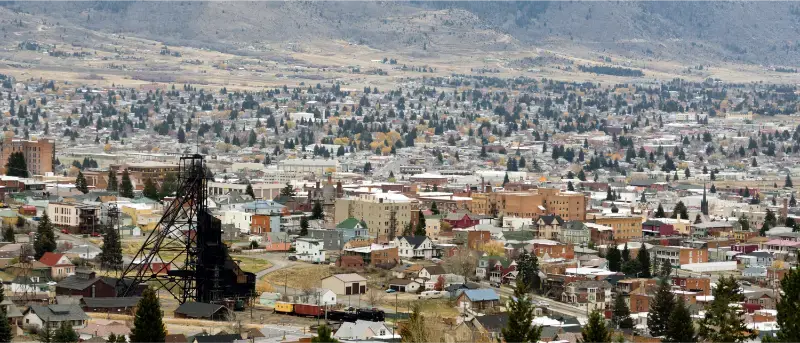
Early June trips should have alternatives. Flathead Lake, Whitefish, Missoula, Bozeman and lower Glacier valleys can still provide a strong vacation even if Logan Pass is inaccessible.
July: maximum access and maximum demand
July is the safest choice for travelers who want the broadest combination of open mountain roads, hiking and warm-weather recreation. It is also peak season. Glacier, Yellowstone gateways, Whitefish and Big Sky can be expensive and crowded.
Reserve critical lodging early and expect competition for parking. Afternoon thunderstorms and wildfire activity are possible, so full access does not mean every day follows the plan.
August: warm weather, dry trails and smoke risk
August continues peak summer conditions. High trails are generally snow-free, lakes are at their most inviting and long-distance road trips are straightforward. The main environmental uncertainty is wildfire smoke, which can reduce visibility and make strenuous activity unhealthy.
Smoke is regional and variable; do not cancel an entire trip months ahead based on one fire season elsewhere. Check current air quality close to travel and keep alternative areas available.
September: one of the best all-around months
September often brings cooler hiking temperatures, fewer school-holiday crowds and clear nights. Early in the month, most summer services and roads are still operating. Later in September, schedules reduce and the first significant mountain snow can arrive.
For experienced road trippers who value flexibility, September may be the best balance in Montana. Pack warmer layers and accept that a high pass can change overnight.
October: beautiful but increasingly seasonal
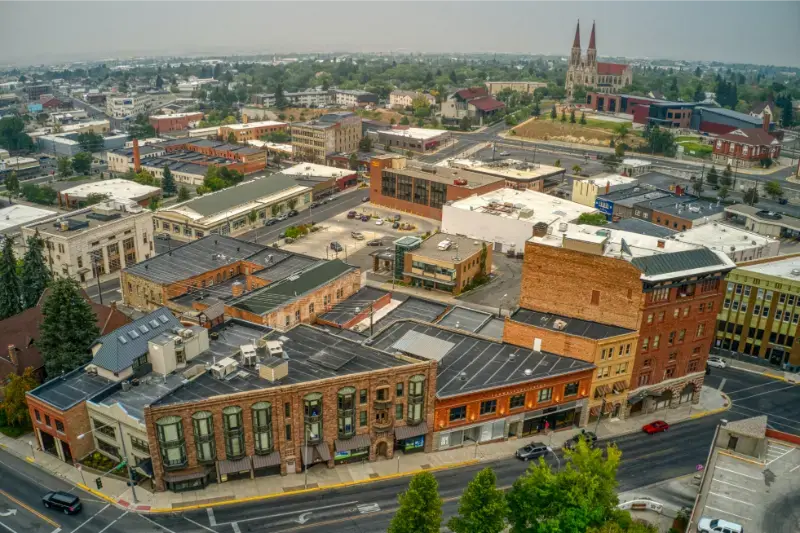
Autumn color, quiet towns and wildlife activity make October appealing, especially at lower elevations. The trade-off is rapidly shrinking mountain access. Going-to-the-Sun Road’s alpine section can close for the season due to weather, and Yellowstone high roads have projected closing dates that may move earlier after storms.
Use October for valleys, cities, hot springs and flexible scenic drives. Avoid a plan that collapses if one pass closes.
November: between autumn and winter
November is one of the quietest tourism periods. Many summer businesses are closed, ski areas may not yet have reliable terrain, and Yellowstone’s interior roads are largely closed to regular vehicles.
It can work for inexpensive city stays, hot springs and early snow, but it is not an ideal first Montana trip unless you specifically enjoy off-season travel.
December: ski season returns
By December, winter resorts usually become the focus again. Holiday weeks can be extremely busy and expensive even though other parts of the state remain quiet. Short daylight and winter roads require conservative driving plans.
A December trip should be built around a specific winter base rather than a long multi-state road trip.
Best time for Glacier National Park
For a first visit centered on Going-to-the-Sun Road and alpine hiking, mid-July through early September offers the highest probability of full access. Late June can work in lighter snow years, but do not assume historical opening dates guarantee anything.
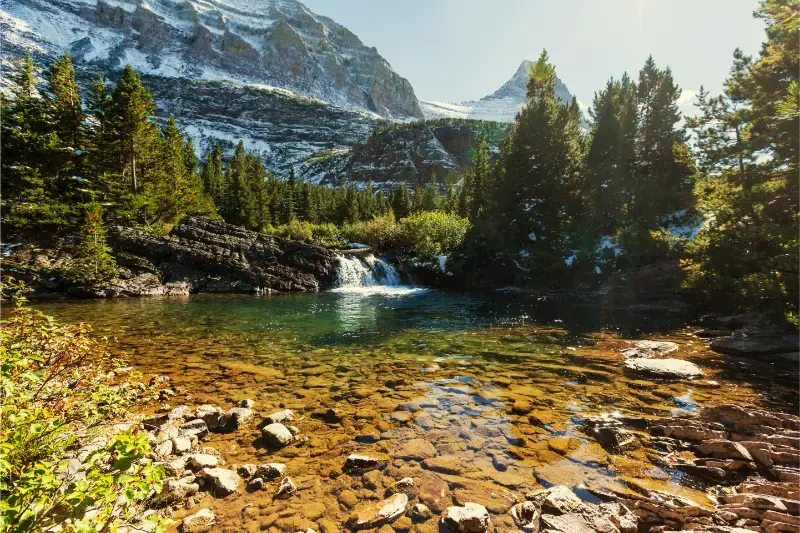
September is especially appealing if you can tolerate colder mornings and reduced services. Vehicle-access systems can change from year to year; in 2026 Glacier had no park-wide vehicle reservation but used a summer Logan Pass parking limit and ticketed shuttle pilot.
Best time for Yellowstone from Montana
Gardiner gives year-round vehicle access into the northern part of Yellowstone, but the full park road network is seasonal. May and September can be excellent for wildlife and lighter crowds, while July and August provide the broadest access.
Winter is a specialized but rewarding northern-range trip. Most interior park roads close to regular cars, so understand the road system before booking.
Best time for a Montana road trip
A route linking Glacier, Flathead Lake, Missoula, Bozeman and Yellowstone is easiest from July through early September. This window minimizes the chance that a major mountain road is still closed for snow.
Late September can still be wonderful, but the itinerary needs contingency plans. June can be equally beautiful if you are willing to redesign Glacier days around lower-elevation access.
Wildfire smoke: plan for it without panicking
Smoke can affect Montana in summer, especially later in the season. It may come from fires inside the state or hundreds of miles away. Conditions can change quickly with wind.
Use current air-quality data, avoid strenuous activity when pollution is high and keep a flexible route. One valley may be smoky while another part of the state is clear. A road trip with several possible bases handles smoke better than a rigid outdoor schedule.
What to pack by season
Summer still requires a warm layer and waterproof shell because high elevations can be cold and windy. Spring and autumn demand true cold-weather flexibility, not just a light jacket. Winter requires insulated footwear, gloves, layers and emergency driving supplies.
Sun protection matters year-round at elevation. Carry water even on cool days, and download maps because cell coverage is unreliable outside cities and major highways.
Best season for lower prices
Shoulder seasons generally offer lower lodging prices in cities and some resort areas, but the savings only matter if the attractions you want are open. A cheap June room near Glacier does not compensate for a closed alpine road if Logan Pass is the main purpose of the trip.
For budget-conscious summer travel, look at weekdays, less famous gateway towns and September dates before jumping all the way to April or November. You may preserve most of the outdoor experience while avoiding peak weekend rates.
Best season for families
July and early August are easiest for families because roads, tours and lake activities are broadly available, but crowds and prices are highest. Late August can be a good compromise for families whose school calendar allows it. September is excellent with younger children who are not tied to school schedules.
Families should also consider daylight. Long summer evenings provide flexibility when naps, wildlife jams or slow meals push the schedule later than expected.
Best season for photography
There is no single photography season. June brings green valleys and strong water flow; July adds wildflowers at many elevations; September can deliver clear air, golden grasses and colder dawns; winter transforms the landscape into snow and steam around Yellowstone.
Smoke can reduce long-distance mountain views in late summer, while storms can hide peaks at any time. Photographers benefit from staying multiple nights in important regions so that one cloudy morning does not eliminate the only planned sunrise.
Reservation timing by season
Peak summer accommodation near Glacier and Yellowstone should be booked well ahead, particularly for weekends and rooms inside or immediately outside the parks. Ski holidays around Big Sky and Whitefish also require early planning.
Shoulder-season travelers can often book later, but they should spend more time checking operating calendars. A flexible room rate is valuable when snow, smoke or road openings could change the best base.
Where to stay as seasons change
Compare available accommodation for your dates, budget and preferred location before you finalize your route.
In peak summer, book Glacier and Yellowstone gateway lodging first. In winter, prioritize proximity to skiing or the year-round Yellowstone corridor rather than central geography. During shoulder seasons, verify that nearby restaurants and services are operating before choosing a remote property.
Bozeman is a useful year-round logistics base because of its airport and services, while Whitefish is strong for northwest Montana and winter skiing.
Compare accommodation in Bozeman as a starting point, then search the specific region that matches your season.
Match the month to the trip you actually want
Instead of asking for the single best month, decide which experience matters most: Glacier high country, Yellowstone wildlife, lake days, skiing, fall color or a long road trip. Then choose the season that gives that experience the strongest probability.
- Glacier National Park Travel Guide
- Gardiner Montana & Yellowstone North Entrance Guide
- Big Sky Montana Travel Guide
- Montana Road Trip Itinerary