

Cody is one of the strongest places in Wyoming to combine Western history with a national-park road trip. Founded by William F. “Buffalo Bill” Cody, the town has built its identity around rodeo, museums and the mythology of the American West, yet it is also a practical gateway to Yellowstone’s East Entrance and the Absaroka Mountains. The result is a destination that deserves at least one full day rather than a fuel stop on the way to a geyser.
Cody works especially well between Thermopolis or the Bighorn Basin and Yellowstone National Park. The drive west follows the North Fork of the Shoshone River through increasingly dramatic mountain scenery. If you time the trip well, the road itself becomes part of the experience instead of a transfer you rush through after dinner.
Start with the Buffalo Bill Center of the West
The Buffalo Bill Center of the West is not one museum but a complex of five major museums covering Buffalo Bill, Plains Indian cultures, Western art, natural history and firearms. Even visitors who normally move quickly through museums can spend several hours here. If Western history is central to your trip, give it half a day rather than squeezing it between breakfast and Yellowstone.
For 2026, the Center lists daily 8 a.m.–6 p.m. hours from May 1 through September 15, shorter hours later in the year, and seasonal winter schedules. Adult admission is listed at $23 at the time of writing, with different rates for seniors, students and children. Verify current hours and rates on the official Center of the West website before arrival.
Why the museum matters before Yellowstone
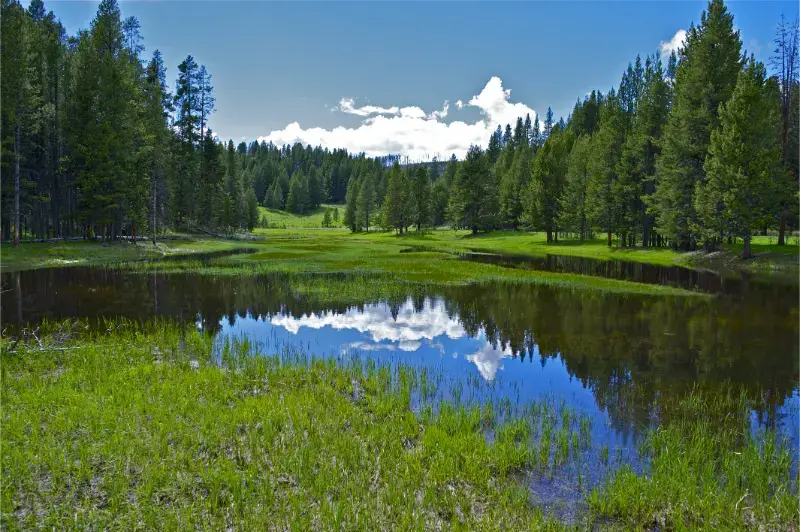
The Draper Natural History Museum helps explain the ecosystems you will encounter in Yellowstone, while the Plains Indian Museum adds cultural context that is missing from many road-trip checklists. The Buffalo Bill Museum then shows how entertainment helped shape popular ideas of the West. Seeing those stories before the national park can make the wider region feel connected rather than divided into attractions.
Families should avoid trying to “finish” all five museums. Pick two priorities, break for lunch and return to a third if attention spans remain strong. The scale of the Center is a reason to stay longer in Cody, not a reason to rush.
Cody Nite Rodeo and summer evenings
Cody’s rodeo tradition is one of the town’s most visible summer experiences. The Cody Nite Rodeo operates on many summer evenings, while the Cody Stampede around the Fourth of July is a larger event period. Exact schedules and ticket arrangements change, so check dates before building a hotel stay around a specific performance.
A rodeo evening pairs well with a museum morning and a slower afternoon. Arrive with layers because high-desert evenings can cool quickly. If you have never attended a rodeo, use the event as a cultural experience rather than assuming you need to understand every scoring rule in advance.
Old Trail Town and the physical history of the frontier
Old Trail Town assembles historic buildings and artifacts from the region, creating a more tangible complement to the formal museum collections. It can be especially effective for families because the experience is visual and spatial. Allow time to read the interpretation rather than treating each cabin as a background for photographs.
The site is seasonal, so confirm operating dates. If it is closed during your trip, downtown Cody, the Center of the West and nearby historic drives still provide enough context for a strong visit.
Downtown Cody
Cody’s downtown is easy to walk and works well between major attractions. The Irma Hotel, associated with Buffalo Bill, is one of the best-known historic buildings, while galleries and shops continue the Western theme. The town remains tourist-oriented in summer, but it also functions as a regional service center with groceries, fuel and practical road-trip needs.
Use downtown time to reset before Yellowstone. Buy groceries, refill fuel, check road conditions and download maps. Cell service becomes less dependable as you drive west into the mountains and park.
The East Entrance drive to Yellowstone
Cody lies roughly 50 miles from Yellowstone’s East Entrance, but the drive should not be measured only by mileage. The route through Wapiti Valley follows the Shoshone River and passes rock formations, ranch country and mountain terrain. Beyond the entrance, Sylvan Pass adds elevation before the road reaches Yellowstone Lake and Fishing Bridge.
The East Entrance is seasonal. In 2026, the National Park Service projected the East Entrance–Fishing Bridge road to open May 1 and close October 31, weather permitting. Snow or wildfire can alter access. Check Yellowstone road status before leaving Cody, particularly in May, October or after a major storm.
Chief Joseph Scenic Byway and Beartooth connections
North of Cody, the Chief Joseph Scenic Byway offers one of Wyoming’s most dramatic drives and can connect toward the Northeast Entrance of Yellowstone when seasonal roads are open. Switchbacks climb to broad mountain views before the road descends toward the Clarks Fork corridor. This is not a casual winter shortcut; high-elevation access is seasonal.
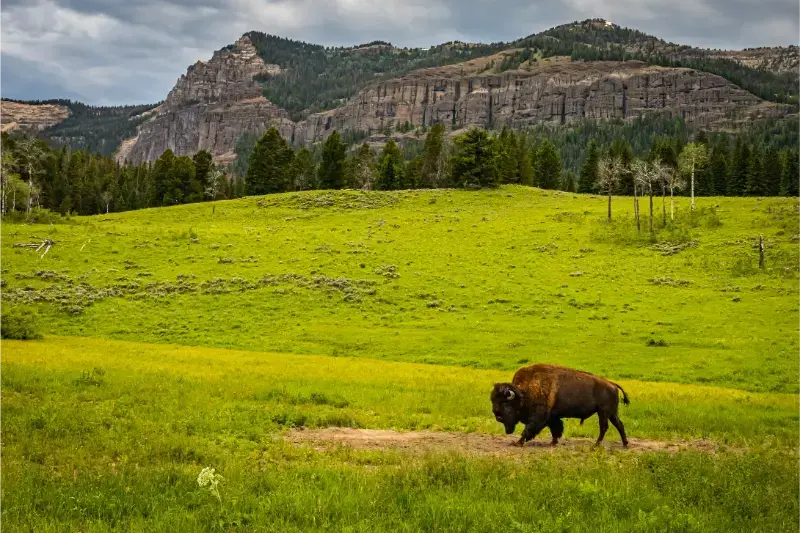
In summer, the byway can form part of a loop with the Beartooth Highway and Red Lodge, Montana. Build an entire day around the drive if you plan frequent stops. Fast map estimates do not account for viewpoints, wildlife or mountain weather.
Wild mustangs and other excursions
The McCullough Peaks area east of Cody is known for wild horses, and guided tours can help visitors understand both the landscape and responsible viewing. Do not chase, feed or crowd horses for photographs. The high-desert environment is exposed, so carry water and sun protection even when town temperatures feel comfortable.
Other excursions include rafting, fishing, horseback riding and hiking in surrounding public lands. Choose one that adds something different from Yellowstone rather than duplicating a park activity you already have planned.
Where to stay in Cody
Compare available accommodation for your dates, budget and preferred location before you finalize your route.
Staying near downtown is convenient for restaurants, the Center of the West and evening activities. Properties on the west side of town can shorten the morning departure toward Yellowstone. For a one-night transit stay, road access may matter more than atmosphere; for two or three nights, walkability becomes more valuable.
Affiliate disclosure: we may earn a commission from qualifying bookings at no extra cost to you. Compare hotels and stays in Cody on Booking.com, paying particular attention to location and cancellation terms when road or weather conditions may change.
How long to stay
One full day is enough for the museum, downtown and a rodeo evening. Two nights gives the trip a much better rhythm and allows Old Trail Town or a scenic drive. Three nights makes sense if you plan a guided outdoor experience or want to use Cody as a base for the Bighorn Basin before moving into Yellowstone.
Do not use Cody for repeated day trips to the central and western sides of Yellowstone. It is an excellent East Entrance gateway, but Old Faithful and the geyser basins are too far away for a comfortable daily commute. Move lodging into or closer to the park after the Cody portion.
Cody with children
Families often find Cody easier than a full day of driving inside Yellowstone. The museum complex, rodeo and historic buildings offer variety, and the town gives you restaurants and downtime. Let children choose one museum section to lead rather than forcing every gallery.
If you are heading into Yellowstone next, use Cody to reinforce wildlife rules before the park: animals need distance, food stays secured, and roadside stops happen only where safe. Turning those rules into part of the trip plan can prevent stressful moments later.
Best time to visit Cody
Summer has the fullest attraction schedules and the easiest Yellowstone connection, but it is also the busiest and most expensive. June and September can be excellent if seasonal attractions match your dates. Spring and autumn bring quieter streets, colder nights and a greater need to check mountain-road status.
Winter is not simply a cheaper version of summer. Yellowstone’s East Entrance is closed to normal traffic, some attractions reduce hours and outdoor plans depend on snow. Travelers who want museums and a quieter Western town may enjoy it, but build the trip around winter activities rather than closed summer routes.
A practical Cody day
Start at the Center of the West when it opens, have lunch downtown, spend the afternoon at Old Trail Town or on a short scenic excursion, then attend the rodeo in season. On the following morning, leave early for Yellowstone so that the East Entrance drive is part of the day rather than something you do after dark.
If you are coming from Sheridan, the Bighorn Mountains or Thermopolis, avoid arriving late and departing at dawn. Cody has enough substance to justify slowing down. Our Wyoming road trip shows how to keep Cody in the route without sacrificing national-park time.
Continue planning Wyoming
Combine Cody with the Yellowstone guide, Thermopolis guide and Sheridan & Bighorn Mountains guide. The Wyoming hub connects these stops into the wider state.