

Destinations › Southeast USA › Georgia travel guide › Georgia Road Trip: A Realistic 12-Day Atlanta-to-Savannah-and-Coast Route
A Georgia road trip is strongest when it uses the state’s contrast instead of trying to collect every famous town. This 12-day route links Atlanta, the North Georgia Mountains, Macon, Savannah and the Golden Isles with enough two- and three-night stays to make the trip feel like a vacation. It includes city history, mountain scenery, Indigenous history, walkable architecture and barrier-island landscapes without requiring a hotel change every night.

The route works best in spring or fall, but it can be adapted for summer by moving outdoor activity to mornings and using museums in the afternoon. In winter, North Georgia weather requires more flexibility. Driving times below should be treated as planning ranges, not promises: Atlanta traffic, construction, weather and stops can change the day substantially.
- 1Atlanta
- 2North Georgia Mountains
- 3Macon and Ocmulgee Mounds
- 4Savannah
- 5Jekyll Island / St. Simons Island
- 6Departure or Cumberland Island extension
Route at a glance
| Days 1–3 | Atlanta |
| Days 4–5 | North Georgia Mountains |
| Day 6 | Macon and Ocmulgee Mounds |
| Days 7–9 | Savannah |
| Days 10–11 | Jekyll Island / St. Simons Island |
| Day 12 | Departure or Cumberland Island extension |
| Best airports | Atlanta for a loop; Savannah/Brunswick-area options can work for one-way plans |
Why this route works
The itinerary changes landscape every few days rather than every few hours. Atlanta provides the deepest urban and civil-rights content; North Georgia gives you a genuine mountain stage; Macon breaks the drive south with an important Indigenous-history site; Savannah works as a three-night walking base; the Golden Isles finish the trip at a slower pace. Each transfer has a purpose beyond simply reaching the next hotel.
The route also avoids one of the most common Georgia mistakes: sleeping in Atlanta while repeatedly day-tripping several hours away. Once you leave the city, you keep moving logically toward the coast. If you fly home from Savannah or another coastal airport, the trip can become one-way; if flights are better from Atlanta, add a final transit day back to the capital.
Days 1–3: Atlanta
Day 1: arrival and a gentle neighborhood evening
Use MARTA from the airport if your hotel and luggage make it practical. Do not collect a rental car automatically; Downtown and Midtown stays can work without one. Keep the first evening simple: a neighborhood meal, short walk and early night. An international arrival is a poor time to fight Atlanta traffic simply to complete an attraction.
Day 2: Downtown + one major attraction
Choose Georgia Aquarium as the anchor if it is a priority, allowing roughly three to four hours based on the aquarium’s visitor guidance. Add Centennial Olympic Park and at most one other major attraction. Finish the day in a different neighborhood so your impression of Atlanta extends beyond the event district.
Day 3: civil-rights history and the east side
Start at the Martin Luther King, Jr. National Historical Park, then continue through Old Fourth Ward and the BeltLine corridor. The NPS currently lists its principal visitor facilities as open 9 a.m.–5 p.m. and entrance-fee free, though specific building access can change. Spend the evening around Inman Park, Old Fourth Ward or Midtown rather than crossing the metro several more times.
Days 4–5: North Georgia Mountains
Day 4: leave Atlanta after rush hour
Pick up the rental car when you are ready to leave. Choose one stop en route—Dahlonega for history and wine-country atmosphere or Amicalola Falls for an outdoor anchor—then reach Blue Ridge, Dahlonega or Helen before dark. If you have booked a remote cabin, daylight arrival makes steep or winding access far easier.

Day 5: one major outdoor day
Choose the landscape that matters most: waterfall hiking, Tallulah Gorge, a lake day, scenic driving or an Appalachian Trail-area hike. Do not attempt Blue Ridge, Helen, Dahlonega, Amicalola and Tallulah all in one day. The mountains become rewarding when you stop treating the towns as collectible labels.
Day 6: Macon and Ocmulgee Mounds
Drive south toward Macon and give Ocmulgee Mounds National Historical Park real time. NPS currently lists park grounds and walking trails as open 8 a.m.–5 p.m. daily, with the Visitor Center and Earth Lodge open 9 a.m.–5 p.m., except listed holiday closures. The park is entrance-fee free and protects earthworks and cultural landscapes representing thousands of years of human history.
The stop adds essential Indigenous context to a route that otherwise risks becoming only modern cities and scenic landscapes. Allow at least one to two hours; more if you plan longer trails. The park closes at 5 p.m., so do not place it at the end of an overambitious drive. Spend the night in Macon or continue toward Savannah only if daylight, energy and your hotel plan make that comfortable.
Days 7–9: Savannah
Day 7: central squares and riverfront
Park the car and let it stay parked. Walk the central Historic District, choose one museum or house site, take a midday break if temperatures are high, and explore River Street later in the day. Savannah improves immediately when you stop searching for parking between every square.
Day 8: Forsyth, history and a slower evening
Start near Forsyth Park, walk through the southern and central squares, and choose one deeper historical experience. Bonaventure Cemetery can fit in the afternoon if you are comfortable using the car again; otherwise keep the day entirely walkable and use the free DOT shuttle when fatigue sets in.
Day 9: choose Tybee or deeper Savannah
If the beach matters, make this a Tybee day and leave early. If architecture, museums and food matter more, stay in Savannah and avoid adding a day trip simply because it appears on every itinerary. Fort Pulaski can be combined with Tybee if timing and weather are favorable.
Days 10–11: Golden Isles
Day 10: Savannah to Jekyll Island
Drive south toward the Golden Isles and check into Jekyll or St. Simons for two nights. If staying on Jekyll, remember that vehicles require an island parking pass; the current standard one-day automobile fee is listed at $10, subject to special-event changes. Spend arrival afternoon cycling, visiting the historic district or walking the beach instead of immediately returning to the car for another island.
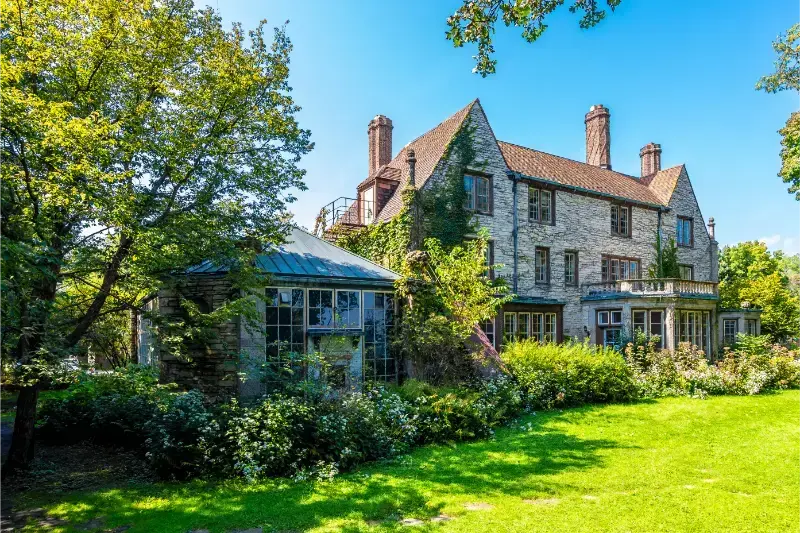
Day 11: St. Simons and the marsh coast
Use the second day for St. Simons, Fort Frederica, beach time or a nature experience. Public parking on St. Simons is generally free except where posted, according to Golden Isles visitor information. End the day with a coastal meal and resist the temptation to add Cumberland Island without its own ferry-planning day.
Day 12: departure or Cumberland Island extension
If flying from Savannah or driving back to Atlanta, use Day 12 as a realistic transfer day. If Cumberland Island is one of the reasons for the trip, add one or two nights near St. Marys instead of forcing it into Day 12 before a flight. NPS recommends ferry reservations and allows booking up to six months in advance to the month; ferry check-in begins one hour before departure.
How to shorten this to 9 days
Use two nights Atlanta, one night North Georgia, one night Macon or skip the Macon overnight, three nights Savannah and two nights Golden Isles. Do not reduce every destination to one night. Remove a region before turning the entire trip into daily packing.
How to extend it to 15 days
Add a third North Georgia night, a dedicated Cumberland Island stage and a slower coastal day. Alternatively add Athens between Atlanta and the mountains or spend more time in Macon for music history. Extra days should deepen regions before expanding the map.
Rental-car strategy
A car is unnecessary for much of central Atlanta and central Savannah but essential for the mountain and coastal transfers. The cleanest solution is often airport rail into Atlanta, rental pickup when leaving the city and then keeping the car through the road-trip stage. One-way rental fees can determine whether it makes financial sense to fly home from Savannah or return to Atlanta.
Luggage and hotel strategy
Use three-night bases where possible. In Savannah and Atlanta, choose hotels that reduce daily transport. In North Georgia, evaluate cabin road access and distance from the town or trailheads you actually plan to use. On the coast, do not split Jekyll and St. Simons into one-night hotel changes unless you have a specific resort reason; the islands are close enough to explore from one base.
Road-trip mistakes to avoid
- Collecting a rental car before Atlanta city days and paying several nights of hotel parking unnecessarily.
- Driving into North Georgia on a Friday evening during peak fall season without traffic margin.
- Arriving at Ocmulgee Mounds close to its 5 p.m. closure and missing the experience.
- Using Savannah as a day trip from Atlanta.
- Treating Tybee, Golden Isles and Cumberland Island as one compact beach zone.
- Booking Cumberland ferry after nonrefundable hotels instead of securing the limited-capacity transport first.
- Scheduling the longest drive on the morning of an important flight.
The route in one sentence
Spend enough time in Atlanta to understand the city, move north for a genuine mountain stage, use Macon to add cultural depth, walk Savannah rather than drive it, and finish with two slow nights on the coast. That sequence gives Georgia a beginning, middle and end instead of a list of famous names.
Continue planning Georgia
- Atlanta Travel Guide
- North Georgia Mountains Guide
- Savannah Travel Guide
- Georgia Coast & Golden Isles Guide
- Best Time to Visit Georgia
- Georgia Travel Guide
Where to stay and how to compare hotels
Compare available accommodation for your dates, budget and preferred location before you finalize your route.
Affiliate disclosure: we may earn a commission from qualifying bookings at no extra cost to you. Compare Atlanta hotels, Savannah hotels and Jekyll Island hotels. Do not compare only the headline nightly rate: parking, resort or destination fees, breakfast, location, transit access and cancellation terms can change the real cost of a stay. In Georgia, the best-value hotel is often the one that removes a daily parking problem or an unnecessary cross-city drive.
Useful official resources
- Explore Georgia
- Ocmulgee Mounds operating hours
- Cumberland Island ferry reservations
- Golden Isles access and parking
Fuel, tolls and practical driving
Georgia road trips are straightforward on major highways, but mountain and island stages reward basic preparation. Keep enough fuel before long scenic loops, download maps for weaker-signal areas and never follow a navigation app onto an obviously unsuitable cabin road simply because it claims to save time. Confirm rental-car toll policies even when the route itself does not depend heavily on toll roads.
Make the road trip resilient
Build one flexible half day into the mountains and coast. That spare capacity absorbs rain, ferry changes, traffic or a museum you enjoy longer than expected. A resilient itinerary is not less ambitious; it is more likely to deliver the experiences that motivated the trip in the first place.