

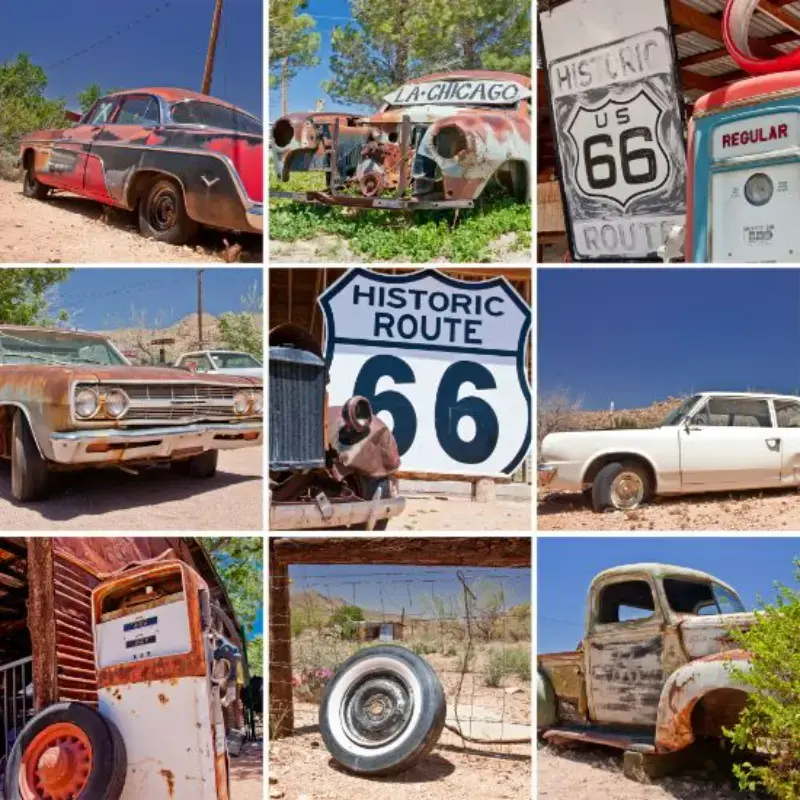
Illinois Route 66 Travel Guide: Chicago to St. Louis, Classic Stops & Planning Tips. Illinois is where historic Route 66 begins, and it is one of the easiest states in which to understand why the highway became an American travel icon. The route leaves Chicago, passes old industrial towns and roadside businesses, crosses farm country through places such as Pontiac and Lincoln, reaches Abraham Lincoln’s Springfield and finishes in southwest Illinois near the Mississippi River and St. Louis. The experience is not about driving the fastest line; it is about deliberately choosing the old alignments and roadside stops that modern interstates bypass.
Why this destination belongs in an Illinois trip
Illinois offers a manageable introduction to Route 66 because the corridor combines major-city attractions, preserved commercial architecture, museums, giant roadside figures, diners and state history within a few days. Enjoy Illinois presents a five-day Route 66 itinerary through Chicago, Joliet, Pontiac, Springfield and the Great Rivers region. You can travel faster, but four or five days gives the road itself time to matter.
What to see and do
Chicago: the beginning
Historic Route 66 begins in downtown Chicago, where travelers commonly photograph the start sign near the lakefront street grid before heading southwest. Spend at least one real day in Chicago before collecting a rental car if this is your first visit; downtown driving is not the best introduction to the city.
Joliet and roadside industrial history
Joliet adds a bridge between metropolitan Chicago and the classic open-road experience. Historic prison architecture, downtown landmarks and old-road businesses show how Route 66 passed through working communities rather than a purpose-built tourist landscape.
Pontiac and central Illinois icons
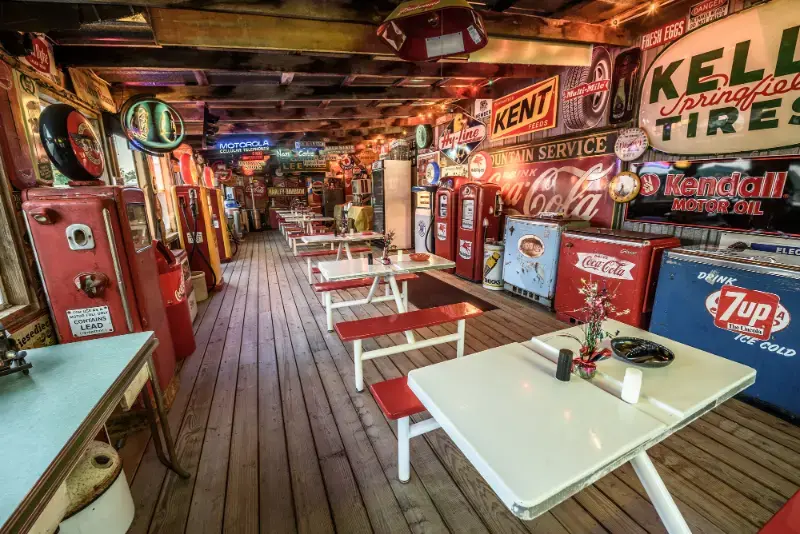
Pontiac’s Route 66 museum, murals and preserved downtown make it a natural overnight or long lunch stop. Nearby towns add roadside giants, restored service stations and small museums. Choose a handful and talk to local volunteers rather than racing between every photo opportunity.
Springfield and Lincoln history
Springfield gives the route unusual historical depth. Lincoln Home, the presidential museum and Old State Capitol can fill a full day before you return to neon signs, diners and roadside culture. This contrast is one of the reasons Illinois Route 66 works so well.
The final Illinois miles and Great Rivers
Southwest Illinois brings the Mother Road close to the Great River Road and the Mississippi. Old bridges, roadside businesses and river landscapes make the final approach to St. Louis more interesting than simply joining the interstate for the last hour.
How many days to allow
For most first-time visitors, one focused day is the minimum and two days is considerably better. A one-day visit should choose one main theme and one secondary experience instead of crossing the area repeatedly. Two days lets you separate the headline sights from neighborhoods, nature or regional history. If this stop sits inside a longer road trip, add a second night whenever it prevents a late drive after a full sightseeing day.
The most common planning mistake is assuming that geographic proximity means every attraction can be combined efficiently. Parking, timed entry, trail conditions, campus events and seasonal operating hours can all slow a day. Build the itinerary around the experience you would be most disappointed to miss, then add flexible stops nearby.
Where to stay
Compare available accommodation for your dates, budget and preferred location before you finalize your route.
A comfortable first Route 66 trip might use Chicago, Pontiac or Bloomington-Normal, Springfield and the Alton/St. Louis area as bases. The exact overnight points matter less than limiting daily mileage. Staying in smaller towns also gives you time to see main streets after day-trippers leave.
If you are comparing accommodation, check the total price, parking policy and cancellation conditions rather than the nightly rate alone. Compare current accommodation options on Booking.com. On road trips, a hotel that saves thirty minutes of backtracking can be worth more than a slightly cheaper room on the wrong side of town.
Getting around
You need a car for the historic route, but do not collect it until you are ready to leave central Chicago if parking costs and traffic do not serve your city itinerary. Historic Route 66 has multiple alignments and modern roads sometimes replace or parallel original pavement, so use a current Route 66 map rather than relying only on standard turn-by-turn navigation.
Download the relevant map before setting out and confirm the exact entrance or parking area for parks and large attractions. In rural Illinois, the address of a visitor center can be more useful than the general attraction name. In cities, parking rules and event closures can matter more than distance. Keeping one flexible hour in the day makes transport problems much easier to absorb.
What and where to eat
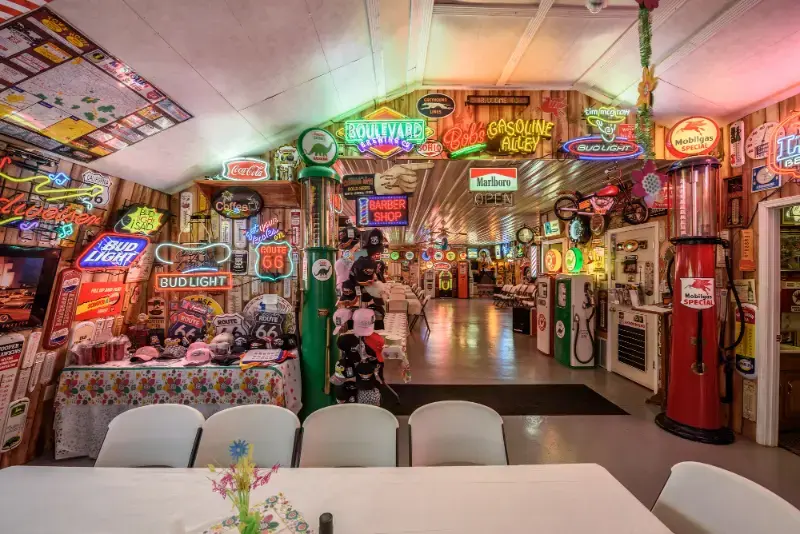
Roadside food is part of the experience: diners, drive-ins, old soda-fountain traditions and local restaurants make natural breaks between museums. Springfield’s Cozy Dog is one well-known stop, but the best plan leaves room for places you discover along the way. Check opening days because small businesses may have limited schedules.
Do not over-schedule meals simply because a restaurant appears on a famous-food list. A good travel day usually needs one planned meal and enough flexibility for coffee, markets or a place discovered on foot. Check opening days for small-town restaurants and seasonal businesses, especially on Sunday, Monday and winter visits.
Best time to visit
Late spring through fall provides the easiest road-trip conditions and the widest attraction schedules. Summer can be hot, while fall offers comfortable driving and harvest landscapes. Winter is possible but seasonal roadside businesses may close or reduce hours, so the route becomes more history-focused and less spontaneous.
Weather in Illinois can shift quickly, so check the local forecast shortly before travel. Outdoor itineraries should always have an indoor alternative, while city trips benefit from a flexible neighborhood or museum option. For parks, current trail and river conditions are more useful than long-term averages.
A practical first-time itinerary
A relaxed five-day outline is Chicago; Chicago to Pontiac via Joliet; Pontiac and central Illinois to Springfield; a full Springfield day; then Springfield through southwest Illinois to the Mississippi/St. Louis area. With only three days, cut stops rather than converting every town into a ten-minute photograph. With a week, add more museums, local main streets and the Great River Road.
Keep the first morning relatively structured and the final afternoon flexible. This protects the most important reservation while leaving room for weather, traffic and discoveries. If an attraction requires a timed ticket, place it before a flexible park, walk or food stop rather than scheduling two hard reservations back to back.
How to combine it with the rest of Illinois
Route 66 naturally continues into Missouri, while Illinois travelers can branch toward Peoria, Galena or Shawnee National Forest for a broader state trip. Do not combine all of those detours into one short itinerary: the Mother Road works because the pace is slower than the interstate.
For statewide planning, return to the Illinois Travel Guide, browse all state guides, or use the Road Trips section when you are ready to link several regions together.
Practical planning notes
- Confirm variable information: opening hours, tour schedules, trail access, parking fees and event calendars can change.
- Use geography: group nearby attractions and avoid crossing the same city or region several times in one day.
- Protect your priority: book the one experience that would be difficult to replace, then keep secondary stops flexible.
- Allow for weather: Illinois trips often combine indoor and outdoor experiences, so keep an alternative ready.
- Respect local places: stay on designated trails, use legal parking and treat historic neighborhoods as communities rather than sets.
Budget and booking strategy
Keep fixed and flexible costs separate. Accommodation, timed tickets, rental cars and major transportation usually deserve early attention; meals, free viewpoints, neighborhood walks and many outdoor stops can remain flexible. Compare the final price rather than the headline rate, including parking, taxes and any property or resort fees. When demand is high, a refundable reservation can protect the itinerary while you continue comparing options. When demand is low, flexibility may be more valuable than booking every detail months ahead.
Accessibility, pace and realistic expectations
Travel comfort depends on more than distance. Historic districts may have uneven sidewalks, parks can involve stairs or unpaved surfaces, and large museums often require more standing than visitors expect. If mobility, heat, young children or fatigue are concerns, reduce the number of stops and confirm accessibility details directly with the attraction. Build regular seated breaks into the day and choose parking or transit based on the person who finds walking most difficult, not the fastest member of the group. A slower itinerary usually produces a better visit than forcing everyone to match an unrealistic checklist.
Official sources and current information
Frequently asked questions
Is this worth an overnight stay?
Usually yes if it is one of the main reasons for your Illinois trip. An overnight lets you experience the area outside the busiest middle-of-the-day period and removes pressure to drive after a full sightseeing schedule. For a minor stop on a longer route, a half-day can work if you deliberately limit the plan.
Do I need to book attractions in advance?
Reserve limited-capacity tours, special exhibitions, major performances and high-demand lodging when those are central to the trip. Parks and self-guided walks usually allow more flexibility, but current access and parking conditions still deserve a check shortly before arrival.
Can I visit as a day trip from Chicago?
That depends on driving time and what you want to experience. A place that is technically reachable in a day may still be much better with an overnight if the round-trip drive consumes several hours. Chicago itself is best explored without repeatedly leaving and re-entering the city during the same stay.
Related Illinois travel guides
-
Chicago Architecture Guide: River Cruises, Skyscrapers, Frank Lloyd Wright & Walking Tours
Explore Chicago architecture with river cruises, Loop landmarks, Frank Lloyd Wright sites, walking tours and a practical one-day or two-day plan.
-
Best Day Trips from Chicago: Parks, Small Towns, Architecture & Lake Michigan
Best Day Trips from Chicago: Parks, Small Towns, Architecture & Lake Michigan. Practical planning, highlights, timing, where to stay and tips for building a better Illinois trip.
-
Route 66 Illinois Road Trip: Chicago to the Mississippi with the Best Stops and Practical Tips
A practical Illinois Route 66 guide for travelers who want the Mother Road experience without turning every roadside marker into a mandatory stop.
-
Best Things to Do in Chicago: 25 Essential Experiences for a First Visit
A priority-ranked Chicago sightseeing guide that helps first-time visitors choose what is genuinely worth their time and how to group attractions efficiently.
-
Best Things to Do in Chicago: Architecture, Museums, Lakefront & Neighborhoods
Best Things to Do in Chicago: Architecture, Museums, Lakefront & Neighborhoods. Practical planning, highlights, timing, where to stay and tips for building a better Illinois trip.
-
Where to Stay in Illinois: Best Bases for Chicago, Route 66, Starved Rock and Southern Illinois
A base-by-base Illinois lodging guide that focuses on drive efficiency, parking, evening atmosphere and which destinations actually justify changing hotels.