

Destinations › Northeast › New York › New York City › NYC Tips & Mistakes to Avoid
New York is easier when you understand a handful of local systems before arriving. Most first-trip mistakes are not dramatic; they are small inefficiencies that accumulate—choosing a hotel far from useful subway lines, entering an express train without checking the stops, paying for a fake ferry ticket, booking attractions across Manhattan 30 minutes apart, or walking 25,000 steps on day one and hating day two.
The three biggest rules: plan by neighborhood, use subway + walking as your default, and book fewer timed attractions than you think you can handle. New York days take longer than maps suggest because stations, crowds, security, elevators, meals and walking inside attractions all add hidden time.
1. Group attractions geographically
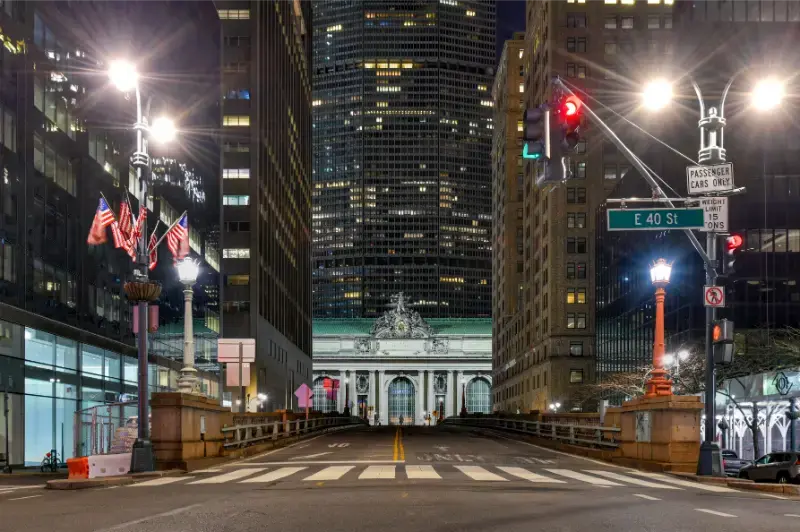
The city is not a checklist arranged in a convenient order. Put Lower Manhattan with the 9/11 area, Battery and possibly Brooklyn Bridge. Put Rockefeller Center, MoMA, Grand Central and Fifth Avenue in a Midtown cluster. Put Central Park with The Met or AMNH. The single best itinerary trick is to stop crossing Manhattan unnecessarily.
2. Learn local vs express trains before your first ride
An express train can save time only when it stops where you need. On several lines, local and express services share colors but use different route letters/numbers and platforms. Read the station signs and live service information, not just the colored line on a tourist map. A wrong express can carry you many stops past your destination.
3. Use the same OMNY payment method
In 2026, the base subway/local bus fare is $3 and the OMNY weekly fare cap is $35 for eligible rides. Use the same physical contactless card, phone wallet or OMNY card consistently. Switching between your phone and the physical version of the same bank card can be treated as different payment credentials and can prevent your rides from counting together toward the cap.
4. Do not buy a MetroCard plan from an old blog
OMNY is now the system visitors need to understand. Old articles and videos can still rank in search results long after fare media changes. Use MTA/OMNY as the final authority for current fare rules, transfers and caps.
5. Keep right and do not stop at the top of stairs
New York etiquette is mostly about flow. Do not block subway doors while checking your phone, stop suddenly at the top of an escalator, or spread a group across a busy sidewalk. Step aside first. This small habit makes you feel less stressed and keeps commuters from having to navigate around you.
6. Your hotel neighborhood matters more than “central Manhattan”
A hotel can look close on a map but require awkward transit. Check the nearest subway lines, whether they serve the places you plan to visit, and the walk from the station at night. Midtown is convenient but not mandatory; Long Island City, Downtown Brooklyn and other areas can work well when transit is strong.

7. Do not drive in Manhattan for normal sightseeing
Traffic, parking and the congestion-pricing zone make a rental car an unnecessary burden for most visitors. If your trip continues into Upstate New York or New England, rent the car when you leave the city, not when you land. Airport taxis/rail and public transport cover the city portion better.
8. Understand airport geography before booking transfers
JFK, LaGuardia and Newark are not interchangeable. The best airport depends on airline, final neighborhood, arrival time and group size. JFK pairs well with AirTrain + LIRR/subway; LaGuardia uses bus connections including the free Q70 to subway/LIRR; Newark connects by AirTrain/rail but service interruptions can occur. Re-check official airport transit notices before travel.
9. Never pay for a Staten Island Ferry ticket
The public Staten Island Ferry is free. Sellers around Lower Manhattan may offer sightseeing cruises that are legitimate products, but they are not required to ride the Staten Island Ferry. If somebody frames a paid ticket as necessary for the public ferry, walk away.
10. The JFK taxi “flat fare” is not the full total
The regulated yellow-cab base flat fare between JFK and Manhattan is $70, but surcharges, congestion-related charges, tolls and tip can increase the final price. This is why comparing the full expected cost—not only the headline flat fare—matters. Use official NYC TLC fare rules.
11. Do not stack timed tickets
An 11 a.m. museum, 2 p.m. observation deck and 4 p.m. ferry may look possible in a spreadsheet. It can collapse after one security line, lunch delay or subway disruption. One morning anchor and one afternoon/evening anchor is a healthier structure. Everything between them should be flexible.
12. Build a bad-weather version of each day
Rain does not ruin New York, but it changes walking-heavy routes. Save a museum, food hall, station/terminal, indoor observation option or shopping district as a substitute. Do not automatically move every museum to the same rainy afternoon; thousands of other visitors have the same idea.
13. Observation decks are not all the same
Choose based on what you want in the view. Top of the Rock is strong for the Empire State Building; One World for Lower Manhattan/harbor; Edge for outdoor Hudson-facing drama; SUMMIT for an immersive experience. One deck plus free skyline viewpoints is enough for most visitors.

14. Comfortable shoes are not a cliché
A “light” NYC day can reach 15,000 steps. Museums add hidden indoor miles and subway stations add stairs. Rotate shoes if possible, treat blisters early and schedule seated meals instead of standing snacks all day. Physical comfort is an itinerary variable, not an afterthought.
15. Leave Times Square after you have seen Times Square
Times Square is worth seeing once, especially after dark. It is not a neighborhood that needs half a sightseeing day unless you are attending Broadway or have a specific reason. Walk through, absorb the sensory overload, then continue to Hell’s Kitchen, Bryant Park, Rockefeller Center or another part of Midtown.
16. Eat near attractions, not necessarily beside them
Walking five or ten minutes away from the most concentrated tourist blocks dramatically improves options. Save restaurants by neighborhood before the trip so you are not making every meal decision while hungry. Reservations matter for popular dinner spots, but overbooking meals can make the day as rigid as overbooking attractions.
17. Avoid sidewalk scams and unofficial character/photo surprises
Costumed characters, CD/bracelet approaches and aggressive “free” offers can turn into payment pressure. If you pose for a photo, discuss any expected payment before the photo. Do not let strangers place objects in your hands. A polite firm no and continued walking is usually sufficient.
18. Check service changes at night and weekends
The subway runs 24/7, but construction and maintenance often change late-night/weekend routes. A line that worked perfectly on Tuesday morning may be rerouted Saturday night. Use the official MTA app/site before long or time-sensitive trips.
19. Museums need priorities
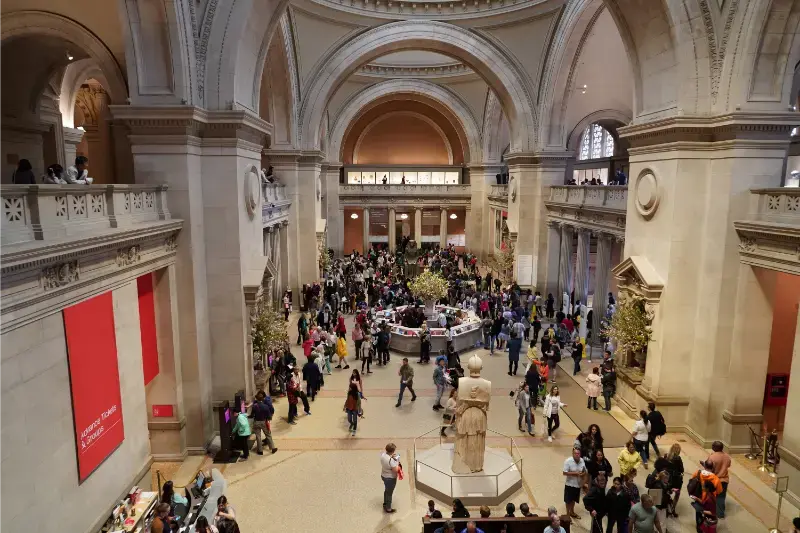
The Met and AMNH are enormous. “See the whole museum” is not a useful goal. Pick three or four departments/halls, take a break and leave when attention drops. You will remember more and preserve energy for the neighborhood outside.
20. Keep one unscheduled block
New York is unusually good at generating spontaneous plans: a market, small gallery, neighborhood street, bookstore, sunset or restaurant recommendation. An itinerary with zero empty space prevents you from saying yes to the city you actually encounter.
Fast checklist before leaving the hotel each morning
- Check weather and MTA service.
- Confirm only the timed reservations that matter.
- Group the day on one side/zone of Manhattan when possible.
- Carry a battery pack; navigation drains phones.
- Have one backup meal and one backup indoor stop.
- Know the return route to your hotel before late evening.
- Wear shoes appropriate for the actual mileage, not the photos.
Frequently asked questions
What is the biggest NYC mistake?
Trying to do too much while zigzagging the city. Geography and realistic time matter more than the number of attractions you can list.
How many attractions per day?
Two major anchors is a good maximum for many visitors, plus flexible neighborhood stops. Three can work when they are adjacent and one is short.
Do I need cash?
Cards/contactless payments are widespread, but carrying a modest amount of cash is still useful for small businesses, tips or rare payment situations. Do not carry large unnecessary amounts.
Official planning sources
Continue planning New York City
- NYC Subway Guide
- NYC Airports Guide
- NYC Taxi Guide
- Where to Stay in NYC
- 3 Days in NYC
One final planning principle applies especially well to NYC Tips & Mistakes to Avoid: leave a little unused time. New York rewards curiosity, and the memorable part of a day is often the block you did not expect, the gallery you stayed in longer than planned, or the view that made you stop walking. A good plan protects those moments instead of eliminating them. Build around one or two anchors, understand the logistics, and keep enough flexibility to follow what interests you once you are there.
Looking for the right place to stay? Compare hotels and accommodation on Booking.com.