

Sacramento is easy to underestimate because it sits between California’s biggest tourism magnets. San Francisco, Lake Tahoe, Napa and Yosemite often dominate itineraries, while the state capital becomes a place travelers pass through. That is a mistake if you enjoy food, history, museums, rivers and a city that feels far less performative than many major California destinations.
Sacramento works especially well for one or two nights on a Northern California road trip. The compact central area combines the State Capitol, Midtown restaurants, Old Sacramento Waterfront and museums, while the surrounding region connects to Gold Country, farm country and wine areas. Visit Sacramento promotes the city as America’s Farm-to-Fork Capital, and food is one of the strongest reasons to stay overnight rather than simply tour the Capitol.
Compare available accommodation for your dates, budget and preferred location before you finalize your route.
Sacramento at a glance
| Question | Best answer |
|---|---|
| How long? | 1–2 nights for a first visit; 3 if adding museums, river activities or day trips. |
| Best base? | Downtown/Midtown for walkability and restaurants. |
| Car needed? | Not for a compact central visit; useful for regional day trips. |
| Best season? | Spring and fall for comfortable weather; summer is hot, winter can be cool/rainy. |
| Best for? | California history, food, museums, families, road-trip stopovers. |
California State Capitol and Capitol Park
The Capitol is the obvious first stop, but the surrounding park is part of the experience. Mature trees, memorials and government buildings make this a pleasant orientation walk. Access, tours and security procedures can change around legislative activity or events, so check official visitor information before arriving.
A Capitol visit also gives context to the rest of California: water policy, development, agriculture, infrastructure and public lands are not abstract topics when you are standing in the state capital.

Old Sacramento Waterfront
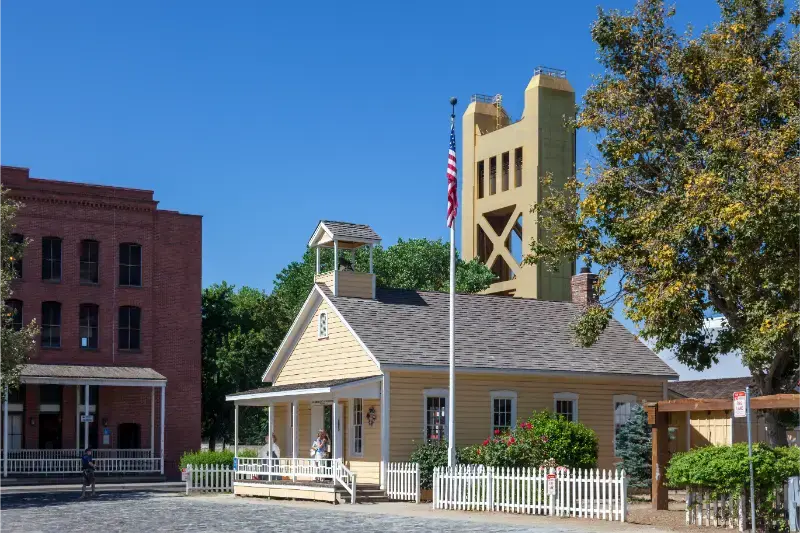
Old Sacramento preserves a Gold Rush-era commercial district along the Sacramento River, with historic buildings, wooden sidewalks, museums, restaurants and riverfront access. It is tourist-oriented, but that does not make it disposable. Visit early or late in the day when the streets are calmer, then combine the district with the California State Railroad Museum.
California State Railroad Museum
This is one of Sacramento’s strongest family attractions and one of the best transportation museums in the West. Large locomotives and rail cars make the exhibits visually accessible even to visitors who are not dedicated rail enthusiasts. The museum also explains how railroads transformed California migration, commerce and urban growth.
Midtown: where Sacramento feels most local
Midtown is the best counterpoint to the historic waterfront. Tree-lined streets, restaurants, cafes, murals, bars and residential architecture give you a more contemporary view of the city. For many adults traveling without children, this is the area that turns Sacramento from a sightseeing stop into an enjoyable overnight.
Why Sacramento calls itself Farm-to-Fork Capital
The Sacramento region sits close to some of the country’s most productive agricultural land. That proximity shapes farmers markets, restaurant sourcing and the city’s food identity. Visit Sacramento continues to use ‘America’s Farm-to-Fork Capital’ as a core destination theme in 2026, and the idea is more useful as a way to eat than as a slogan to photograph.
Do not over-plan specific restaurants months in advance unless they are destination dining. Build at least one meal around seasonal California produce and leave another flexible for whatever neighborhood you are exploring.
Crocker Art Museum
The Crocker Art Museum provides an excellent indoor block on hot summer afternoons or winter rain days. Its collections and architecture make it useful even in a short itinerary. Pair it with Old Sacramento or a river walk rather than driving across the region for a single indoor stop.
The rivers and outdoor Sacramento
The American and Sacramento rivers shape the city physically and recreationally. Bike paths, parks and river corridors provide a different experience from the governmental downtown. In hot weather, early mornings are much more comfortable for cycling or walking.
Where to stay
| Area | Best for | Notes |
|---|---|---|
| Downtown | Capitol, Old Sacramento, first visit | Walkable to major sights; business-district feel in some blocks |
| Midtown | Restaurants, nightlife, local atmosphere | Best all-round adult base |
| Old Sacramento / riverfront | Historic setting, families | Touristy but atmospheric |
| East Sacramento | Residential feel | Better if you have a car and want quieter evenings |
Compare accommodation: compare hotels and other stays on Booking.com.
A 2-day Sacramento itinerary
| Day | Morning | Afternoon / evening |
|---|---|---|
| 1 | Capitol + Capitol Park | Midtown lunch, Crocker or murals, Midtown dinner |
| 2 | Old Sacramento + Railroad Museum | Riverfront walk; depart toward Napa, Tahoe or Gold Country |
Sacramento with kids
The Railroad Museum is the strongest anchor, but children also benefit from a slower schedule along the waterfront and river. In summer, heat is the main planning constraint. Put outdoor walking early, use museums during the hottest period and avoid building a family day around long midday walks between parking areas.
Best day trips and onward routes
- Gold Country: foothill towns and California Gold Rush history east of Sacramento.
- Lake Tahoe: logical next destination, though mountain traffic and winter chain controls matter. See our Lake Tahoe guide.
- Napa Valley: southwest of Sacramento and easy to combine on a wine-country itinerary. See our Napa Valley guide.
- Lassen Volcanic: Sacramento is a useful gateway; NPS describes Lassen as roughly three hours northeast of the city.
Sacramento vs San Francisco as a gateway
Sacramento International Airport can be an excellent gateway for Tahoe, Gold Country, Lassen and some Sierra itineraries. It is smaller and often easier to navigate than the Bay Area’s busiest airports. San Francisco is better if the city itself or the coast is central to your trip.
For a one-way California road trip, flying into one and out of the other can reduce backtracking, but always price rental-car drop fees before committing.
2026 context
Visit Sacramento’s 2026 tourism messaging continues to emphasize food, local markets, murals, Gold Rush-era attractions and riverfront experiences. The destination also benefits from being a practical stop rather than an over-scheduled one: it is a city where a good meal and a neighborhood walk can be as important as a marquee attraction.
Official resources
- Visit Sacramento — official food, attractions, events and visitor guide.
- California State Capitol Museum — current visitor information and tours.
Sacramento fits particularly well after wine country or before the Sierra. If your route continues east, use our Lake Tahoe travel guide; if you are heading south through the state, return to the California Travel Guide for regional planning.
Summer heat and how to plan around it
Sacramento summers can be very hot, especially in the afternoon. Start outdoor sightseeing early, move museums and long lunches into the hottest hours, and return outside in the evening. The city’s tree canopy helps in many neighborhoods, but it does not eliminate heat exposure.
Hydration and hotel location matter more than squeezing in another attraction. A central hotel lets you break the day without driving and makes Sacramento much more pleasant during hot weather.
A practical planning checklist
- Check official road, weather and operating conditions again 48–72 hours before travel.
- Keep at least one flexible block in the itinerary for traffic, weather or an attraction closure.
- Download offline maps and reservation confirmations before entering low-signal areas.
- Avoid stacking a long transfer, a timed attraction and a late hotel check-in on the same day.
- Recheck parking rules and opening hours on the morning of high-demand activities.
California trips work best when the itinerary distinguishes fixed reservations from flexible sightseeing. Reserve the experiences that truly need a time slot, then leave enough unscheduled space to adapt. That approach is especially valuable on coastal, mountain and desert routes where conditions can change faster than the travel plan.
Gold Country as a Sacramento extension
Sacramento is one of the best urban gateways to California Gold Country. Towns such as Auburn, Placerville and Nevada City can add historic streets, foothill scenery and a slower overnight before Lake Tahoe or the Sierra. Choose one corridor rather than zigzagging among every Gold Rush name on the map.
This is also where a rental car becomes much more useful. Central Sacramento can be explored without one, but foothill towns and outdoor sites are not connected by the same easy city transit.
Sacramento for food-focused travelers
Food travelers should give the city at least one evening beyond the historic waterfront. Midtown and surrounding neighborhoods have a much broader dining identity, and farmers markets can be a strong morning activity when schedules align. Seasonal produce is part of the appeal, so menus and market offerings change throughout the year.
The best Sacramento meal is not necessarily the most expensive one. Look for restaurants that make use of regional produce, local growers and the city’s multicultural communities rather than treating Farm-to-Fork as a luxury-only label.
How to make this stop fit a larger California itinerary
The most successful California itineraries are built around geographic clusters rather than a list of famous names. Keep nearby experiences together, allow a realistic transfer day when moving between regions and avoid reserving every hour. A flexible afternoon can absorb traffic, weather, road closures or simply the desire to stay longer somewhere that exceeds expectations.
Before departure, review the California state hub and the linked regional guides to make sure the stop sits naturally between the destinations before and after it. If adding this article’s destination creates a long out-and-back detour, it may belong on a future trip rather than the current one.