

Saint Paul Minnesota Travel Guide: History, Museums, Neighborhoods & Mississippi River. Saint Paul is the quieter half of the Twin Cities only in the sense that its appeal is less concentrated in a single entertainment district. Minnesota’s capital combines government architecture, Victorian streets, museums, river bluffs and neighborhoods with strong cultural identities. It rewards travelers who walk slowly, use the Mississippi as a geographic reference and allow enough time for places such as Summit Avenue, Cathedral Hill, Lowertown and Como Park rather than treating the city as a quick side trip from Minneapolis.
Why this destination belongs in a Minnesota trip
Saint Paul adds a different texture to a Minnesota itinerary. Minneapolis often feels more contemporary and lake-oriented, while Saint Paul presents older streetscapes, civic institutions and a closer relationship with the river bluffs. The two cities share transit and an airport, so combining them is easy, but each deserves its own day. Saint Paul is also an excellent bad-weather city because museums, history and food can carry a full itinerary when outdoor plans are less comfortable.
Essential places and experiences
Minnesota State Capitol
The State Capitol is one of the city’s defining landmarks and a logical place to begin understanding Saint Paul’s role as Minnesota’s capital. Tours and public access depend on current schedules, so check official information rather than assuming every interior space is open. Pair the Capitol with nearby government buildings and the Minnesota History Center to turn the area into a coherent half-day rather than a single photo stop.
Cathedral of Saint Paul and Cathedral Hill
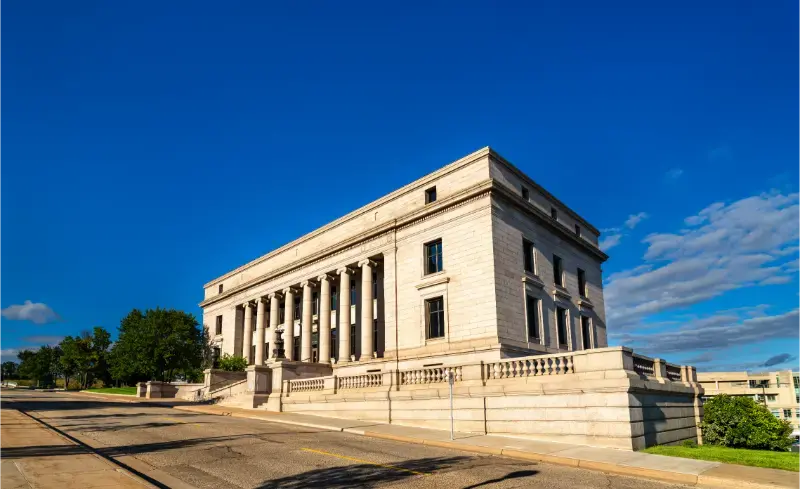
The cathedral dominates the skyline from its hilltop location and works naturally with a walk through Cathedral Hill. The surrounding streets offer historic architecture, cafés and restaurants, creating a slower experience than a sequence of ticketed attractions. Visitors should remember that this is an active place of worship; sightseeing access can change for services and events, so build some flexibility into the timing.
Summit Avenue
Summit Avenue is one of the most memorable places to walk or drive slowly through Saint Paul because its historic homes and tree-lined character reveal a different side of the city. The James J. Hill House provides deeper historical context for travelers interested in the Gilded Age and railroad history. Rather than trying to cover the entire avenue, choose a manageable section and combine it with Grand Avenue or Cathedral Hill.
Science Museum of Minnesota and river views
The Science Museum sits close to the Mississippi and is a strong family and bad-weather option. Its location also makes it easy to connect museum time with riverfront viewpoints and downtown. Families should check current exhibits and timed-entry requirements before travel, while adults without children can still find the museum worthwhile if natural history, technology or regional science interests them.
Lowertown, downtown and Landmark Center
Downtown and Lowertown mix historic buildings, performing arts, restaurants and event venues. Landmark Center gives the district an architectural anchor, while nearby streets lead toward the river and the Union Depot area. The best approach is to use this as an evening or half-day district and check what events are taking place, because game nights and concerts can change parking and restaurant demand dramatically.
Como Park Zoo & Conservatory
Como Park is one of Saint Paul’s most useful family-friendly escapes and also works for adults who want greenery and a less urban block of the day. The conservatory creates a warm indoor contrast during cold months, while the broader park is better in pleasant weather. Check current admission, donation and reservation policies before visiting because operations can change over time.
Where to stay
Compare available accommodation for your dates, budget and preferred location before you finalize your route.
Downtown is practical for first-time visitors focused on museums, events and river access. Cathedral Hill and areas near Summit or Grand Avenue offer a more residential atmosphere with restaurants and historic streets, while Lowertown works well for travelers who like converted buildings and easy access to Union Depot. If your trip includes Minneapolis every day, compare hotels near a transit corridor rather than choosing solely by city label; the Twin Cities function as one metro even though the visitor experience is distinct.
Compare current accommodation options for Saint Paul Minnesota and choose a base that fits the actual shape of your itinerary.
Check hotels and staysHow long to stay and how to structure the visit
One full day is enough for a focused introduction, but two days let Saint Paul feel like a destination instead of a checklist. Use the first day for the Capitol, history, Cathedral Hill and Summit Avenue, then the second for riverfront museums, Como Park and neighborhood food. Travelers attending a game, concert or festival should count the event as a major block and avoid squeezing an entire sightseeing plan around it.
A shorter visit
For a single day, start around the Capitol and Minnesota History Center, continue toward Cathedral Hill and Summit Avenue, then finish downtown or Lowertown near the river. If traveling with children, replace part of the historic route with the Science Museum or Como Park rather than trying to do everything.
With more time
With a second day, explore Como Park, one culturally distinctive neighborhood and a longer Mississippi River segment. A third day is better spent in Minneapolis rather than repeating central Saint Paul sights, unless you have a specific event or a deep interest in architecture and history.
Getting there and getting around
Saint Paul is linked to Minneapolis and MSP airport by the regional transit network. The Green Line connects the downtowns, and buses cover many neighborhoods, though transit times can be longer for attractions away from the main corridors. A car is useful for a multi-stop metro itinerary but not mandatory for a central weekend. Event parking can fill quickly, so check venue guidance and avoid assuming that the closest garage will also be the easiest departure after a game or concert.
Best time to visit
| Season | What to expect |
|---|---|
| Spring | Cool and changeable weather, with improving walking and cycling conditions as the season progresses. |
| Summer | Long daylight, festivals and the broadest access to outdoor spaces, with weekends often busier around lakes and events. |
| Fall | Crisp weather and foliage; temperatures can change quickly and northern Minnesota cools earlier than the Twin Cities. |
| Winter | Cold, snow and ice are normal travel conditions, but museums, food, indoor attractions and winter recreation keep trips viable. |
Saint Paul has a strong winter identity, including seasonal events and indoor cultural attractions, so cold weather does not eliminate the destination. Spring and fall are excellent for historic-neighborhood walking, while summer brings festivals and more riverfront time. Because the city hosts major events, the event calendar can affect hotel prices and parking even when the broader tourism season is quiet.
Food, local character and slower travel
The city’s food scene is strongest when you explore neighborhoods rather than search for one universal Saint Paul specialty. Hmong, Southeast Asian, East African, Mexican and long-established Midwestern communities all shape the dining landscape. University Avenue, Little Mekong, West Side and Grand Avenue can each create a different meal experience. Match restaurants to the day’s geography so food becomes part of the neighborhood visit rather than another cross-town drive.
Families, accessibility and different travel styles
Saint Paul works well for families because the Science Museum, Minnesota Children’s Museum, Como Park and riverfront spaces can be mixed with shorter historic stops. Adults traveling without children can emphasize architecture, museums, theater and food. Check individual accessibility information for historic homes and older buildings, and remember that snow or ice can make otherwise simple walking routes more demanding in winter.
Reservations, costs and practical planning
Reserve event tickets and high-demand weekend accommodation first. Museum entry and tours may use timed systems, so check current policies. If you plan to split time between both Twin Cities, choose the hotel based on the experiences you care about most rather than assuming that one downtown is equally convenient for everything. Parking is usually manageable with planning, but major events around downtown venues can temporarily change the equation. Before the trip, save the official pages for Saint Paul Minnesota Travel Guide on your phone and recheck them shortly before departure. Opening patterns, construction, weather alerts and seasonal services can change more quickly than evergreen travel advice.
Weather, safety and what to pack
Riverfront wind, winter cold and summer thunderstorms are the main practical variables. Dress in layers and wear footwear that works for hills and potentially slippery sidewalks. In warm months, carry water during longer Summit Avenue or river walks. If severe weather is forecast, move museums earlier and leave parks flexible rather than forcing an outdoor schedule simply because the itinerary says so.
How to combine this stop with the rest of Minnesota
Minneapolis is the obvious pairing and deserves at least one separate day. Mall of America is easy to combine with the Twin Cities when weather is poor or families want a dedicated entertainment block. For a broader Minnesota road trip, Saint Paul is usually the final urban stop before heading toward Duluth, the North Shore or central lake country.
Common planning mistakes to avoid
- Seeing only downtown and missing Summit Avenue or neighborhood areas
- Trying to combine a full Minneapolis day and full Saint Paul day into one
- Ignoring game and concert schedules when planning parking
- Assuming historic buildings have identical access hours every day
- Treating winter conditions as a minor inconvenience instead of a planning factor
A practical first-time strategy
Use Saint Paul as a history-and-neighborhood counterpoint to Minneapolis. Build the day around two geographic clusters rather than six disconnected attractions. The city becomes much more satisfying when you have time to walk, notice architecture and stop for food instead of repeatedly getting in the car. Leave one block of the day deliberately unscheduled. That empty space is useful for weather, parking delays, a meal that runs long or a place that turns out to deserve more time than expected.
Architecture and neighborhood pacing
Saint Paul rewards slow observation. Historic streets, civic buildings and neighborhood commercial corridors are not experiences that improve when compressed into ten-minute stops. Build walking time into the schedule, especially around Summit Avenue, Cathedral Hill and the river bluff. In winter, shorten outdoor segments and warm up in museums, cafés or indoor attractions instead of trying to preserve a summer walking pace.
Frequently asked questions
Is Saint Paul worth visiting if I am staying in Minneapolis?
Yes. The cities share a metro area but offer different history, architecture, neighborhoods and riverfront experiences. At least one dedicated Saint Paul day is worthwhile on a longer Twin Cities trip.
How much time do you need in Saint Paul?
One day covers the main civic and historic sights; two days are better for museums, Como Park and neighborhood exploration.
Can you visit Saint Paul without a car?
Yes for a central itinerary using rail, buses and rideshare. A car becomes more convenient when you want several outer-neighborhood or park stops in the same day.
Compare current accommodation options for Saint Paul Minnesota and choose a base that fits the actual shape of your itinerary.
See current accommodation options