

Destinations › Southwest USA › Texas travel guide › San Antonio Travel Guide: How to Plan Your Trip
San Antonio rewards travelers who look beyond a single Downtown loop. The Alamo and central River Walk are important, but the city’s deeper story continues through four active mission communities, Mexican American culture, museums, Pearl and neighborhoods connected by different river reaches.
This guide builds a respectful first visit and links to the best things to do in San Antonio for attraction detail.
At a glance
| Best length | 3 days |
| Best first base | Downtown or near the central River Walk |
| Car | Optional Downtown; useful for outer attractions |
| Key historic area | San Antonio Missions World Heritage Site |
| Broad best seasons | Spring and fall, with event checks |
How to plan San Antonio by district and theme
The Alamo area
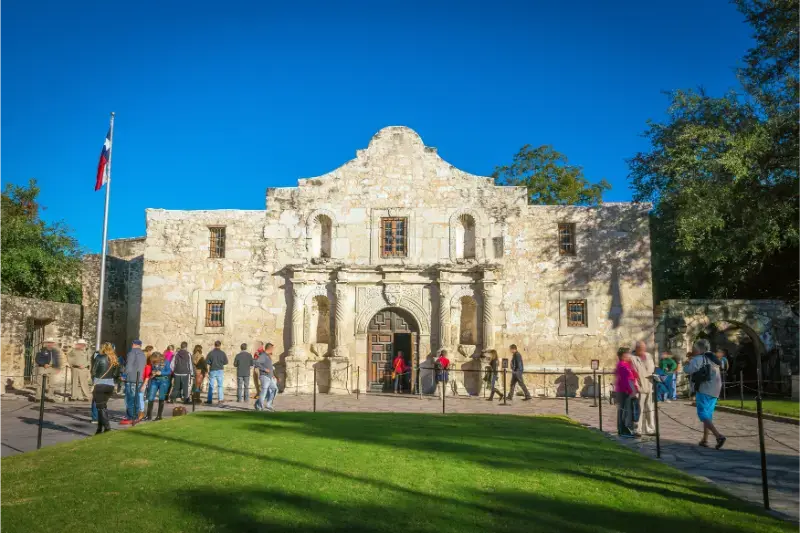
Reserve the current experience needed and allow time for interpretation. The church is only part of the battlefield and city history.
Downtown River Walk
The commercial central reach combines boats, restaurants and hotels. Walk early for calm, then return at night for atmosphere if desired.
Mission Reach
Trails and restored river landscape connect the NPS missions south of Downtown. Distance, sun and return transport require planning.
Museum Reach and Pearl
North of Downtown, public art, museums and Pearl create a different river experience. Combine them geographically.
Historic Market Square
Food, shops and cultural events make a lively stop. Distinguish locally made work from generic souvenirs and check event schedules.
King William and Southtown
Historic architecture, galleries and restaurants reward walking. Respect homes, private porches and neighborhood parking.
Museums
The Witte, San Antonio Museum of Art, McNay and family institutions serve different interests. Choose one major museum per half day.
Food and culture
Tex-Mex is central but not the entire food story. Explore regional Mexican, barbecue, German, contemporary and neighborhood traditions.
Family attractions
Zoos, interactive museums and theme parks can fill full days. Check age, height, weather and transport before adding them to a history itinerary.
Regional extensions
Hill Country, New Braunfels and natural areas can extend a stay. River and cave attractions require current conditions and reservations.
Practical planning advice
Three-day structure
Use day one for the Alamo and Downtown river, day two for the missions, and day three for Pearl, a museum or a family priority.
Getting around
Downtown is walkable in sections, while missions and outer attractions need transit, cycling, rideshare or a car. Heat changes walking distance.
Respect living missions
The churches remain active communities. Dress and behave appropriately, avoid interrupting services and use NPS interpretation.
Official planning
Check Visit San Antonio and National Park Service mission information before the visit.
Where to stay
Compare available accommodation for your dates, budget and preferred location before you finalize your route.
Choose Downtown for first-time convenience or another district for a specific style. Affiliate disclosure: we may earn a commission from qualifying bookings at no extra cost to you. Compare San Antonio hotels by final cost and parking.
Frequently asked questions
How many days do I need?
Three days cover Downtown, the missions and one additional district or museum.
Do I need a car?
Not for a compact Downtown stay, but it helps with missions and outer attractions.
Is the River Walk only Downtown?
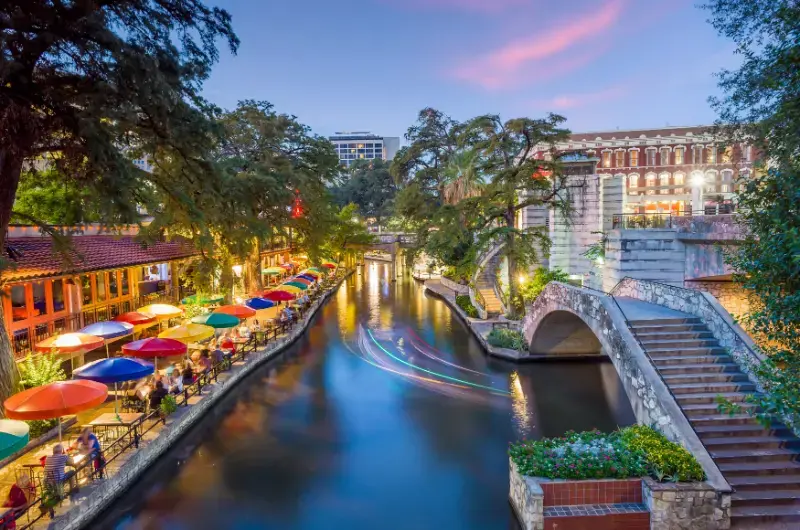
No. Museum Reach and Mission Reach have different character and uses.
Is San Antonio family-friendly?
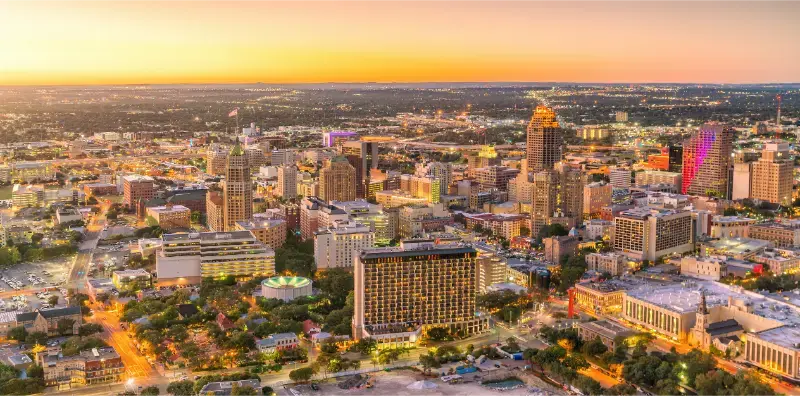
Yes, with strong museums, parks and major attractions selected by age.
What should I reserve?
Check Alamo experiences, popular events, theme parks and limited tours first.
Turn priorities into a daily route
Choose The Alamo area and Downtown River Walk as the day’s anchors, then place meals, parking and flexible stops around them. Texas cities and landscapes reward geographic focus. This approach protects the main experience if traffic, heat or a long queue changes the schedule, and it prevents an apparently simple map from becoming several hours of avoidable driving.
Allow a realistic time buffer
Travel time does not include parking searches, security, walking from a garage, photographs, food or visitor-center conversations. Add a buffer before fixed reservations and avoid placing a nonrefundable evening immediately after a rural transfer. Spare time becomes a relaxed neighborhood walk; a delayed day remains recoverable.
Check reservations in the right order
Secure state-park entry, limited tours, major performances and scarce lodging before flexible museums or public spaces. Recheck confirmation emails for arrival instructions, parking, age rules and cancellation deadlines. Admission and a timed reservation are not always the same product.
Build the budget from total cost
Include accommodation taxes, parking, tolls, fuel, rental-car fees, meals and local transport. A cheaper suburban room can cost more after daily commuting, while a central hotel can remove the need for a car. Compare the entire day rather than the room rate alone.
Use weather as a decision tool
Texas weather can change quickly and varies by region. Check heat, thunderstorms, flash-flood risk, wind, air quality and coastal alerts. Move activity earlier, shorten a route or use a museum backup when conditions deteriorate. Flexibility is part of responsible planning.
Plan for different mobility levels
Choose the day around the least mobile or least heat-tolerant traveler. Provide seated breaks, accessible alternatives and a clear meeting point. Historic surfaces, river paths, large museums and festival crowds can change accessibility, so confirm details directly.
Travel responsibly
Stay on public or designated surfaces, pack out waste, respect active religious sites and never trespass for a photograph. Support local businesses, learn the history behind the attraction and follow water, wildlife and fire rules. Slower observation usually creates a better trip.
Keep one appealing backup
Select a nearby alternative for the activity most exposed to heat, storms, sold-out parking or closure. A museum, neighborhood meal or shorter official trail should preserve the day’s theme without creating another long drive.
Final check before departure
Forty-eight hours before the experience, verify official alerts, road conditions, opening hours and reservation details. Confirm the hotel address, parking instructions and realistic arrival time. Check again that morning and change the order when conditions require it.
Treat Texas distance as part of the experience
A long transfer is not empty space: it requires fuel, food, rest and attention. Identify a worthwhile legal stop and the last reliable service before departure. Avoid adding a remote detour merely because the route appears close at statewide map scale.
Plan meals before the group is hungry
Popular restaurants can sell out, close between services or require long waits. Choose one priority meal and keep a nearby alternative. On rural routes, carry food rather than assuming the next town will have an open kitchen after an evening arrival.
Check event pressure, not only attraction hours
A football game, festival, convention, rodeo or university weekend can transform hotel rates, traffic and parking across a city. Compare the local calendar with the itinerary before confirming a nonrefundable stay, even when the event itself is not part of the trip.
Use the car strategically
Keep the vehicle for regional days and outer attractions, but avoid moving it between nearby central stops when walking or local transport is easier. Photograph the parking location, remove valuables and understand toll and garage payment before leaving the car.
Protect the next day
Finish a long route early enough to eat, check in and rest. A late arrival after heat, traffic or hiking often damages the following morning more than removing one minor stop. Strong itineraries preserve energy across the whole trip rather than maximizing each individual day.
Read rules for the exact place
A national park, state park, city trail, private attraction and active church can sit close together while following different rules. Verify the responsible authority for parking, pets, drones, photography and reservations instead of applying one policy to the entire region.
Carry essential information offline
Save the route, hotel address, confirmation numbers and emergency contacts before leaving reliable service. A paper note or screenshot can solve a simple problem when a phone overheats, loses signal or runs out of power during a rural or festival day.
Build the day around shade and recovery
Shade, air conditioning and seated breaks are itinerary resources in Texas. Alternate exposed activity with indoor interpretation, place the longest walk before peak heat and avoid assuming that a restaurant queue will provide a comfortable rest.
Continue planning your Texas trip
Use the Texas travel guide as the state hub, then compare best things to do in Texas, best places to visit in Texas, best time to visit Texas and where to stay in Texas.
Continue planning Texas
Use the related Texas guides below to move from statewide planning to Austin and San Antonio without rebuilding the trip from zero.
- Best Things to Do in Texas: 30 Essential Experiences
- Texas Road Trip Itinerary: 14 Days Across the Lone Star State
- Best Places to Visit in Texas: Cities, Parks & Coast
- Best Time to Visit Texas: Weather, Seasons & Events
- Where to Stay in Texas: Best Cities and Bases for Every Trip
- Austin Travel Guide: How to Plan a First Visit
- Best Things to Do in Austin: 25 Essential Experiences
- Where to Stay in Austin: Best Neighborhoods & Hotels
- Best Things to Do in San Antonio: 25 Attractions & Experiences
Compare accommodation for this itinerary
For flexible planning, compare Downtown San Antonio stays and hotels near Pearl. Review the final price, cancellation terms, parking and exact map position before booking.