

Destinations › West › Utah › Utah with Kids
Utah can be one of the best family road trips in the United States if you slow it down. Hoodoos, arches, river canyons and easy viewpoints give children constant visual rewards, but long drives, heat and hotel changes can overwhelm the same trip.
The family version of the Mighty 5 should use fewer ambitious hikes and more two- or three-night bases. The goal is not to prove children can complete an adult itinerary; it is to create a trip they will still talk about positively after the red rocks blur together.
At a glance
| Area | Family strength |
| Zion | Shuttle, Riverside Walk, Pa’rus Trail |
| Bryce | Short rim walks and hoodoos |
| Capitol Reef | Orchards, petroglyphs, short hikes |
| Moab | Arches, river activities, Dead Horse Point |
| Salt Lake City | Museums and city reset |
| Park City | Cooler summer mountain activities |
How many parks should families attempt?
A seven-day trip should not automatically include all five national parks. Younger children often do better with Zion, Bryce, Capitol Reef and Moab as broad regions rather than five separate achievements.
If your children hike well, the Mighty 5 is possible with smart bases. If they are toddlers or new to desert travel, remove one park and add a pool afternoon or a second night in Moab.
Zion with kids
Zion’s shuttle can be entertaining for children and removes some parking stress. Pa’rus Trail and Riverside Walk are the easiest reliable family choices, while Emerald Pools suitability depends on current trail conditions.
Angels Landing is not a family requirement. The exposed chain section is a poor place to test a child’s fear of heights. Scout Lookout may still be strenuous for younger hikers.
Bryce Canyon with kids
Bryce produces a huge visual payoff from short rim walks. Families can decide at the rim whether to descend into the amphitheater rather than committing in advance.
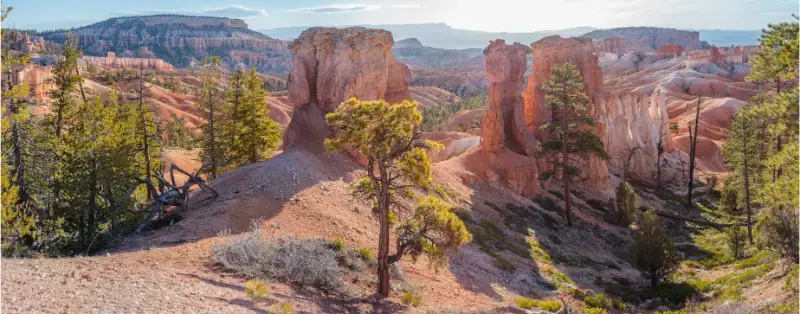
Remember the elevation: cool air can hide how tiring climbs feel. A downhill start on Navajo or Queens Garden always becomes an uphill finish.
Capitol Reef with kids
Fruita is almost designed for family pacing: orchards, historic buildings, picnic areas, petroglyphs and short trail options sit close together.
Use orchard harvest as a seasonal bonus and teach children not to pick unless a specific orchard is posted open. Flash-flood rules still apply to washes.
Moab with kids
Moab gives families the broadest activity mix: Arches, Dead Horse Point, short Canyonlands walks, river trips and museums. A guided calm-water float can break up several days of hiking.
Avoid exposed midday hikes in hot weather simply because the trail mileage looks short. Sandstone radiates heat and shade can be scarce.
Family lodging strategy
Choose hotels with practical features: parking, refrigerator, breakfast options, pool access in warm months and enough room to reset. A slightly less scenic hotel can be better than a remote cabin when everyone needs food immediately after a park day.
Springdale and Moab are worth paying more for when the location removes long daily commutes. Torrey and Bryce-area lodging should be chosen for easy dinner access.
Food and water planning
Keep a permanent snack box and refillable water supply in the car. Gateway towns can have early restaurant closing times, and remote drives do not always align with children’s hunger.
Do not let “we are almost there” replace a real stop. Bathroom, shade and food breaks are part of the itinerary, not lost time.
Seven-day family route
A realistic week can use two nights Springdale, one or two nights Bryce/Torrey, and three nights Moab, with transfer days serving as scenic-drive days.
Families starting from Salt Lake City may skip Zion on a short week and focus on Capitol Reef plus Moab to reduce distance.
Ten-day family route
With ten days, add a real Bryce night, two nights around Capitol Reef/Scenic Byway 12 and a northern-Utah stop. The extra time makes room for weather changes without sacrificing rest.
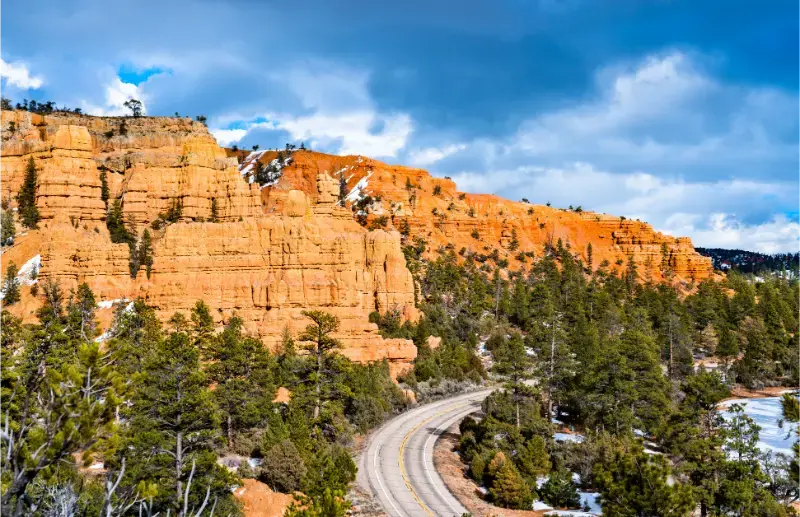
Do not fill every extra day with another attraction. Keep one late morning or pool afternoon intentionally empty.
Junior Ranger and learning
National-park visitor centers can turn the landscape into stories about geology, ecology and human history. Junior Ranger activities work best when children choose to engage rather than when parents treat the booklet as homework.
Museums in Salt Lake City and Moab are also useful when weather makes outdoor plans uncomfortable.
How to build a family-friendly Mighty 5 trip
Families should reduce the number of hotel changes before reducing the number of parks. Two nights in Springdale, one or two around Bryce/Torrey and three in Moab create a calmer rhythm than changing lodging every evening. Young children experience the landscape through short walks and time to explore, not through a list of park names.
Schedule the hardest hike early, then protect afternoons for swimming, scenic drives, visitor centers or unstructured time. This makes the route more resilient to heat and meltdowns.
Safety with children in desert parks
Cliff edges, heat, flash floods and dehydration are the recurring hazards. Toddlers should be physically controlled near exposed rims, and older children need clear rules before reaching overlooks. Do not rely on railings being present at every viewpoint.
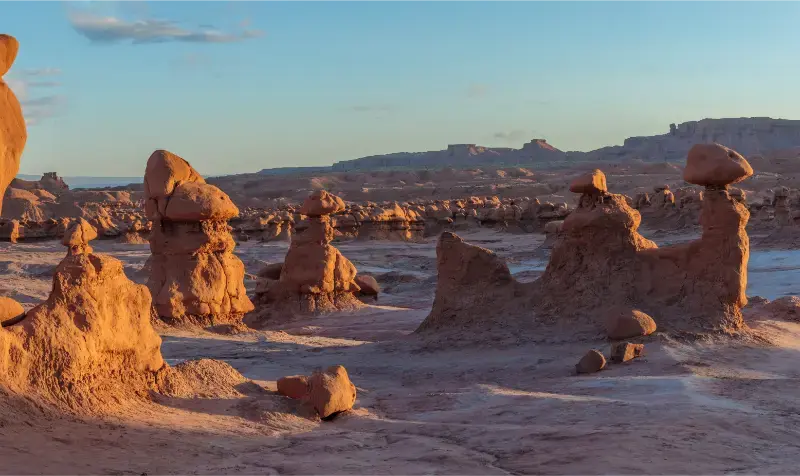
Carry more water and snacks than you expect to use, especially on transfer days. A family road trip becomes much easier when food and bathroom stops are planned before remote scenic roads.
How this guide connects with the rest of Utah
Utah trips work best as connected clusters rather than isolated attractions. Use the related guides below to compare bases, reduce backtracking and decide which experiences deserve their own day.
- 7 Days in Utah
- Zion Hiking Guide
- Best Things to Do in Moab
- Capitol Reef Guide
- Where to Stay in Utah
Practical planning strategy
Check the official land-management source again 24–48 hours before any weather-sensitive hike or unpaved-road day. Southern Utah can change quickly after storms, while northern mountain weather can alter roads and trail conditions at elevation. Download offline maps before leaving towns and never assume mobile coverage at a trailhead.
Build one priority activity per day and one backup. This simple rule prevents a permit, parking problem, heat wave or storm from ruining the entire schedule. It also gives you enough time to stop at viewpoints that were not visible when you planned the trip at home.
Frequently asked questions
What is the best age for a Utah road trip?
There is no single best age. Toddlers benefit from short walks and fewer hotel changes; school-age children can handle more hikes with early starts.
Is Zion safe with kids?
Yes with appropriate trails and close supervision near edges. Angels Landing is not necessary for a family trip.
How many days for Utah with kids?
Seven days can cover highlights; ten days is significantly more comfortable for a Mighty 5-style trip.
What is the best family base?
Moab is the most versatile because it combines parks, river activities, restaurants and multiple easier days.
Final planning checklist
- Verify current road, trail and weather conditions.
- Download offline maps and save reservation confirmations.
- Carry more water than the minimum you expect to drink.
- Plan fuel before long scenic or backcountry drives.
- Keep at least one daily activity flexible.
- Avoid scheduling a long night drive immediately after a strenuous hike.
A final note on pacing
The most memorable Utah trips are rarely the ones with the highest attraction count. Red-rock landscapes are large, weather-sensitive and physically demanding. Give major parks and road corridors enough time for early starts, unplanned overlooks and a real meal at the end of the day. When a route feels too full on paper, removing one stop usually improves every place that remains.
For a first trip, protect sleep and daylight. Start demanding hikes in the coolest safe window, drive scenic roads while you can actually see them and reach the next lodging base before exhaustion becomes part of the plan. That approach is safer, easier for families and more likely to produce a trip you would willingly repeat.
Extra trip-planning detail
A useful way to test the itinerary is to imagine the day with a two-hour delay. If a parking queue, thunderstorm or slow restaurant would make you miss the final shuttle, reach lodging after midnight or drive an unpaved road in darkness, the plan is too tight. Add margin before the trip rather than trying to recover it on the road.
Also separate drive time from travel time. Navigation apps measure movement, not viewpoints, fuel stops, construction, wildlife, trailhead parking or the simple need to stretch after several hours in the car. In Utah, a beautiful two-hour transfer often occupies half a day once you travel at a pace that lets you experience it.
Looking for the right place to stay? Compare hotels and accommodation on Booking.com.